How to Elevate Your Space with 7 Bedroom Curtain Ideas
Introduction
Your bedroom is a sanctuary, and the right window treatments can completely transform the ambiance. When exploring bedroom curtain ideas, it’s essential to consider both aesthetics and functionality. Many homeowners struggle with finding the perfect balance between privacy, light control, and style when selecting bedroom window treatments. Whether you’re dealing with an oddly positioned window, limited space, or simply seeking a refresh, the right curtains can elevate your bedroom’s design while addressing practical concerns. This guide will walk you through expert-approved options that combine beauty and purpose, helping you create the restful retreat you deserve.
Table of Contents
Understanding the Best Decor Style
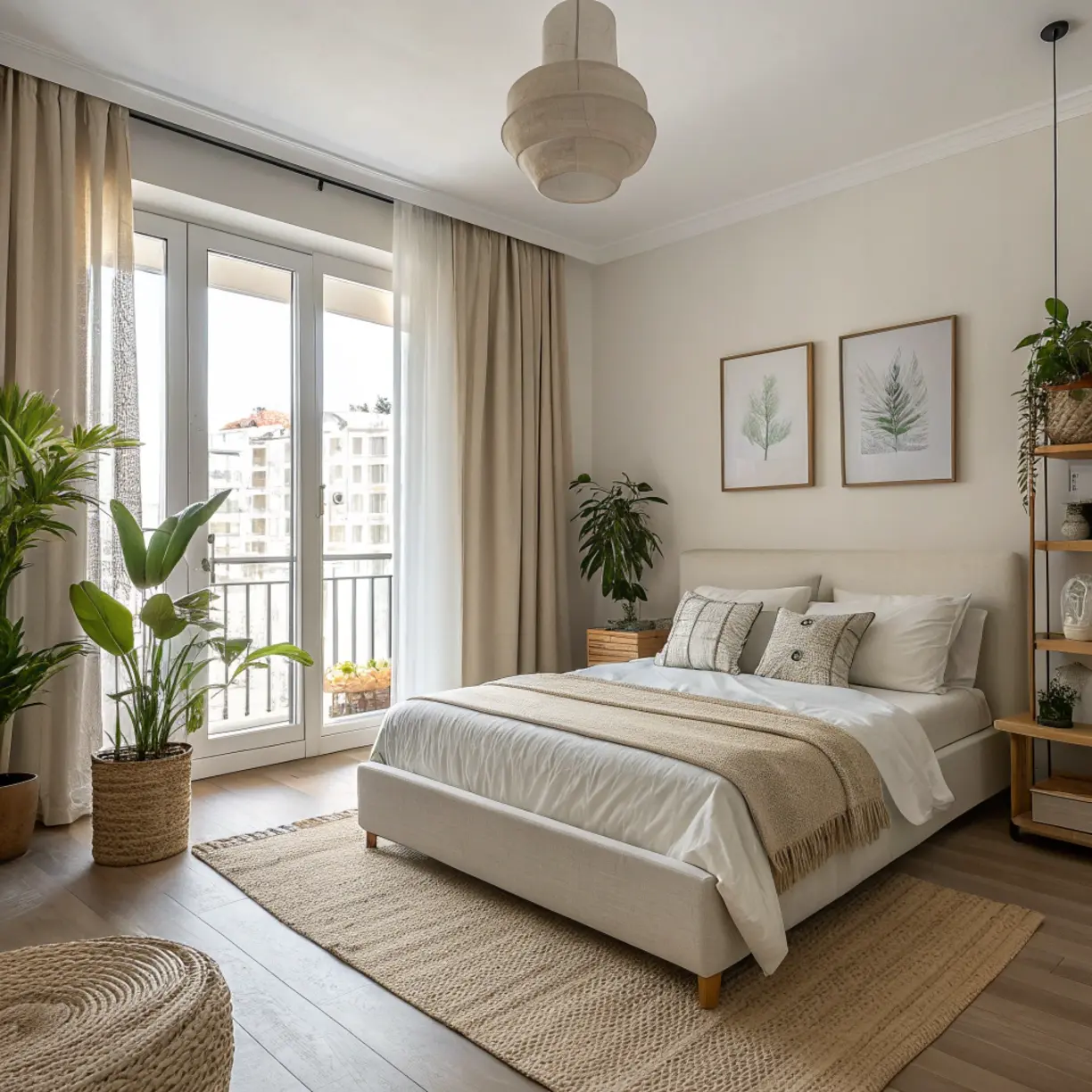
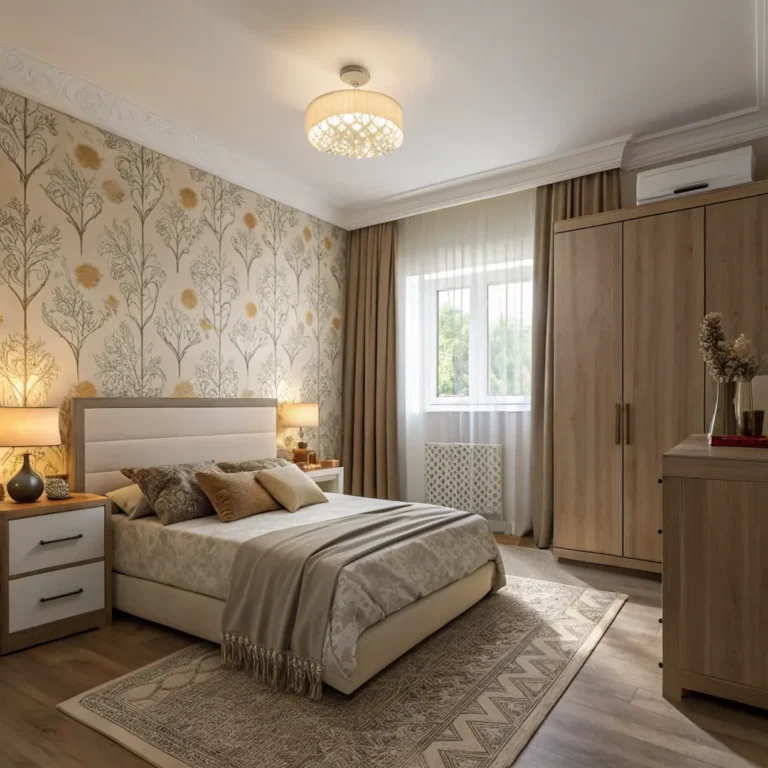
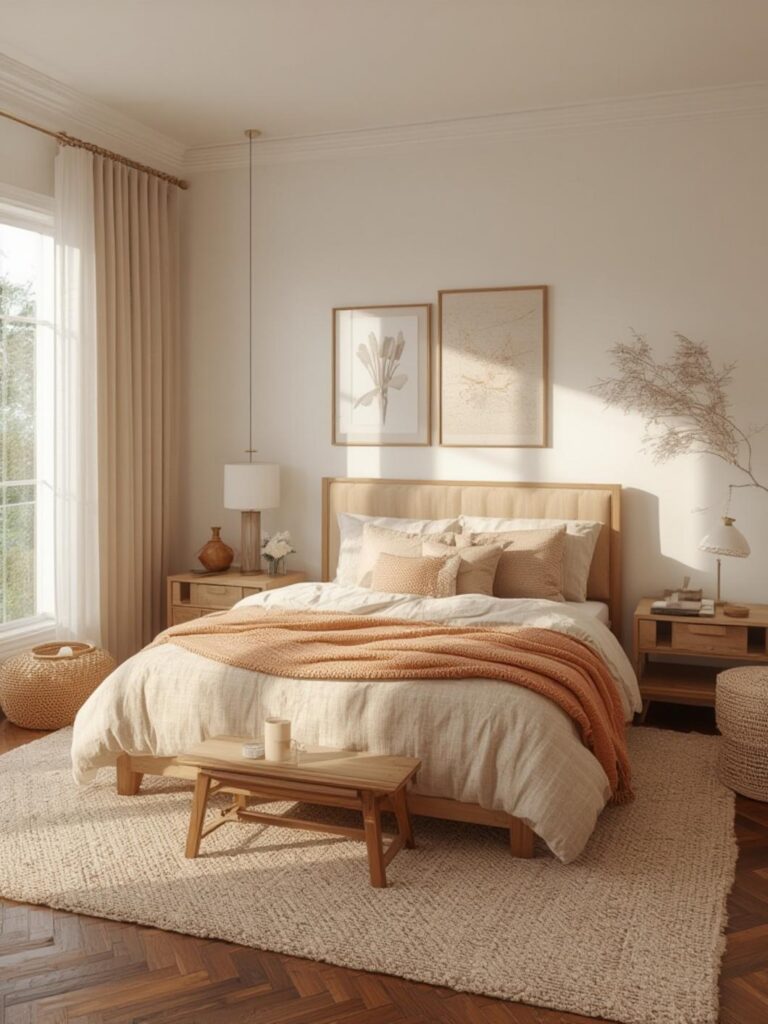
Selecting the perfect curtain style significantly impacts your bedroom’s overall aesthetic and atmosphere. For contemporary spaces, opt for clean-lined panels with minimal patterns and neutral tones. Traditional bedrooms benefit from fuller drapes with pleated headers and elegant tiebacks. If you prefer a bohemian vibe, layered, textured fabrics with macramé details create that carefree atmosphere.
Consider your bedroom’s architectural features when choosing window dressings. Tall ceilings call for floor-to-ceiling panels that draw the eye upward, while smaller spaces benefit from curtains hung higher than the window frame to create the illusion of height. The fabric weight matters too—sheers allow gentle light filtration while maintaining some privacy, while blackout options are perfect for light-sensitive sleepers. The hardware you select—from minimalist tracks to ornate rods—should complement your existing fixtures and furniture finishes.
Essential Decor Tips
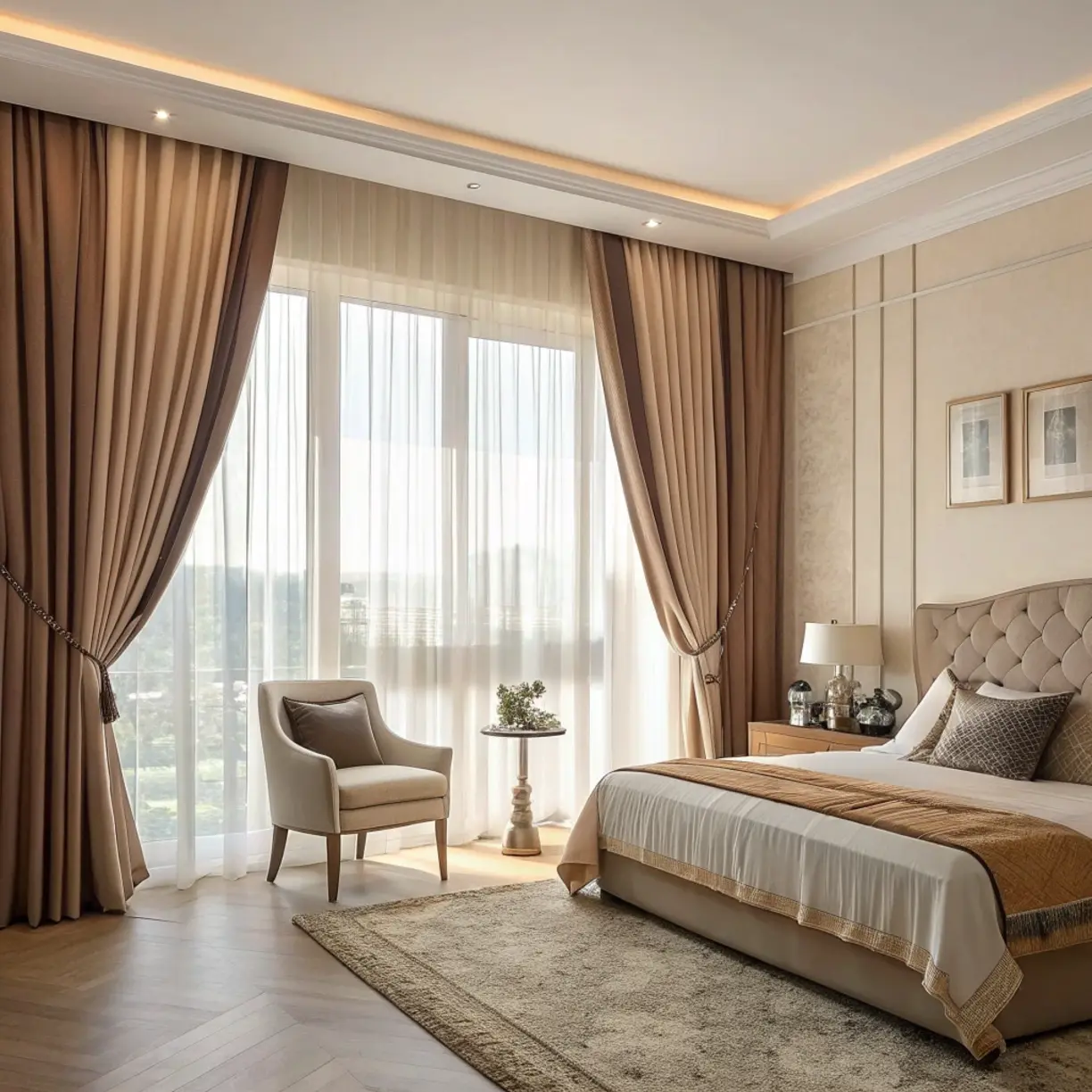
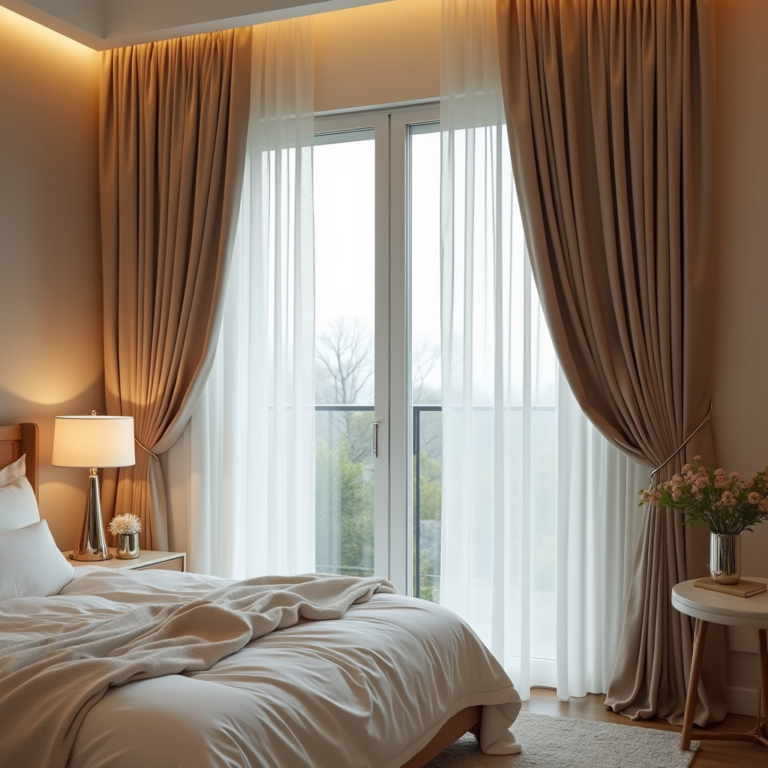
When implementing bedroom curtain ideas, proper measurement is critical. Always measure windows from several points as frames can be slightly uneven. For optimal appearance, curtains should hang at least 4-6 inches above window frames and extend 3-4 inches beyond each side to make windows appear larger and maximize light when open.
Consider the curtain length carefully—floor-grazing panels create a tailored look, while those that “puddle” with extra fabric on the floor add drama and luxury. For bedroom window treatments, functionality should match your specific needs:
- Light sleepers benefit from blackout linings
- Those with radiators below windows should choose curtains that stop at the sill
- East-facing bedrooms might need heavier fabrics to block morning light
- West-facing rooms benefit from UV-protective materials to prevent furniture fading
Layer curtains with blinds or shades for maximum versatility, allowing light control throughout the day while maintaining privacy and insulation benefits at night.
Budget-Friendly Decor Ideas
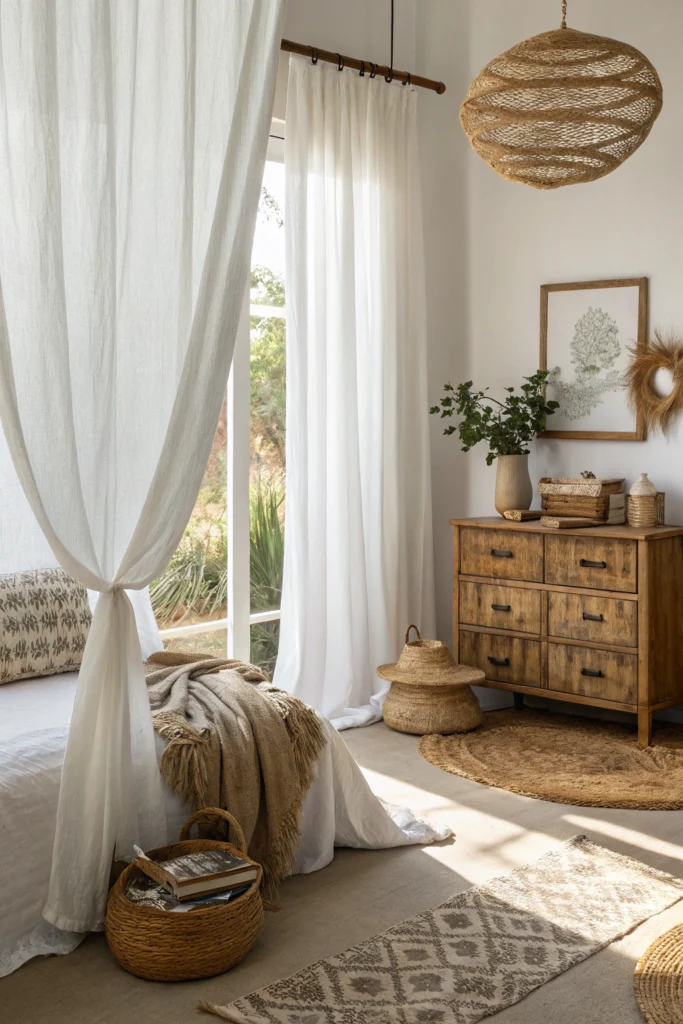
Creating stunning window treatments doesn’t require breaking the bank. Ready-made curtains from discount home stores offer excellent value, especially when you select simple designs in versatile colors. For a custom look without the price tag, try these affordable approaches:
1. Add decorative trim or ribbon to plain panels for instant personalization
2. Use tension rods inside window frames for inexpensive, no-drill installation
3. Repurpose vintage bed linens or tablecloths as unique curtain panels
4. Shop seasonal sales and clearance sections for high-quality materials at reduced prices
DIY options abound for the crafty homeowner—consider sewing simple panels from cotton sheets or hemming no-sew curtains with fabric tape. Even basic drop cloths from hardware stores can be transformed into farmhouse-style curtains with a quick wash and hem. Thrift stores often hide beautiful vintage drapery that can be refreshed with gentle cleaning and new hardware, creating one-of-a-kind window treatments with character and charm.
Common Mistakes to Avoid
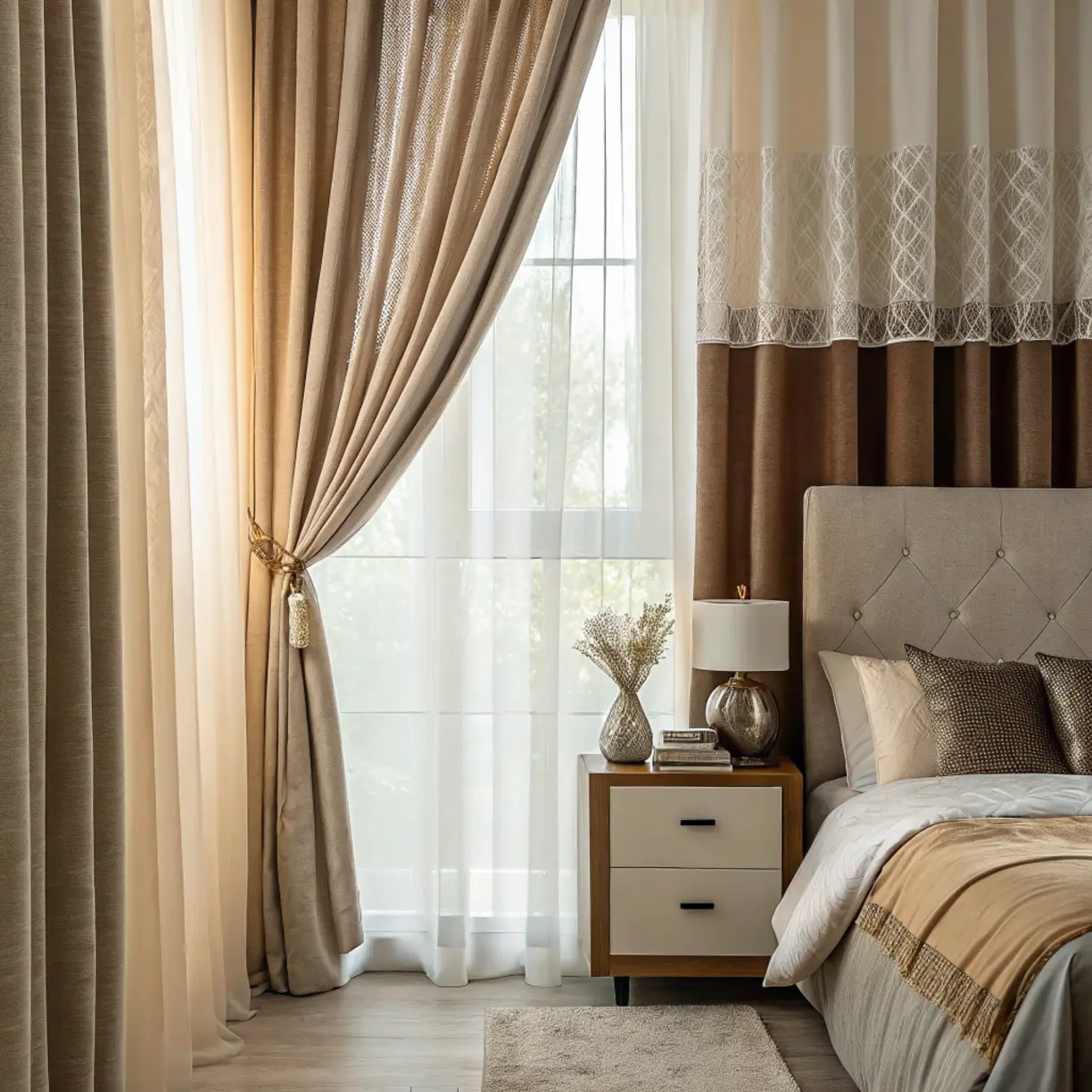
Even design enthusiasts make these frequent errors when selecting window treatments. The most common mistake is choosing curtains that are too short or narrow, creating an awkward, incomplete look. For proper fullness, curtain width should be 2-2.5 times the window width, while length should either touch the floor precisely or intentionally puddle.
Another pitfall is ignoring practical considerations like washability and maintenance. Bedrooms collect dust and fabrics near windows fade over time—select materials appropriate for your lifestyle and cleaning preferences. Many homeowners also overlook proper hardware installation, using flimsy rods that sag with heavier fabrics or failing to use wall anchors for secure mounting.
Color coordination mistakes frequently occur when curtains clash with existing decor rather than complementing it. Rather than matching curtains exactly to walls or bedding, choose complementary tones that enhance the overall palette. Finally, forgetting about light control leads to early morning wake-ups or privacy concerns—consider the opacity needs of your specific bedroom situation before committing to purely decorative options.
Lighting Tips for a Better Atmosphere
How light interacts with your window treatments dramatically impacts your bedroom’s ambiance. Position curtain rods high and wide to maximize natural light when panels are open. For rooms with limited sunlight, select lighter fabrics that filter rather than block daylight, creating a soft, diffused glow.
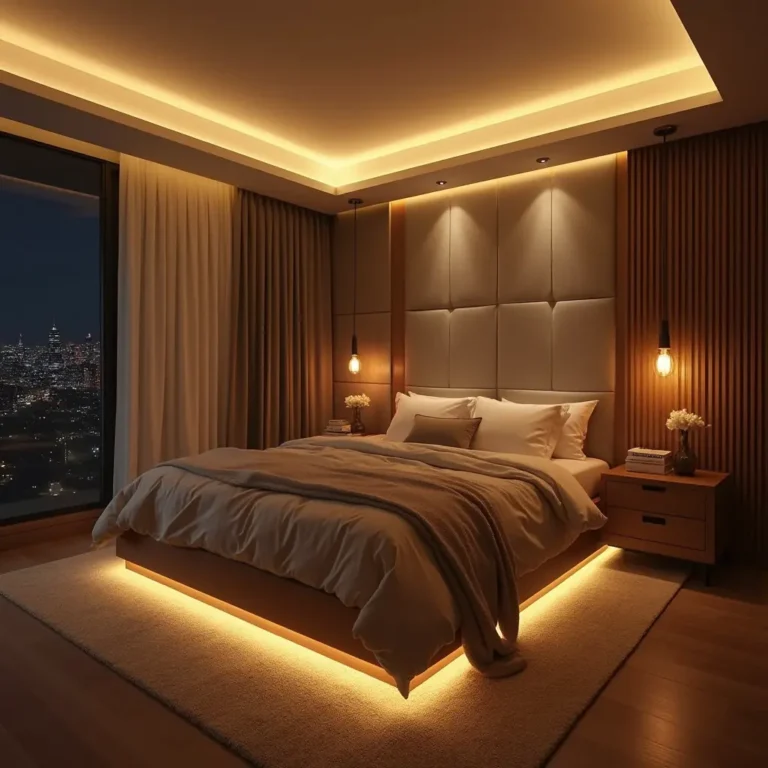
Consider how artificial lighting placement affects your window treatments at night. Wall sconces installed beside windows highlight drapery textures, while uplights positioned behind furniture can create dramatic silhouettes against sheer panels. Smart lighting systems paired with automated window treatments allow custom scene-setting—bright for morning routines, dim for evening relaxation.
Light-reflecting materials like silks and satins amplify both natural and artificial light sources, brightening darker bedrooms. Alternatively, rooms that receive harsh direct sunlight benefit from UV-protective linings that prevent fading of both the curtains themselves and nearby furniture. Remember that window treatment color significantly impacts light perception—lighter tones reflect and brighten, while darker shades absorb light and create cozier, more intimate spaces.
Conclusion

Transforming your bedroom with thoughtfully selected bedroom curtain ideas can dramatically enhance both the function and beauty of your personal sanctuary. By avoiding common pitfalls and focusing on both aesthetic appeal and practical needs, you’ll create a space that truly supports rest and relaxation. Remember that the best bedroom window treatments balance privacy, light control, and style while complementing your overall design scheme. We encourage you to experiment with the suggestions in this guide and discover which options work best for your unique space. Have you recently updated your bedroom curtains? Share your experience in the comments below or explore our related posts for more bedroom design inspiration!
FAQs
How high should I hang my bedroom curtains?
For maximum visual impact, hang curtains 4-6 inches above the window frame (or higher if space allows). This creates the illusion of taller windows and higher ceilings while allowing more light when curtains are open.
What’s the best fabric for bedroom curtains if I need to block light?
For maximum light blocking, choose heavyweight fabrics like velvet, suede, or blackout-lined cotton/polyester blends. These materials not only block light effectively but also provide additional insulation and noise reduction benefits.
Can I use sheer curtains in a bedroom and still maintain privacy?
Yes, by layering sheer curtains with blinds or shades. Use the sheers for filtered daylight and a soft aesthetic, then close the blinds or secondary curtains when privacy is needed. This combination offers flexibility throughout the day and night.
How do I care for bedroom curtains to keep them looking fresh?
Most fabric curtains benefit from regular vacuuming with an upholstery attachment. Check care labels for washing instructions—many can be machine-washed on gentle cycles or professionally cleaned. Rotating curtains seasonally and avoiding direct sunlight exposure prevents premature fading and fabric deterioration.
What’s the ideal curtain length for a bedroom with a radiator under the window?
When radiators are positioned beneath windows, opt for sill-length or apron-length curtains that end just below the window trim. This prevents curtains from blocking heat flow while still providing adequate coverage for privacy and decoration.