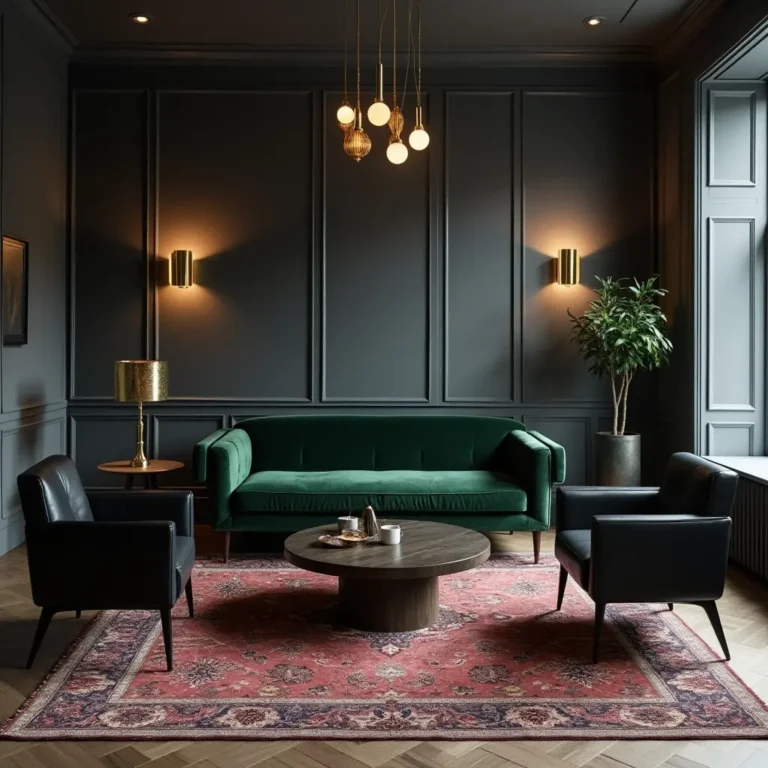
How to Transform Your Space: 7 Living Room Drapes and Curtains Ideas
Have you ever noticed how a simple change in window treatments can completely transform your living room? Selecting the right living room drapes and curtains ideas isn’t just about covering your windows—it’s about framing your view, controlling light, and adding personality to your space. Many homeowners struggle with finding window treatments that balance functionality with style, often resulting in poorly scaled options that fight with the room’s aesthetics. The right living room window treatment inspiration can enhance privacy while still allowing natural light to filter in beautifully. Let’s explore how to select and style window treatments that will elevate your living space from ordinary to extraordinary.
Table of Contents
Understanding the Best Decor Style
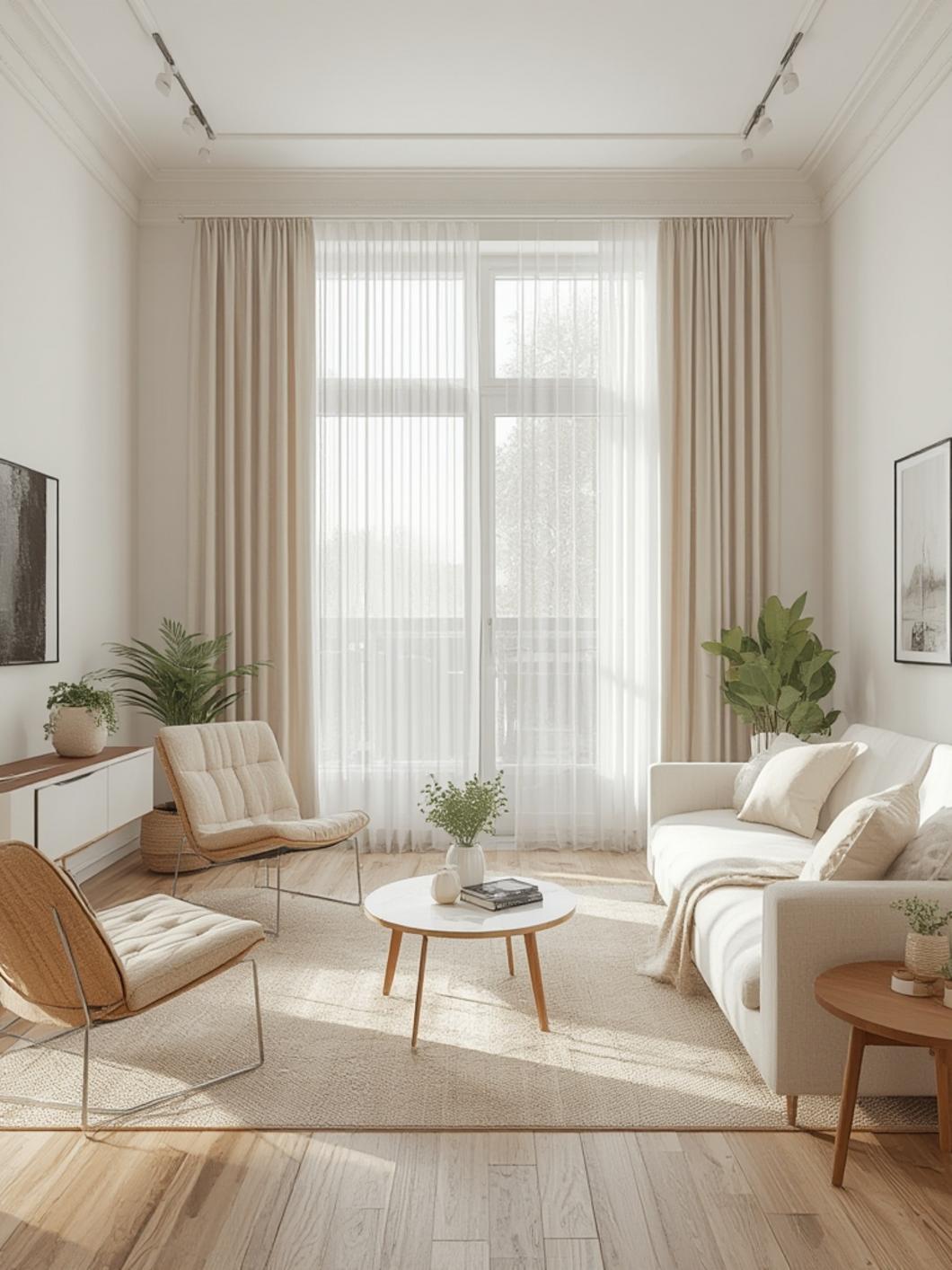
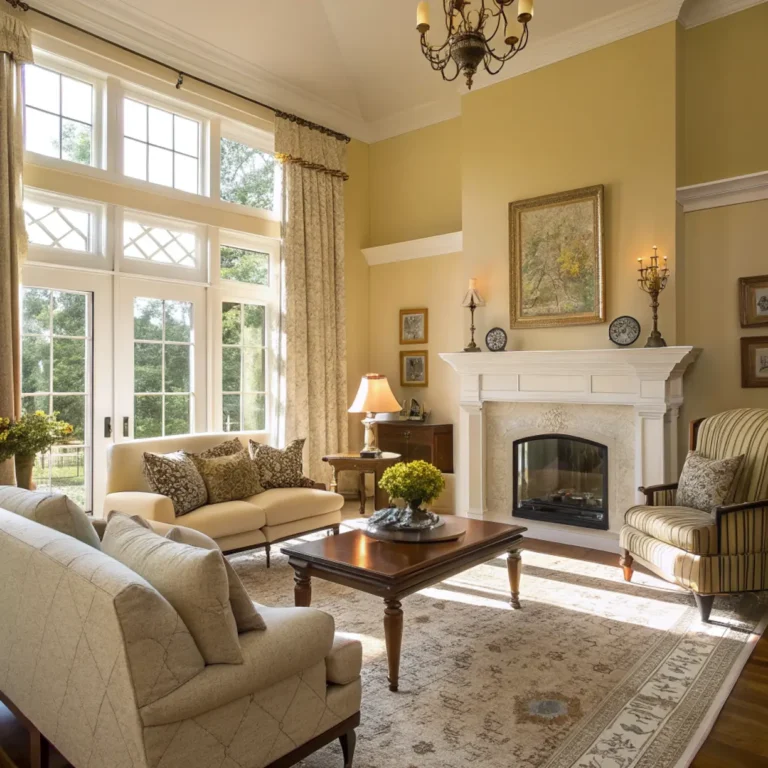
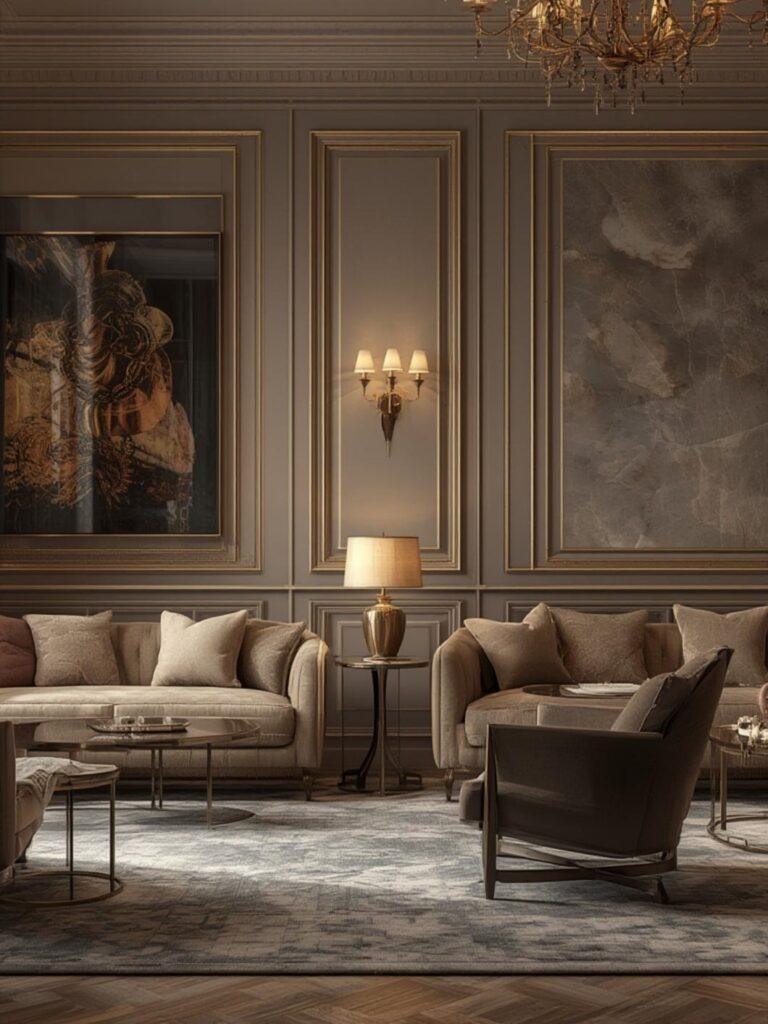
Choosing window treatments that complement your existing decor style creates harmony and visual flow throughout your living room. For modern minimalist spaces, consider sleek panel curtains in neutral tones or subtle textures that hang from ceiling to floor, creating the illusion of height. Traditional homes benefit from fuller drapes with pleated tops and perhaps valances for added elegance.
Mid-century modern spaces work well with simple geometric patterns or solid colors in period-appropriate hues like mustard yellow or teal. Farmhouse or rustic interiors shine with natural fabrics like linen or cotton in soft whites or oatmeal tones. Consider the room’s color scheme—your curtains can either blend seamlessly or serve as a statement piece with contrasting colors. The key is ensuring your window coverings enhance both the style and function of your space while reflecting your personal aesthetic.
Essential Decor Tips
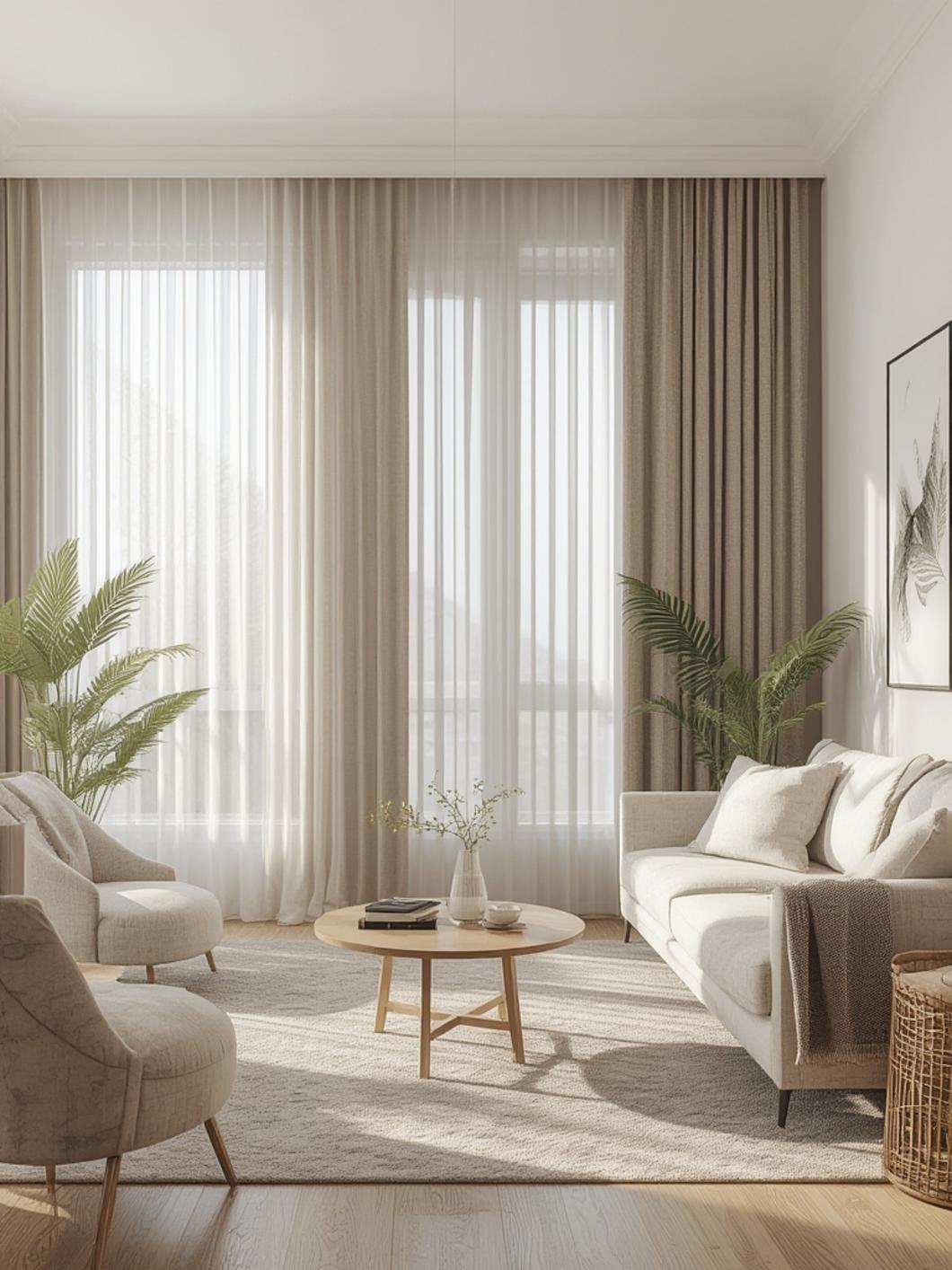
When implementing living room drapes and curtains ideas, proper sizing is crucial. Always mount curtain rods 4-6 inches above window frames and extend them 8-12 inches beyond each side to make windows appear larger and allow maximum light when curtains are open. For luxurious fullness, ensure your curtains are 2-2.5 times the width of your window.
Consider fabric weight carefully—heavier fabrics like velvet or brocade provide better insulation and light blocking, while sheers allow gentle light filtration while maintaining privacy. Layering different treatments, such as combining sheers with heavier drapes, offers flexibility for different times of day and varying living room window treatment inspiration needs. Don’t overlook hardware—beautiful rods, finials, and tiebacks can elevate even simple curtains. Finally, ensure your treatments are properly hemmed—they should either “kiss” the floor, puddle slightly for drama, or hang just above the floor in more practical spaces.
Budget-Friendly Decor Ideas
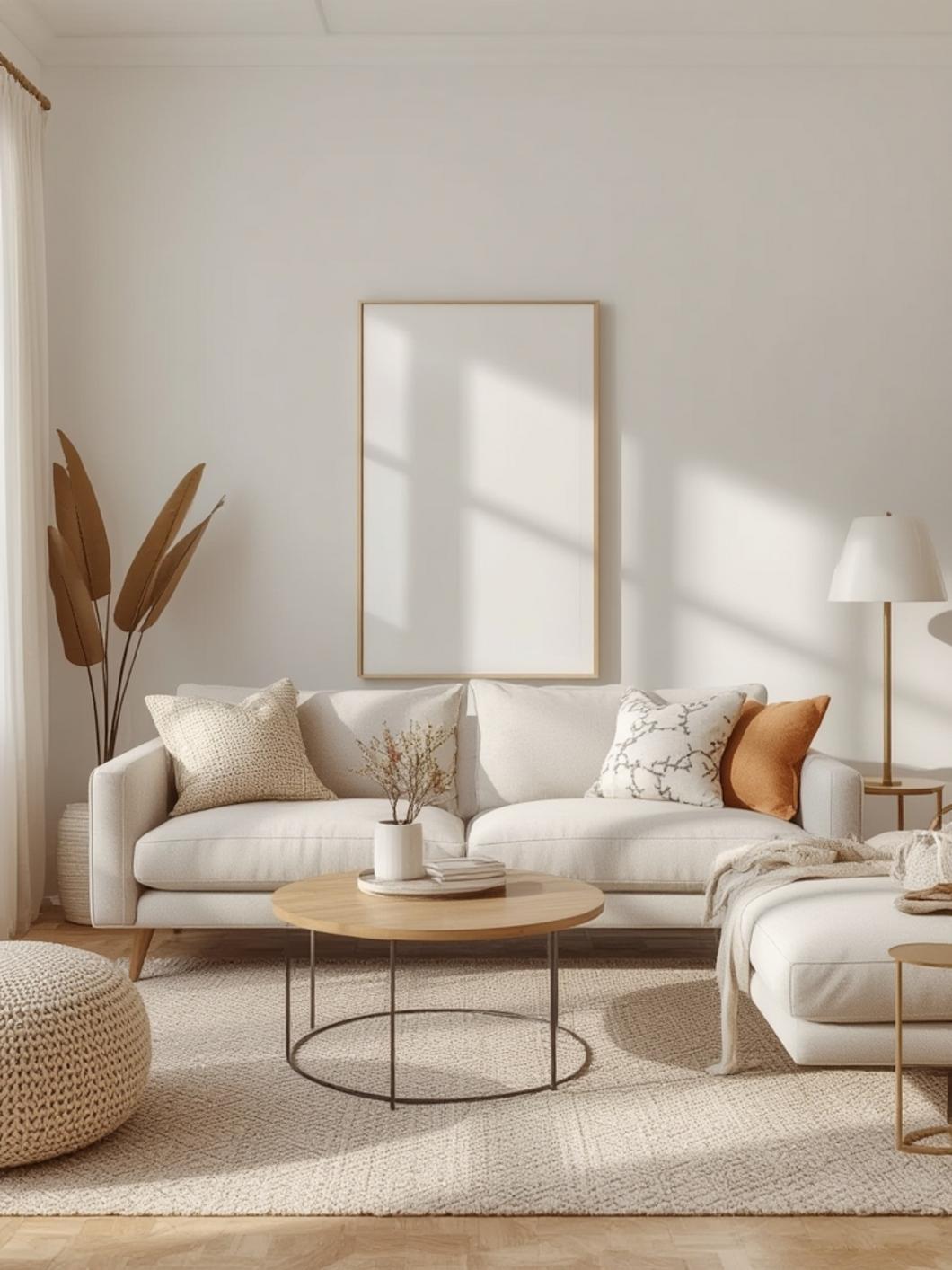
Creating stunning window treatments doesn’t require a designer budget. Ready-made curtains from discount home stores can be customized with trim, borders, or iron-on embellishments to create custom-looking results. Consider repurposing fabric shower curtains, which often come in beautiful patterns at affordable prices. Drop cloths from hardware stores can be transformed into farmhouse-style curtains with a simple wash and hem.
For hardware savings, spray paint basic curtain rods in metallic finishes or replace finials with decorative knobs. Thrift stores and estate sales often yield high-quality vintage curtains at bargain prices. DIY roman shades can be crafted from mini-blinds and fabric for a fraction of store-bought versions. Seasonal sales, especially January and July, offer significant discounts on window treatments. Remember, good-quality basic panels in neutral colors provide versatility and longevity, allowing you to change your look with less expensive accessories like tiebacks or valances.
Common Mistakes to Avoid
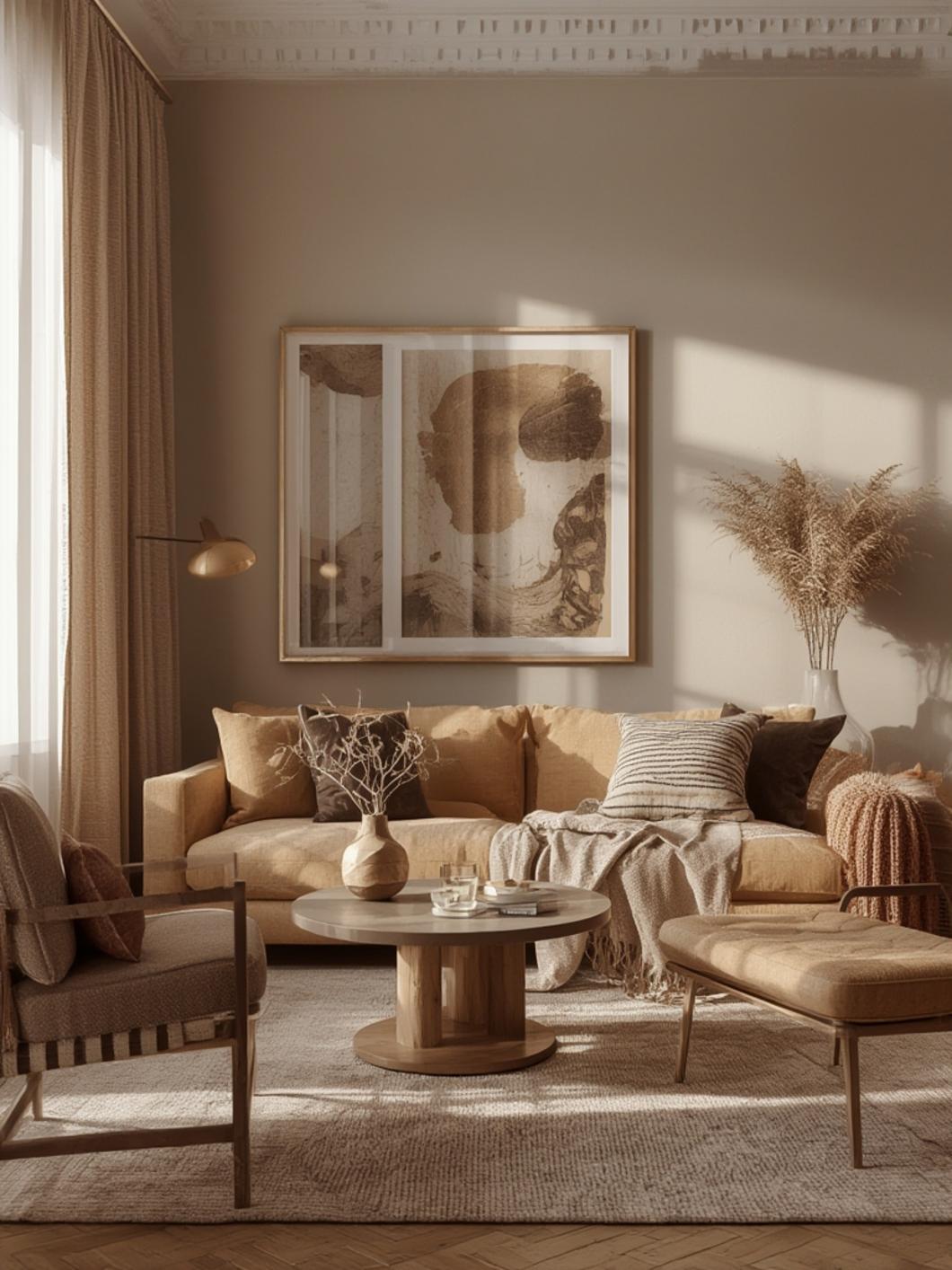
Even design enthusiasts make window treatment errors that diminish their living room’s potential. Selecting curtains that are too short creates an awkward, unfinished look—always aim for floor-length treatments in living spaces. Another common mistake is choosing curtains too narrow for the window, which appears skimpy and unintentionally comical when drawn closed.
Ignoring fabric functionality leads to disappointment; lightweight sheers won’t block morning sun, while heavy velvet might make a small room feel oppressive. Many homeowners mount curtain rods directly on the window frame, which visually shrinks windows—always go higher and wider. Neglecting to consider how curtains will look when both open and closed results in practical problems with daily use. Over-complicated window treatments with excessive layers, tiebacks, and valances can date your space quickly. Finally, forgetting to measure properly before purchasing leads to frustrating returns and delays—always measure twice, buy once.
Lighting Tips for a Better Atmosphere
Understanding how window treatments affect natural light dramatically impacts your living room’s ambiance. South-facing windows with light-filtering curtains create a warm, glowing atmosphere throughout the day, while north-facing windows benefit from lighter fabrics to maximize limited light. For east-facing rooms, consider adjustable treatments like layered curtains or top-down blinds to manage harsh morning sun.
Create a layered lighting plan that complements your window treatments—recessed lighting for general illumination, table lamps for task lighting, and accent lights to highlight architectural features or artwork. Smart lighting systems that adjust throughout the day pair beautifully with automated curtains for the ultimate in convenience and atmosphere control. Consider how your window treatments appear at night from both inside and outside—lined curtains prevent the “fishbowl effect” after dark while maintaining daytime views.
Conclusion
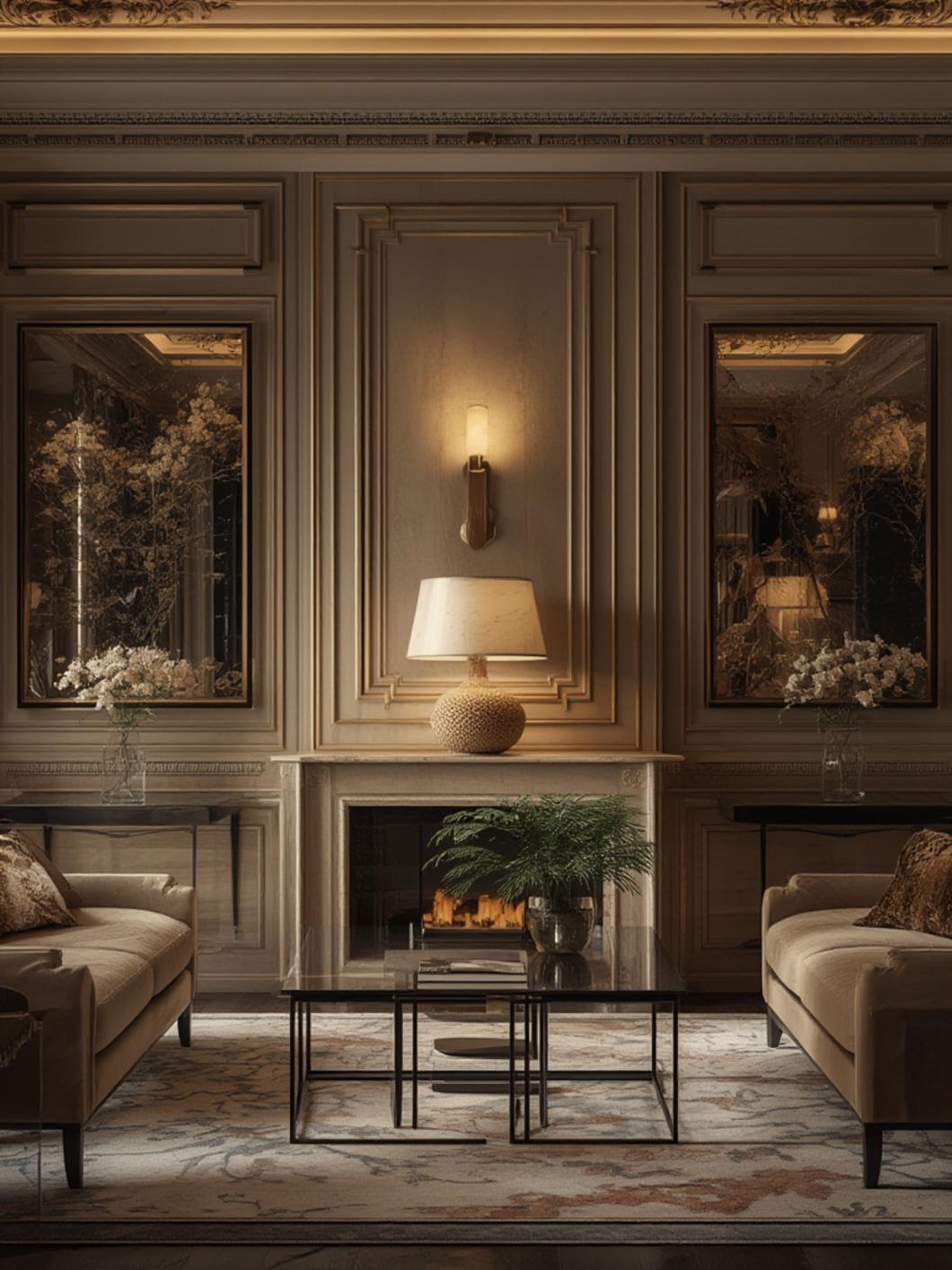
Selecting the perfect living room drapes and curtains ideas transforms not just your windows but your entire space. By understanding design principles, avoiding common pitfalls, and implementing thoughtful choices, you’ll create a living room that balances beauty with functionality. Whether you’ve opted for elegant floor-length drapes, practical Roman shades, or a layered approach with living room window treatment inspiration that meets multiple needs, your windows now enhance your home’s overall design. Take time to consider how light, privacy, and style interact in your space, and don’t be afraid to experiment until you find the perfect solution. We’d love to hear how these tips have helped transform your living room—share your results or questions in the comments below!
FAQs
How high should I hang my curtain rod in the living room?
Mount your curtain rod 4-6 inches above the window frame (or halfway between the frame and ceiling for standard height rooms). For rooms with high ceilings, you can go even higher to create a sense of grandeur. This placement makes windows appear taller and allows more light when curtains are open.
What length should living room curtains be?
Floor-length curtains (within 1/2 inch of the floor or slightly touching) create the most polished look in living spaces. For a more dramatic effect, allow 1-3 inches of “pudding” fabric on the floor. Avoid curtains that hang above the floor—they cut the visual line and make the room feel unfinished.
How do I choose the right fabric weight for my living room curtains?
Consider your privacy, light control, and insulation needs. Heavier fabrics like velvet, brocade, or lined cotton provide better light blocking and insulation, making them ideal for street-facing windows or energy efficiency. Lighter fabrics like linen or sheers allow more light while still providing daytime privacy. For maximum flexibility, layer different weights.
What’s the best way to care for living room curtains?
Most fabric curtains benefit from regular vacuuming with an upholstery attachment. Check care labels before washing—many can be machine-washed on gentle cycles or professionally cleaned. For routine maintenance, remove dust with a fabric brush or low-suction vacuum every 1-2 months, and deep clean annually. Installing curtains with rings or grommets makes removal for cleaning easier than pocket-top styles.