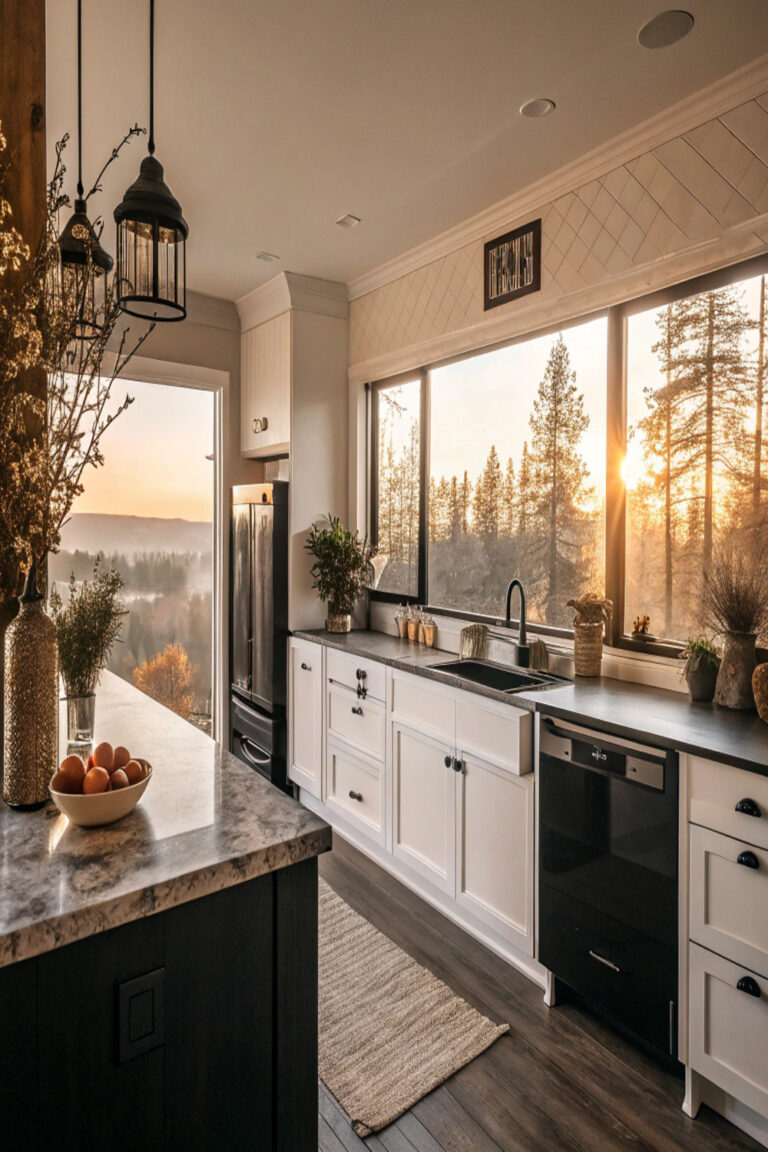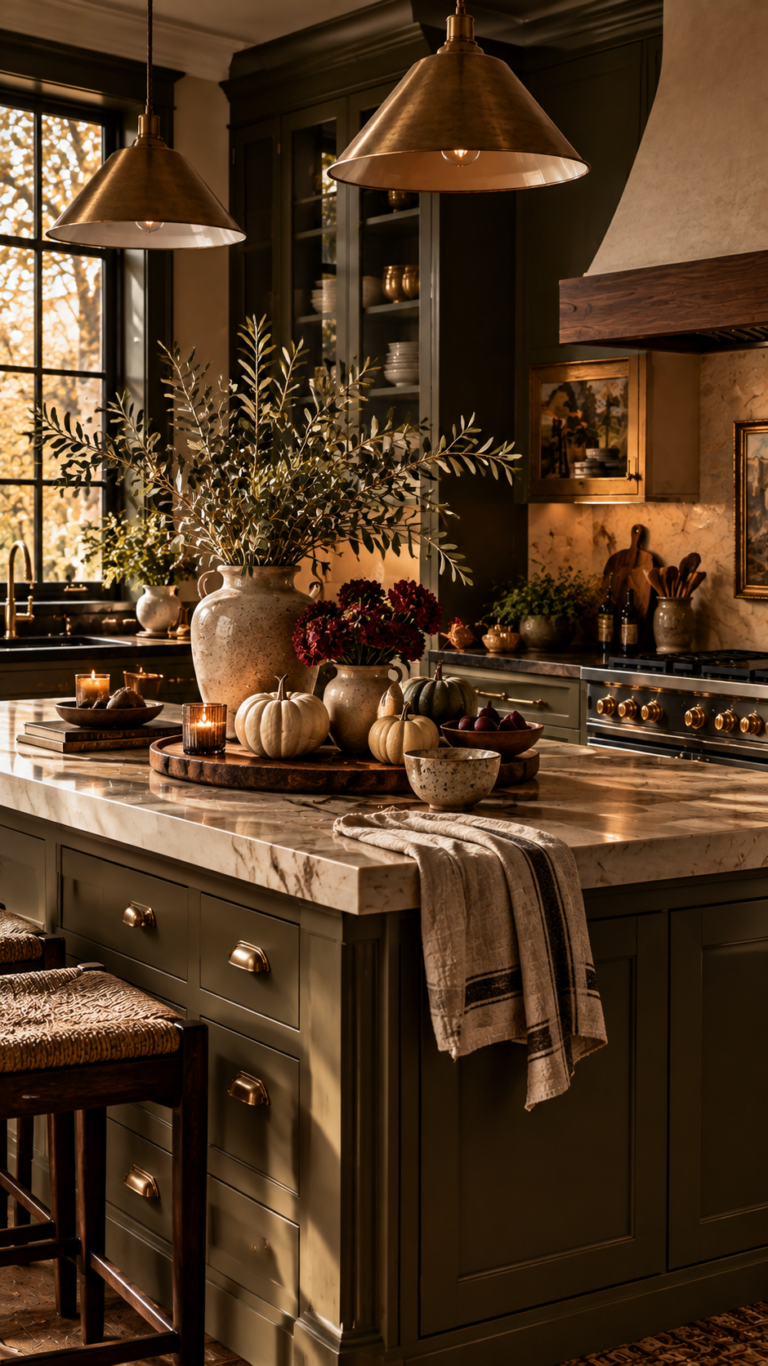
Quick way to Transform Your Space with 5 Kitchen Art Ideas
Have you ever walked into a kitchen that instantly made you feel inspired to cook? The secret often lies in thoughtful decorative touches that elevate the space beyond mere functionality. Adding kitchen art to your culinary space can transform it from a purely utilitarian area to the vibrant heart of your home. Many homeowners struggle with balancing practicality and aesthetics when decorating their kitchens. Finding the right kitchen wall decor that withstands humidity, grease, and daily wear while still looking beautiful presents a common challenge. The good news is that with some thoughtful planning and creative ideas, you can create a kitchen that’s both functional and visually stunning.
Table of Contents
Understanding the Best Decor Style
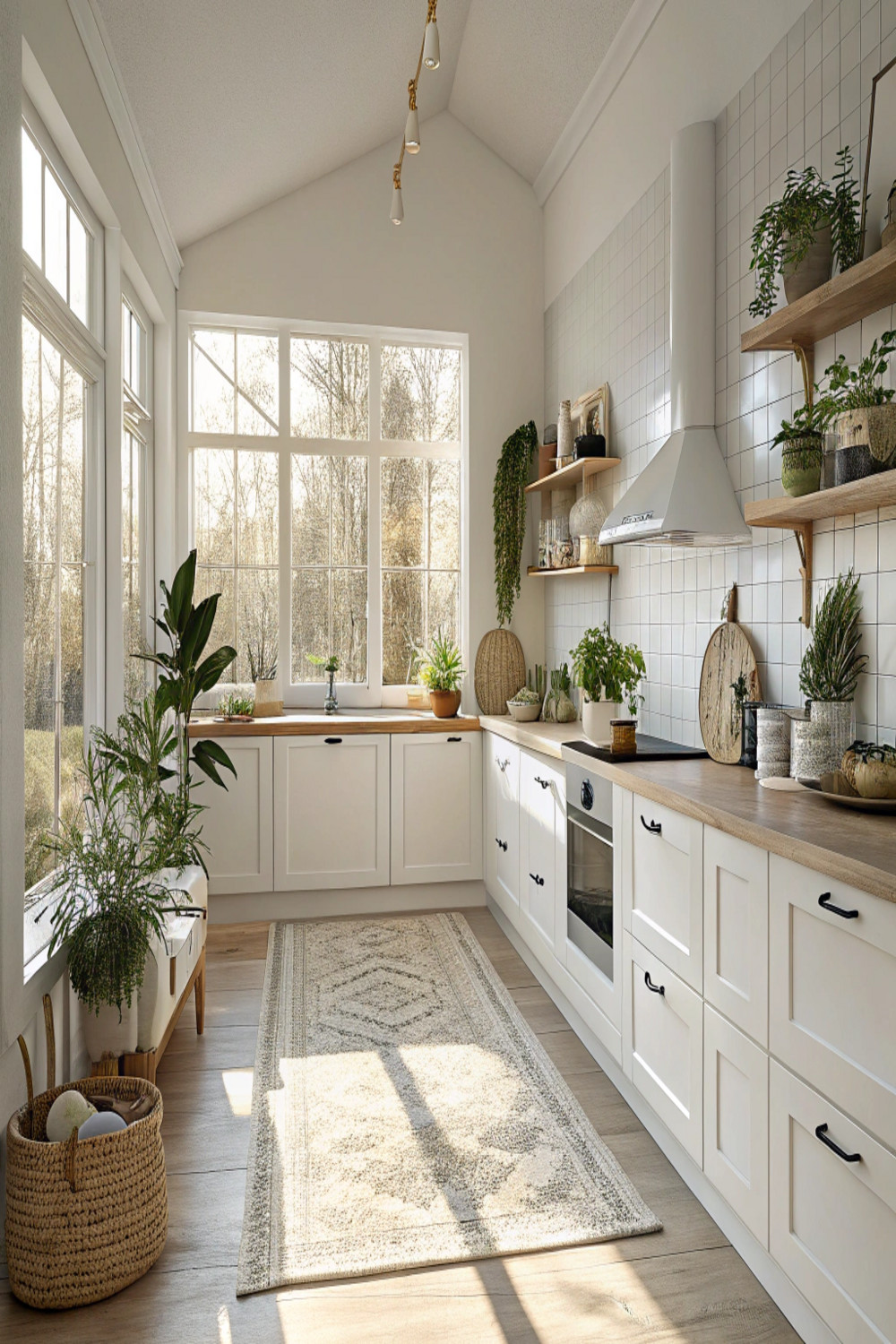
Selecting the right decor style for your kitchen does more than just improve appearances—it creates a cohesive environment that enhances both the look and functionality of your space. The most successful kitchen designs align with your overall home aesthetic while adding distinctive character.
Popular kitchen decor styles include:
– Farmhouse: Characterized by natural materials, vintage accessories, and a warm, inviting feel
– Modern: Features clean lines, minimal ornamentation, and sleek surfaces
– Industrial: Embraces raw materials, exposed elements, and utilitarian charm
– Coastal: Incorporates light colors, natural textures, and sea-inspired elements
– Scandinavian: Focuses on simplicity, functionality, and bright, airy spaces
When choosing artwork for your kitchen, consider both your personal taste and the room’s architecture. A cozy cottage kitchen might benefit from vintage food illustrations, while a contemporary kitchen could showcase abstract pieces with bold colors. The key is selecting pieces that complement your existing elements rather than competing with them.
Essential Decor Tips
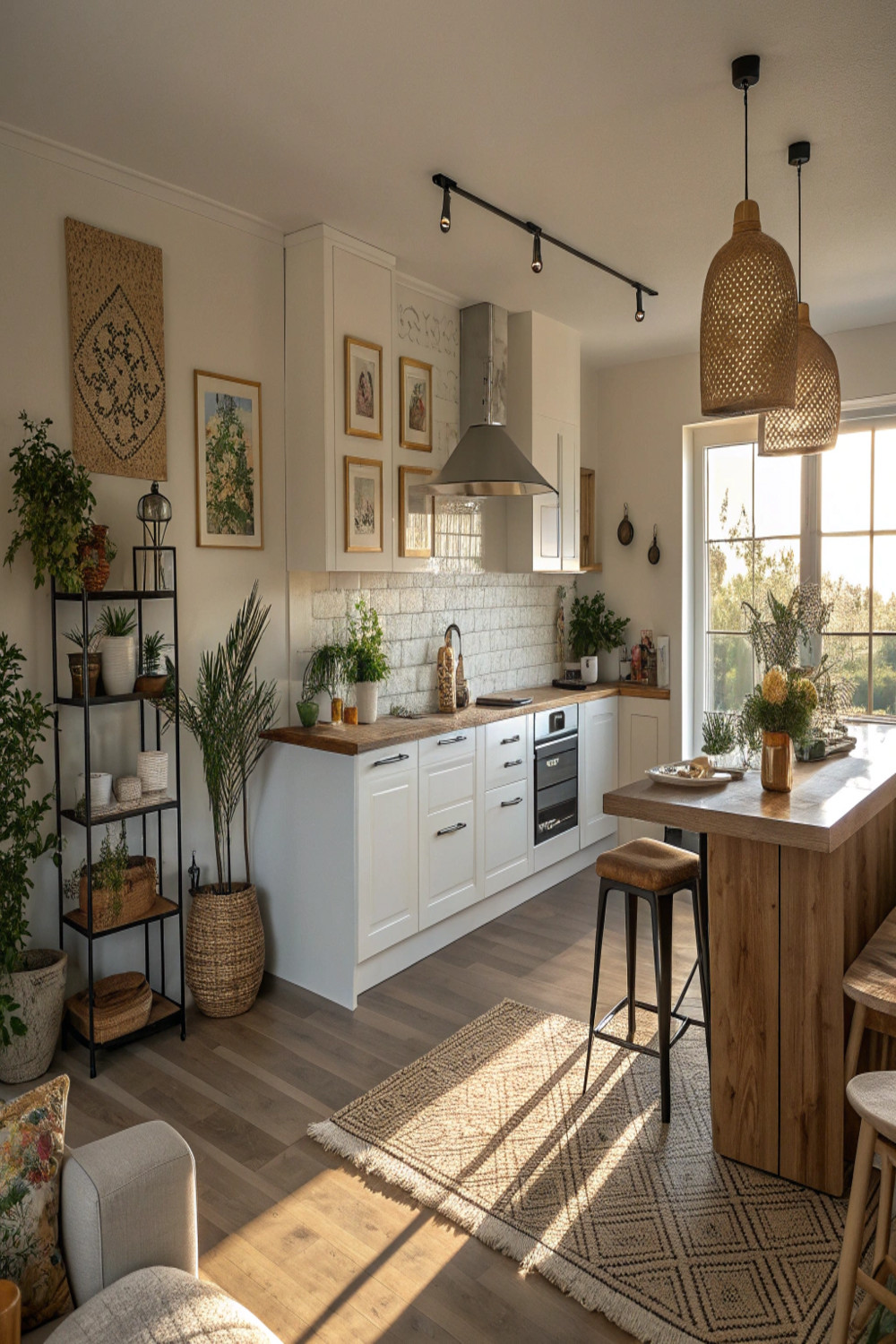
When selecting kitchen art, consider these core principles to ensure your space remains both beautiful and practical:
– Scale appropriately: Choose art pieces that fit your wall space without overwhelming the kitchen
– Consider moisture resistance: Select pieces with protective glazing or framing to withstand kitchen humidity
– Create focal points: Use larger statement pieces on main walls and smaller complementary pieces elsewhere
– Maintain visual breathing room: Avoid cluttering every available space—empty walls create visual balance
– Coordinate colors: Select artwork that pulls colors from existing elements like cabinets, countertops, or backsplashes
The right kitchen wall decor should enhance your cooking experience rather than impede it. Place pieces where they won’t interfere with food preparation or cleaning, and consider the viewing angles from different positions in the kitchen. Remember that kitchens are active spaces—art that looks beautiful but makes the room feel cramped won’t serve you well in daily life.
Budget-Friendly Decor Ideas
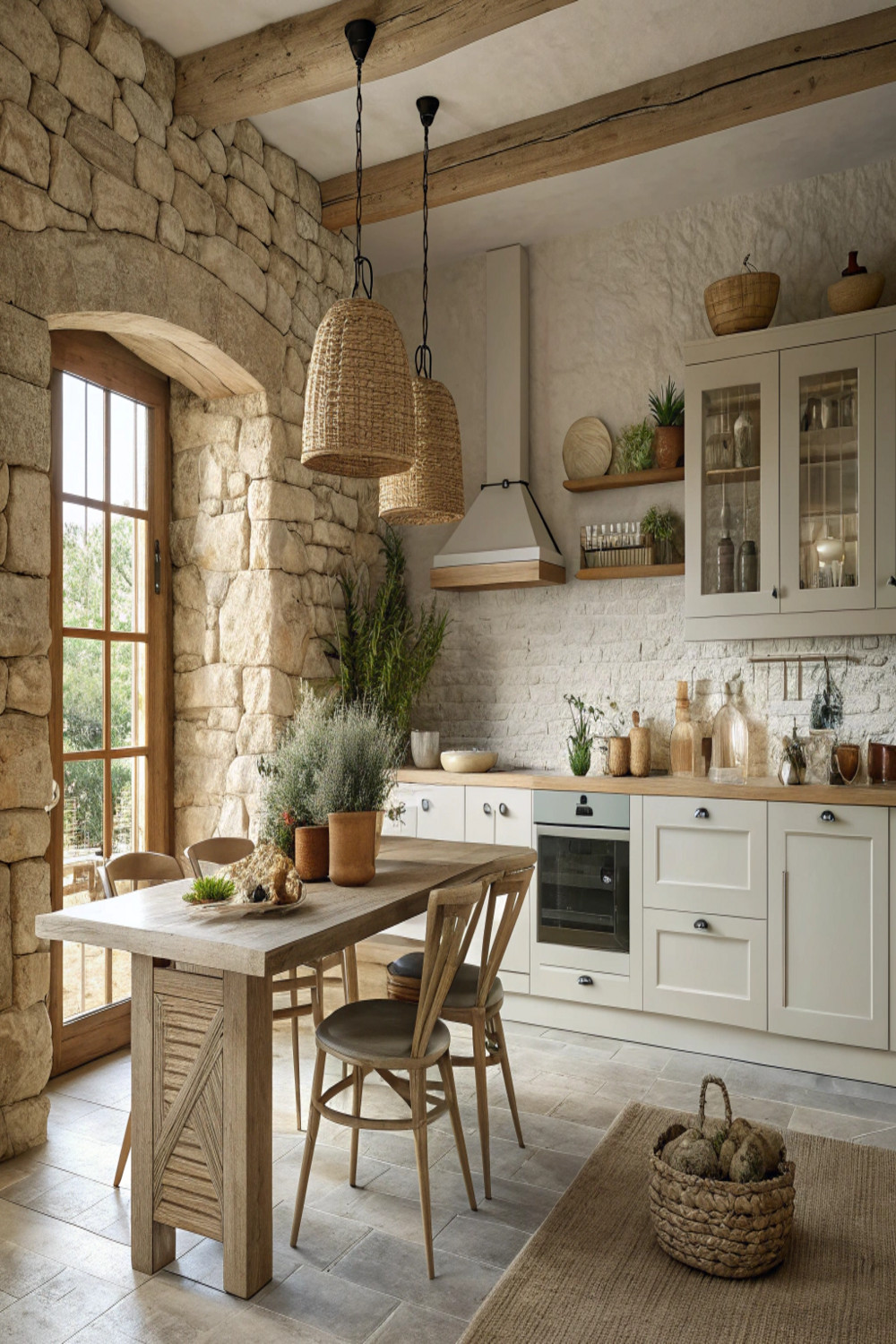
Creating a stylish kitchen doesn’t require breaking the bank. Try these affordable ideas:
– Frame food magazine covers: High-quality food magazines often feature stunning photography that makes perfect kitchen artwork
– Display vintage cooking utensils: Mount interesting old kitchen tools as three-dimensional wall art
– Create a plate wall: Showcase beautiful plates or platters in a thoughtful arrangement
– Print botanical illustrations: Fruit, vegetable, or herb illustrations add a classic touch at minimal cost
– Repurpose cutting boards: Wooden cutting boards in various shapes make rustic, kitchen-appropriate wall art
– DIY food photography: Take close-up photos of colorful ingredients and frame them yourself
Shopping smartly can also yield significant savings. Consider checking thrift stores, estate sales, and online marketplaces for unique, affordable pieces. Many retailers offer kitchen-themed art prints at reasonable prices, and downloading digital prints from creative marketplaces allows you to print at your preferred size for a fraction of the cost of pre-framed art.
Common Mistakes to Avoid
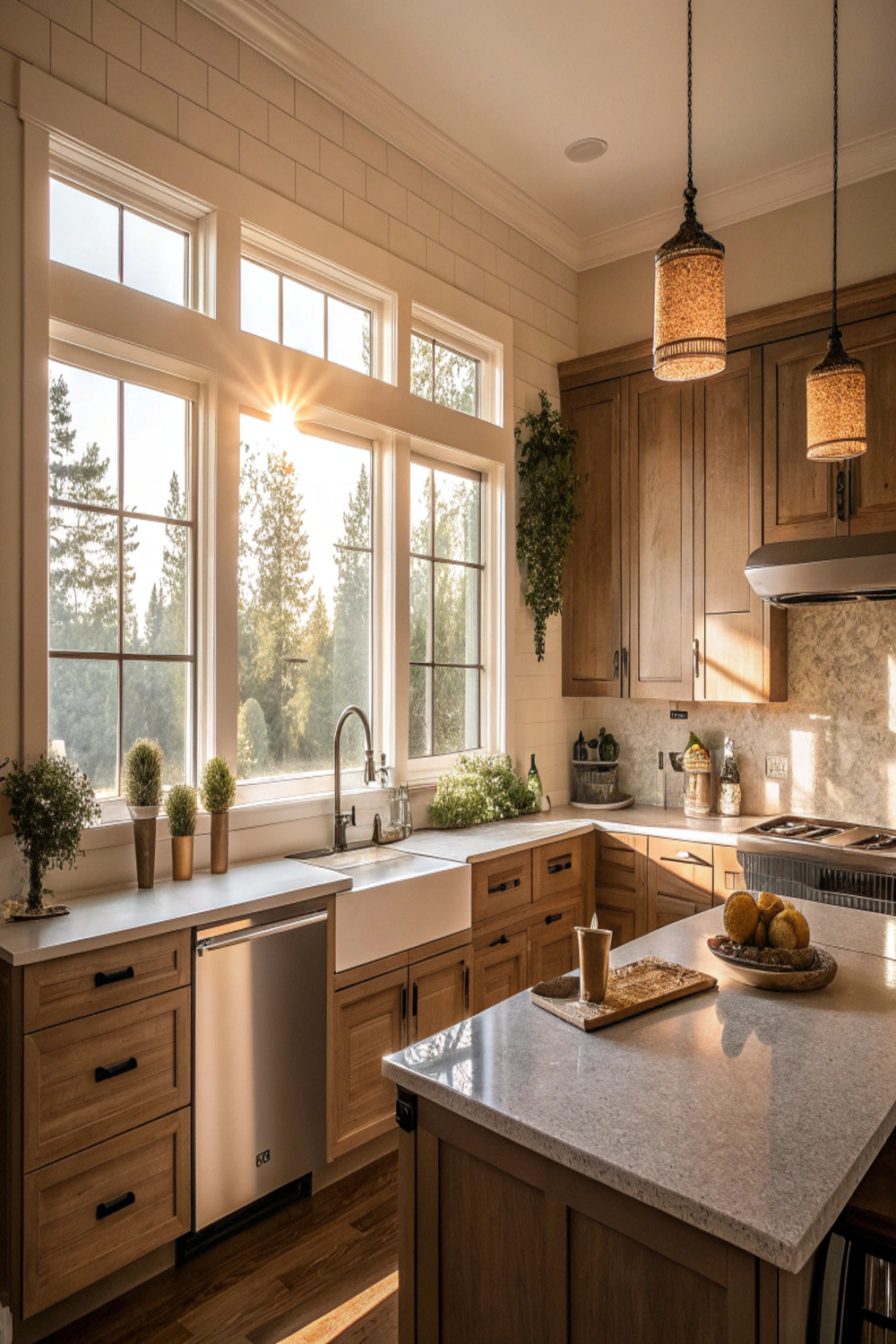
When decorating kitchen walls, people often make these avoidable errors:
– Choosing inappropriate materials: Non-sealed paper prints can quickly deteriorate in kitchen environments
– Hanging art too high: Kitchen art should be placed at eye level when standing, not too close to the ceiling
– Ignoring scale: Tiny pieces look lost on large walls, while oversized art can overwhelm smaller spaces
– Using too many small pieces: Creating a cluttered gallery wall without visual organization feels chaotic
– Selecting unsuitable subject matter: Extremely detailed or visually busy art can feel overwhelming in an already active space
– Forgetting about grease and splatter zones: Placing valuable art too close to cooking areas risks damage
Remember that kitchen walls near stoves and sinks require more durable, easily cleanable art options like glass-covered prints, metal pieces, or ceramic tiles. Save delicate or valuable artwork for areas well away from water and cooking splatter.
Lighting Tips for a Better Atmosphere
Proper lighting dramatically impacts how kitchen art is perceived and enjoyed. Consider these lighting strategies:
– Install picture lights: Small, focused lights above key art pieces create drama and visual interest
– Use under-cabinet lighting: This not only improves task lighting but can highlight artwork placed on countertops
– Incorporate dimmable options: Adjustable lighting allows you to change the mood from bright and functional to warm and inviting
– Consider natural light patterns: Observe how sunlight moves through your kitchen and position art to avoid harsh glare or fading
– Layer your lighting: Combine ambient, task, and accent lighting to create depth and highlight decorative elements
Smart lighting placement enhances colors, textures, and details in your kitchen artwork while creating a more inviting atmosphere for cooking and gathering. Even simple artwork can look extraordinary with the right illumination.
Conclusion
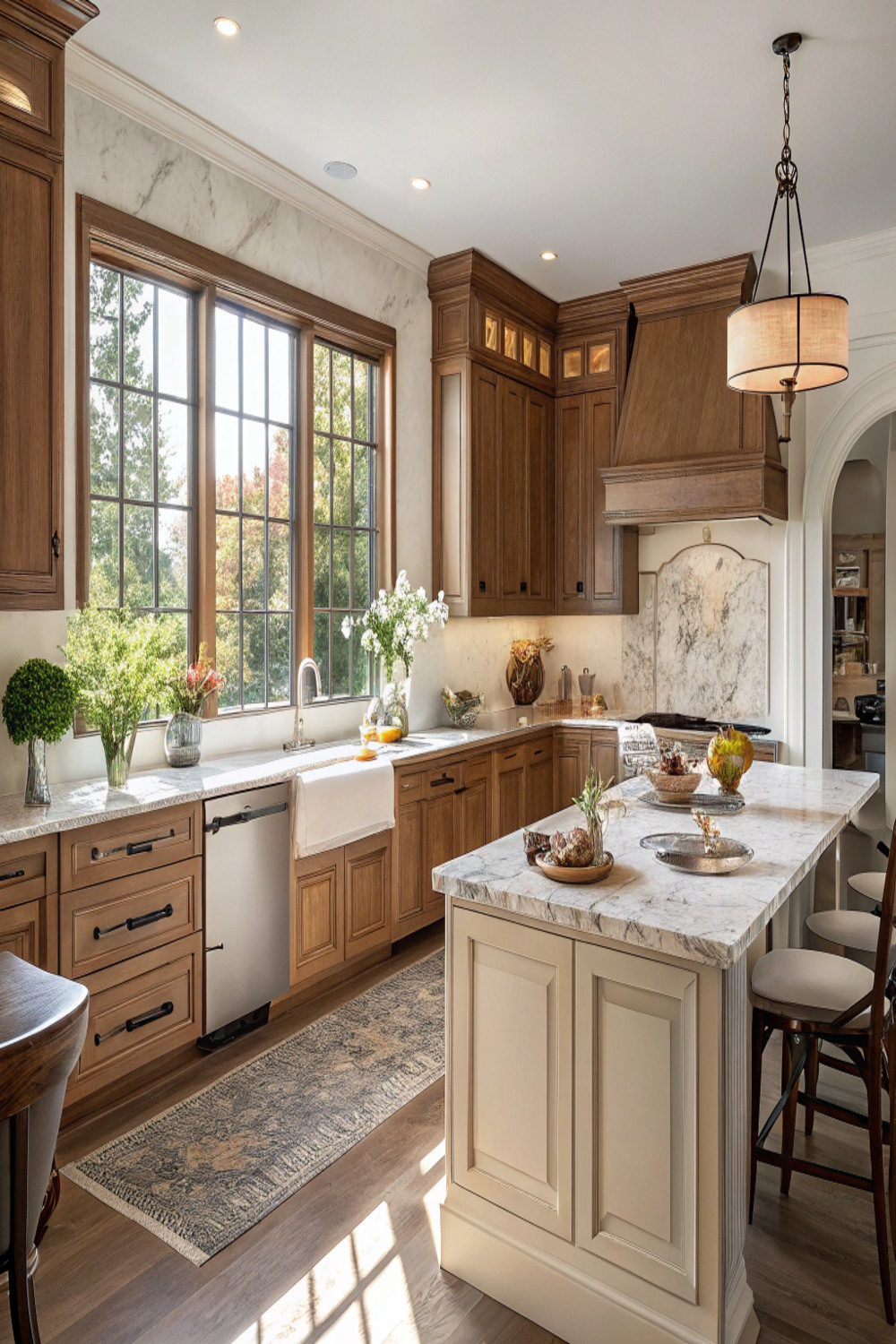
Transforming your kitchen with thoughtfully chosen kitchen art creates a space that inspires creativity and makes daily cooking more enjoyable. By following the principles we’ve discussed—selecting the right style, considering practical concerns, and avoiding common mistakes—you’ll create a kitchen that balances functionality with beauty. Remember that the best kitchen wall decor reflects your personality while respecting the unique demands of a culinary environment. Take some time this weekend to assess your kitchen walls and imagine how a few well-chosen pieces might transform your space. We’d love to hear how these ideas work in your home—share your kitchen transformation photos or questions in the comments below!
FAQs
What type of art works best in kitchens?
Art that can withstand humidity and occasional splashes works best, including pieces behind glass, metal prints, ceramic tiles, or canvas prints with protective coatings. Subject-wise, food-related imagery, botanicals, and abstract pieces with colors that complement your kitchen palette are popular choices.
How high should I hang kitchen wall art?
For optimal viewing, the center of your kitchen artwork should be at eye level (approximately 57-60 inches from the floor). However, adjust this rule based on specific circumstances—art above countertops should be positioned higher to avoid interference with workspace.
What size art works best for kitchen walls?
Scale your art to your available wall space. As a general rule, art should take up about two-thirds to three-quarters of the available wall width. For smaller walls, single medium-sized pieces work well, while larger walls can accommodate either one substantial piece or a thoughtfully arranged collection.
How can I protect kitchen artwork from grease and moisture?
Choose artwork with proper protection like glass or acrylic coverings, apply protective sprays to canvas prints, or select naturally resilient materials like metal, ceramic, or treated wood. Position valuable or delicate art away from direct cooking areas, and consider using washable frames for pieces near high-activity zones.
What are the best colors for kitchen artwork?
Colors that complement your existing kitchen palette create harmony. Warm tones like reds, oranges, and yellows stimulate appetite and create energy, while blues and greens provide a calming effect. Consider pulling accent colors from other elements in your kitchen, such as dish towels, small appliances, or dinnerware.