Best Way to Choose Rug Sizes for 5 Gorgeous Rooms
Introduction
Creating a harmonious living space often comes down to getting the details right, and selecting appropriate rug sizes is one of those crucial elements that can make or break your room’s aesthetic. Many homeowners struggle with this decision, often ending up with rugs that are too small or poorly positioned, which can make even the most beautifully decorated room feel off-balance. Understanding standard rug dimensions isn’t just about measurements—it’s about creating proper proportions that enhance your space rather than disrupt it. This guide will walk you through practical, easy-to-follow tips for selecting the perfect rug for any room in your home.
Table of Contents
Understanding the Best Decor Style
Your rug should complement your overall decor style, serving as either a statement piece or a subtle foundation that ties the room together. Consider these popular styles:
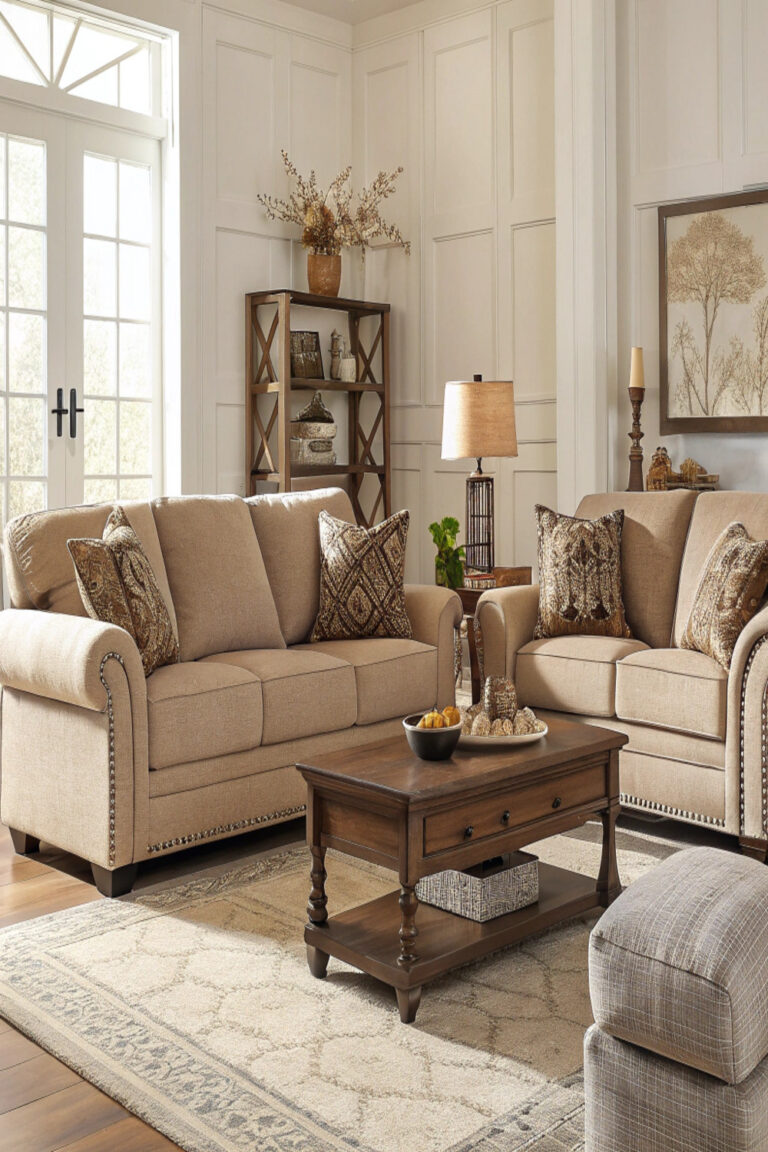
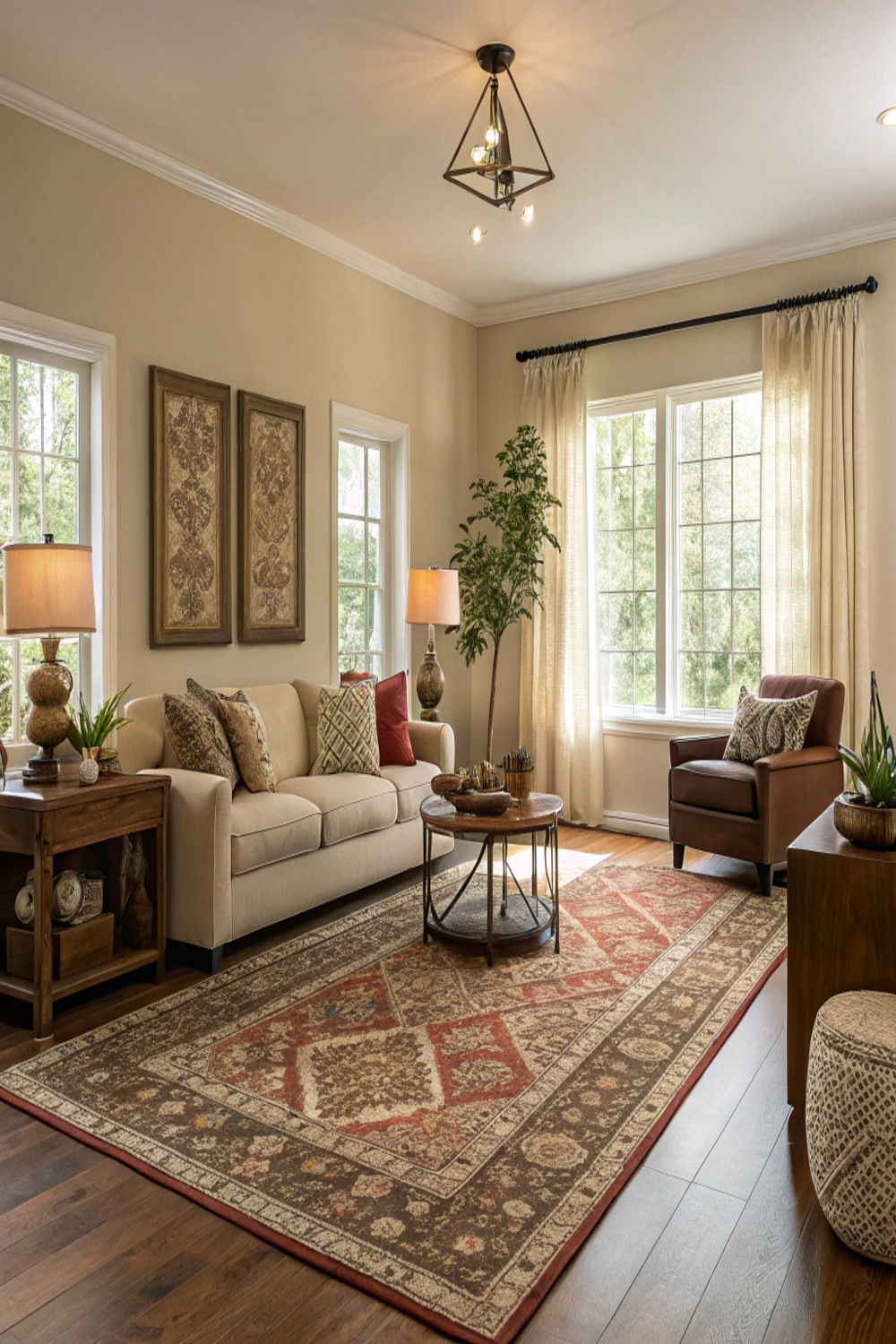
– Traditional: Oriental or Persian rugs with intricate patterns work well in classic spaces
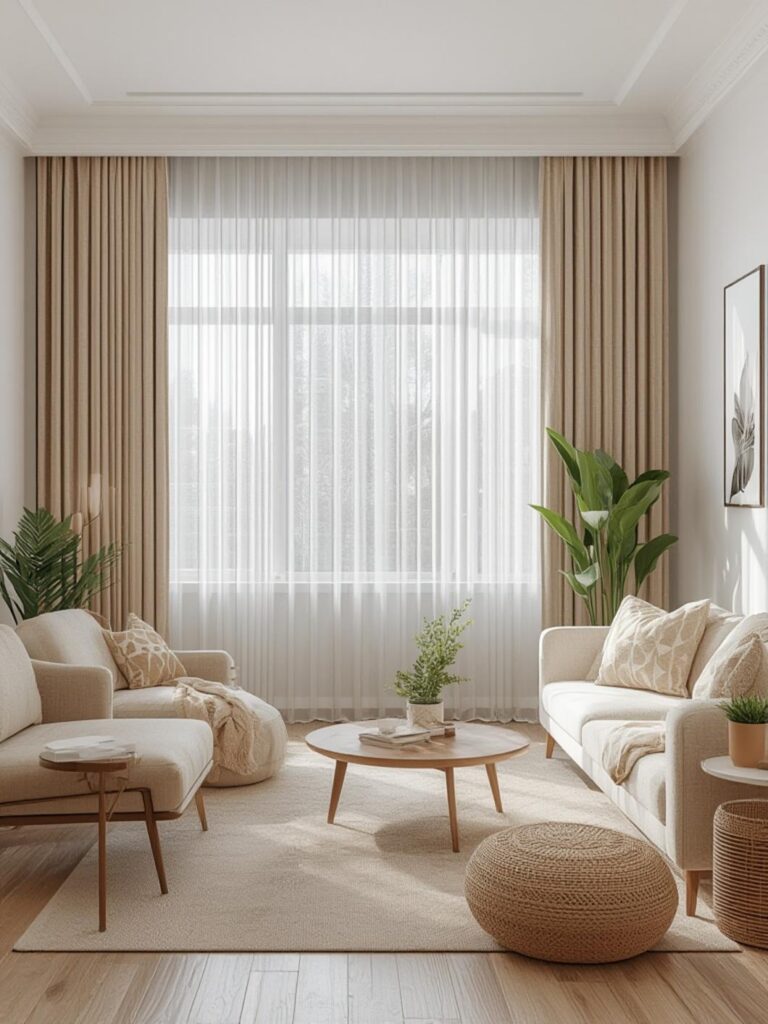
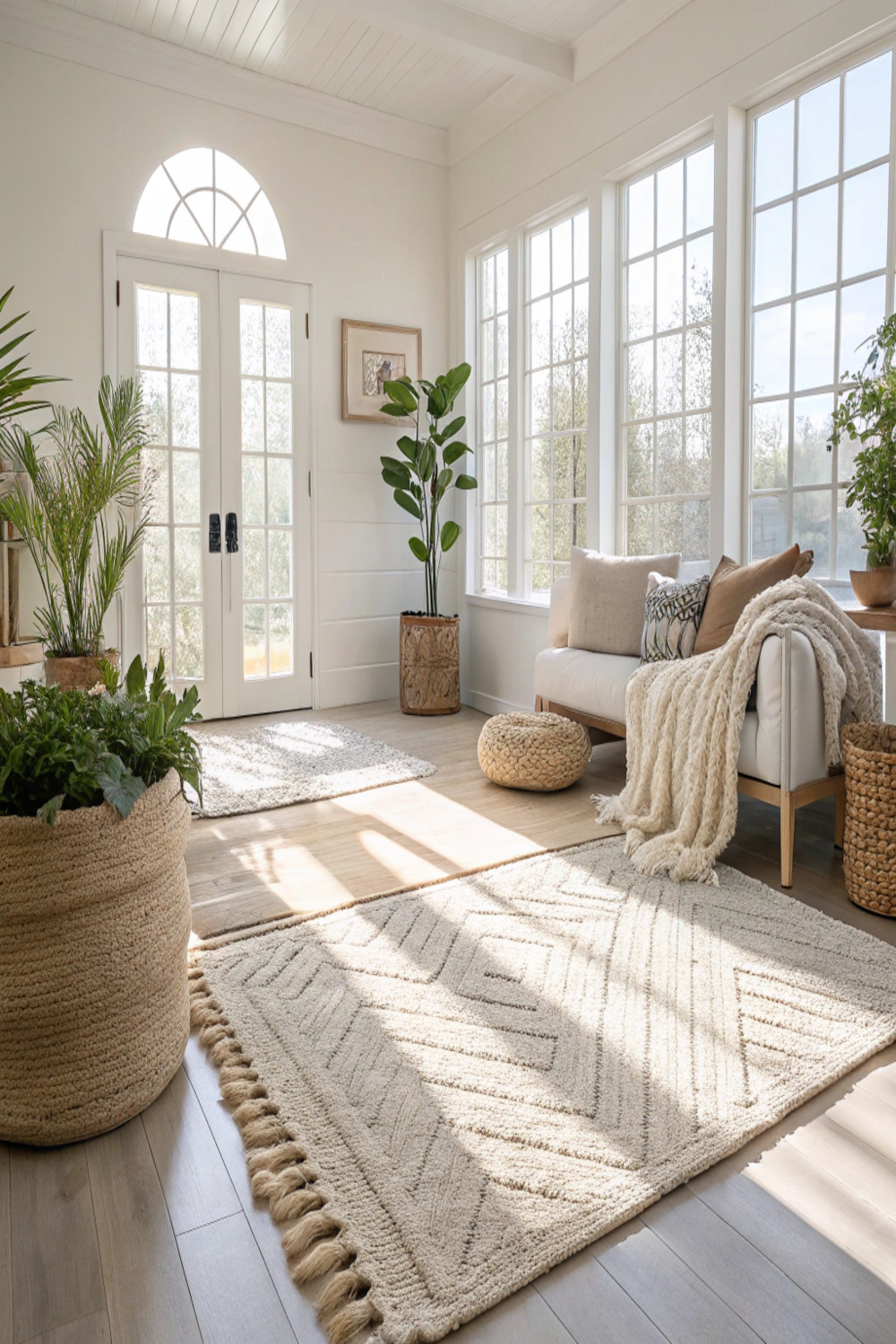
– Scandinavian: Light-colored, minimalist rugs with simple geometric patterns
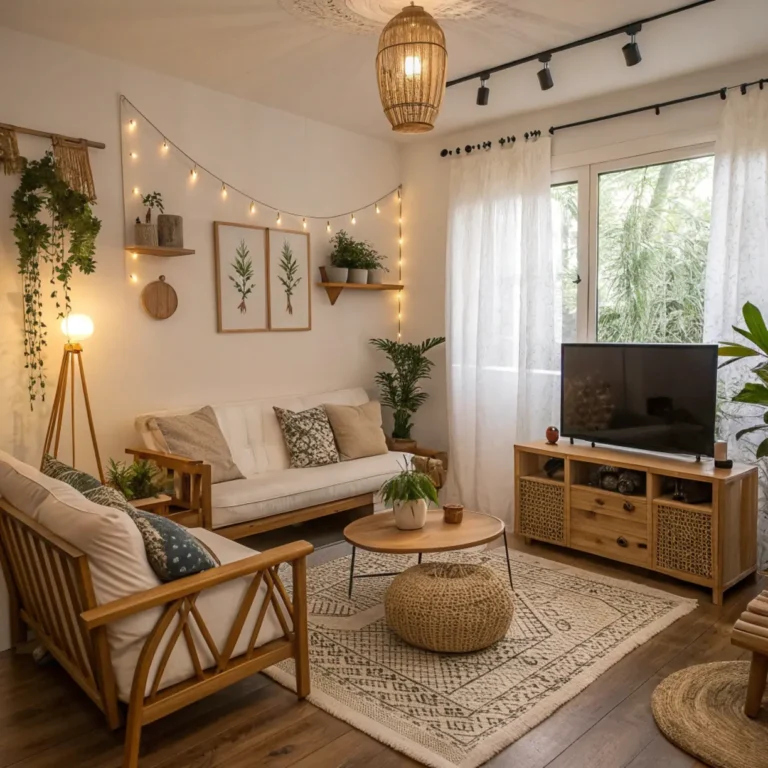
– Bohemian: Colorful, textured rugs with layered patterns and tassels
– Modern: Solid colors or simple geometric designs with clean lines
The rug style you choose should align with your existing furniture and color scheme. If your furniture is bold and colorful, consider a more neutral rug. Conversely, in minimalist rooms, a vibrant rug can serve as an eye-catching focal point. Think about your lifestyle too—homes with children and pets benefit from durable, easy-to-clean materials rather than delicate silk or high-pile options.
Essential Decor Tips
When shopping for rug sizes, consider these fundamental principles:
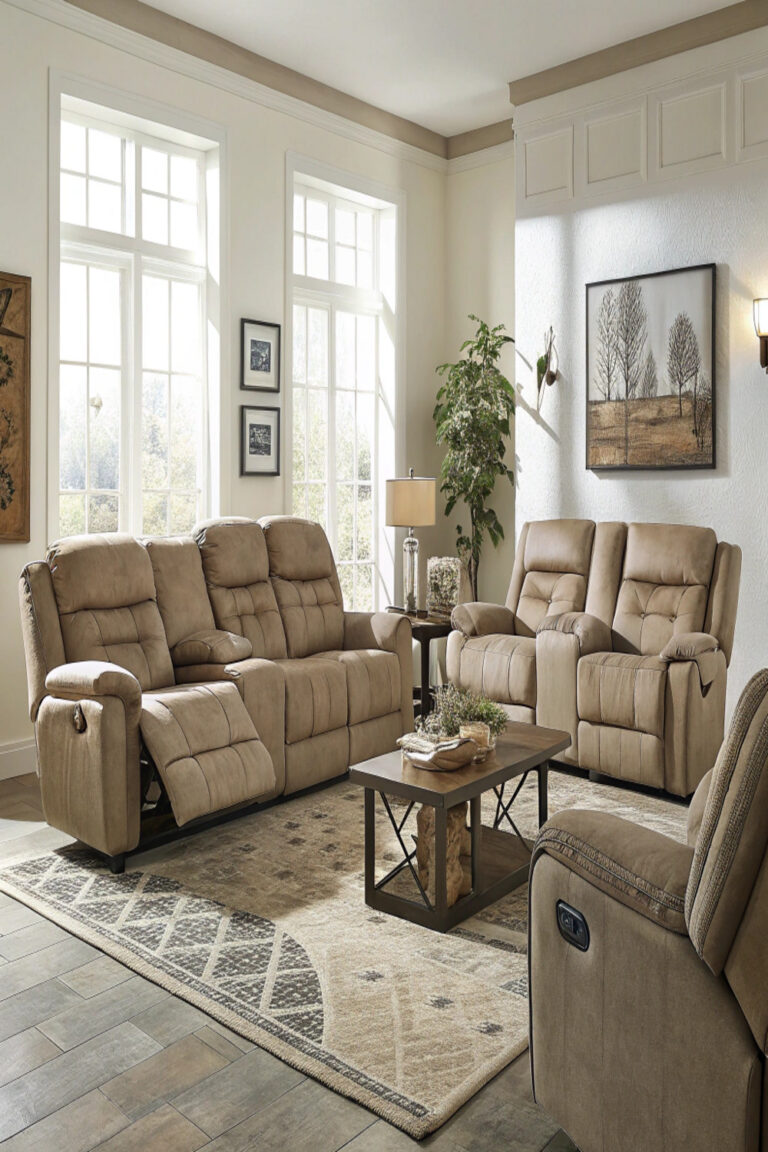
1. Size matters: For living rooms, your rug should be large enough for at least the front legs of all furniture to rest on it. In dining rooms, ensure the rug extends at least 24 inches beyond the table edge so chairs remain on the rug when pulled out.
2. Room proportion: The rug should fill the space appropriately—leaving 8-18 inches of floor visible around the edges in most rooms.
3. Create zones: Use rugs to define separate areas in open-concept spaces.
4. Layer thoughtfully: Smaller rugs can be layered over larger, neutral ones for added texture and interest.
5. Consider traffic patterns: Choose appropriate materials and pile heights for high-traffic areas.
Understanding standard rug dimensions helps narrow down your options. Common sizes include 5’×8′ (perfect for small seating areas), 8’×10′ (ideal for most living rooms), and 9’×12′ (great for larger spaces). Before purchasing, outline your desired rug size with painter’s tape on the floor to visualize how it will look in your space.
Budget-Friendly Decor Ideas
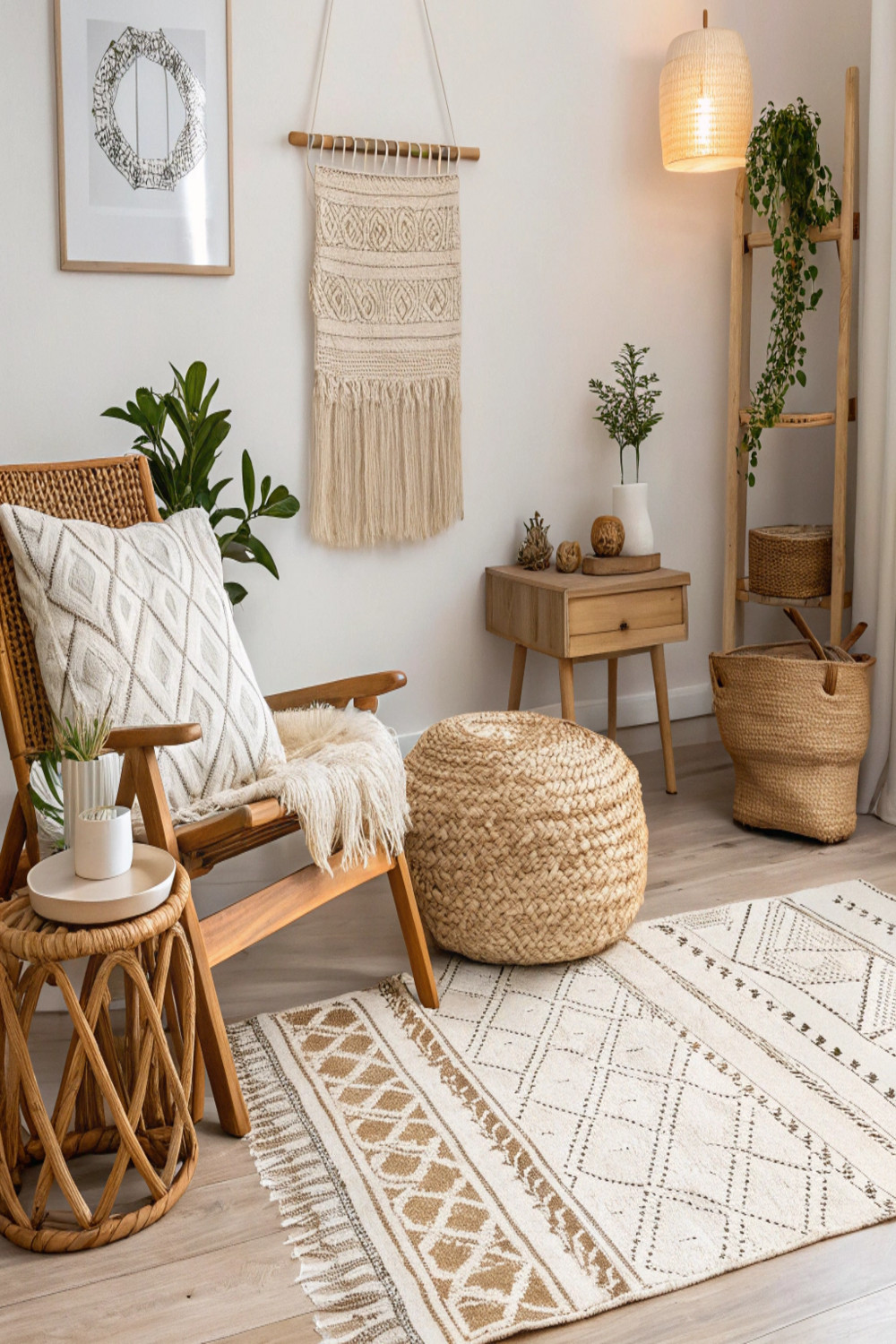
Beautiful rugs don’t have to break the bank. Consider these affordable alternatives:
– Seasonal sales: Many retailers offer significant discounts during holiday sales events
– Natural fiber options: Jute, sisal, and seagrass rugs are typically less expensive than wool or silk
– Remnants: Carpet stores often sell leftover pieces at steep discounts that can be bound into custom rugs
– Vintage shopping: Thrift stores and estate sales can yield unique, high-quality finds at fraction of retail prices
– DIY solutions: Consider painting a drop cloth or binding carpet tiles together for a custom look
Another budget-friendly approach is investing in a smaller, high-quality rug and layering it over an inexpensive larger rug made of natural fibers. This creates the visual impact of a large designer rug without the hefty price tag. Additionally, consider indoor/outdoor rugs which offer excellent durability and easy cleaning at lower price points.
Common Mistakes to Avoid
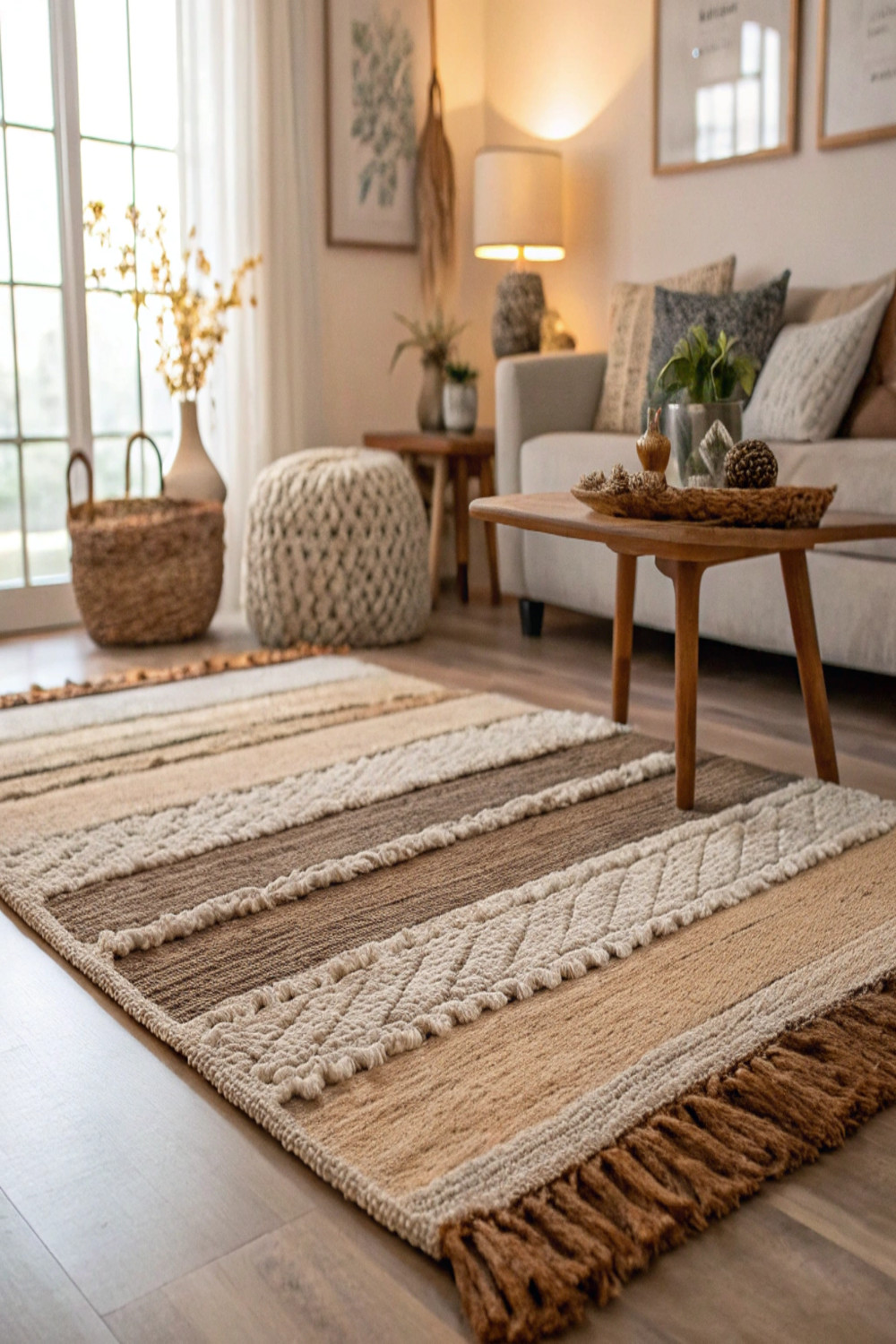
Even design enthusiasts make these common rug-related errors:
1. Choosing too-small rugs: This is the number one mistake—tiny “postage stamp” rugs make rooms feel disjointed and smaller
2. Ignoring room layout: Not considering furniture arrangement when selecting rug size and placement
3. Poor material selection: Choosing delicate materials for high-traffic areas or homes with pets and children
4. Neglecting rug pads: Skipping this essential underpinning that prevents slipping and extends rug life
5. Inappropriate patterns: Selecting busy patterns for small spaces or overly simple designs in large, empty rooms
6. Wrong orientation: Placing rectangular rugs perpendicular to the room’s longer walls
7. Ignoring maintenance requirements: Failing to consider cleaning and upkeep before purchase
Remember that rugs are both functional and decorative. They should enhance your space while standing up to your lifestyle demands. Invest time in research before making a purchase decision.
Lighting Tips for a Better Atmosphere
Strategic lighting works hand-in-hand with your rug choice to create the perfect atmosphere. Consider:
– Natural light: Position rugs to complement how sunlight moves through your space throughout the day
– Layered lighting: Combine ambient, task, and accent lighting to highlight your rug’s colors and textures
– Warm vs. cool light: Different bulb temperatures can dramatically change how your rug’s colors appear
– Statement fixtures: Pendant lights or chandeliers can draw the eye down to beautifully placed rugs
– Floor lamps: Position these to create pools of light that highlight specific rug areas
The right lighting can emphasize your rug’s best qualities while creating a cozy, inviting atmosphere. For rugs with intricate patterns or textural elements, consider directional lighting that creates subtle shadows to showcase these details.
Conclusion
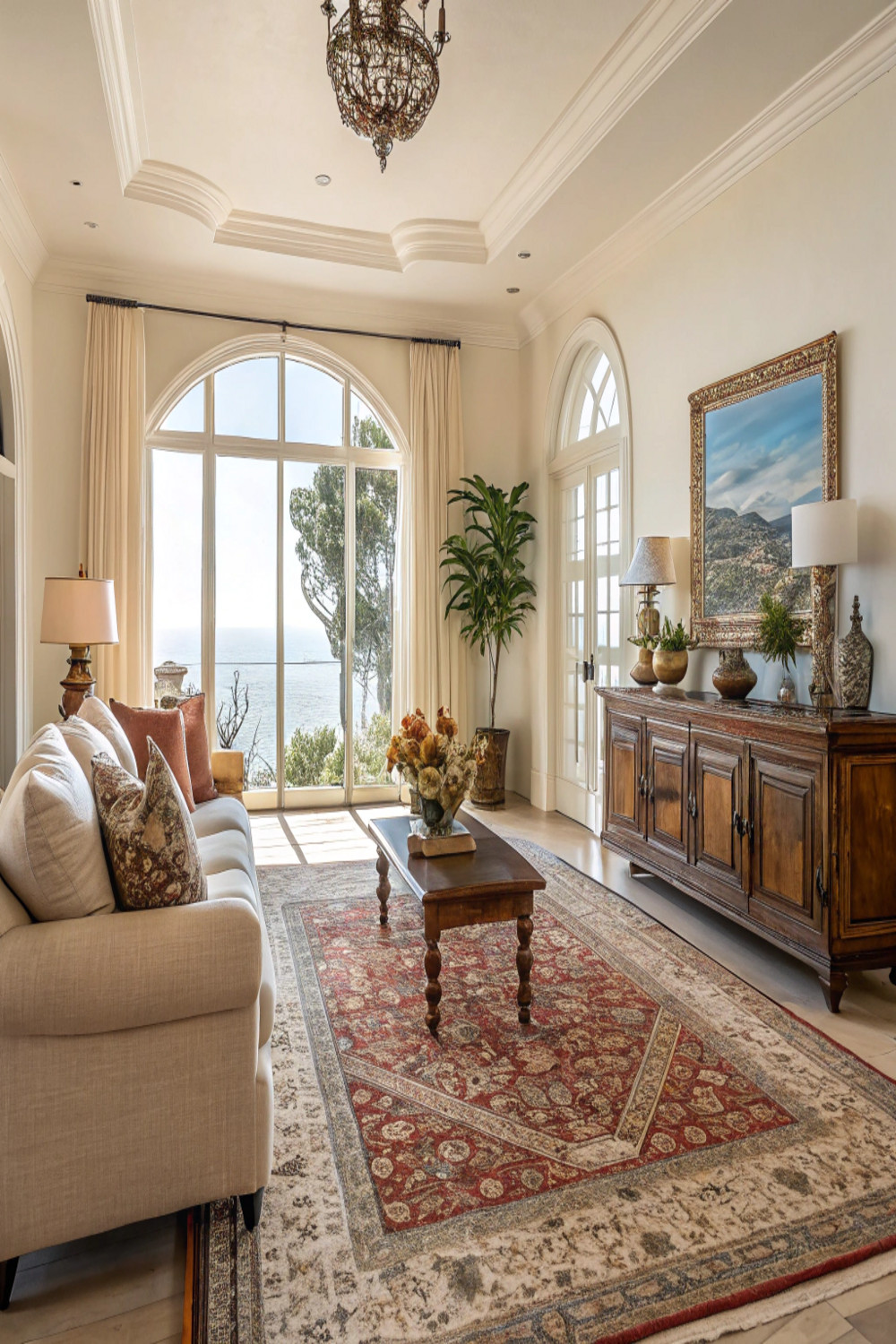
Selecting the perfect rug sizes for your home doesn’t have to be overwhelming. By understanding proper proportions, considering your decor style, and being mindful of standard rug dimensions, you can transform your spaces with this powerful design element. Remember that rugs do more than just protect your floors—they define spaces, add warmth and comfort, and serve as foundational pieces that tie your entire decor scheme together. Take your time with this important decision, and don’t be afraid to experiment with different options until you find the perfect fit. We’d love to hear about your rug selection journey—share your experiences in the comments or browse our related posts for more home decor inspiration!
FAQs
How much larger should a rug be than my dining table?
Your rug should extend at least 24-30 inches beyond each edge of the table. This ensures chairs remain on the rug even when pulled out, preventing trip hazards and protecting your floors.
What size rug works best for a king-sized bed?
For a king bed, opt for a 9’×12′ rug positioned horizontally. This allows for 2-3 feet of rug to extend beyond each side and foot of the bed, creating a luxurious feel when you step out of bed.
Should rugs in adjacent rooms match?
Adjacent room rugs don’t need to match exactly, but they should coordinate in style, color palette, or pattern to maintain visual flow. Consider using rugs from the same collection in different sizes or complementary designs.
How do I choose the right rug for an oddly shaped room?
For unusual room layouts, consider custom-cut rugs, multiple smaller rugs to define different areas, or round/oval shapes that can soften awkward angles and create better flow.
How can I prevent my rug from shedding?
New wool rugs typically shed for 2-3 months. Vacuum regularly with the beater bar turned off, using suction only. For excessive shedding, professional cleaning can help remove loose fibers more quickly.