How to Choose 7 Stunning Living Room Paint Colors
Selecting the perfect living room paint colors can completely transform your space from ordinary to extraordinary. As the heart of your home, your living room deserves thoughtful consideration when it comes to color choices. Many homeowners struggle with selecting colors that reflect their personality while creating a welcoming atmosphere for guests. Finding the right balance between trendy shades and neutral living room paint colors can be challenging, but with the right guidance, you can create a space that feels both current and timeless. Let’s explore practical tips to help you navigate the colorful world of living room design with confidence.
Table of Contents
Understanding the Best Decor Style
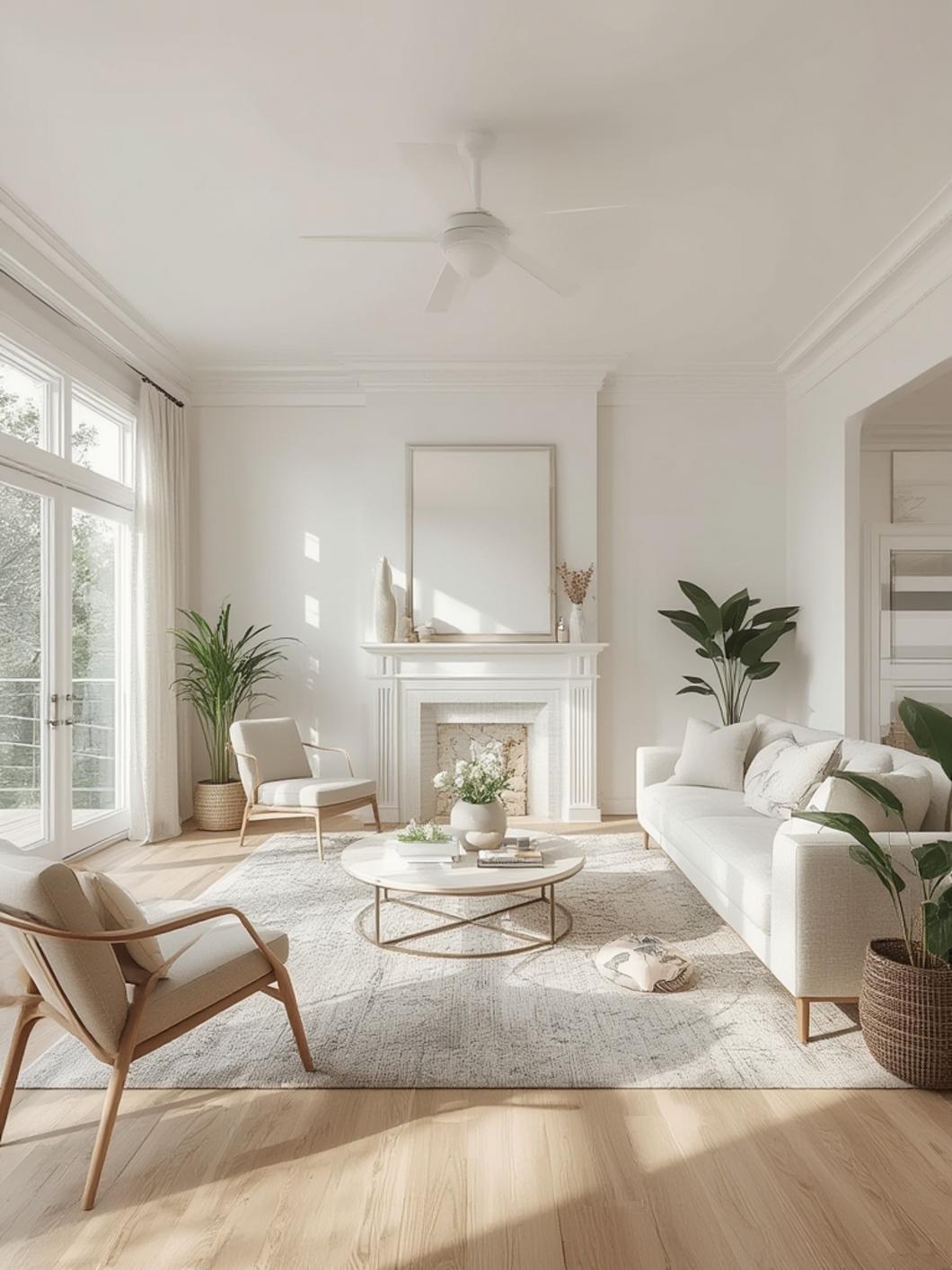
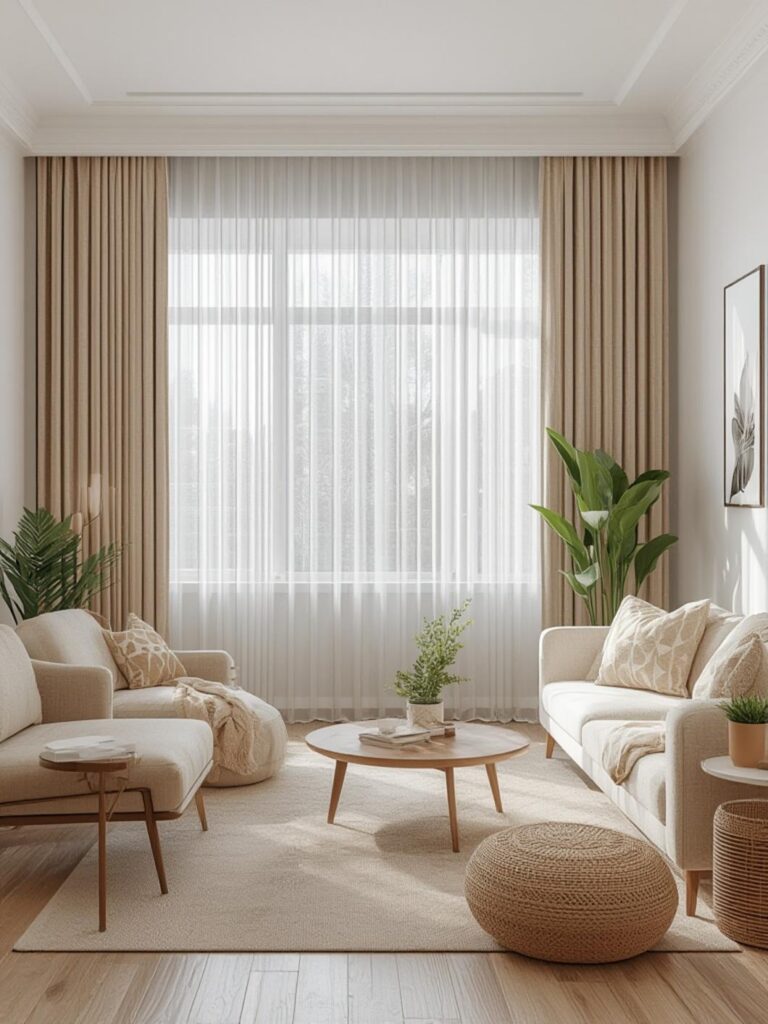
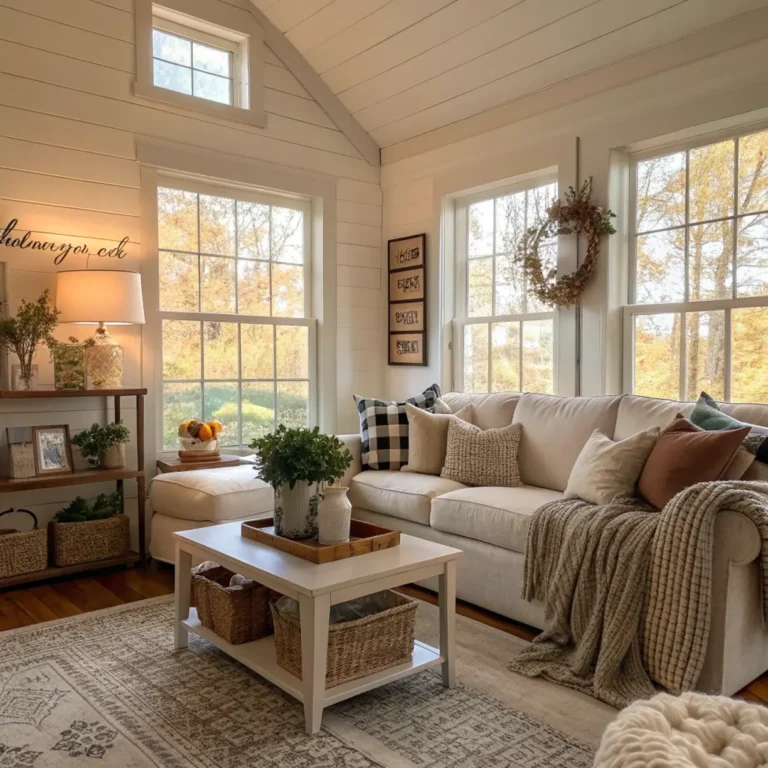
The right decor style serves as your foundation when selecting paint colors. Each style has its distinct color palette that enhances both aesthetics and functionality. For modern minimalist spaces, consider crisp whites, soft grays, and muted tones that create a clean backdrop for statement furniture. Farmhouse styles thrive with warm neutrals like beige and cream, while bohemian spaces come alive with rich earthy tones and unexpected pops of color.
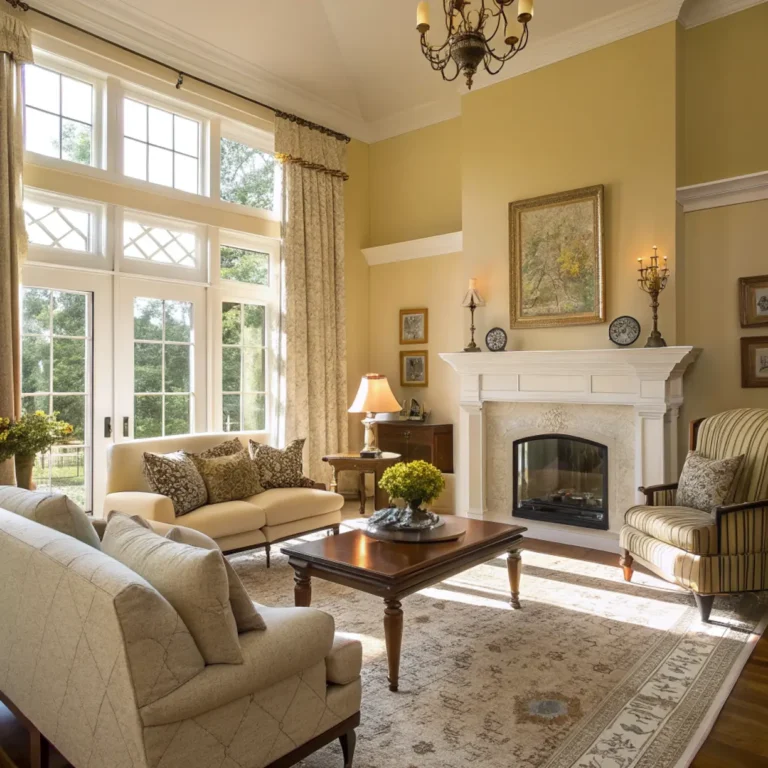
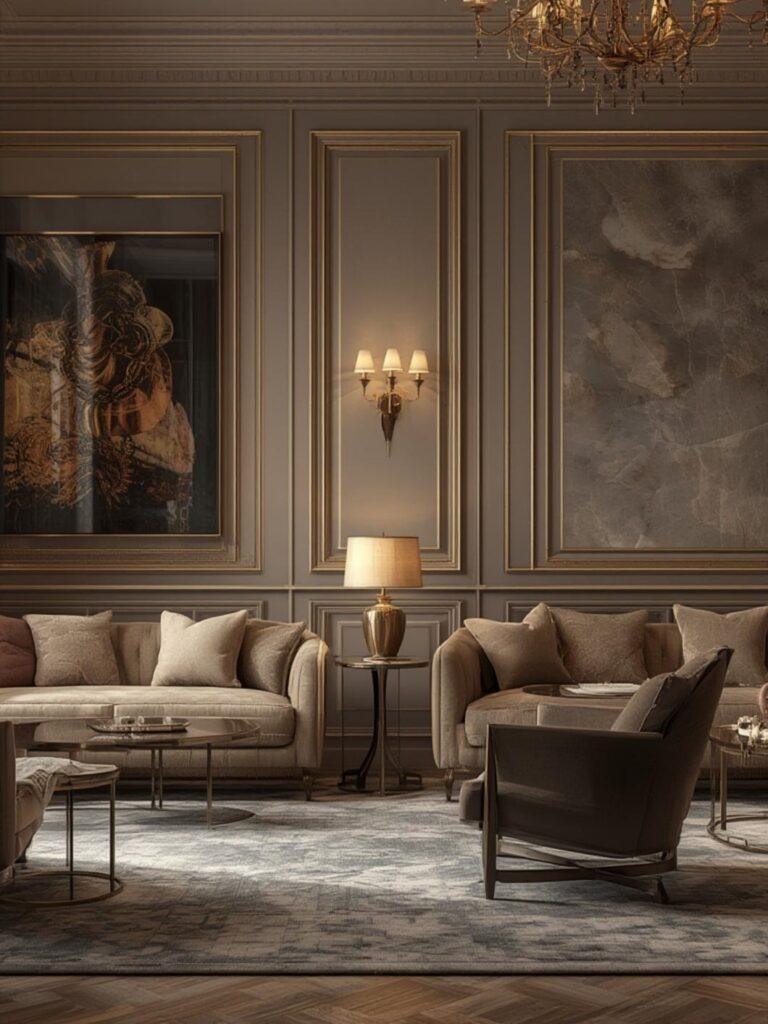
When choosing your style, consider your space’s architecture, natural lighting, and how you use the room. A north-facing living room might benefit from warmer tones to counterbalance cool light, while south-facing rooms can handle cooler hues. Remember that your paint color should complement your lifestyle—families with young children might prefer washable finishes in forgiving shades, while design enthusiasts might embrace more dramatic color choices that showcase their personality.
Essential Decor Tips
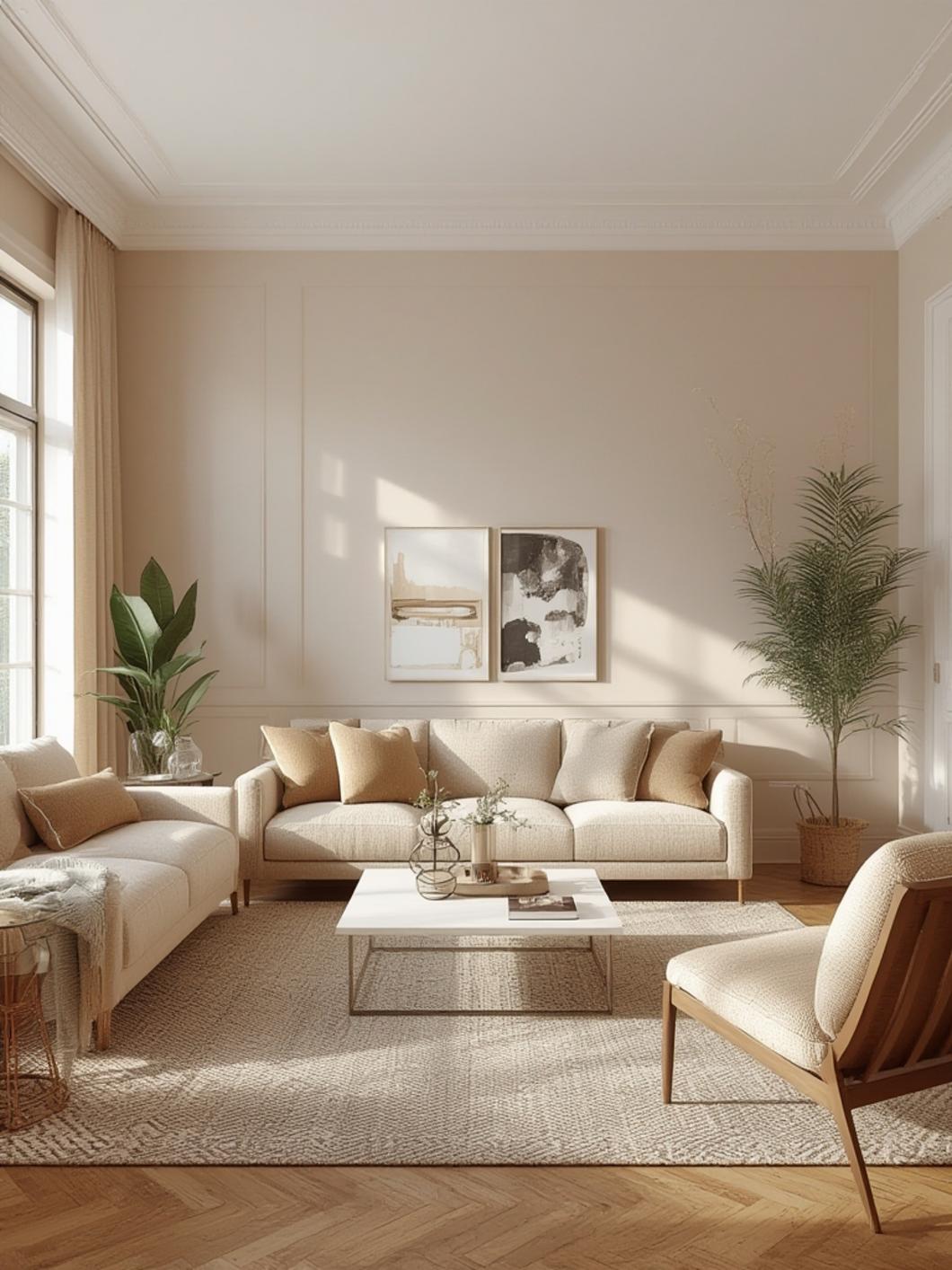
When working with living room paint colors, consider these fundamental principles for success:
1. Test before committing: Paint large swatches (at least 2×2 feet) on multiple walls and observe them throughout the day as lighting changes.
2. Follow the 60-30-10 rule: Use your primary color for 60% of the room (walls), a secondary color for 30% (furniture), and an accent color for 10% (accessories).
3. Consider the ceiling: Don’t forget the “fifth wall”—a white ceiling brightens a room, while a colored ceiling can add dimension.
4. Create flow: Ensure your living room colors harmonize with adjoining spaces for a cohesive home experience.
5. Think about permanence: Neutral living room paint colors offer versatility with changing decor, while bold colors make a statement but may require more frequent updates as trends change.
Remember that paint can visually alter your space—light colors expand, dark colors contract, and horizontal stripes widen while vertical stripes heighten. Use these optical illusions strategically to address architectural challenges.
Budget-Friendly Decor Ideas
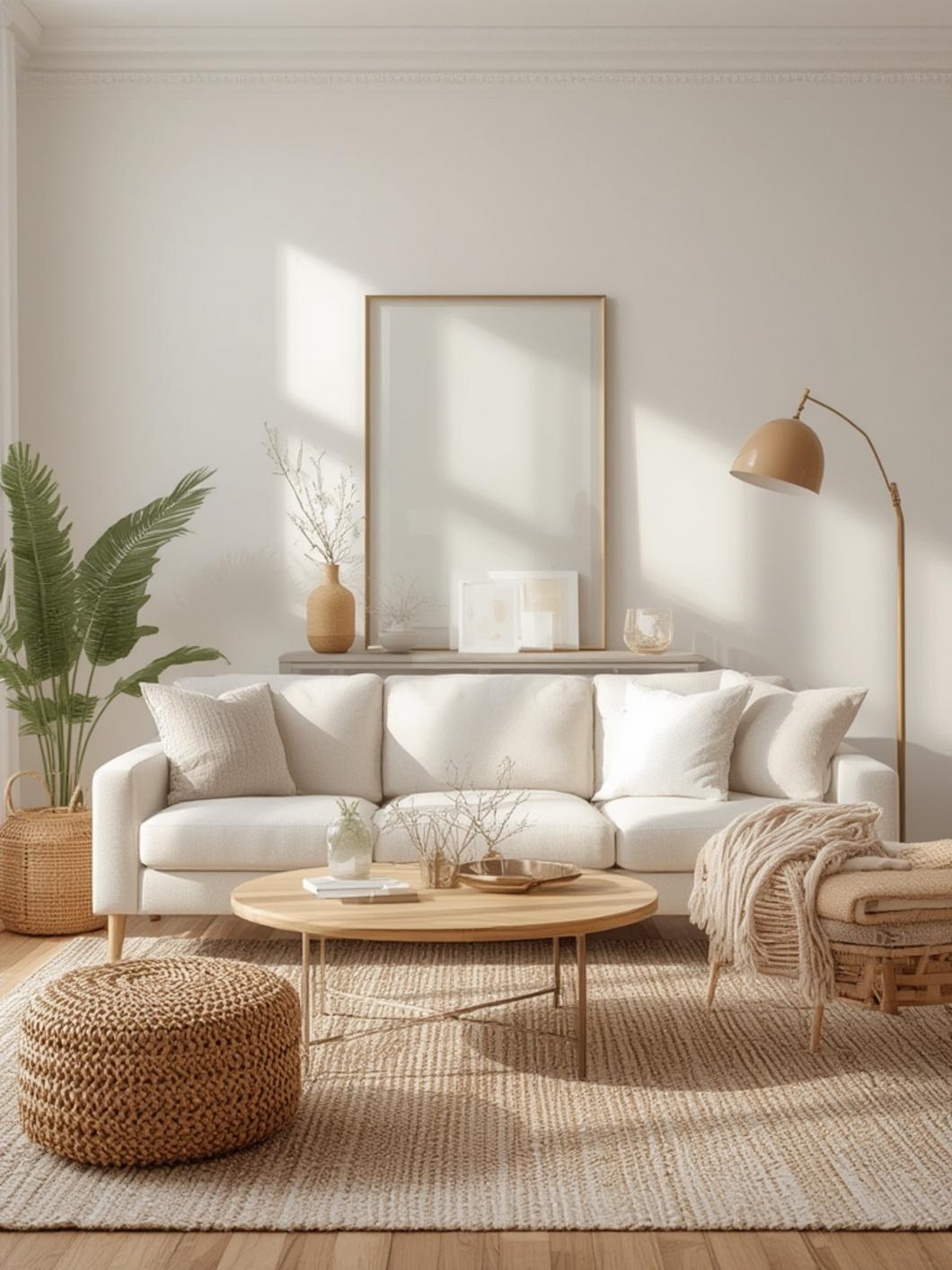
Transforming your living room doesn’t require breaking the bank. Consider these affordable approaches:
- Paint an accent wall: Create visual interest by painting just one wall in a bold color while keeping the others neutral.
- DIY color blocking: Use painter’s tape to create geometric patterns that add designer flair without expensive wallpaper.
- Upcycle with paint: Refresh tired furniture with quality paint for a fraction of replacement costs.
- Shop the sales: Purchase quality paint during seasonal sales and store properly for future touch-ups.
- Sample pots: Use small paint samples for creative projects like painted picture frames or decorative boxes that tie into your color scheme.
Many premium paint brands now offer more affordable lines with comparable quality. Additionally, proper preparation (cleaning, priming, and using quality tools) ensures better coverage with less paint, saving money long-term.
Common Mistakes to Avoid
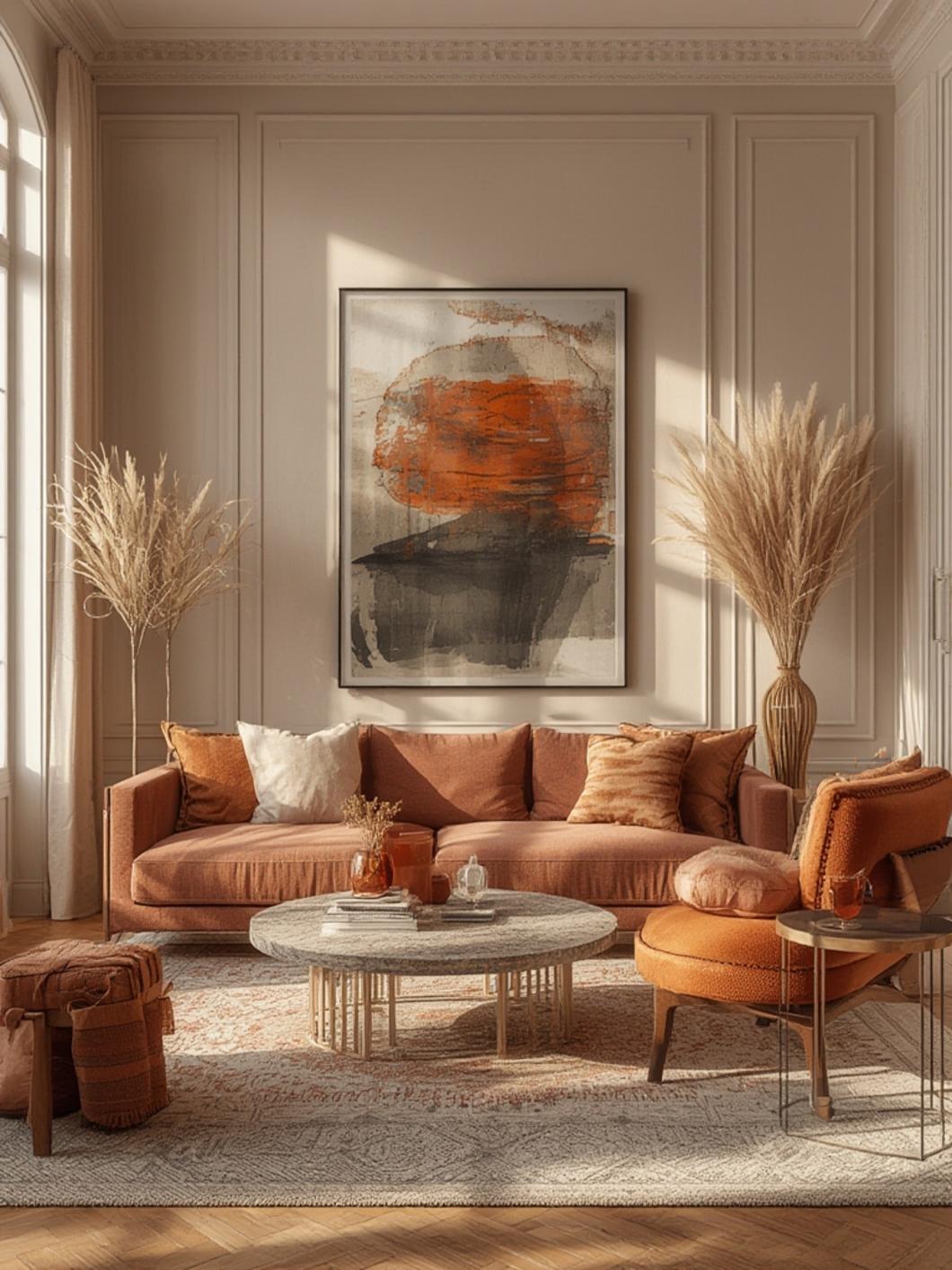
Even experienced decorators sometimes fall into these color traps:
- Choosing colors from tiny swatches: Colors look dramatically different on a small chip versus a large wall.
- Ignoring lighting conditions: The same color can appear entirely different in natural versus artificial light.
- Selecting colors in isolation: Paint should complement existing furnishings, flooring, and architectural features.
- Following trends blindly: Trendy colors like ultra-violet or coral may look dated quickly compared to timeless options.
- Rushing the decision: Living with sample colors for at least a week helps ensure you’ll be happy with your choice long-term.
- Overlooking undertones: Every color has undertones (hidden hues) that can clash with other elements in your room if not carefully considered.
Lighting Tips for a Better Atmosphere
Lighting and paint color have a symbiotic relationship in creating your living room’s atmosphere. Natural daylight reveals a color’s truest form, while incandescent lighting brings out warm tones and fluorescent lighting enhances cool tones. For maximum flexibility, consider:
- Installing dimmer switches to adjust light intensity based on time of day and activities
- Layering lighting with ambient (general), task (reading), and accent (highlighting) sources
- Using warm-toned LED bulbs (2700-3000K) to create an inviting atmosphere
- Positioning mirrors strategically to reflect light and make colors appear more vibrant
- Considering how window treatments filter natural light, which can significantly alter how paint colors appear throughout the day
Remember that glossier paint finishes reflect more light, while matte finishes absorb it, affecting both the appearance of your color choice and the room’s overall brightness.
Conclusion
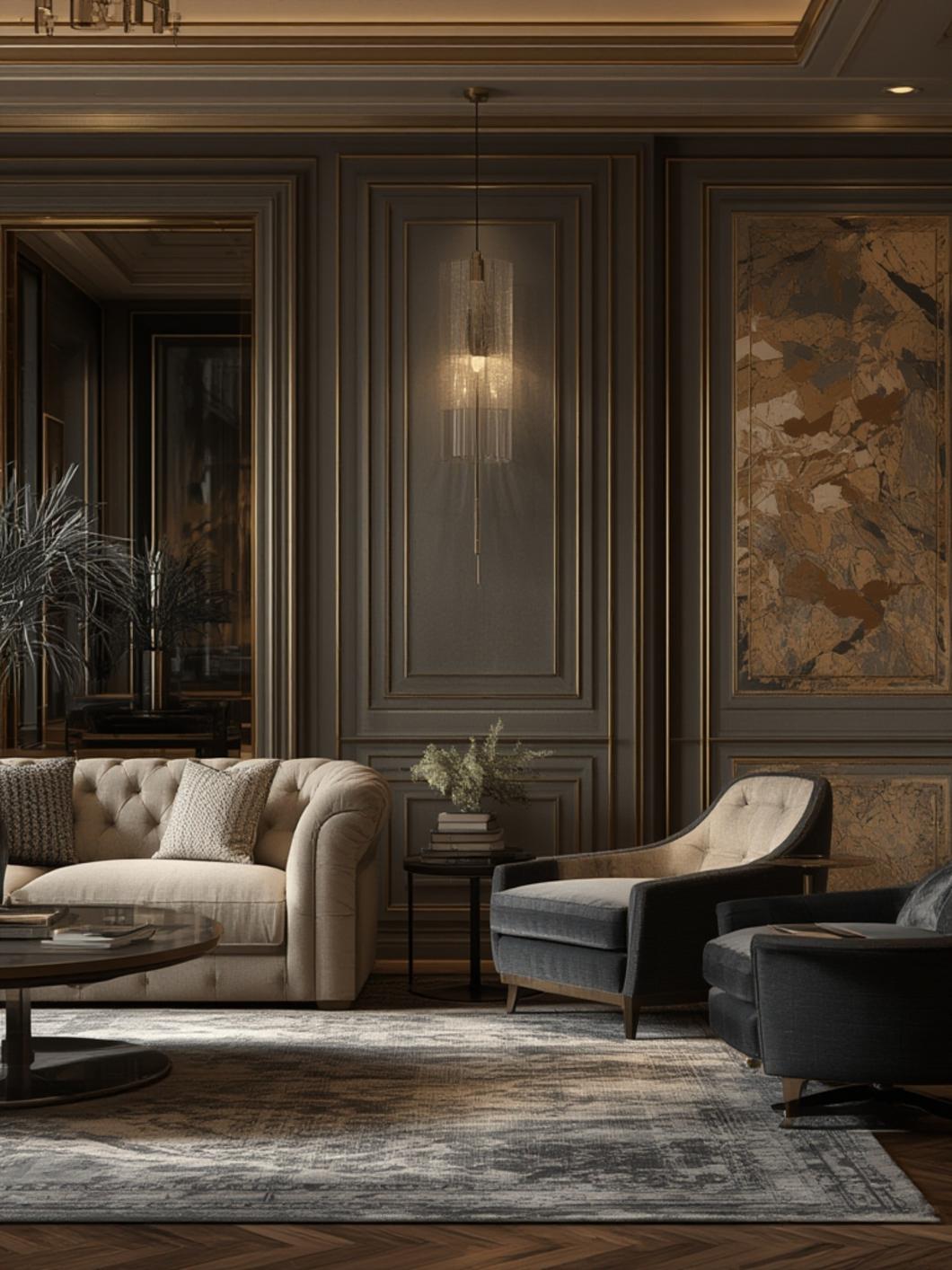
Selecting the perfect living room paint colors is both an art and a science—balancing personal preference with design principles to create a space you’ll love for years. Whether you prefer bold statement hues or neutral living room paint colors, the key is thoughtful consideration of your space, lifestyle, and existing elements. Take your time with this important decision, test colors thoroughly, and don’t be afraid to seek professional advice if you feel overwhelmed. Your living room is where life happens—make it a canvas that tells your unique story while creating the perfect backdrop for meaningful moments with family and friends. What color transformation will you create in your living space?
FAQs
How do I choose paint colors that won’t go out of style quickly?
Focus on timeless neutrals for larger surfaces and incorporate trendy colors through accessories and accent pieces that are easier to replace. Classic neutrals like greige (gray-beige), soft whites, and muted blues have proven staying power.
What paint finishes work best in living rooms?
Eggshell and satin finishes strike an ideal balance for living rooms—they’re durable enough for cleaning while providing a subtle sheen that adds dimension without highlighting wall imperfections. Reserve flat finishes for ceilings and high-gloss for trim.
How can I make my small living room feel larger with paint?
Use light colors (particularly cool-toned ones) to create depth and paint trim the same color as walls to eliminate visual boundaries. Consider painting the ceiling a lighter version of your wall color to draw the eye upward.
Should my living room paint color match my furniture?
Rather than matching exactly, aim for harmony. Choose paint colors that complement your largest furniture pieces. If you have bold furniture, consider more neutral walls, while neutral furniture allows for more adventurous wall colors.
How many paint colors should I use in my living room?
For a cohesive look, limit your palette to 3-5 colors including walls, trim, and accent colors. This creates enough interest without overwhelming the space. The larger the room, the more color variation it can handle.