How to Choose 7 Types Ceiling Lights for Your Home
Introduction
Have you ever walked into a room and immediately noticed how the lighting completely transformed the space? The right types ceiling lights can elevate your home’s ambiance, highlight architectural features, and create the perfect mood for any occasion. Many homeowners struggle with selecting appropriate ceiling light fixtures that complement their decor while providing adequate illumination. Whether you’re building a new home or renovating an existing space, understanding the various types of ceiling lights and how they function is essential for creating a well-lit, harmonious environment that reflects your personal style.
Understanding the Best Decor Style
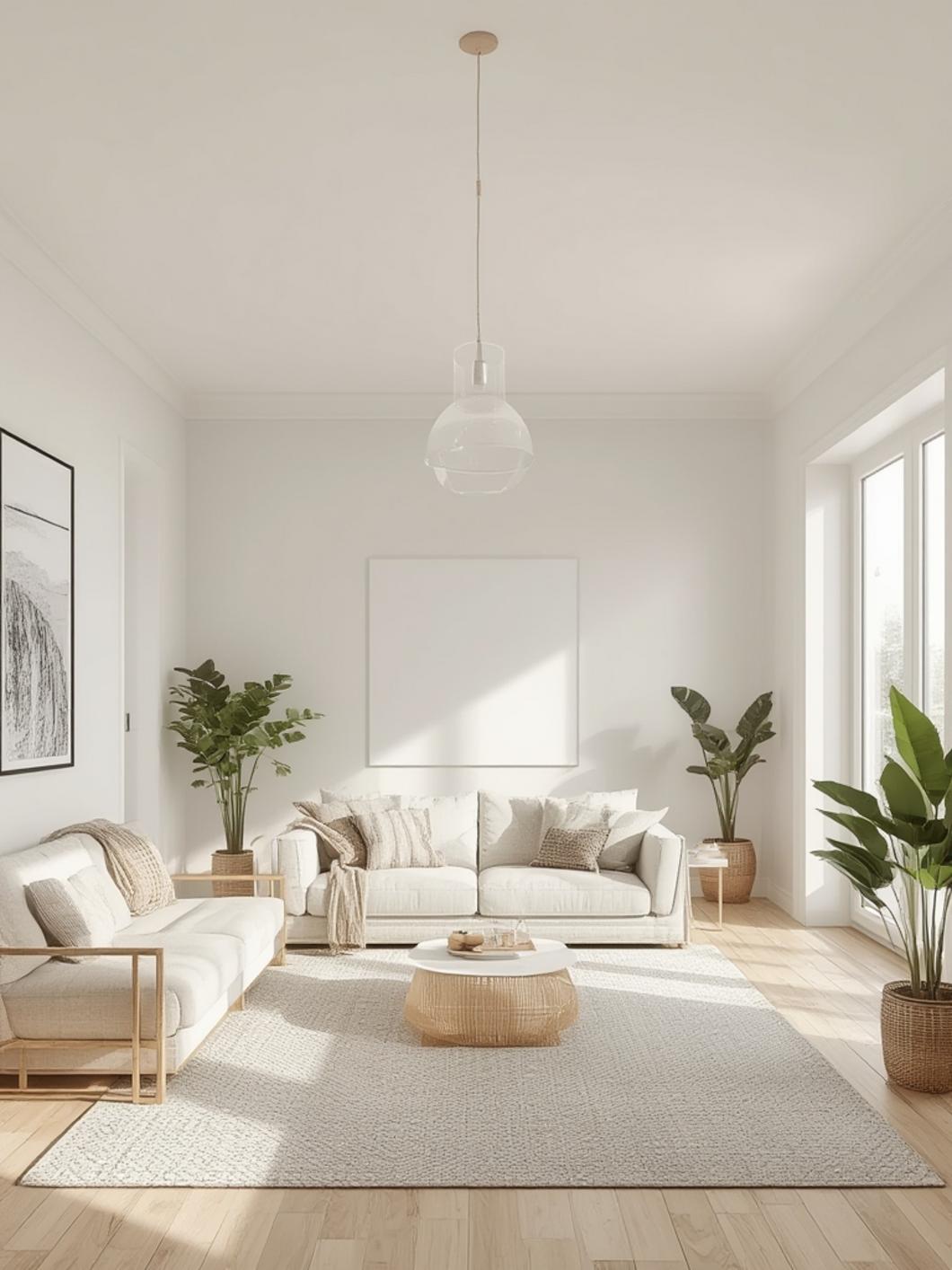
Selecting the right ceiling lighting style does more than illuminate—it defines your space’s character and enhances its architectural features. Each lighting style serves different purposes and creates distinct atmospheres:
- Modern/Contemporary: Clean lines, minimalist designs, and often featuring metal finishes and geometric shapes
- Traditional: Classic styles with ornate details, often featuring crystal, brass, or bronze elements
- Industrial: Raw, unfinished looks with exposed bulbs, metal fixtures, and vintage inspiration
- Farmhouse/Rustic: Warm, homey designs incorporating wood, wrought iron, and distressed finishes
- Scandinavian: Simple, functional designs with light woods and white finishes
When choosing your style, consider your home’s existing decor, ceiling height, room size, and the primary function of the space. A formal dining room might benefit from an elegant chandelier, while a kitchen may require bright, task-oriented flush mounts or recessed lighting.
Essential Decor Tips
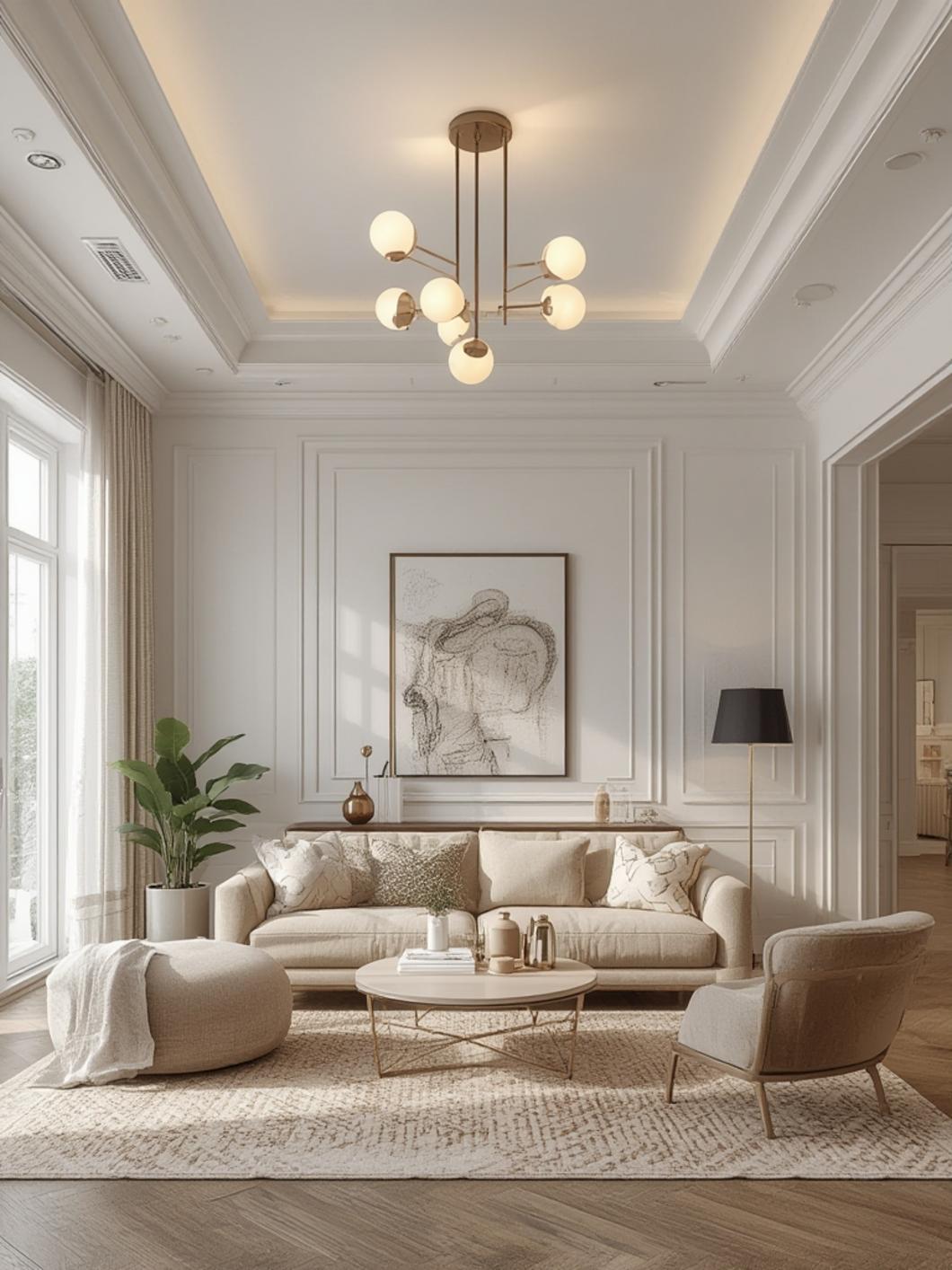
Mastering these essential tips will help you select the perfect types ceiling lights for each space in your home:
- Scale appropriately: For dining areas, choose fixtures with diameters roughly 1/2 to 2/3 the width of your table. In bedrooms, ensure ceiling lights are proportional to the bed size.
Consider ceiling height: For ceilings under 8 feet, choose flush or semi-flush mounts. For higher ceilings, pendant lights, chandeliers, or recessed ceiling light fixtures work beautifully.
- Layer your lighting: Combine ambient (general), task (functional), and accent (decorative) lighting for a well-balanced space.
- Control systems: Install dimmer switches to adjust light intensity based on time of day and activities.
- Color temperature: Choose warmer lights (2700-3000K) for relaxing spaces and cooler lights (3500-4000K) for task-oriented areas.
Remember to position fixtures correctly—hanging pendant lights 30-36 inches above countertops and 72 inches above the floor in walkways ensures proper illumination without obstruction.
Budget-Friendly Decor Ideas
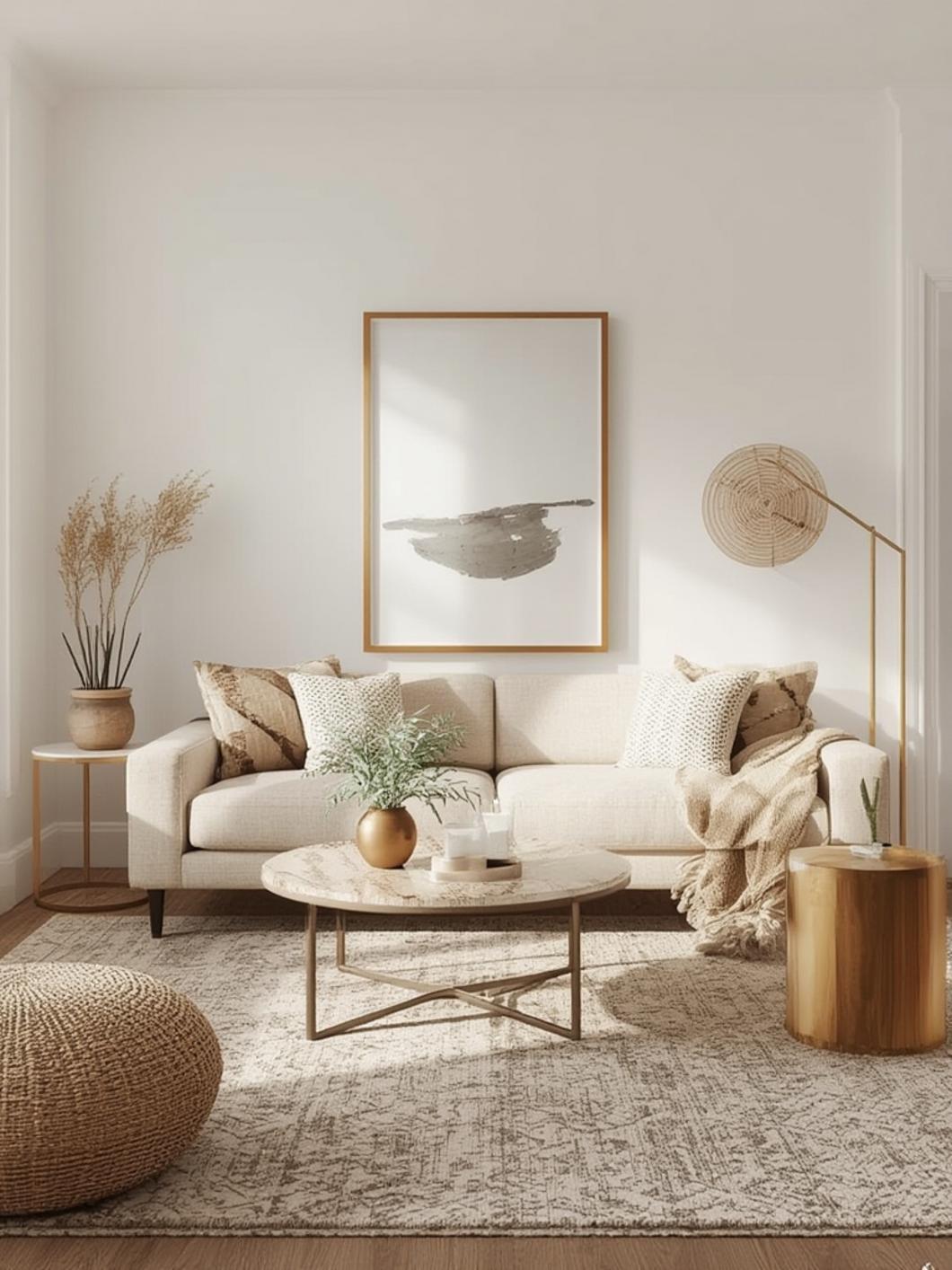
Upgrading your ceiling lighting doesn’t have to break the bank. Try these cost-effective approaches:
- Refresh existing fixtures: Update old fixtures with spray paint in trending metallic finishes like brushed gold, matte black, or copper.
- Swap lampshades: Replace dated shades with modern alternatives to transform the look of semi-flush mounts.
- DIY pendant lights: Create custom pendant lights using affordable materials like baskets, glass jars, or repurposed items.
- Shop smart: Check clearance sections, thrift stores, and online marketplaces for discounted fixtures.
- Upgrade bulbs: Switch to energy-efficient LED bulbs that save money long-term while providing better light quality.
- Incremental changes: Focus on high-impact rooms first, like entryways and dining areas, before updating secondary spaces.
The most cost-effective approach is often to select versatile, timeless styles that won’t need frequent replacement as trends change.
Common Mistakes to Avoid
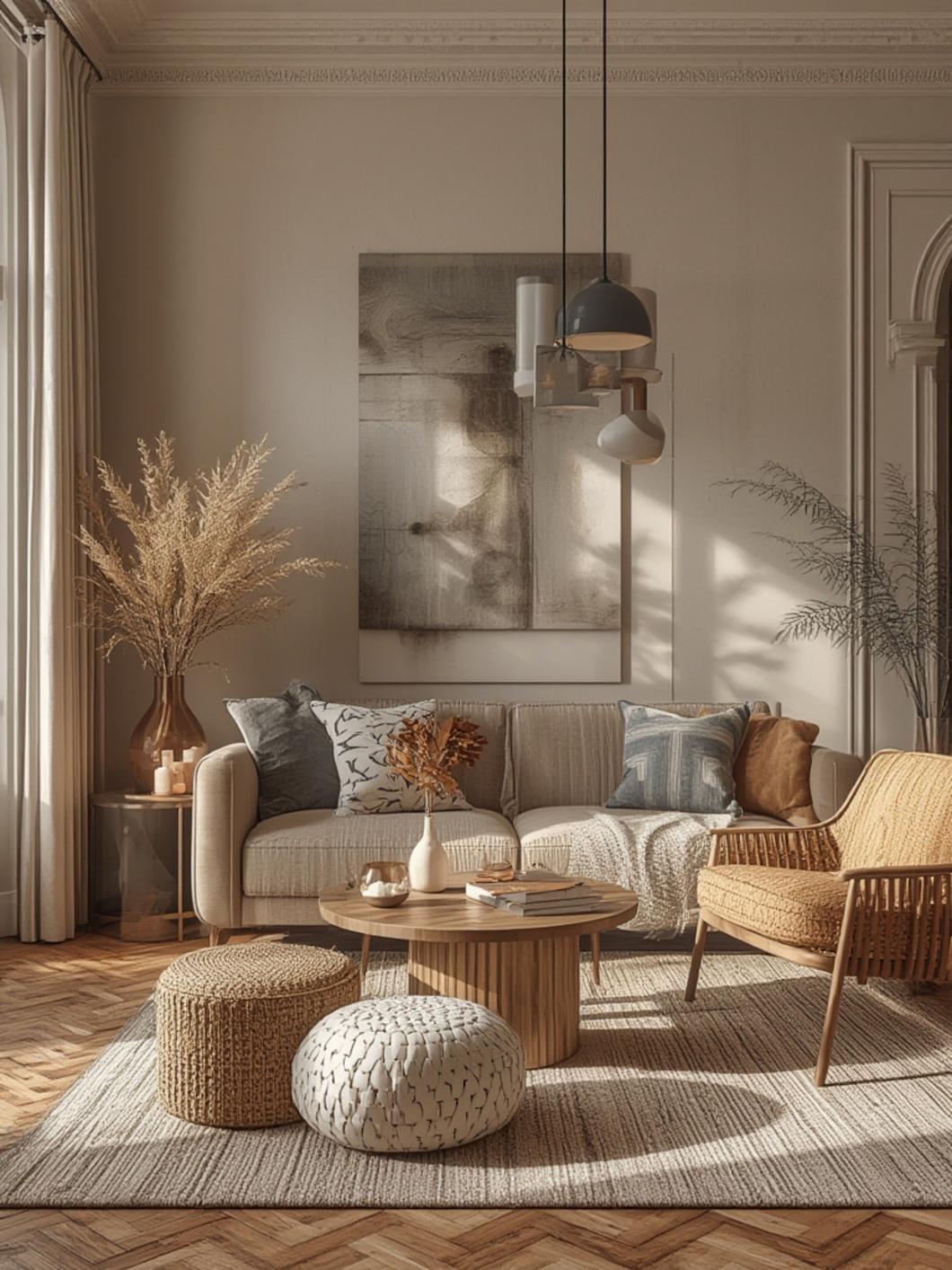
Even design enthusiasts make these common ceiling lighting errors:
- Inappropriate sizing: Selecting fixtures too small or large for the space creates visual imbalance.
- Insufficient lighting: Relying on a single central fixture when multiple light sources are needed.
- Poor positioning: Installing pendants too high or low above surfaces or in walking paths.
- Neglecting function: Choosing decorative fixtures that don’t provide adequate illumination for the room’s purpose.
- Inconsistent styling: Selecting fixtures that clash with the room’s overall design aesthetic.
- Ignoring ceiling height: Using hanging fixtures in rooms with low ceilings, making the space feel cramped.
- Forgetting maintenance: Choosing elaborate fixtures that are difficult to clean or require specialized bulbs.
The most crucial mistake is overlooking the importance of professional installation, especially when dealing with electrical components and weight-bearing requirements.
Lighting Tips for a Better Atmosphere
The right lighting transforms mood and functionality in every room:
- Natural light integration: Position ceiling lights to complement, not compete with, natural light sources.
- Layered lighting approach: Combine recessed lights for ambient illumination, pendants for task lighting, and accent fixtures for visual interest.
- Color temperature control: Install smart bulbs or systems that adjust from energizing daylight tones (5000K) in mornings to relaxing warm white (2700K) in evenings.
- Texture and shadow play: Use directional fixtures to create interesting shadow patterns and highlight architectural features.
- Zoning with light: Define different functional areas within open-concept spaces using distinct lighting styles.
Consider how lighting needs change throughout the day and with seasonal variations in natural light. The most effective lighting plans include flexibility to adapt to different scenarios.
Conclusion
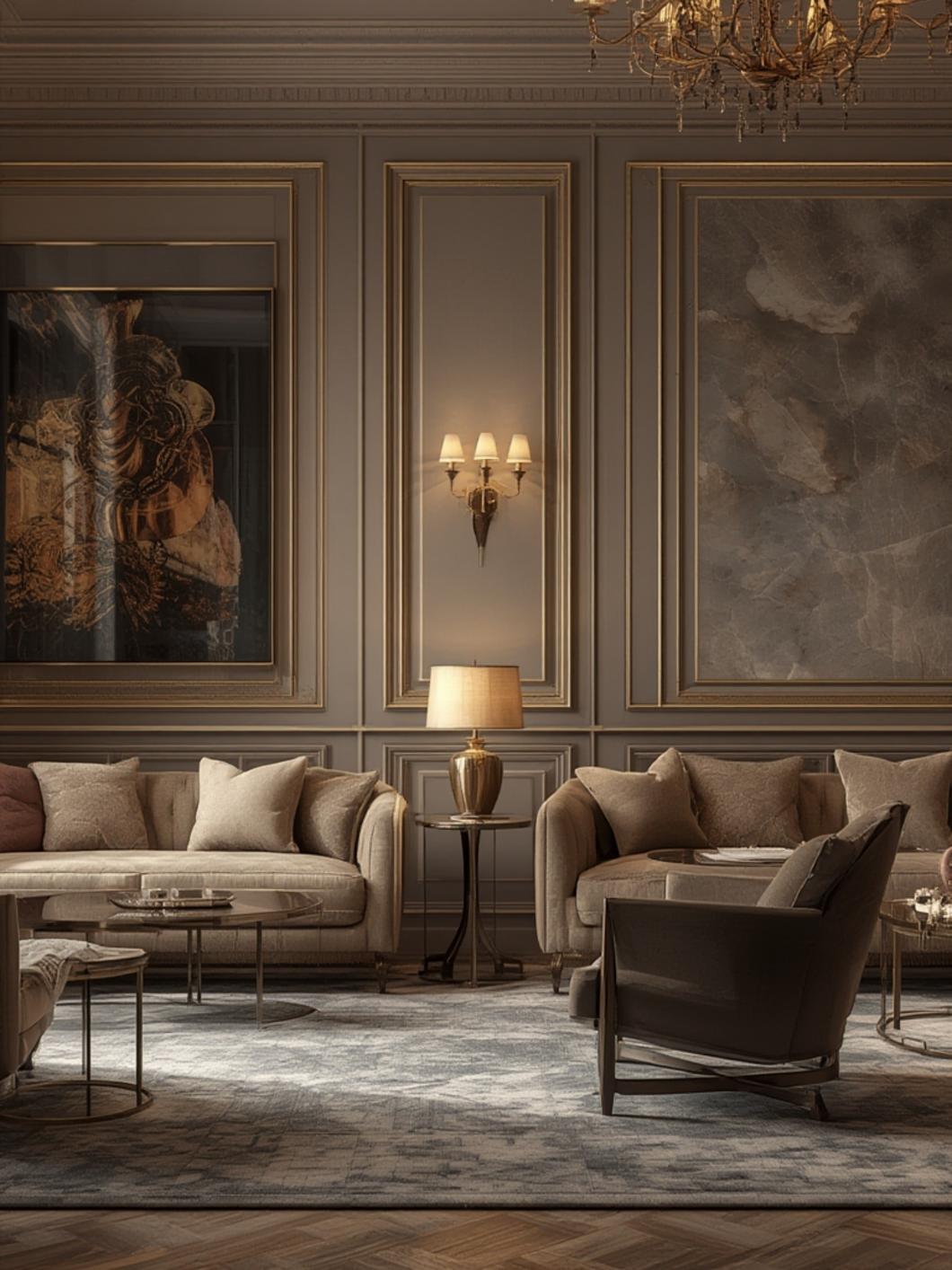
Selecting the right types ceiling lights is a crucial element in creating a well-designed, functional home that reflects your personal style. By understanding different lighting styles, following proper sizing guidelines, and avoiding common pitfalls, you can transform your spaces with beautifully selected ceiling light fixtures. Remember to consider both form and function, balancing aesthetic appeal with practical lighting needs for each unique area. We encourage you to evaluate your current lighting situation and implement these tips to create spaces that feel welcoming, properly illuminated, and perfectly styled. Share your lighting transformation stories in the comments or browse our related articles for more home decor inspiration!
FAQs
How high should I hang my pendant lights above a kitchen island?
Pendant lights should hang 30-36 inches above your kitchen island surface. This provides optimal task lighting while maintaining clear sightlines and preventing glare. For higher ceilings, you can increase this height slightly.
What type of ceiling light works best for low ceilings?
For ceilings under 8 feet, choose flush mounts or semi-flush mounts that sit close to the ceiling. Recessed lighting is also an excellent option as it doesn’t protrude into the room, making the space feel more open.
How do I determine the right size chandelier for my dining room?
For dining rooms, add the length and width of the room in feet. The result in inches is the ideal diameter for your chandelier. For example, a 12′ × 14′ room would suit a 26-inch diameter chandelier.
Can I install ceiling lights myself or should I hire an electrician?
Simple fixture replacements (where wiring already exists) can be DIY projects if you’re comfortable working with electricity and follow safety protocols. However, new installations, relocating fixtures, or adding support for heavy chandeliers should be handled by a licensed electrician.
What’s the difference between warm white and cool white lighting?
Warm white (2700-3000K) creates a cozy, yellowish light ideal for living rooms and bedrooms. Cool white (3500-4100K) produces a crisp, bluish-white light better suited for kitchens, bathrooms, and work areas where task visibility is important.
How can I make my ceiling appear higher with lighting?
Use uplighting fixtures that direct light toward the ceiling, creating an illusion of height. Wall sconces and torchiere floor lamps work well. Avoid hanging fixtures that draw the eye downward, and consider recessed lighting or flush mounts that don’t intrude into the space.