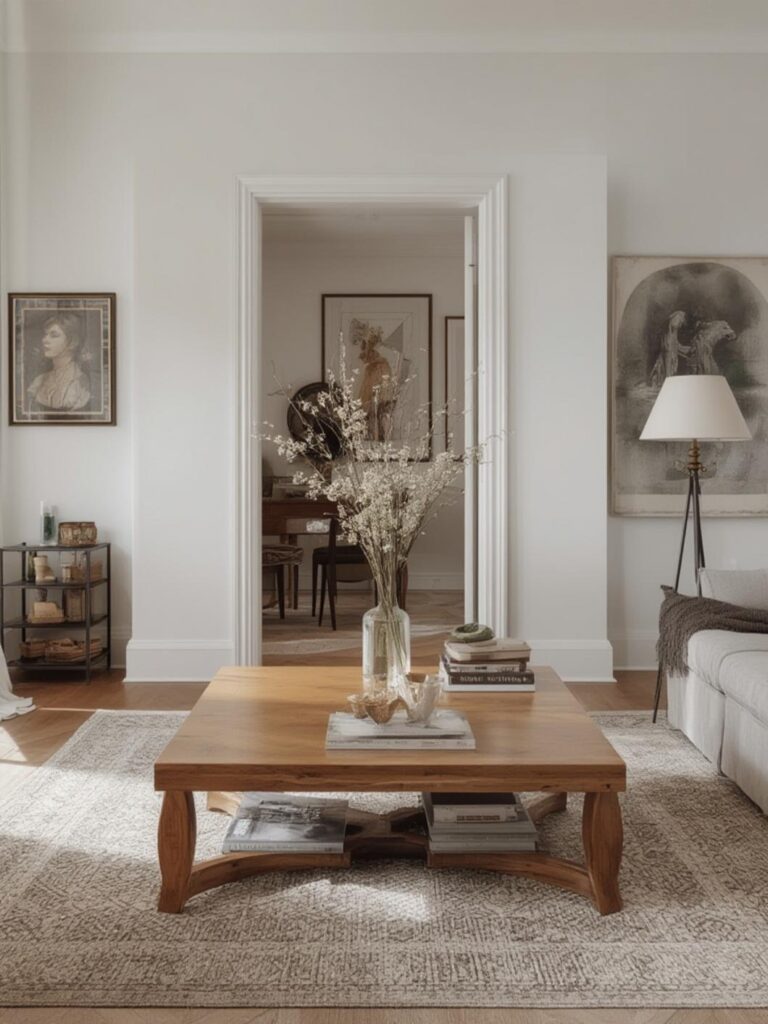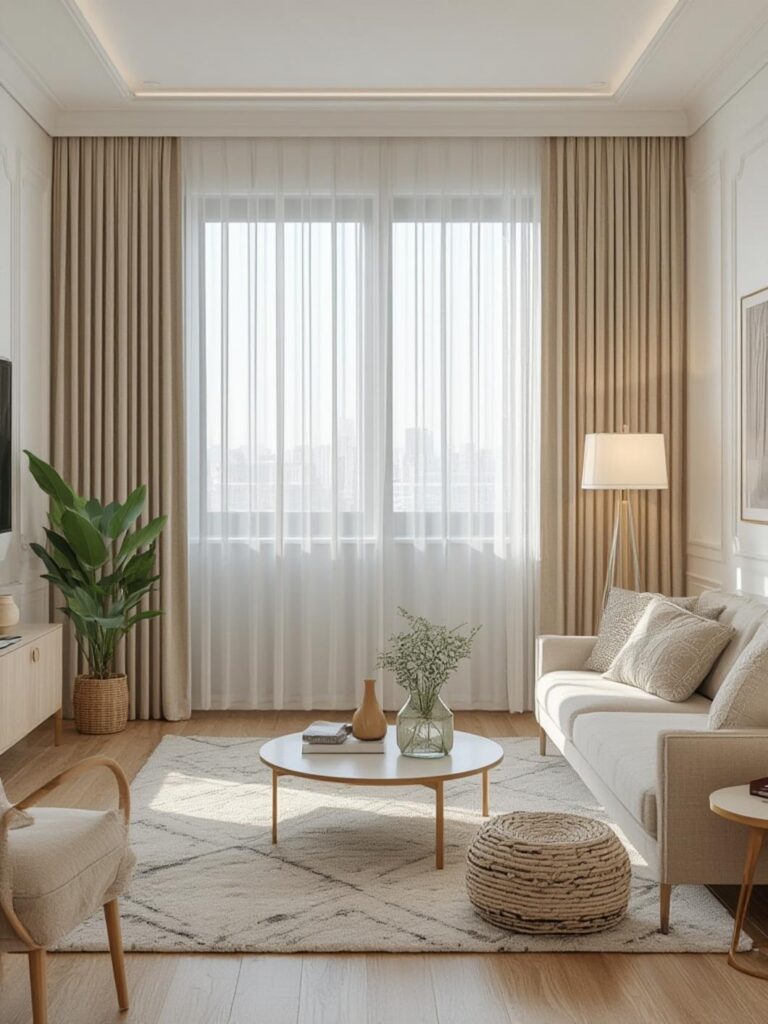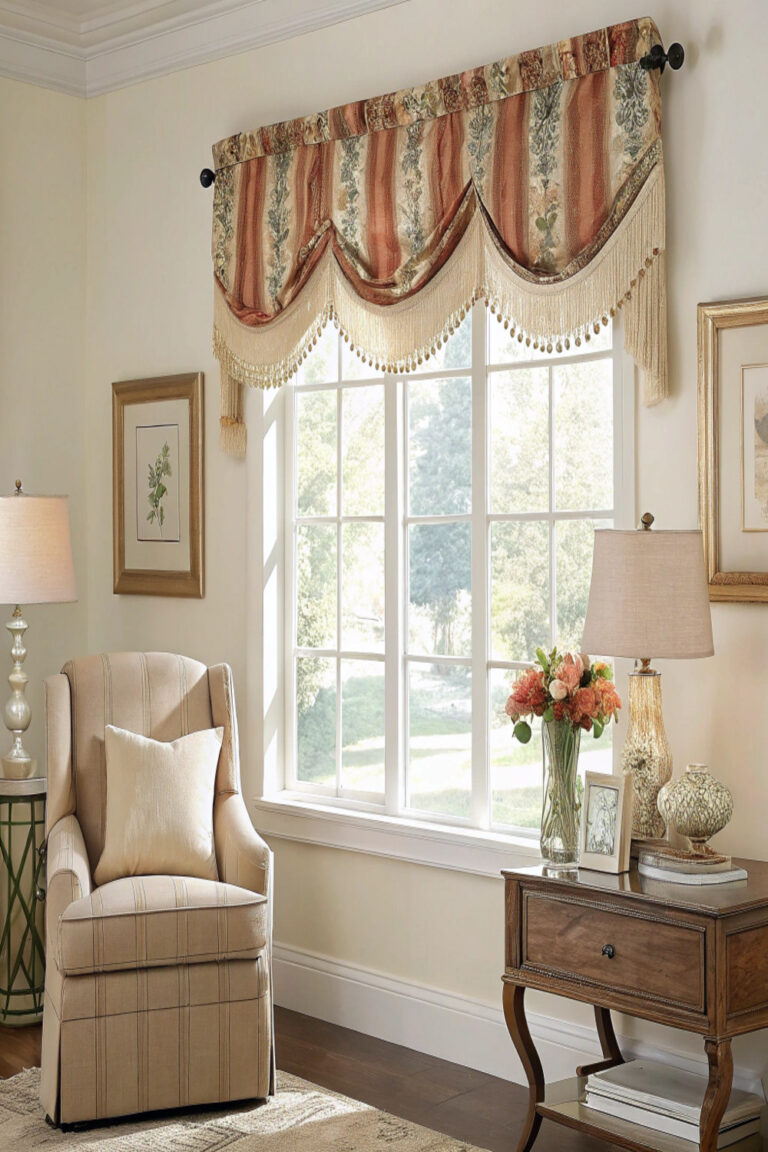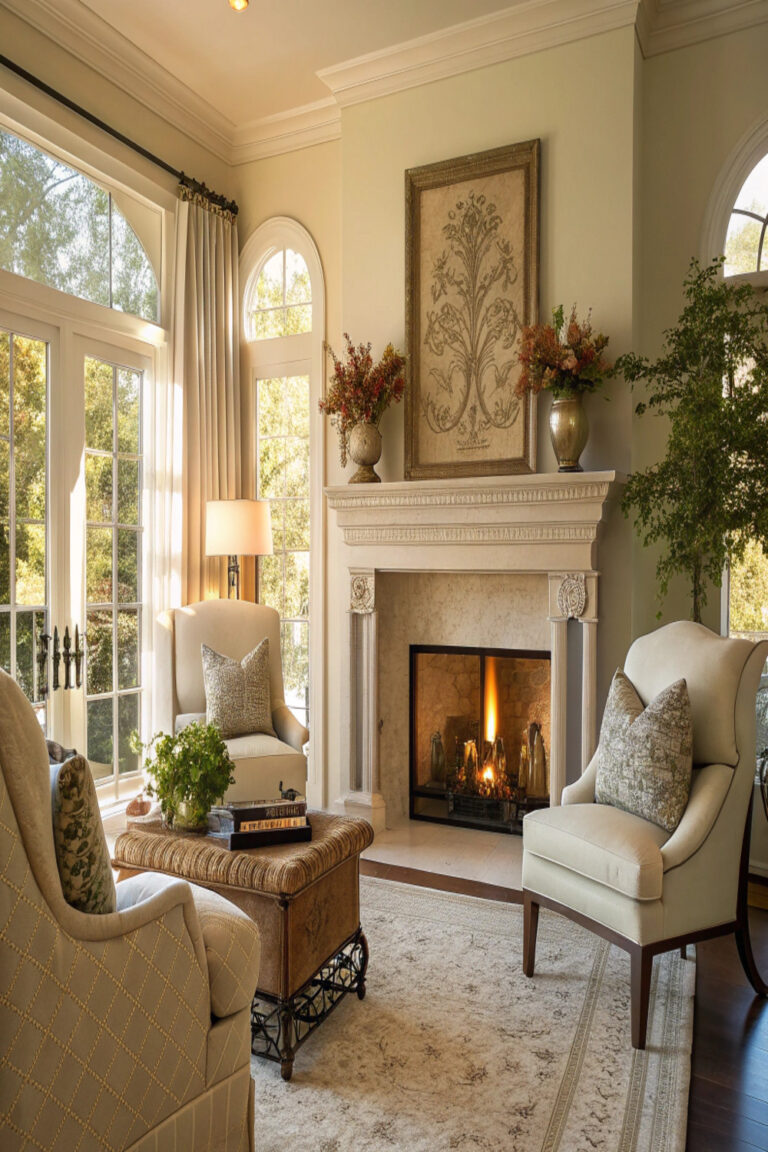
Quick Way to Transform 8 Modern Farmhouse Interior Spaces
Have you ever walked into a home that instantly makes you feel welcome with its perfect balance of rustic charm and contemporary elegance? Creating a modern farmhouse interior that’s both functional and stylish doesn’t have to be overwhelming or expensive. Many homeowners struggle to achieve that perfect blend of comfort and sophistication that defines this popular aesthetic. Whether you’re renovating your entire home or just refreshing a single room, the right modern farmhouse decor elements can transform your space into a cozy retreat that feels both timeless and current. In this guide, we’ll walk through practical, budget-friendly tips to help you create the farmhouse-inspired space of your dreams without the designer price tag.
Table of Contents
Understanding the Best Decor Style
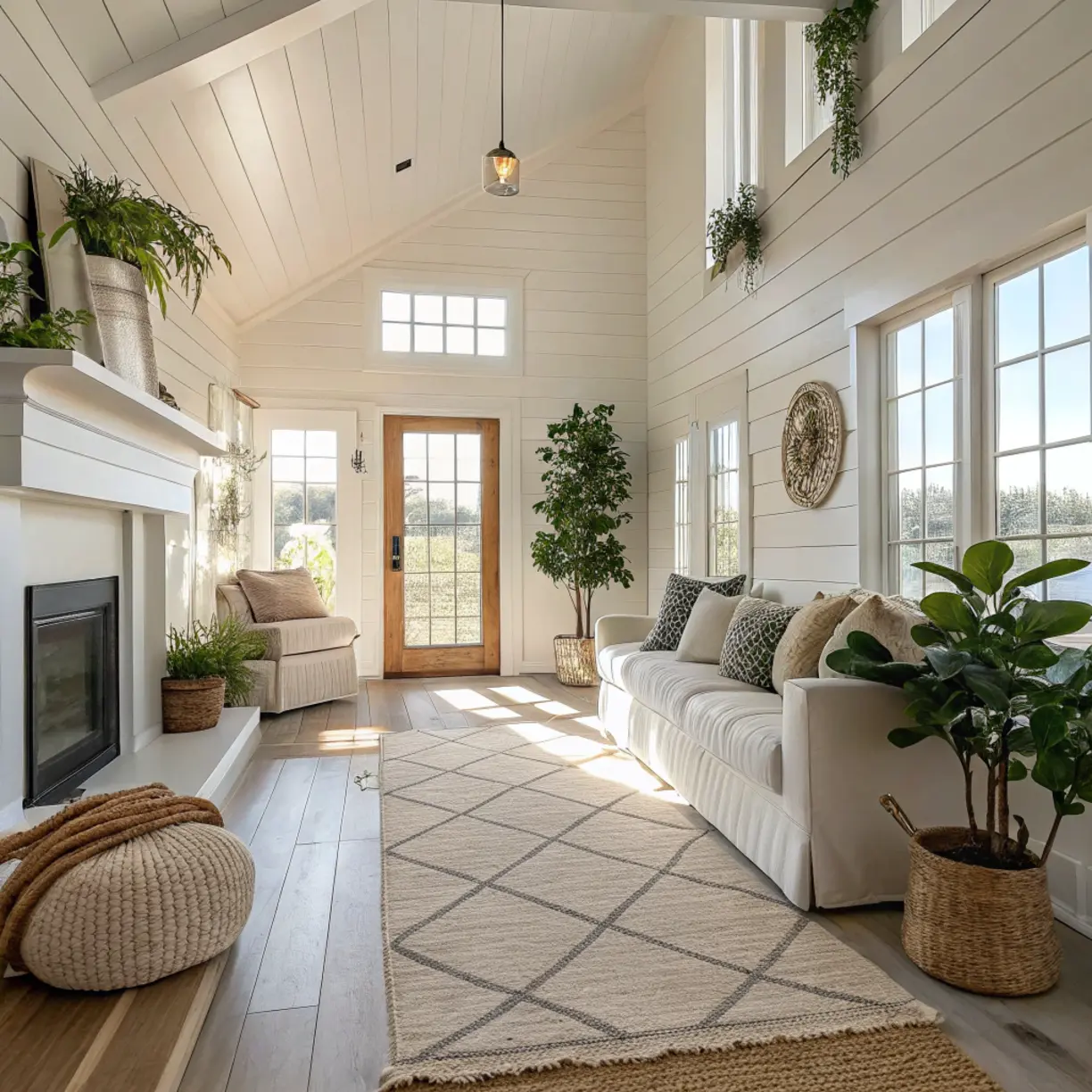
The modern farmhouse style combines the warmth of traditional country aesthetics with clean contemporary lines. This versatile approach works well in various homes because it balances comfort with sophistication. When selecting your style direction, consider your existing architecture and personal preferences. Do you lean toward industrial farmhouse with metal accents and raw wood? Perhaps you prefer coastal farmhouse with lighter tones and natural textures? Or maybe traditional farmhouse with antique touches speaks to you?
The key is consistency—choose elements that complement each other while reflecting your personality. Consider your lifestyle needs too: families with children might prioritize durable fabrics and practical storage, while entertainers might focus on open layouts and flexible seating. Remember that true modern farmhouse style embraces imperfection, creating spaces that feel lived-in and authentic rather than perfectly staged.
Essential Decor Tips
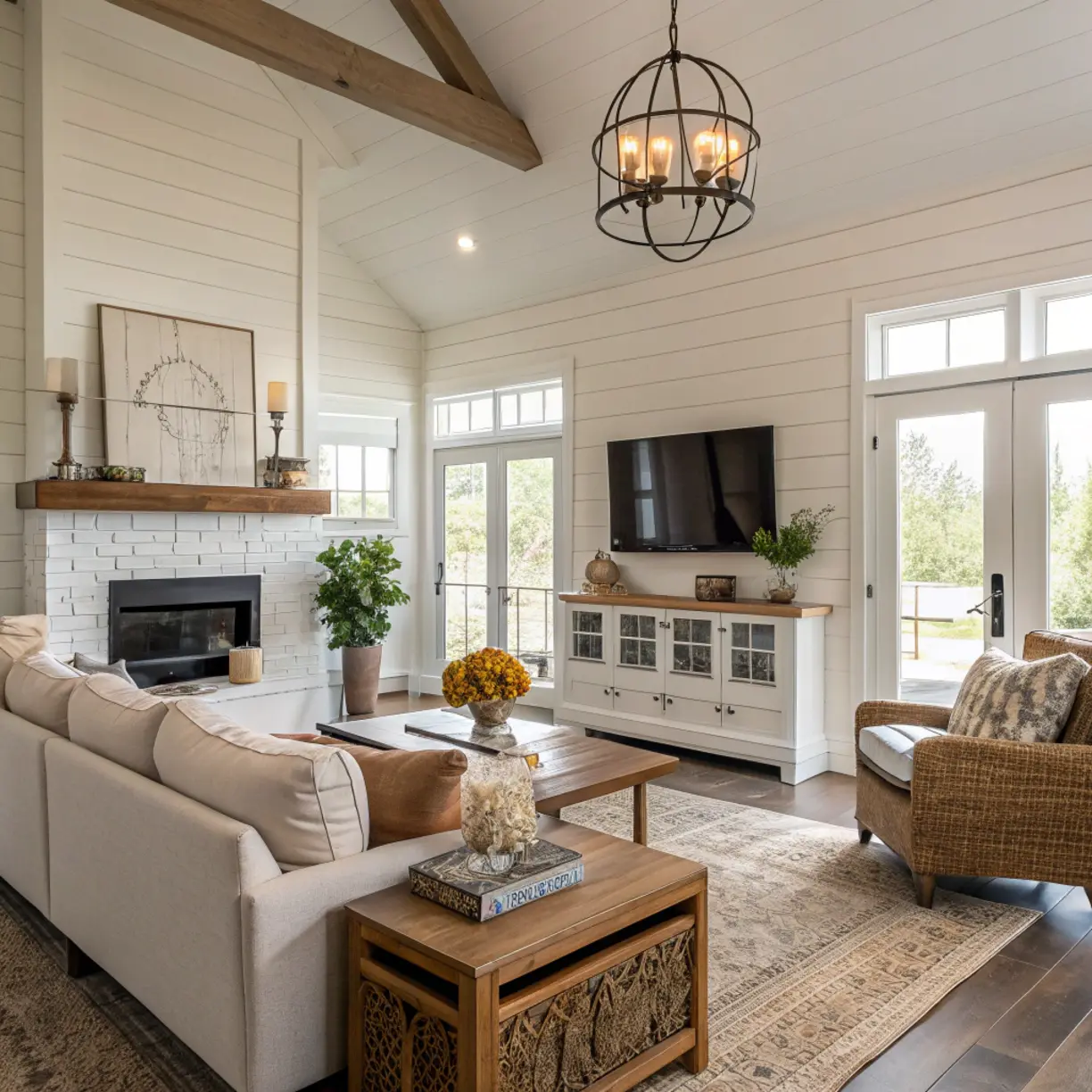
Creating a successful modern farmhouse interior starts with mastering a few fundamental principles. Begin with a neutral color palette—whites, creams, grays, and beiges create the perfect backdrop for statement pieces. Incorporate natural elements like wooden beams, stone accents, and jute rugs to add texture and warmth.
For furniture, choose pieces with clean lines but rustic touches. A streamlined sofa in a natural linen fabric or a simple dining table with turned legs strikes the perfect balance. Mix in vintage or distressed items with contemporary pieces for that characteristic farmhouse contrast. Don’t forget these essential elements:
– Shiplap or board and batten for authentic wall texture
– Open shelving with a mix of functional and decorative items
– Industrial or black metal fixtures and hardware
– Natural fiber textiles like cotton, wool, and linen
– Strategic pops of color through greenery or accent pieces
Remember that modern farmhouse decor should feel collected rather than purchased all at once—this creates authentic charm that defines the style.
Budget-Friendly Decor Ideas
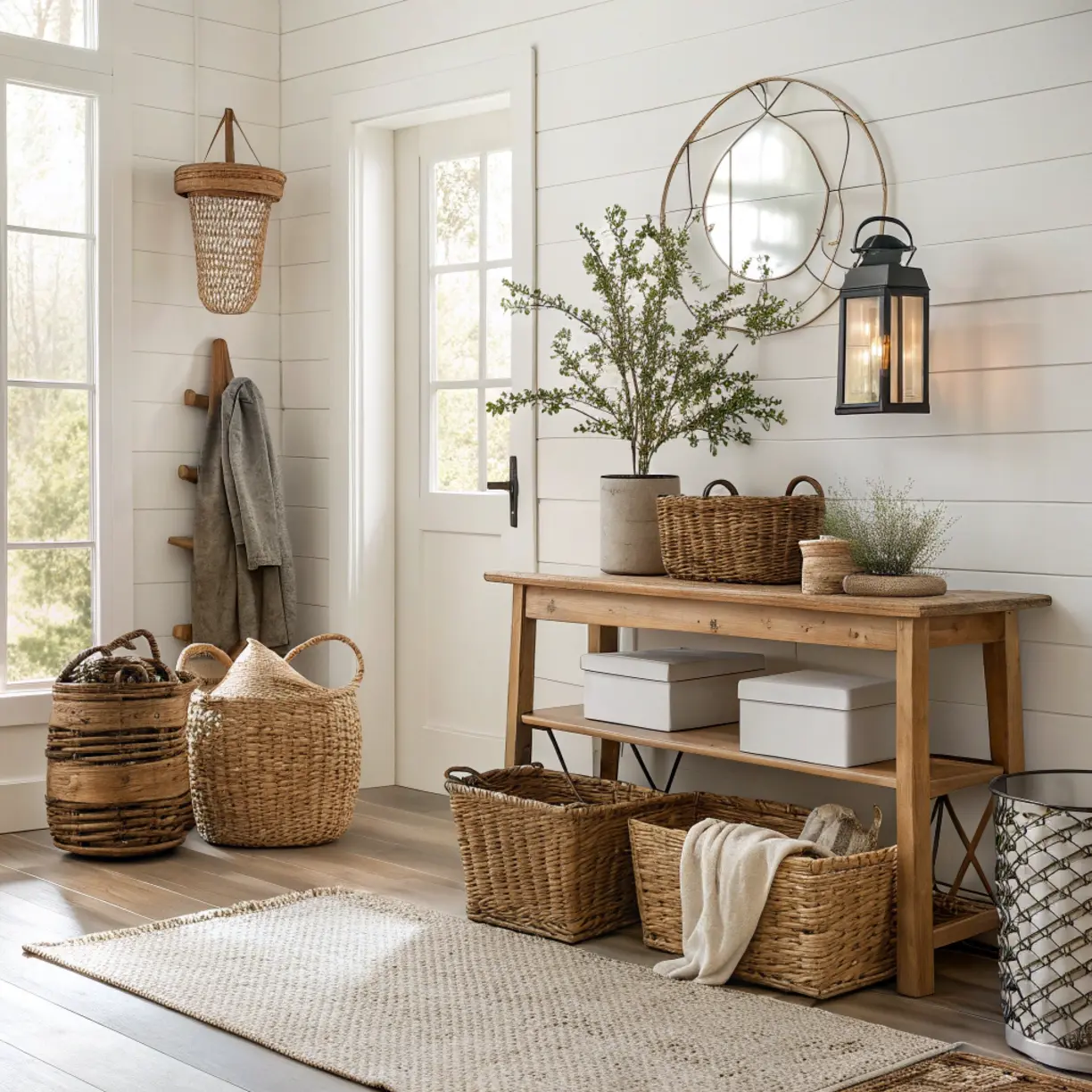
Creating farmhouse charm doesn’t require emptying your wallet. Start with these affordable approaches:
1. Paint transformations: A gallon of white or gray paint can completely change cabinets, furniture, or even floors.
2. DIY accent walls: Create affordable shiplap using inexpensive plywood strips or try peel-and-stick wallpaper with subtle farmhouse patterns.
3. Thrift store treasures: Hunt for wooden furniture pieces, vintage frames, or ceramic pitchers that can be upcycled with minimal effort.
4. Repurposed items: Transform wooden crates into shelving, use mason jars as light fixtures, or convert old ladders into towel racks.
5. Strategic splurges: Invest in one quality piece like a farmhouse sink or statement light fixture, then save on accessories and smaller items.
When shopping, explore flea markets, estate sales, and online marketplaces where unique pieces often cost less than mass-produced alternatives. Many big-box stores now offer convincing farmhouse-inspired items at accessible price points, allowing you to mix higher and lower-end pieces seamlessly.
Common Mistakes to Avoid
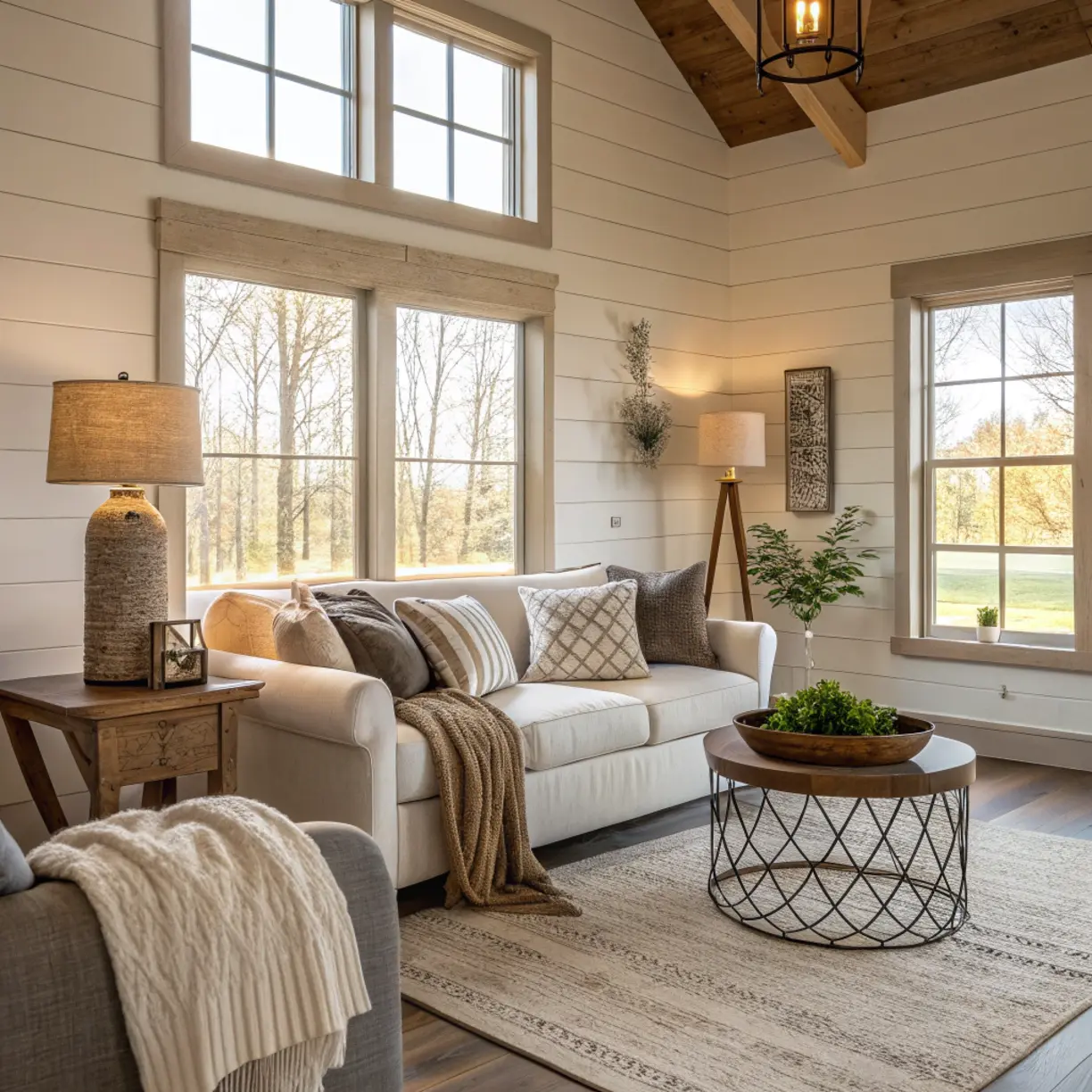
Even design enthusiasts can fall into these common farmhouse decorating traps:
– Over-theming: Using too many “farmhouse” signs and literal farm references creates a kitschy rather than authentic feel.
– Ignoring proportion: Furniture that’s too large or too small for your space disrupts the balanced look farmhouse style requires.
– Neglecting contrast: Without mixing modern and rustic elements, spaces can look one-dimensional or dated.
– Choosing the wrong white: Not all whites are created equal—selecting tones that clash (too cool or too warm) can make a space feel disjointed.
– Focusing only on aesthetics: Prioritizing Instagram-worthy corners over functional needs creates a beautiful but impractical home.
– Going too distressed: While weathered elements add character, excessive distressing can look contrived and messy.
Avoid these pitfalls by focusing on authenticity and purposeful design choices that support how you actually live in your space.
Lighting Tips for a Better Atmosphere
Lighting dramatically impacts how your farmhouse space feels and functions. Layer these three lighting types:
1. Ambient lighting: Recessed lights with warm-temperature bulbs provide general illumination while maintaining the cozy farmhouse feel.
2. Task lighting: Incorporate industrial-style desk lamps, reading lights, or under-cabinet lighting for functional needs.
3. Accent lighting: Use wall sconces, picture lights, or strategically placed table lamps to highlight architectural features and create mood.
For fixtures, black iron pendants, clear glass lanterns, or whitewashed wooden chandeliers complement the farmhouse aesthetic perfectly. Remember that natural light is equally important—keep window treatments simple with light-filtering linen curtains or classic wooden blinds to maximize daylight while maintaining privacy.
Conclusion
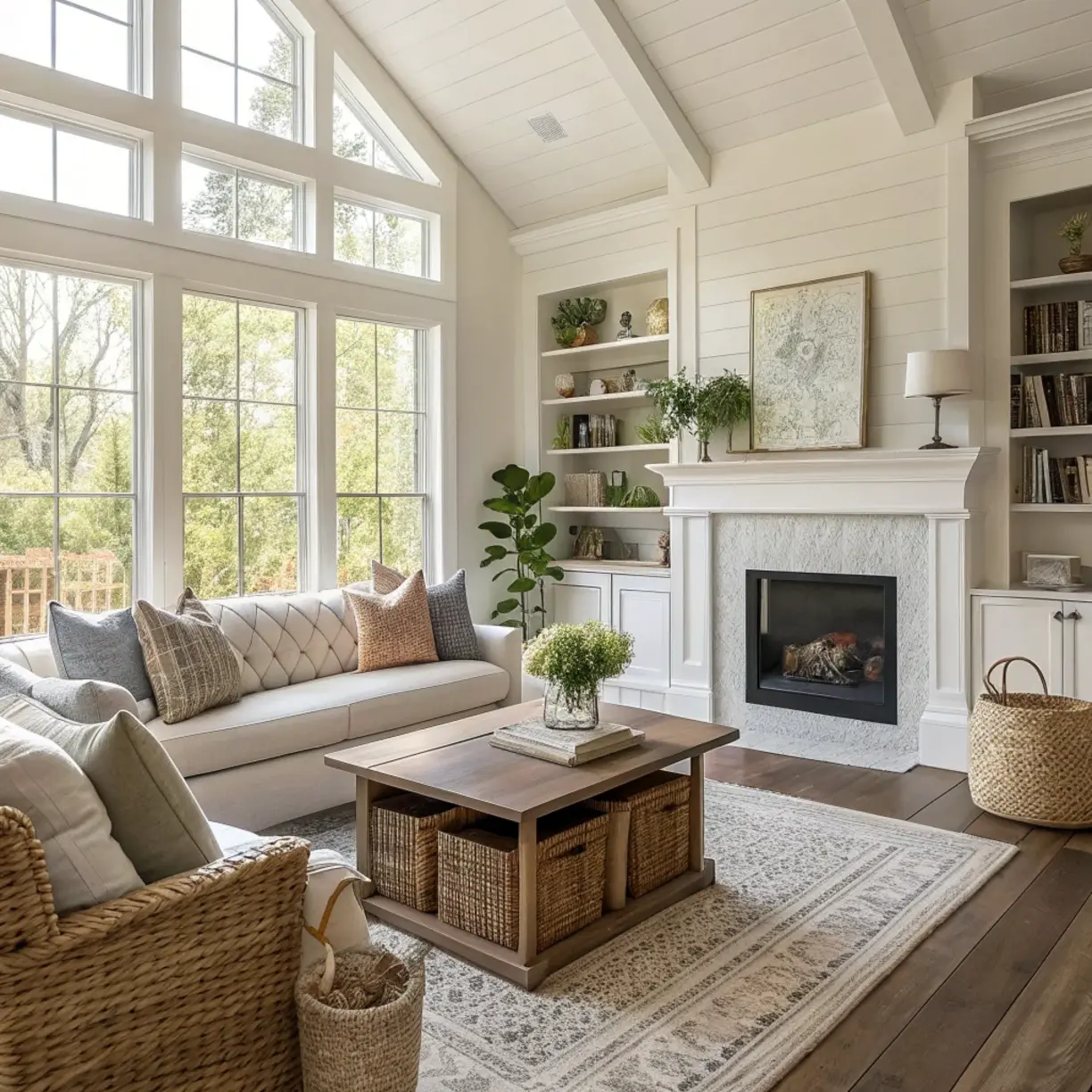
Creating a beautiful modern farmhouse interior doesn’t require a massive budget or professional design experience—just thoughtful planning and an eye for authentic details. By focusing on quality over quantity, mixing old with new, and embracing imperfection, you can create spaces that feel both timelessly charming and comfortably contemporary. The best modern farmhouse decor reflects your personal story while honoring the style’s roots in simplicity and function. Start with one room, implement these tips gradually, and watch as your home transforms into a welcoming haven that friends and family will love. We’d love to see your farmhouse makeovers—share your before-and-after photos in the comments or explore our related posts for more specific room-by-room guidance!
FAQs
How do I achieve modern farmhouse style without making my home look like a country cliché?
Focus on subtle nods to farmhouse style through texture and materials rather than themed decorations. Incorporate shiplap, natural wood, and industrial metal accents while keeping your color palette neutral and your lines clean. Avoid excessive use of farmhouse-themed signs or country motifs.
What colors work best for modern farmhouse interiors?
The foundation should be neutral—whites, creams, grays, and warm beiges. Add contrast with black metal accents and warmth with natural wood tones. For color, incorporate muted, earthy hues like sage green, dusty blue, or terracotta through textiles and accessories.
How can I blend modern farmhouse style with my existing furniture?
Start by evaluating which pieces have clean lines or rustic potential. Paint wooden furniture in neutral tones or strip and refinish to highlight natural grain. Add farmhouse elements through accessories, lighting, and textiles while gradually replacing pieces that don’t fit the aesthetic as your budget allows.
What’s the difference between traditional farmhouse and modern farmhouse style?
Traditional farmhouse tends to be more rustic, colorful, and pattern-heavy with vintage accessories. Modern farmhouse maintains rustic elements but pairs them with cleaner lines, a more minimal approach to accessories, and a predominantly neutral color palette with selective contrast.
How do I create a cohesive farmhouse look when decorating one room at a time?
Establish a consistent color palette and material selection that will work throughout your home. Create a design board with your key elements—woods, metals, fabrics, and colors—and refer to it when making purchases. This ensures each room feels connected even when completed at different times.