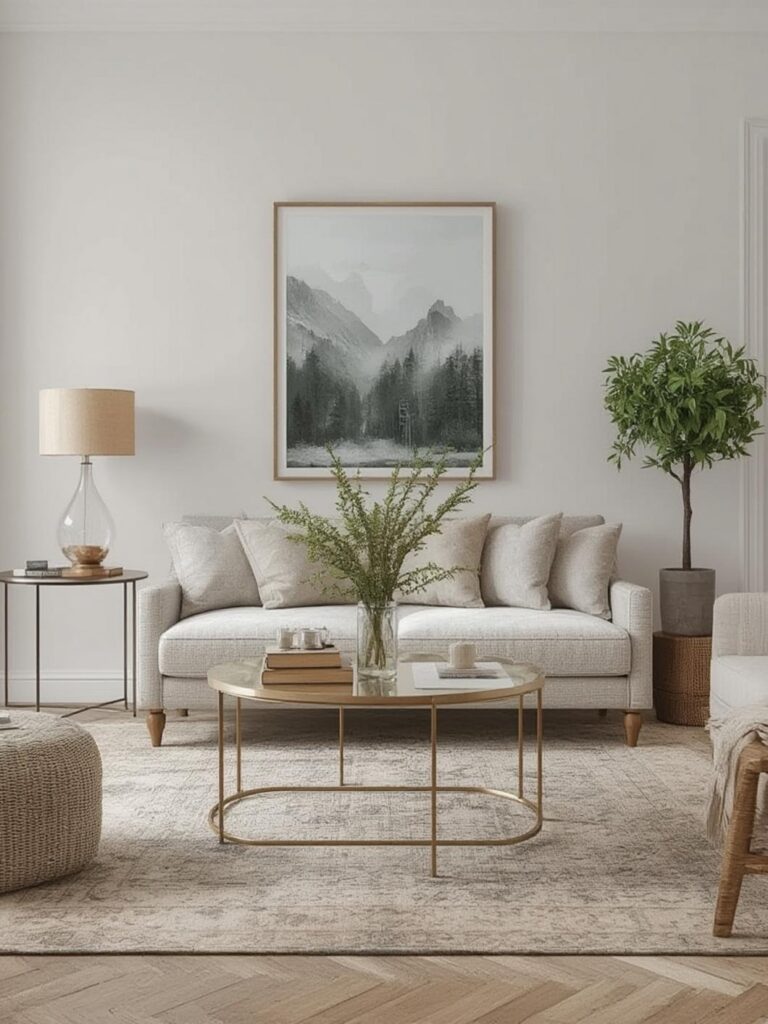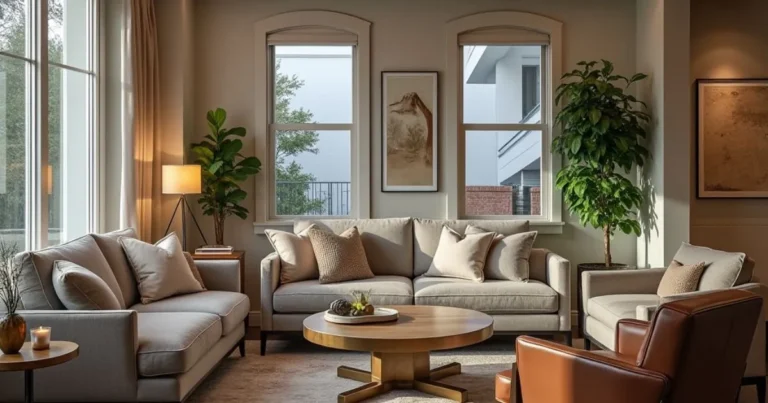
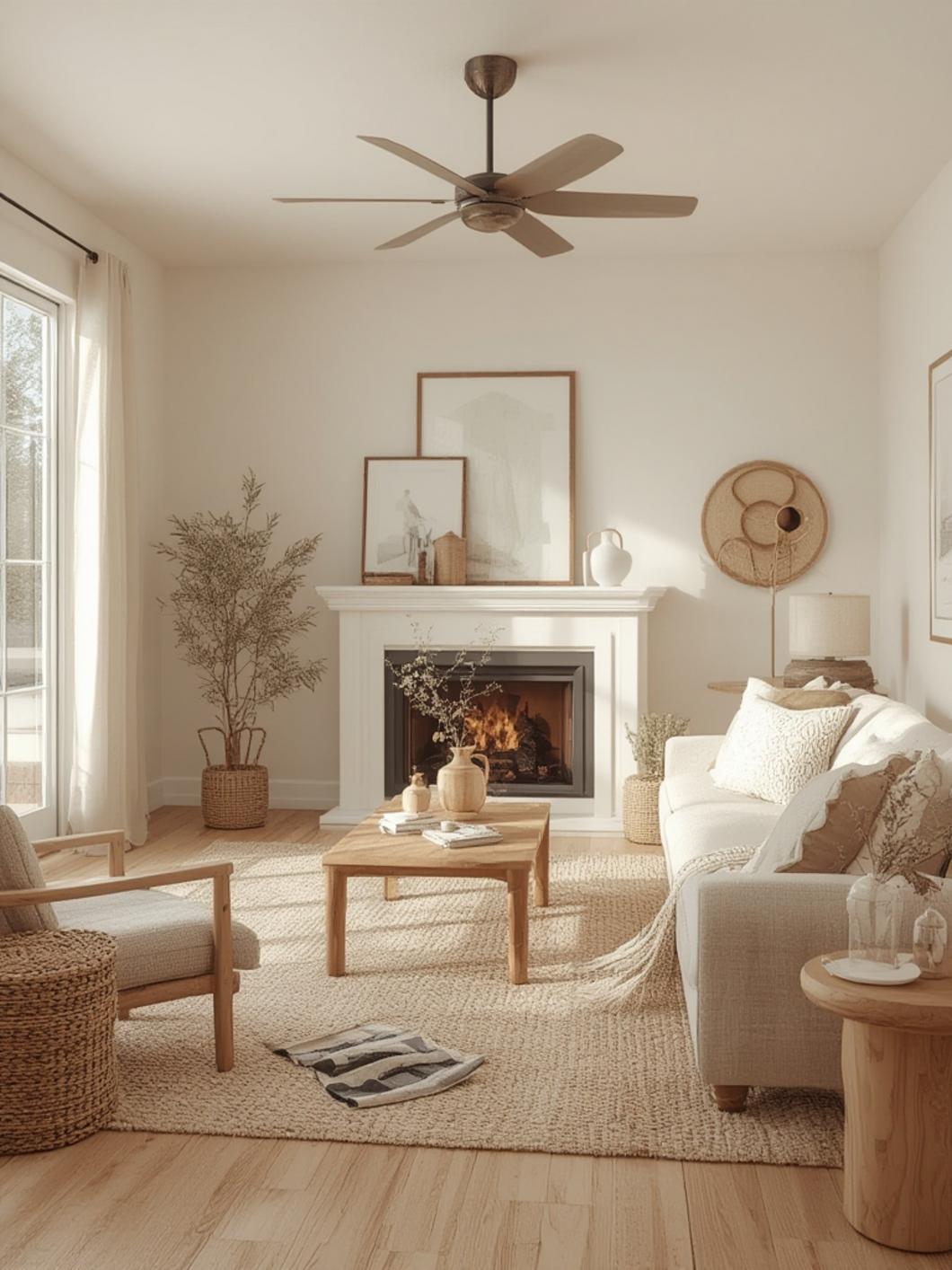
How to Transform Your Modern Farmhouse Living Room
Transforming your home into a cozy sanctuary begins with crafting the perfect modern farmhouse living room. This beloved style combines rustic charm with contemporary elements to create spaces that feel both timeless and fresh. Many homeowners struggle to strike the right balance between the traditional farmhouse elements and modern aesthetics without creating a space that feels contrived or theme-heavy. The challenge often lies in seamlessly blending natural textures, neutral color palettes, and statement pieces that reflect your personality while maintaining the modern farmhouse interior design principles. In this guide, we’ll walk through practical, budget-friendly approaches to create a living space that’s both stylish and functional—a room that truly feels like home.
Table of Contents
Understanding the Best Decor Style
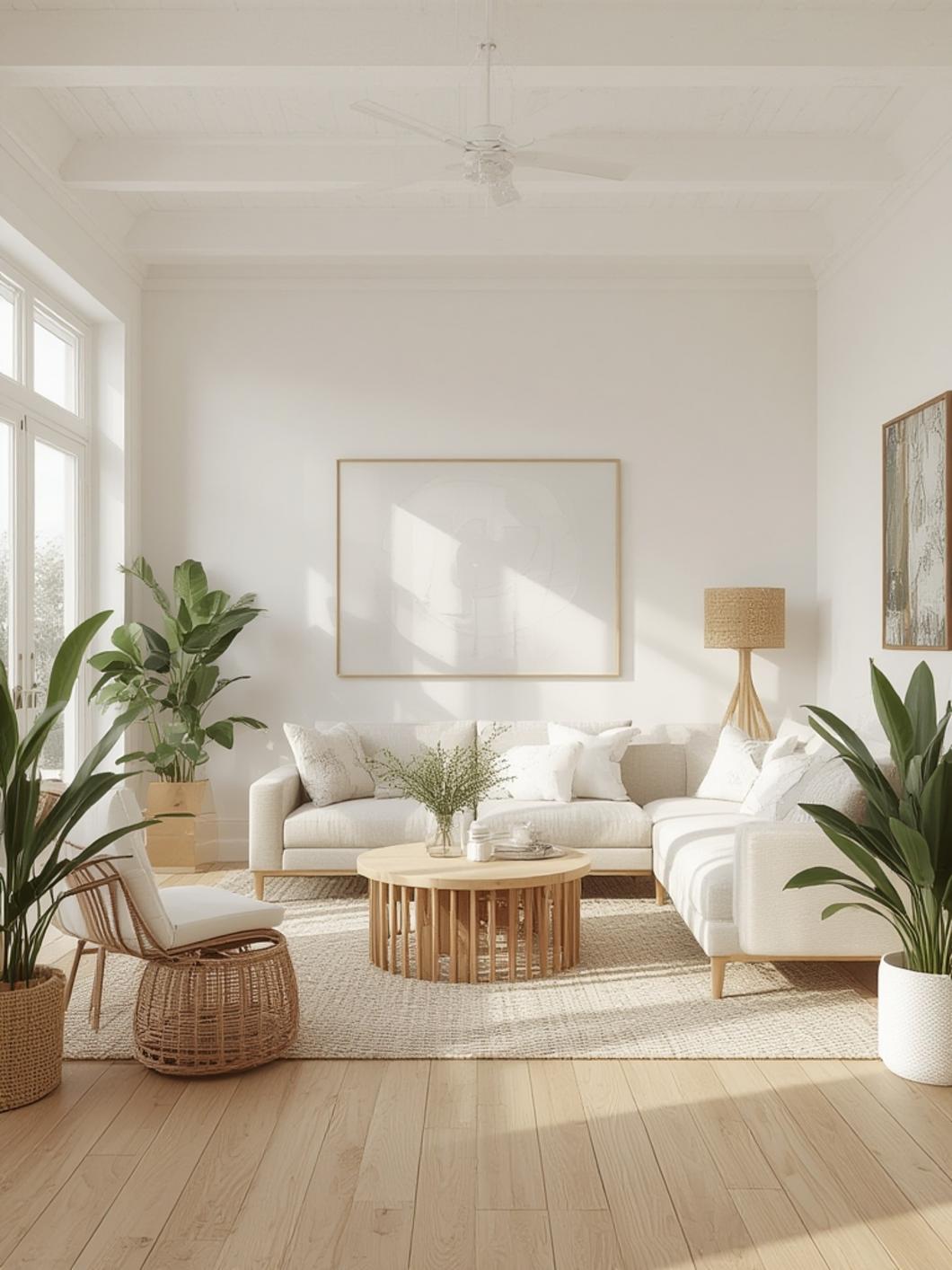
The right decor style does more than please the eye—it creates an environment that supports your lifestyle and enhances your daily experience. For farmhouse-inspired spaces, understanding the foundational elements is crucial to success. The farmhouse aesthetic embraces simplicity, natural materials, and practical beauty, while the modern twist adds clean lines and contemporary touches.
When selecting your approach to farmhouse style, consider these popular variations:
– Classic farmhouse: Heavy on vintage pieces, weathered wood, and traditional patterns
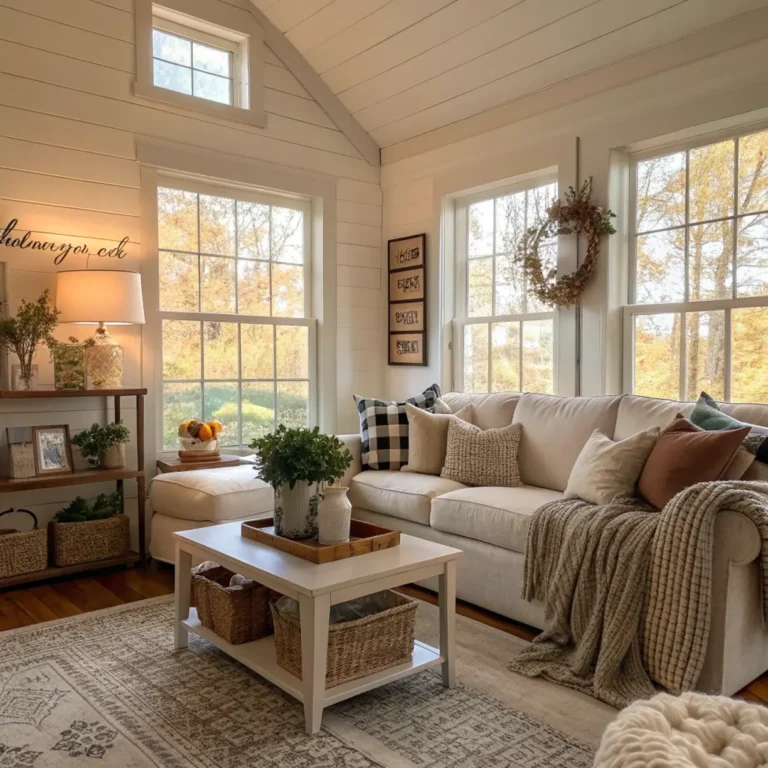
– Modern farmhouse: Cleaner lines, more minimal styling, with strategic rustic elements
– Industrial farmhouse: Incorporates metal accents, exposed elements, and utilitarian touches
– Coastal farmhouse: Lighter color palette with beachy elements blended with farmhouse staples
Your space dimensions, natural lighting, and existing architecture should guide your specific style direction. A small apartment might benefit from a lighter, more minimal take on farmhouse style, while a spacious home with architectural details might support more traditional farmhouse elements. Choose what resonates with your personal aesthetic while remaining functional for your everyday needs.
Essential Decor Tips
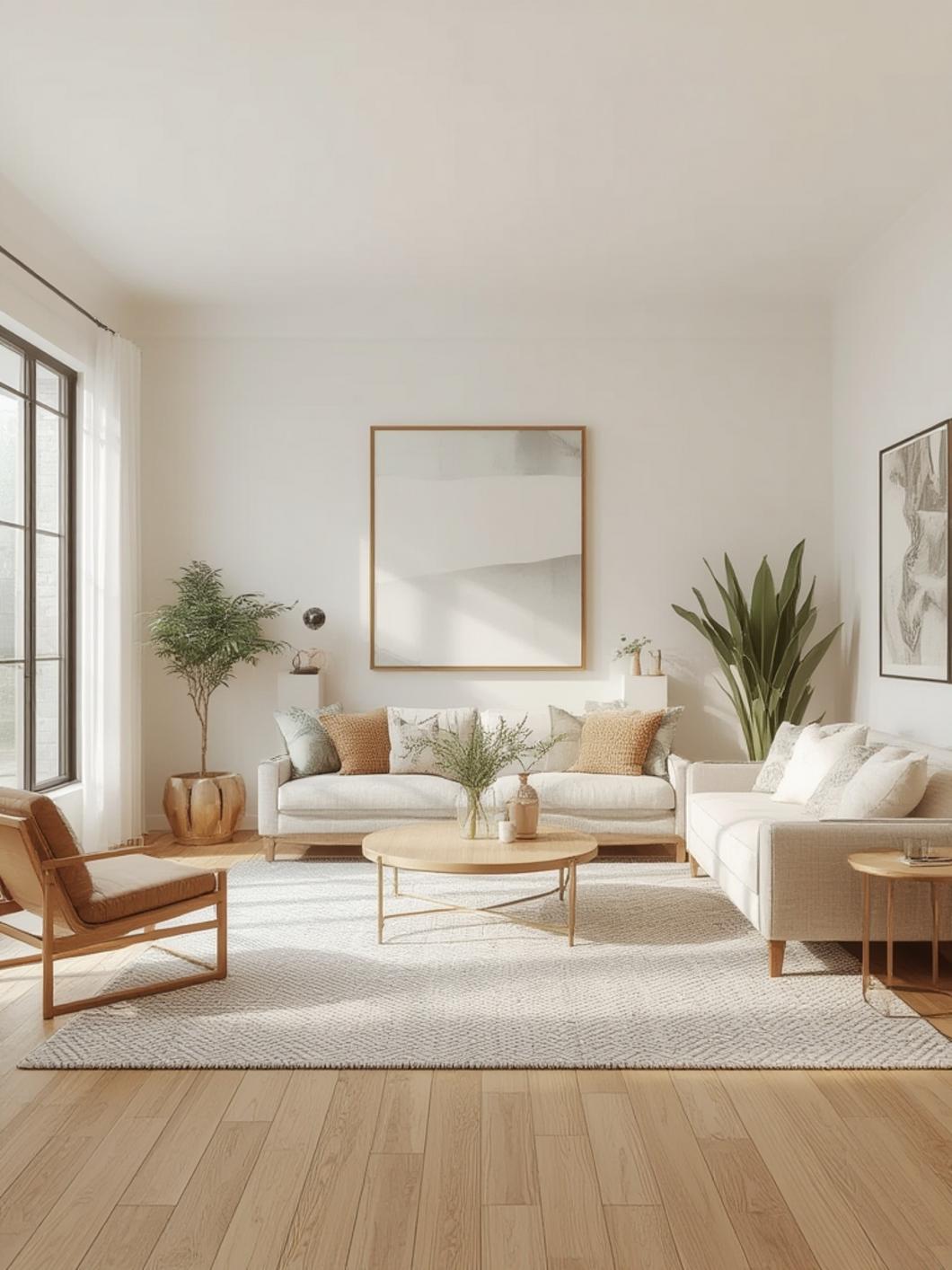
Creating a cohesive modern farmhouse living room relies on several core principles:
1. Mix old with new: Combine vintage or antique pieces with modern elements for authenticity and character.
2. Layer textures: Incorporate natural fibers like jute rugs, wool throws, linen curtains, and wooden furniture.
3. Stick to a neutral base: Build from a foundation of whites, creams, grays, and warm neutrals with strategic pops of muted color.
4. Include natural elements: Bring in plants, wooden beams, stone accents, or botanical prints.
5. Focus on comfortable seating: Invest in deep, cozy sofas and chairs with washable, durable slipcovers.
The layout should promote conversation while maintaining good traffic flow. Consider a central coffee table with seating arranged for interaction rather than focused solely on a television. Scale matters significantly—oversized furniture can overwhelm smaller spaces, while delicate pieces might look lost in larger rooms.
The most successful modern farmhouse interior design strikes a balance between utilitarian function and aesthetic appeal, creating spaces that feel curated but not precious.
Budget-Friendly Decor Ideas
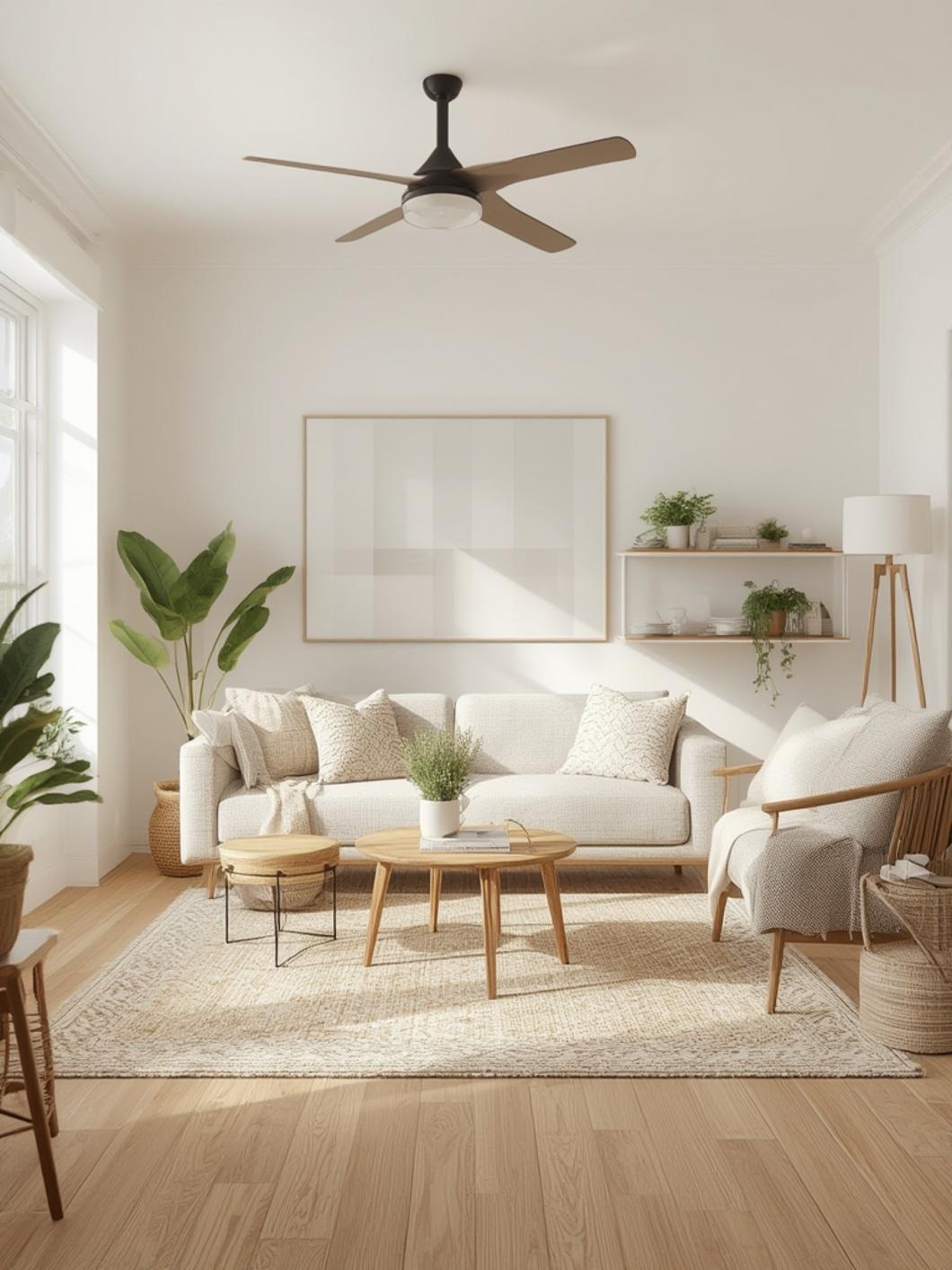
Creating a stylish farmhouse living room doesn’t require emptying your wallet. Consider these affordable approaches:
– Paint transformations: Update existing furniture with chalk paint for an instant farmhouse feel.
– DIY wall treatments: Create shiplap-inspired walls using inexpensive plywood cut into planks.
– Thrift shop treasures: Hunt for vintage frames, wooden crates, and unique accessories at second-hand stores.
– Repurposed items: Transform ladders into shelving, old windows into wall art, or crates into storage.
– Strategic splurges: Invest in one quality statement piece like a slipcovered sofa, then economize on accessories.
Shopping seasonal sales for larger items and using natural elements like branches, pinecones, or dried herbs for decor can significantly reduce costs. Farmhouse style’s emphasis on simplicity and repurposed items makes it particularly well-suited for budget-conscious decorators who appreciate the charm of imperfection and the stories behind well-worn items.
Common Mistakes to Avoid
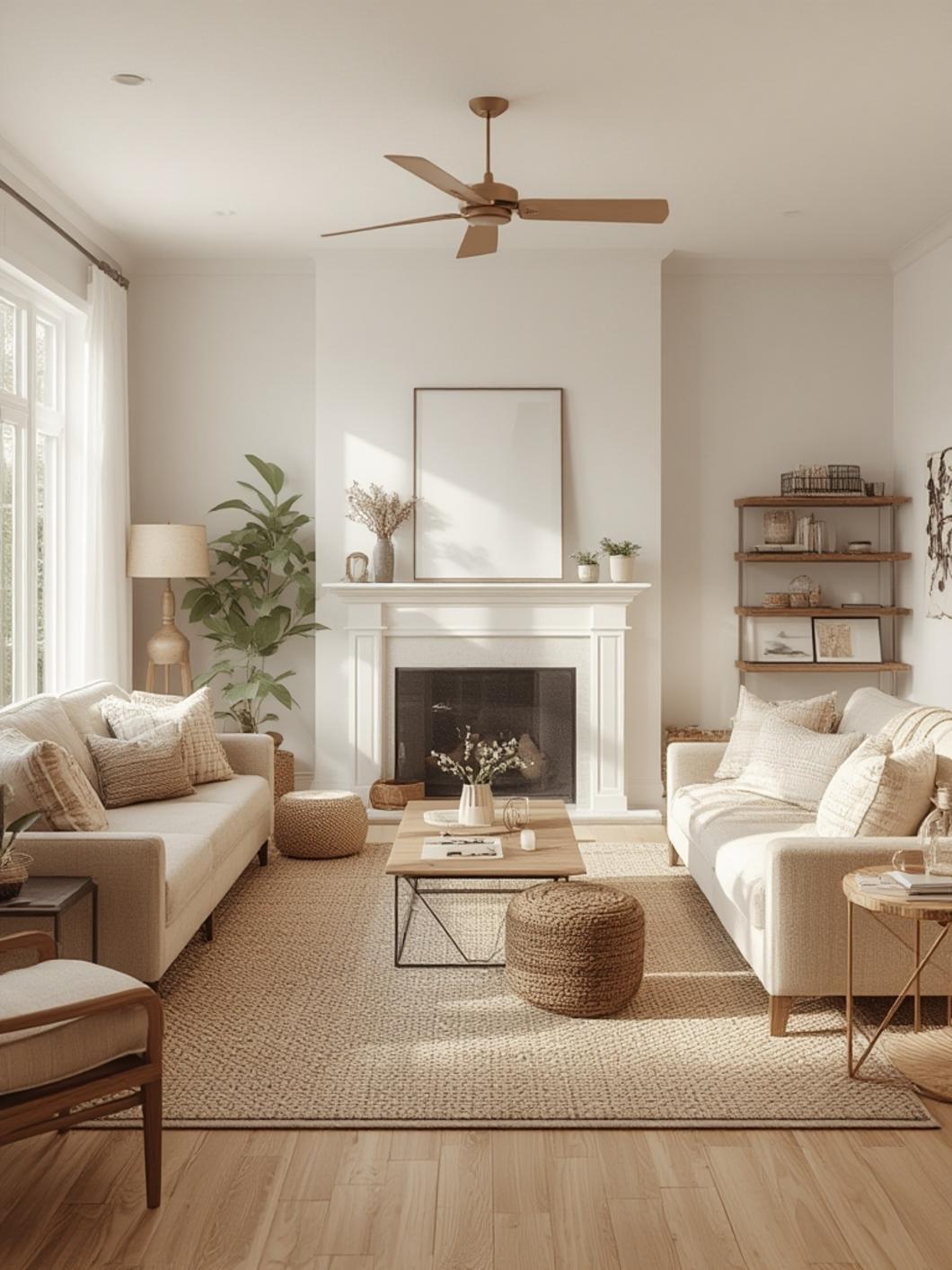
Even experienced decorators can fall into these common traps when styling farmhouse living spaces:
– Overusing farmhouse signs: Too many “Gather” or “Blessed” signs create a theme-park feel rather than an authentic space.
– Neglecting scale: Furniture that’s too large or too small disrupts the room’s balance and functionality.
– Poor lighting planning: Relying solely on overhead lighting without considering task and ambient options.
– Going too trendy: Adopting every farmhouse trend creates a dated look rather than a timeless one.
– Ignoring comfort: Prioritizing Instagram-worthy styling over livability and comfort.
– Forgetting personal touches: Creating a space that looks straight from a catalog without elements that tell your story.
The most inviting farmhouse spaces balance design principles with personality. They feel collected over time rather than purchased as a matching set and prioritize comfort alongside style.
Lighting Tips for a Better Atmosphere
The right lighting transforms a farmhouse living room from flat to fascinating. Consider these layered lighting strategies:
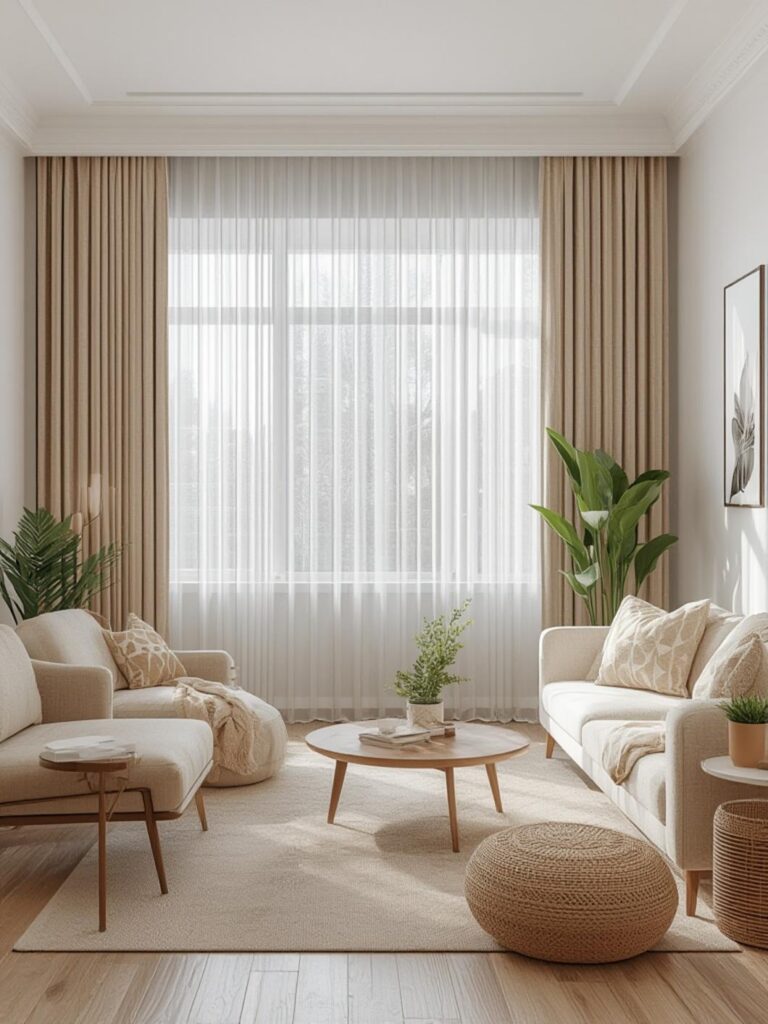
– Natural light: Maximize windows with sheer curtains that filter light without blocking it.
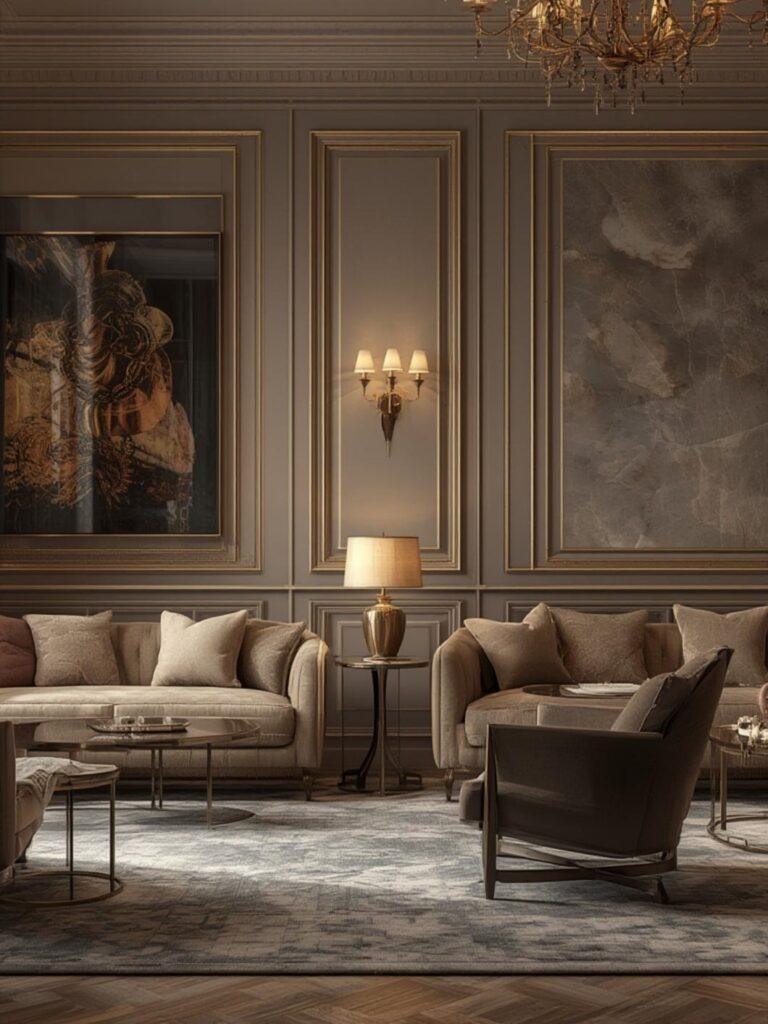
– Ambient lighting: Incorporate overhead fixtures with warm-toned bulbs—consider a statement chandelier or pendant with black metal or distressed wood.
– Task lighting: Add reading lamps near seating and accent lights to highlight architectural features or artwork.
– Accent lighting: Use candles (real or flameless) and string lights to create a cozy atmosphere.
The color temperature of your bulbs significantly impacts mood—choose warmer tones (2700-3000K) that enhance the cozy farmhouse feel rather than cool white lights that can feel clinical and harsh. Dimmer switches add versatility, allowing you to adjust lighting for different activities and times of day.
Conclusion
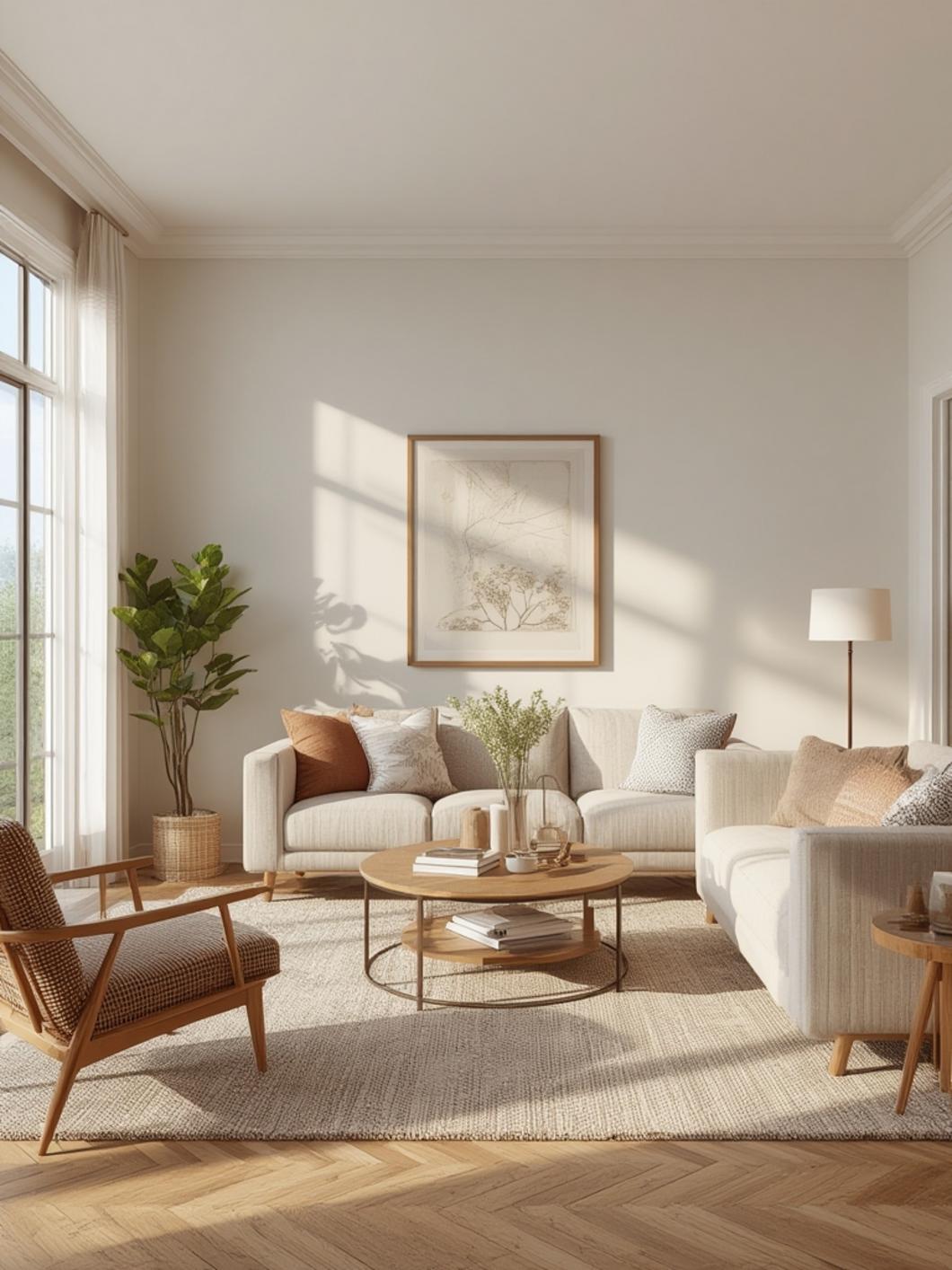
Creating a beautiful modern farmhouse living room is an evolving journey rather than a one-time project. The beauty of this style lies in its flexibility and focus on comfort, allowing your space to grow and change with your life. By understanding key principles, avoiding common pitfalls, and incorporating budget-friendly solutions, you can craft a living area that feels both on-trend and timeless. Remember that the most successful modern farmhouse interior design reflects the people who live there—not just a picture in a magazine. We’d love to see how you’ve incorporated these ideas into your own home! Share your farmhouse living room transformations in the comments, or explore our related posts for more specific room-by-room guidance.
FAQs
How can I make my living room look farmhouse without a complete renovation?
Focus on easy-to-change elements like textiles, wall decor, and accessories. Add slipcovers to existing furniture, incorporate wooden trays or bowls, hang simple cotton or linen curtains, and introduce vintage-inspired lighting fixtures.
What colors work best for modern farmhouse living rooms?
Build from a neutral base of whites, creams, grays, and warm woods. Add depth with black accents and texture with natural materials. For color, consider muted blues, greens, or dusty pinks in small doses through pillows or artwork.
How do I keep my farmhouse living room from looking too country or rustic?
Balance rustic elements with clean lines and contemporary pieces. Limit distressed finishes to one or two statement pieces rather than throughout. Choose streamlined upholstery and incorporate some metal or glass elements to modernize the look.
What’s the difference between farmhouse and modern farmhouse styles?
Traditional farmhouse tends to feature more vintage pieces, heavier textures, and rustic elements. Modern farmhouse incorporates cleaner lines, a more minimal approach, and contemporary touches while maintaining the warmth and character of farmhouse style.
What are some must-have elements for an authentic farmhouse living room?
Incorporate natural wood, comfortable seating (preferably slipcovered), mixed textures, vintage or antique accents, and practical storage solutions. A neutral color palette, layered lighting, and natural materials are also essential elements.