How to Transform Rooms with Valance Valance in 5 Steps
Introduction
Have you ever walked into a room and felt something was missing, but couldn’t quite put your finger on it? Often, that finishing touch is right above your eyes. The valance valance is not merely a decorative element but a transformative feature that can elevate your entire space. Many homeowners underestimate how these top window treatments can define a room’s character while solving practical issues like hiding hardware or framing a beautiful view. Similarly, well-chosen window treatments provide privacy, light control, and insulation while serving as design anchors. When approached thoughtfully, both elements work in harmony to create a cohesive, polished look that brings your entire decor vision together.
Table of Contents
Understanding the Best Decor Style
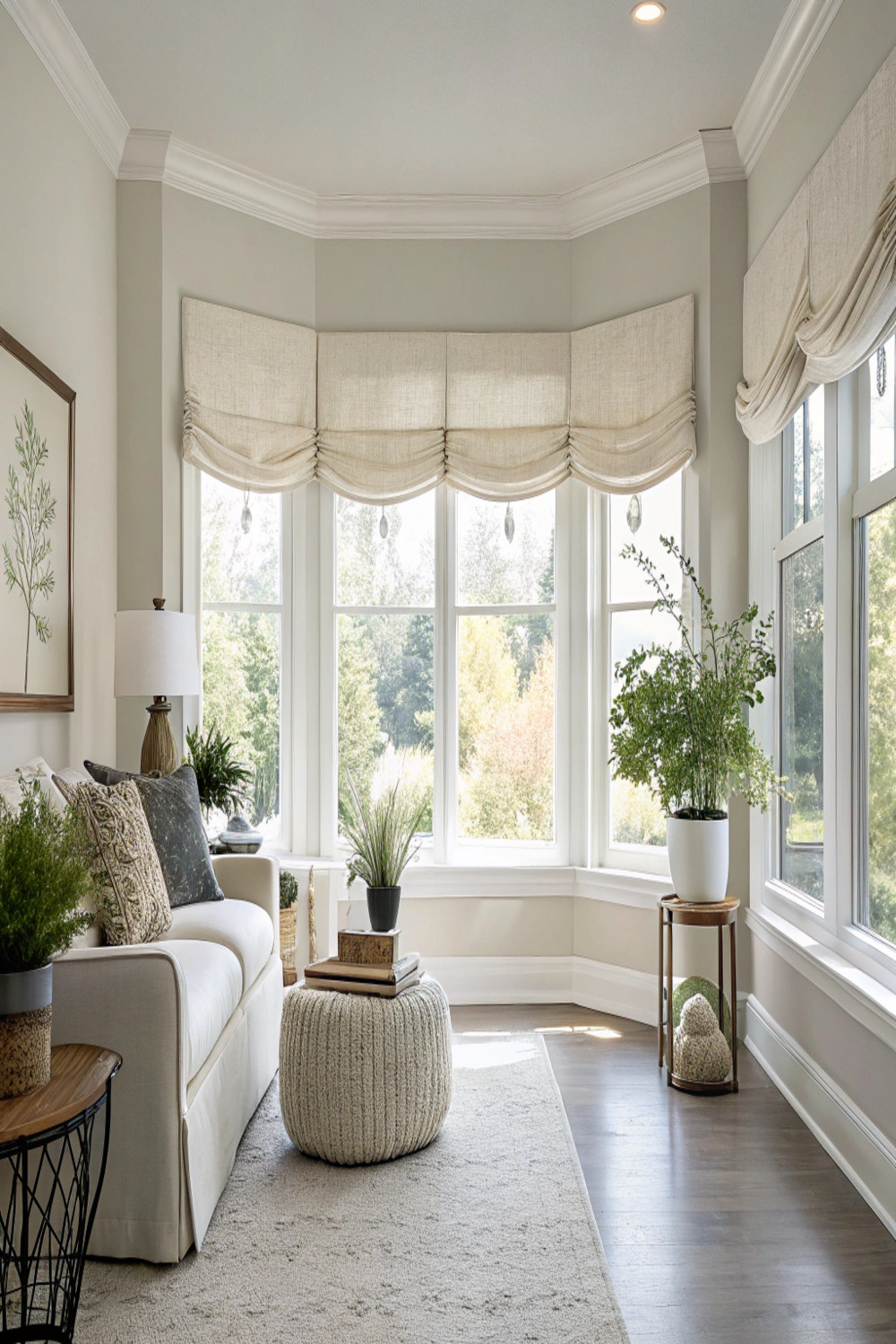
Selecting the right style for your valances transforms both the window area and the entire room’s ambiance. Traditional valances with scalloped edges and rich fabrics complement classic interiors, while straight-lined, minimalist designs enhance contemporary spaces. For farmhouse aesthetics, consider burlap or gingham patterns that add rustic charm without overwhelming the space.
When coordinating with window treatments beneath, aim for complementary rather than matching fabrics. This creates visual interest while maintaining harmony. The weight and texture of your valance material should reflect your climate and the room’s purpose—heavier fabrics for formal spaces or cold regions, lighter materials for casual rooms or warm climates.
Remember that valances aren’t one-size-fits-all; they should be proportional to your window size. A valance that’s too shallow looks skimpy, while one that’s too deep can block light and views. The perfect valance creates a frame that enhances rather than overwhelms your window view.
Essential Decor Tips
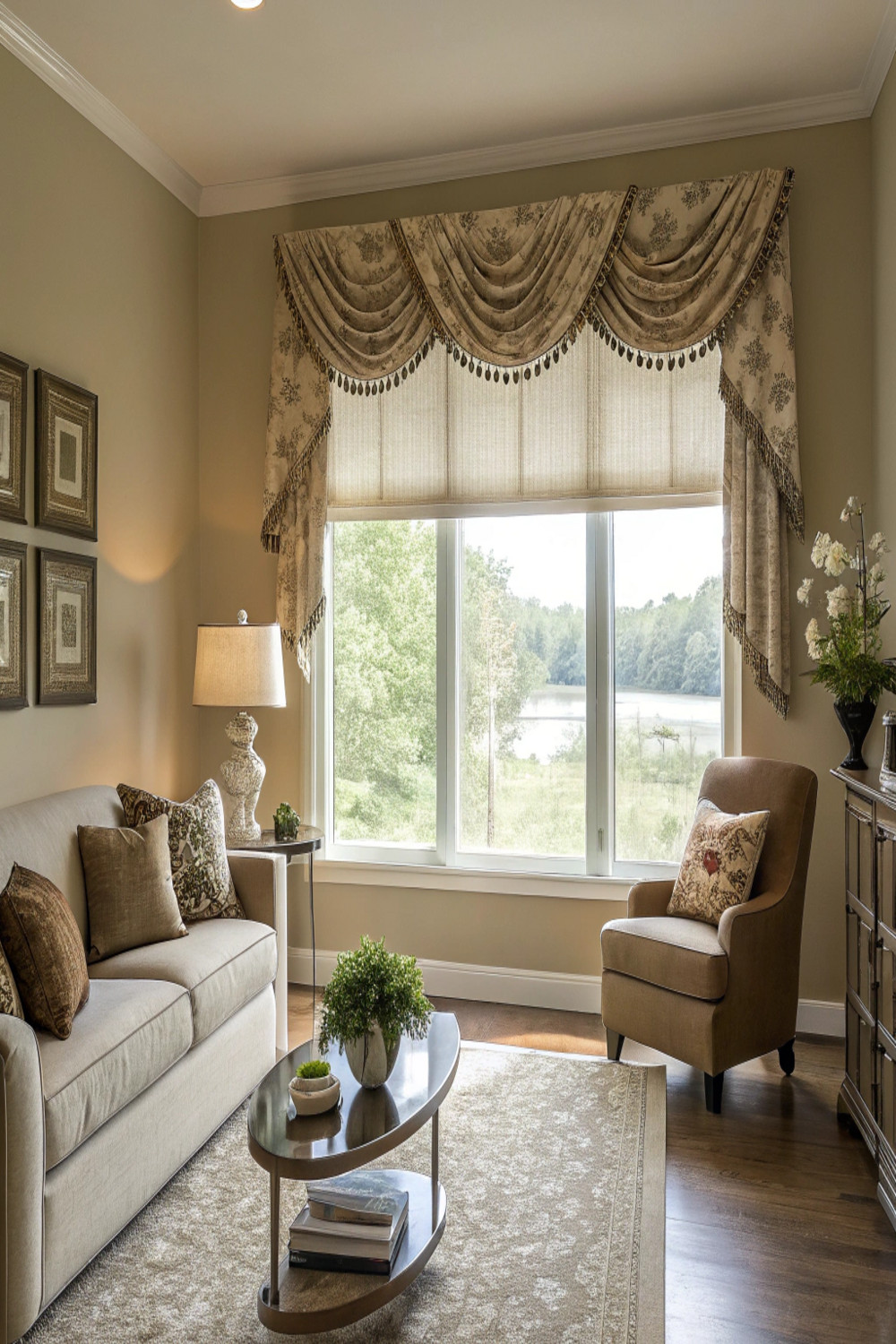
When designing with valance valance, consider these foundational principles. First, hang valances high enough—ideally 4-6 inches above the window frame—to create an illusion of taller windows and higher ceilings. This simple adjustment dramatically enhances spatial perception.
For color selection, follow the 60-30-10 rule: 60% dominant color (often walls), 30% secondary color (furniture), and 10% accent color (which can be your valances). This creates visual balance while allowing your window treatments to either blend seamlessly or serve as statement pieces.
Layer textures thoughtfully. Combine your valance with sheer panels, blinds, or drapes for multidimensional appeal and functional versatility. This layering approach allows for light control while maintaining style coherence.
Consider the valance shape based on your window proportions. Arched valances soften rectangular windows, while straight-lined valances complement modern architectural details. The valance depth should generally be 1/5 to 1/6 of your overall window height for balanced proportions.
Budget-Friendly Decor Ideas
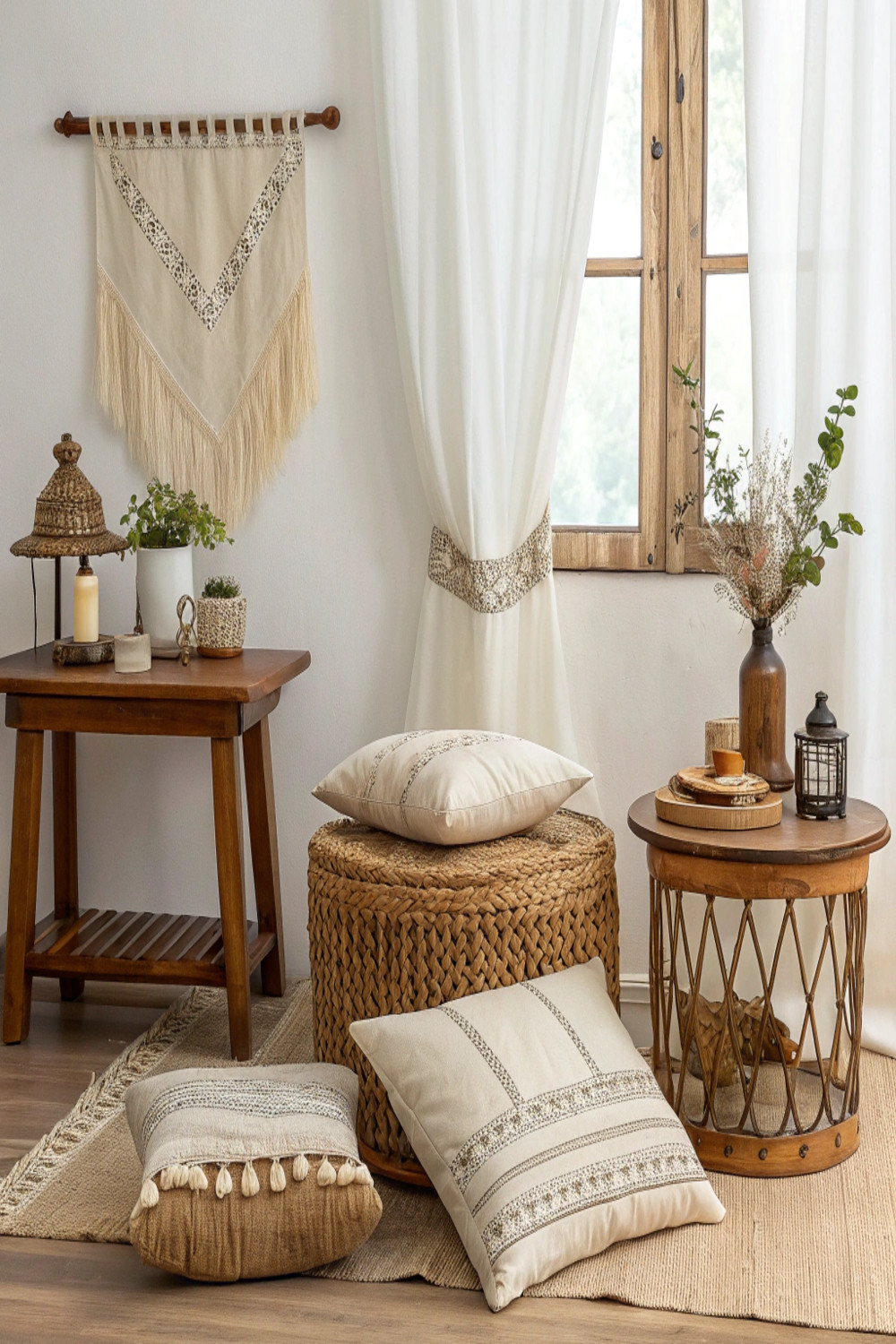
Creating stunning window ensembles doesn’t require breaking the bank. Consider these cost-effective approaches:
• Repurpose household fabrics like tablecloths, bed sheets, or scarves into unique valances
• Shop seasonal clearance sales for high-quality fabrics at discount prices
• Use no-sew hemming tape for simple straight valances without sewing skills
• Create custom-looking valances using tension rods rather than expensive hardware
• Enhance simple store-bought valances with trim, ribbons, or decorative buttons
DIY options abound for the crafty homeowner. Try a simple rod-pocket valance that requires minimal sewing, or experiment with fabric-wrapped foam board valances that create structured looks without complex construction. Even beginners can create pleated paper valances as temporary solutions that look surprisingly sophisticated.
For hardware savings, repurpose decorative elements like vintage doorknobs as unique finials, or paint inexpensive metal curtain rods with metallic finishes to mimic designer hardware at a fraction of the cost.
Common Mistakes to Avoid
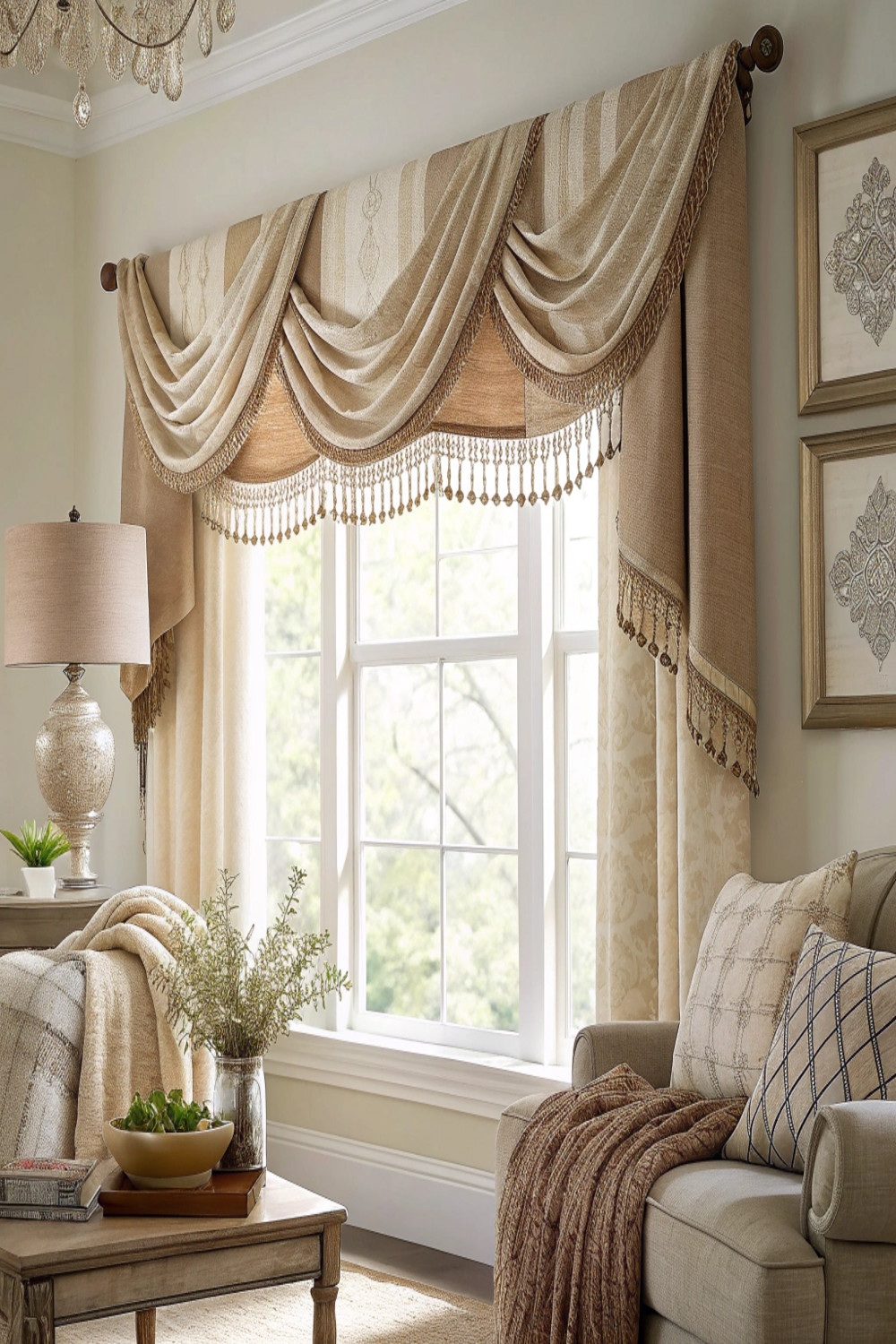
Even seasoned decorators can fall prey to these common window treatment pitfalls:
1. Incorrect proportions: Valances that are too short appear truncated while overly long ones overwhelm the window. The ideal valance depth is typically 1/4 to 1/6 of the window height.
2. Mounting too low: Hanging valances directly on the window frame shrinks visual height. Mount hardware 4-6 inches above the frame to create an expansive effect.
3. Fabric mismatch: Choosing valance fabrics that clash with adjacent window treatments creates visual discord. Ensure complementary textures and colors for cohesion.
4. Ignoring function: Beautiful but impractical valances in kitchens or bathrooms may absorb odors or moisture. Choose appropriate fabrics for each room’s specific conditions.
5. Pattern overwhelm: Large patterns on small valances get lost or appear disjointed. Scale patterns appropriately to your window size.
6. Hardware visibility: Exposed curtain rods and brackets detract from elegant valances. Ensure proper coverage of all mechanical elements.
Lighting Tips for a Better Atmosphere
Lighting and window treatments exist in symbiotic relationship. When selecting valances, consider how they’ll interact with natural light throughout the day. Lighter-colored, semi-transparent fabrics diffuse sunlight beautifully, creating a soft glow, while opaque fabrics offer more dramatic light blocking.
Layer your lighting sources to compensate for limited natural light. Install wall sconces beside windows to provide evening illumination that highlights your window treatments. Under-valance lighting strips can create dramatic effects, especially in dining areas or entertainment spaces.
Consider how your window coverings will appear when backlit by morning or evening sun. Some fabrics become nearly transparent when illuminated from behind, potentially compromising privacy. Test samples in different lighting conditions before making final selections.
For rooms where you’ll use both artificial and natural lighting, choose valance colors that complement both daylight and your chosen bulb temperature. Daylight-balanced LED lighting maintains fabric colors’ true appearance even after sunset.
Conclusion
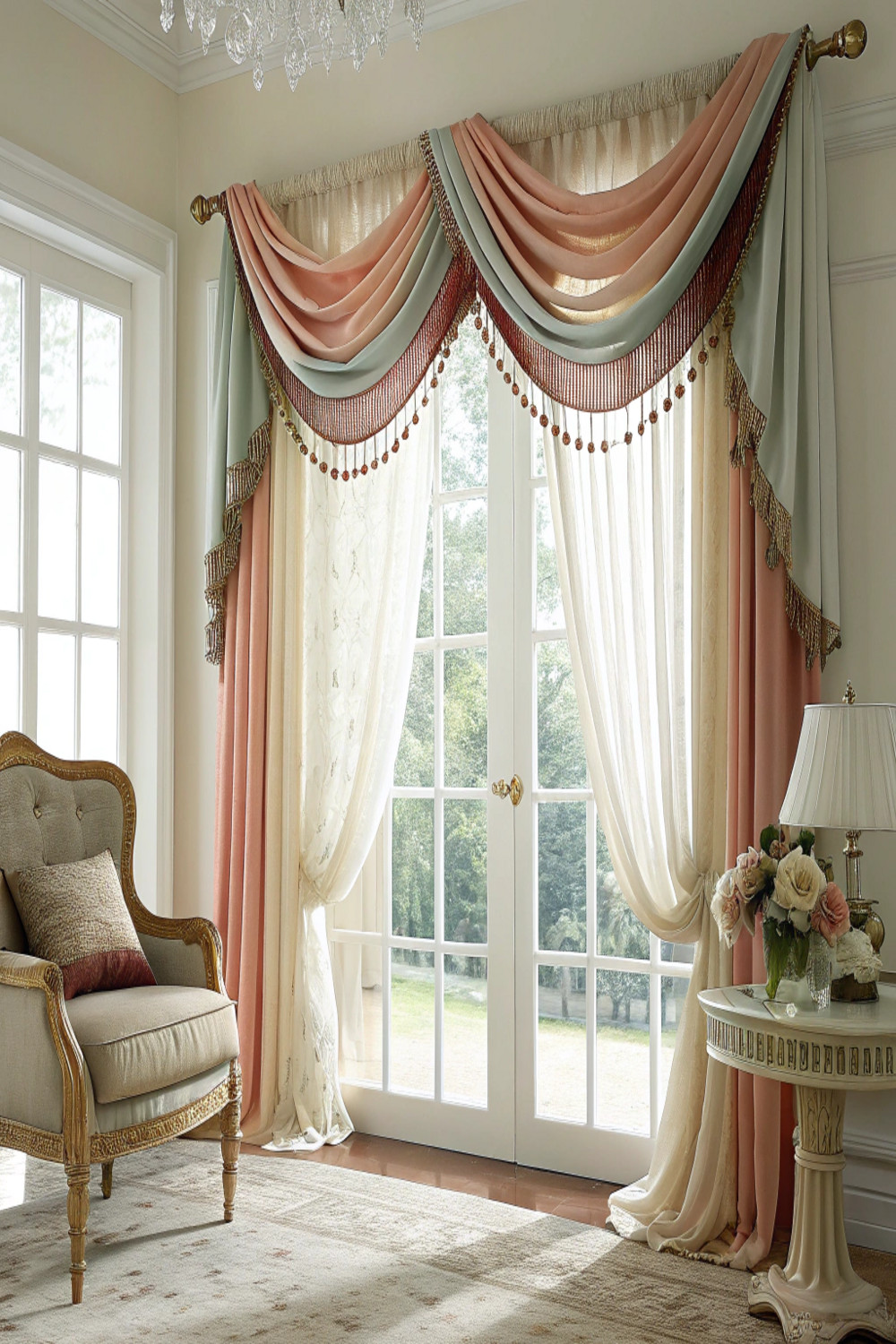
Transforming your space with the perfect valance valance and coordinating window treatments doesn’t require professional expertise—just thoughtful consideration of style, proportion, and function. By avoiding common pitfalls and embracing these practical tips, you can create window ensembles that elevate your entire space. Remember that these elements are more than decorative afterthoughts; they’re fundamental design anchors that shape how light, color, and texture interact in your home. Start with one room, apply these principles, and watch how this seemingly small change transforms the entire atmosphere. Have you updated your window treatments recently? Share your before-and-after photos in the comments!
FAQs
How high should I hang my valance above the window?
Mount valances 4-6 inches above the window frame to create the illusion of height. This placement draws the eye upward and makes ceilings appear higher while ensuring proper coverage of window hardware.
Can I use valances in modern or minimalist decor schemes?
Absolutely! Choose clean-lined, structured valances in solid colors or subtle textures. Avoid frills or excessive patterns and opt for natural fabrics like linen or cotton in neutral tones that complement your modern aesthetic.
What’s the difference between a valance, cornice, and pelmet?
A valance is a fabric treatment that drapes softly across the window top. A cornice is a structured, upholstered box that creates a more architectural look. A pelmet is a shallow, flat decorative board that conceals curtain hardware without the fabric fullness of a valance.
How do I coordinate valances with other window treatments?
Either match your valance exactly to your curtains for a cohesive look, or create contrast with complementary colors and textures. Ensure pattern scales are harmonious—if using multiple patterns, vary their sizes while keeping colors consistent.
What fabric is best for kitchen or bathroom valances?
Choose washable, moisture-resistant fabrics like polyester blends or treated cotton for these high-humidity spaces. Avoid silk or delicate fabrics that can water-spot or mildew, and consider fade-resistant options for windows with direct sunlight.