How to Create a Cozy Farmhouse Living Room in 7 Steps
Introduction
When it comes to creating a warm, inviting space in your home, the farmhouse living room style continues to captivate homeowners with its perfect blend of comfort and rustic charm. Many homeowners struggle to achieve this look without breaking the bank or ending up with a space that feels contrived rather than authentic. The key lies in understanding how to select and arrange farmhouse living room decor elements that complement each other while creating that lived-in, welcoming atmosphere that farmhouse style is known for. With the right approach, you can transform your living space into a cozy retreat that feels both timeless and personal, regardless of your budget or the size of your room.
Table of Contents
Understanding the Best Decor Style
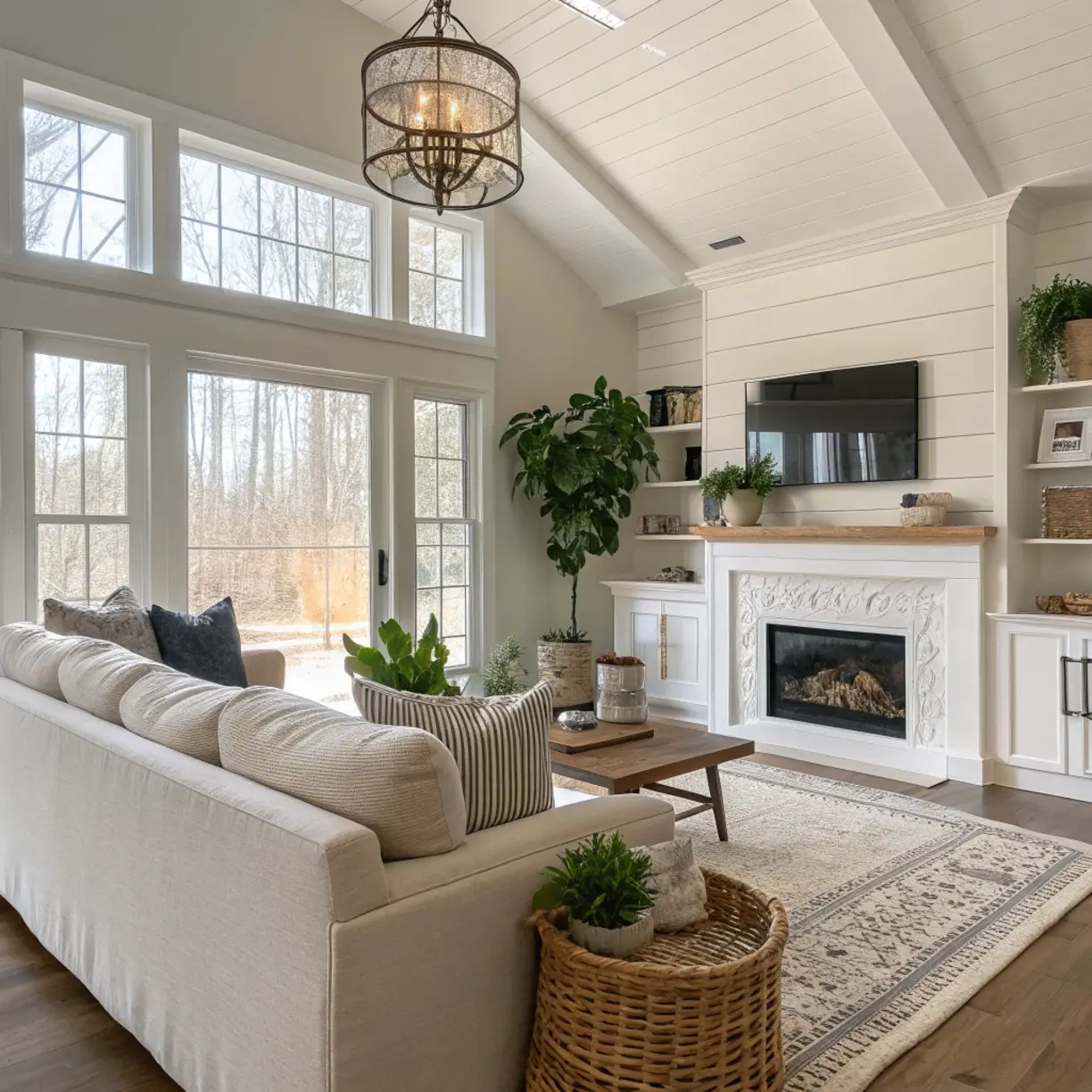
The farmhouse style is beloved for its blend of practicality, comfort, and unpretentious elegance. This style typically incorporates natural materials like wood and stone, neutral color palettes with pops of muted colors, and vintage or antique elements that tell a story. When choosing your approach, consider whether you prefer modern farmhouse (cleaner lines, more minimal), traditional farmhouse (more rustic elements, vintage pieces), or coastal farmhouse (lighter colors, beachy accents).
The best farmhouse style for your space should reflect your personal taste while considering your home’s architectural features. Homes with exposed beams or hardwood floors naturally lend themselves to farmhouse aesthetics, but even contemporary spaces can be transformed with the right elements. Focus on creating a cohesive look that feels collected over time rather than purchased all at once – this authenticity is what gives farmhouse spaces their enduring appeal.
Essential Decor Tips
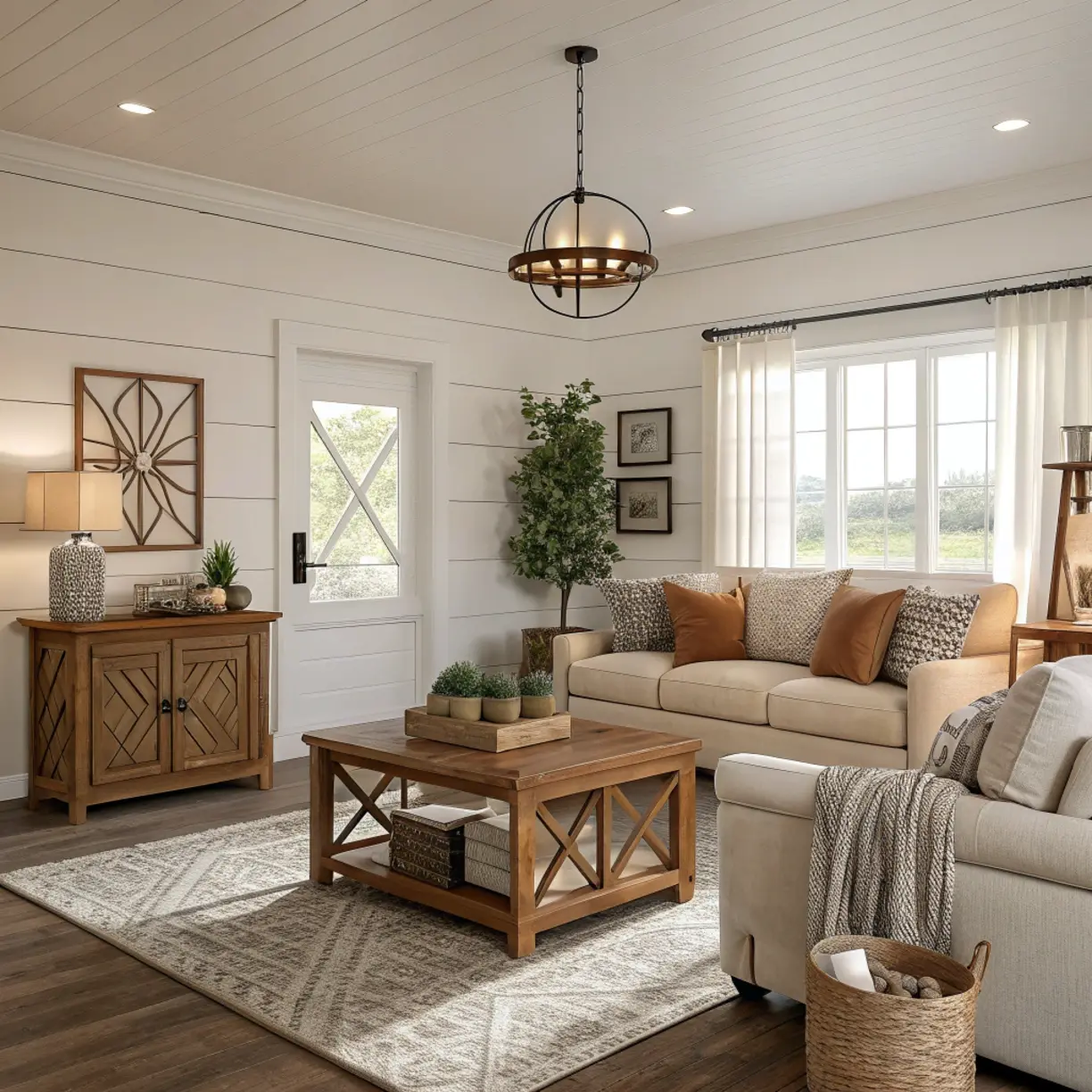
Creating a welcoming farmhouse living room starts with focusing on these core principles:
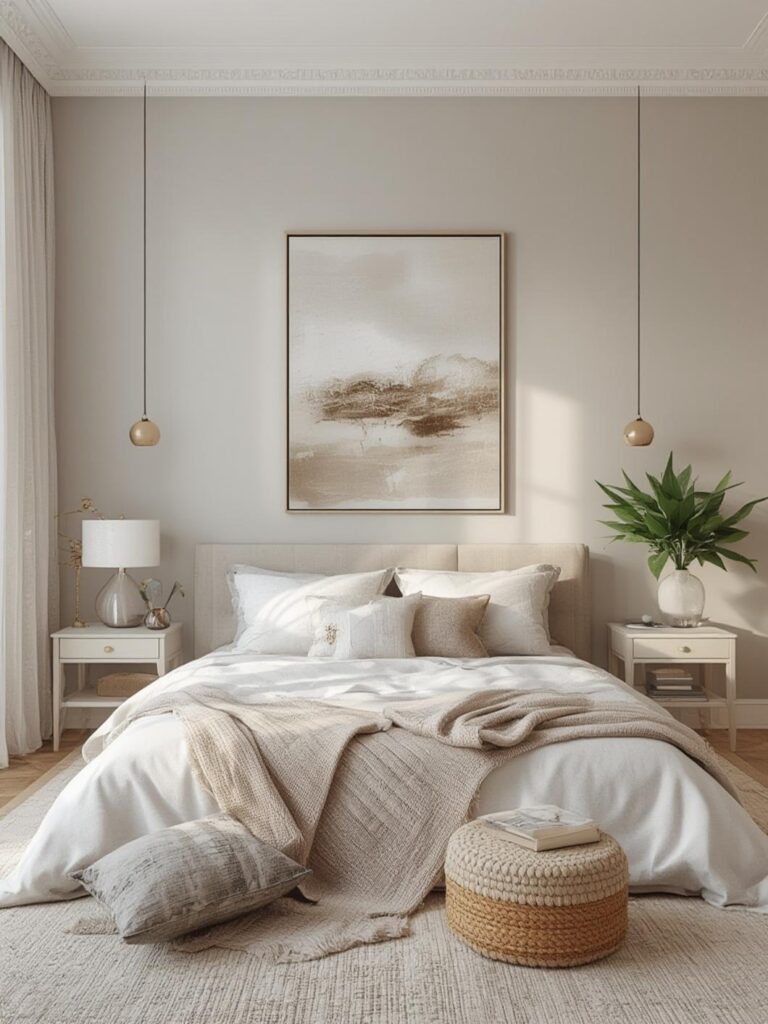
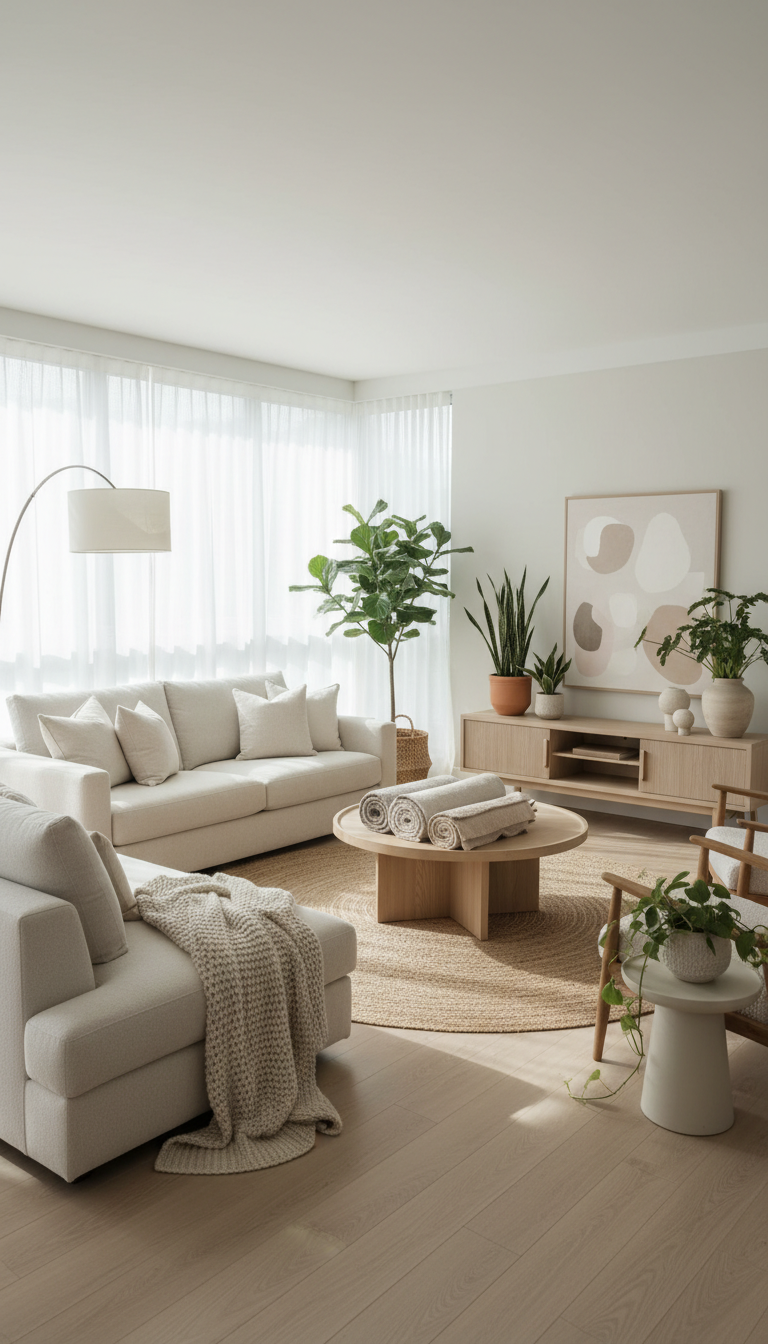
1. Layer textures: Incorporate wood, metal, fabric, and natural fibers to create visual interest and depth. Consider adding a chunky knit throw on a leather sofa or jute rug under a wooden coffee table.
2. Choose the right furniture: Opt for comfortable, slightly oversized pieces with simple, classic lines. A slipcovered sofa in natural linen or cotton offers both comfort and practicality.
3. Create conversation areas: Arrange furniture to facilitate interaction rather than facing a TV. Consider using two smaller sofas facing each other instead of one large sectional.
4. Add architectural interest: Incorporate shiplap, beadboard, or reclaimed wood elements to add character to plain walls.
5. Balance old and new: Mix vintage finds with new pieces to create a space that feels collected over time rather than purchased all at once.
The farmhouse living room decor should feel intentional but not overly coordinated – the charm lies in creating a space that feels both curated and lived-in.
Budget-Friendly Decor Ideas
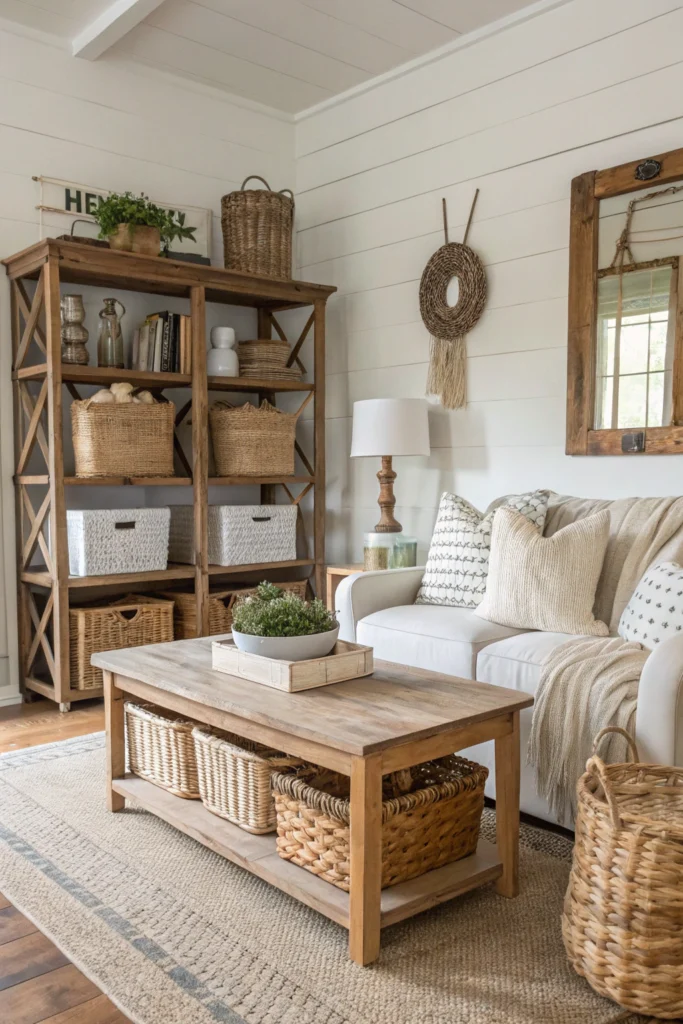
Creating a beautiful farmhouse living room doesn’t require a massive budget. Consider these affordable approaches:
• Repurpose and upcycle: Transform old wooden crates into side tables, repaint existing furniture in neutral tones, or convert vintage windows into wall art.
• Shop secondhand: Thrift stores, estate sales, and flea markets are treasure troves for authentic farmhouse pieces at a fraction of retail prices.
• DIY wall decor: Create simple canvas art with neutral colors, frame botanical prints, or arrange a gallery wall of family photos in mismatched but cohesive frames.
• Bring in natural elements: Fill glass jars with dried wheat, display seasonal branches in a crockery vase, or add inexpensive cotton stems to ceramic pitchers.
• Refresh with textiles: New throw pillows, a slipcover for an existing sofa, or an area rug can dramatically change your space for a reasonable investment.
Remember that the farmhouse style celebrates imperfection – slightly worn items, handcrafted pieces, and items with character often work better than brand-new mass-produced decor.
Common Mistakes to Avoid
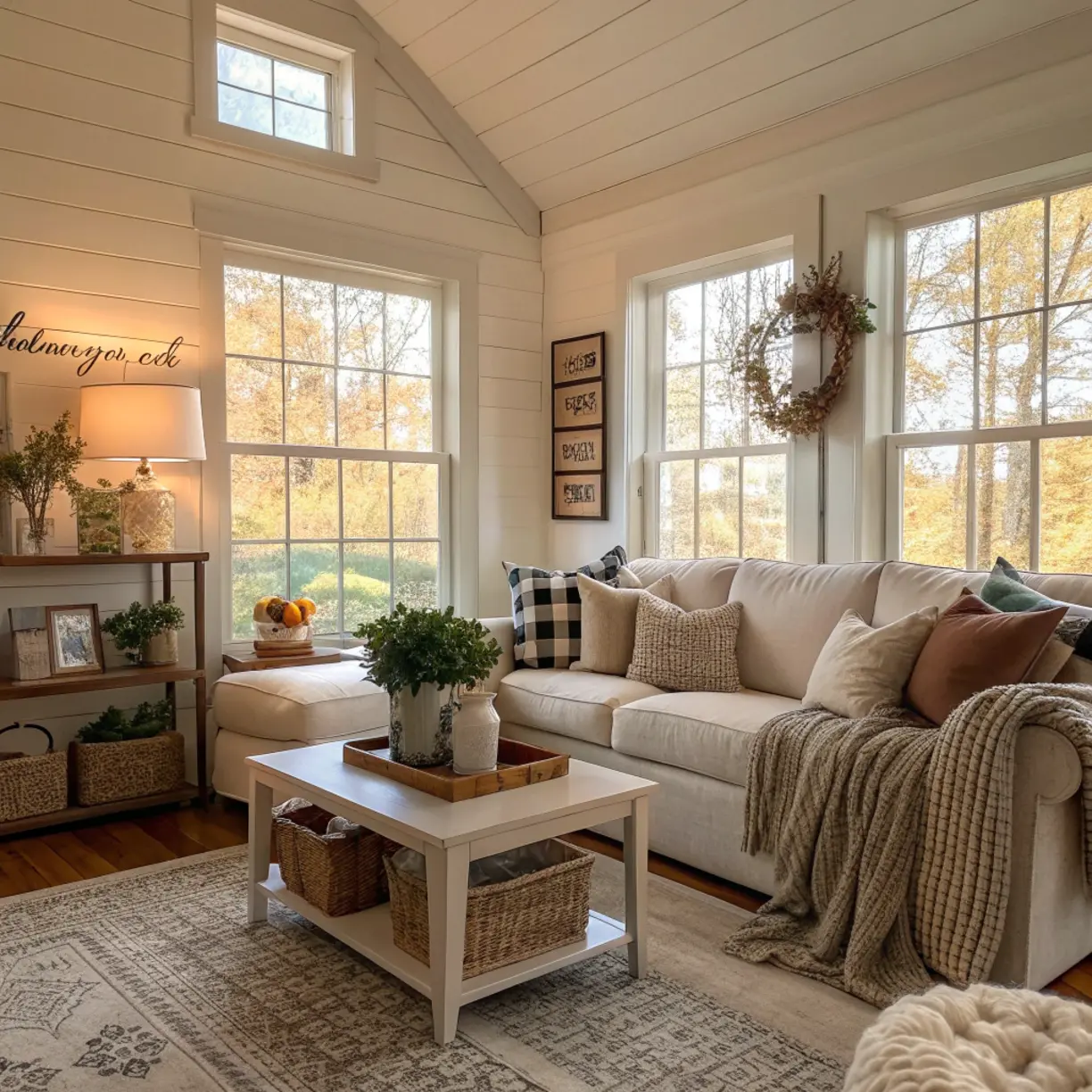
Even seasoned decorators can fall into these farmhouse decor pitfalls:
1. Over-theming: Avoid filling your space with “farmhouse” signs and excessive rustic elements. Authentic farmhouse spaces feel collected, not themed.
2. Ignoring scale: Farmhouse style often features substantial furniture, but pieces that are too large will overwhelm your space while items that are too small will look insignificant.
3. Going too neutral: While farmhouse style embraces neutral colors, a room without any color variation can feel flat and uninspiring. Incorporate muted blues, greens, or warm terracottas for depth.
4. Neglecting functionality: Remember that traditional farmhouses prioritized practicality – make sure your beautiful space remains comfortable and usable.
5. Matching everything: Authentic farmhouse spaces evolved over time, so perfectly matched furniture sets look unnatural in this style. Aim for coordinated rather than matching elements.
These mistakes can be easily avoided with thoughtful planning and by focusing on creating a space that feels authentic rather than simply replicating images from social media.
Lighting Tips for a Better Atmosphere
Lighting is crucial for creating the warm, inviting atmosphere essential to farmhouse style. Consider these approaches:
• Layer your lighting sources: Combine overhead fixtures, table lamps, floor lamps, and accent lighting to create a flexible lighting scheme that can be adjusted throughout the day.
• Choose fixtures with character: Look for pendant lights with metal shades, simple chandeliers with wood or iron elements, or repurposed vintage fixtures that add personality.
• Incorporate warm bulbs: Select bulbs with a color temperature between 2700-3000K for a warm, golden glow that enhances the cozy feeling.
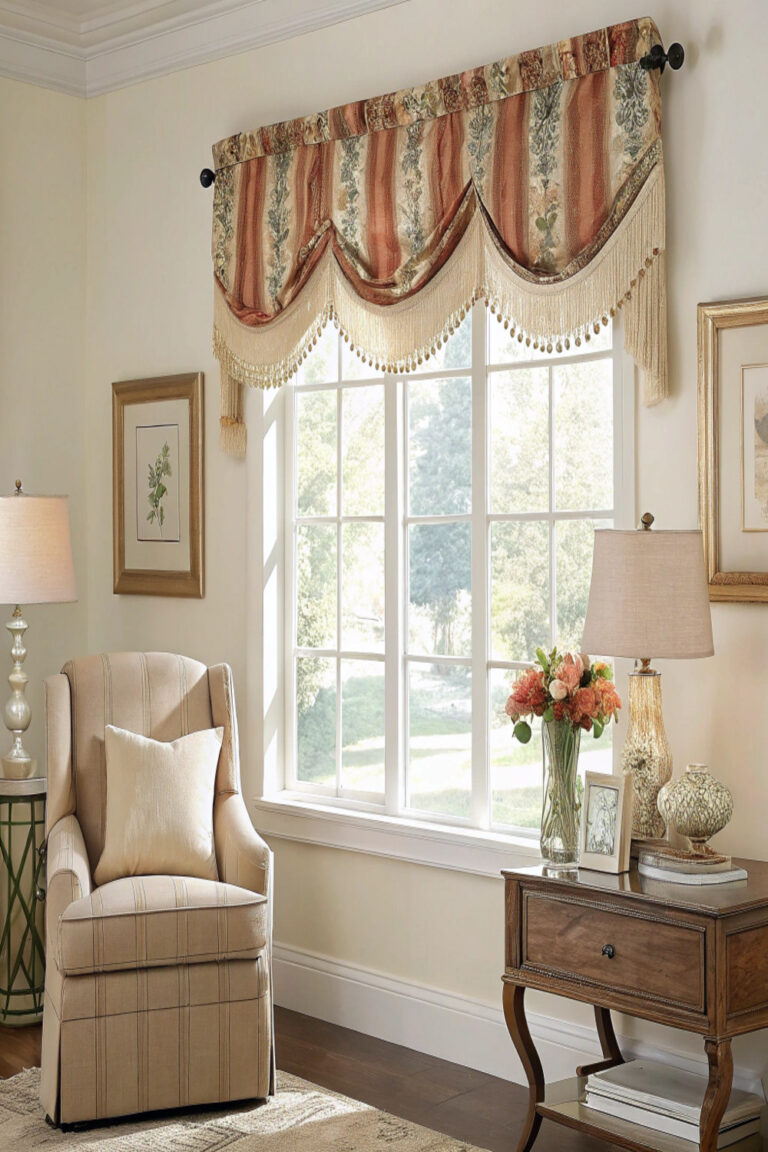
• Maximize natural light: Keep window treatments simple and light-filtering rather than light-blocking. Consider white or off-white curtains that diffuse sunlight beautifully.
• Add ambient lighting: String lights in glass jars, candles on wooden trays, or a simple fireplace (even electric) can create magical ambient lighting for evening relaxation.
The right lighting transforms your farmhouse living room from merely decorative to truly atmospheric and comfortable at any time of day.
Conclusion
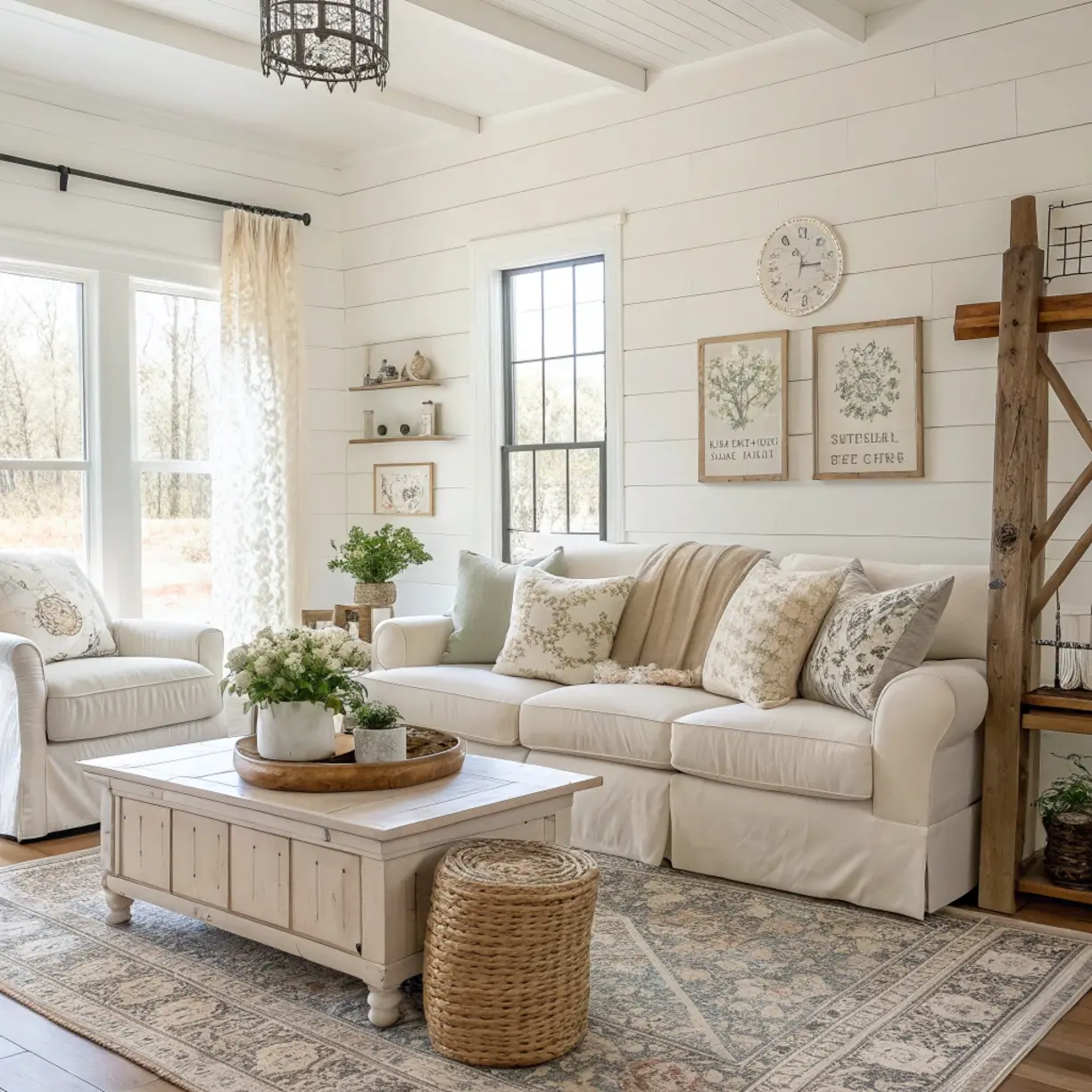
Creating a beautiful farmhouse living room is about balancing aesthetics with comfort, authenticity with personal style. By layering textures, mixing old with new, and being mindful of common pitfalls, you can create a space that feels both timeless and uniquely yours. The most successful farmhouse living room decor approaches prioritize function alongside beauty, creating spaces that not only look good in photos but truly enhance your everyday living experience. Start by implementing one or two of these suggestions, and gradually build your perfect farmhouse space over time – after all, the most authentic farmhouse rooms evolve naturally rather than appearing overnight. We’d love to see how you transform your living space – share your before and after photos or explore our related posts for more specific farmhouse decor inspiration!
FAQs
What colors work best for a farmhouse living room?
Neutral colors like white, cream, beige, and gray form the perfect base palette. Add depth with muted blues, sage greens, dusty pinks, or warm terracottas. Avoid bright, bold colors in large doses as they can detract from the calm, cozy atmosphere farmhouse style aims to create.
How can I make my farmhouse living room look authentic rather than trendy?
Focus on quality over quantity, incorporate genuine vintage pieces, embrace natural materials, and allow your space to evolve over time rather than decorating all at once. Authentic farmhouse spaces tell a story and reflect the people who live there.
What’s the difference between rustic and farmhouse style?
Rustic style tends to be more rugged, featuring rougher textures, darker woods, and a more cabin-like aesthetic. Farmhouse style is generally lighter, cleaner, and more refined while still maintaining casual comfort. Farmhouse often incorporates more white, light woods, and metal accents.
How do I incorporate modern elements without losing the farmhouse feel?
Balance is key – pair modern lighting with vintage furniture, or add a sleek coffee table to a room with shiplap walls. The modern farmhouse aesthetic works best when traditional farmhouse elements are simplified and given cleaner lines while maintaining natural materials and textures.
What are some must-have elements for a farmhouse living room?
While there’s no strict formula, most successful farmhouse living rooms include wood elements, comfortable upholstered furniture, mixed metals, natural textiles, some vintage or antique pieces, and plenty of texture. A neutral base palette with subtle color accents also helps create the signature farmhouse feel.