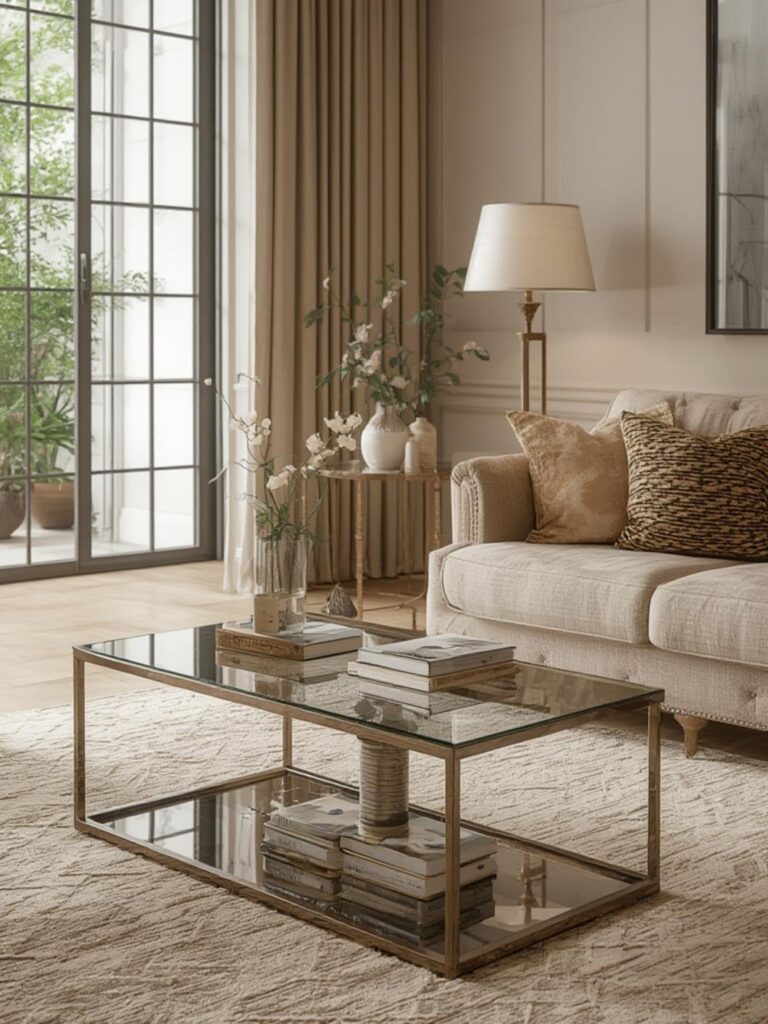

10 Cozy Living Room Ideas for a Warm and Inviting Home
There’s a difference between a living room that looks good and one that feels good. You can tell the moment you walk in. The second kind makes you want to kick off your shoes, sink into the sofa, and stay a while.
The good news is that you don’t need a full renovation to get there. Most of the cozy living room ideas below come down to small, deliberate choices: the texture of a throw, the color of a light bulb, the way a chair is angled. Together, they change how a room feels.
Here are ten ideas I’d start with, along with practical tips for making each one work in a real home.
Key Takeaways
- Texture and layering do more for coziness than any single piece of furniture.
- Warm, low-level lighting is one of the fastest ways to change a room’s mood.
- A restrained, earthy color palette makes a space feel calm and settled.
- Natural materials, greenery, and scent add depth that decor alone can’t.
- Cozy doesn’t mean cluttered. Edit as carefully as you add.
Table of Contents
1. Layer Textures With Throws and Chunky Knits
If you only try one of these cozy living room ideas, make it this one. Texture is what separates a cozy room from a merely tidy one.
Start with a soft throw draped over the arm of the sofa, then add a second in a different weave, such as a chunky knit next to a smooth wool or a waffle cotton. Keep the colors within the same family so the layers feel intentional rather than random.
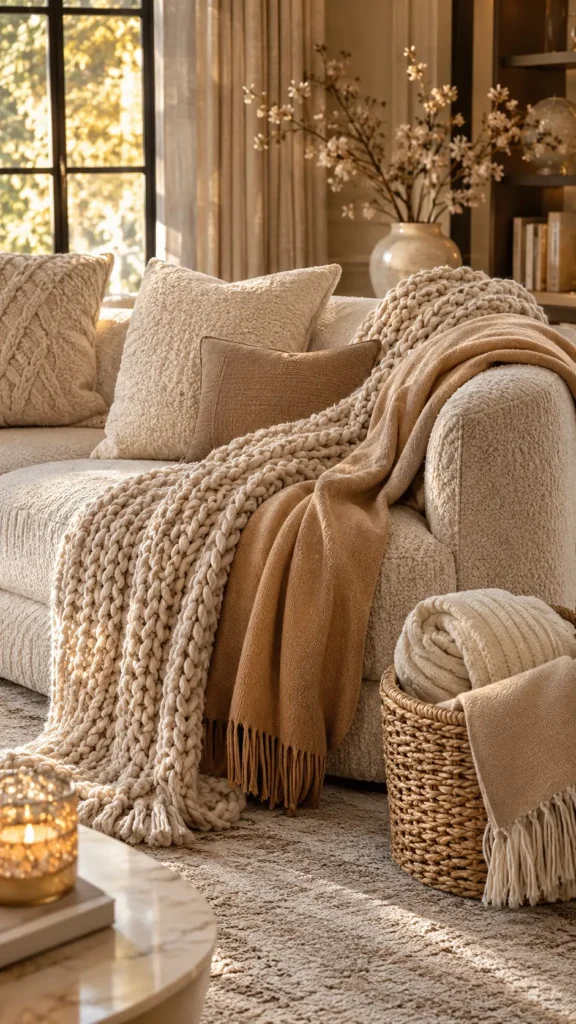
Try this: Fold one throw over the back of the sofa and keep another in a basket nearby. It looks inviting and gives guests an easy way to get comfortable.
2. Choose Warm, Layered Lighting
Harsh overhead lighting is the quickest way to flatten a room’s atmosphere. Cozy spaces rely on several lower, softer light sources placed at different heights.
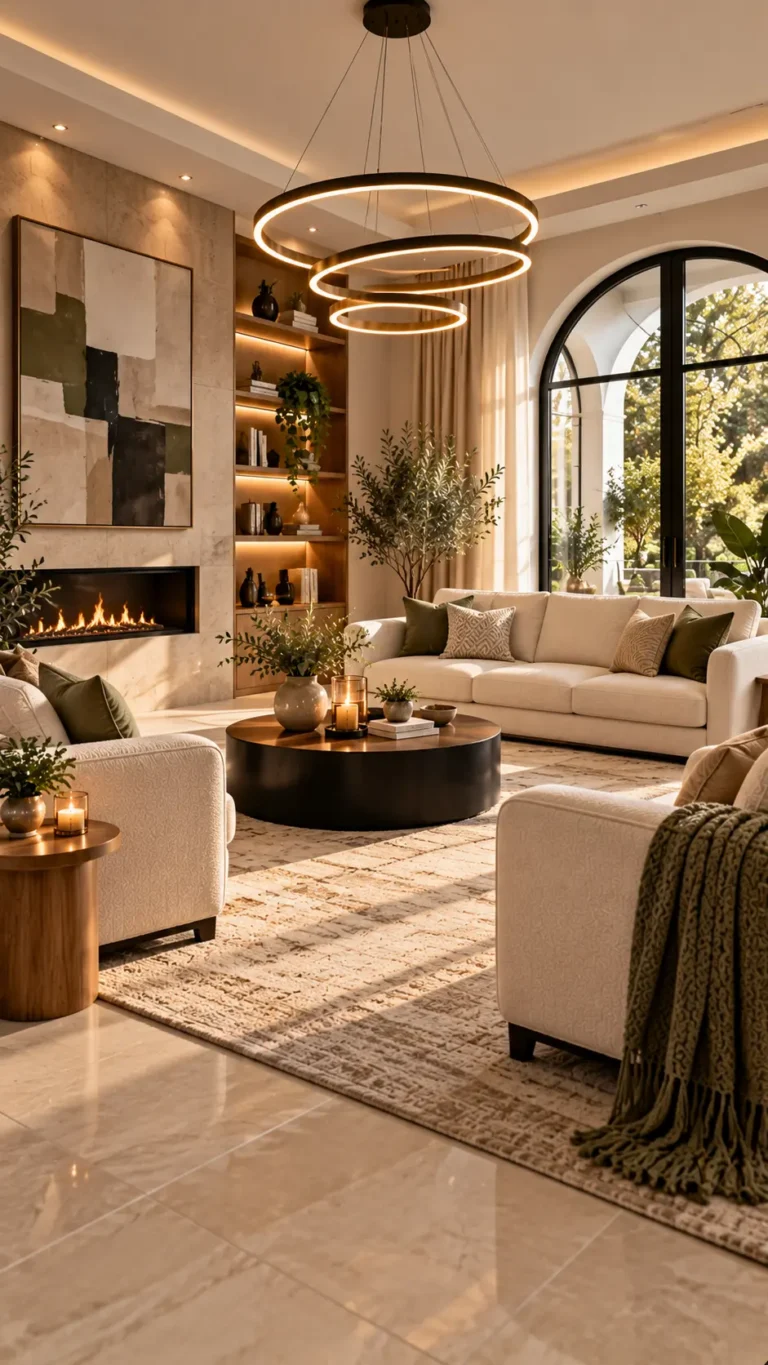
Combine a floor lamp, a table lamp, and perhaps a small accent light on a shelf. Look for bulbs labeled “warm white” or around 2700K, which produces a soft, amber-toned glow rather than a cold, bluish one. A dimmer switch is a worthwhile upgrade if you can add one.
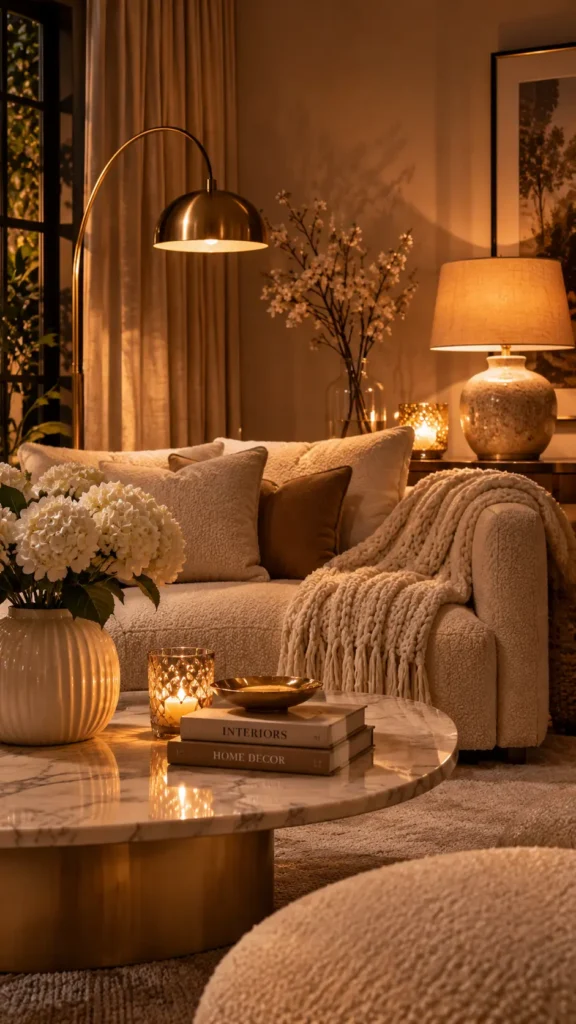
Try this: In the evening, turn off the main ceiling light and use only lamps. The difference is immediate.
3. Use a Warm, Earthy Color Palette
Color sets the emotional temperature of a room. For a cozy feel, lean toward warm neutrals and earthy tones: cream, oatmeal, terracotta, soft clay, olive, and deep browns.
You don’t have to repaint to get this effect. Cushions, curtains, art, and a rug can introduce the palette gradually. If you do paint, a warm off-white or a muted, slightly deeper shade often feels more inviting than a stark bright white.

Try this: Pick three colors and repeat each at least twice in the room. Repetition makes a palette look considered.
4. Add a Statement Rug for Softness Underfoot
A rug anchors the seating area and adds warmth, both visually and literally. Bare floors can make even a well-furnished room feel a bit echoey.
Choose a rug large enough that at least the front legs of your sofa and chairs sit on it. Too small a rug makes the room feel disconnected. Materials like wool, or a thick pile in a natural fiber blend, add depth and comfort, and a subtle pattern helps hide everyday wear.
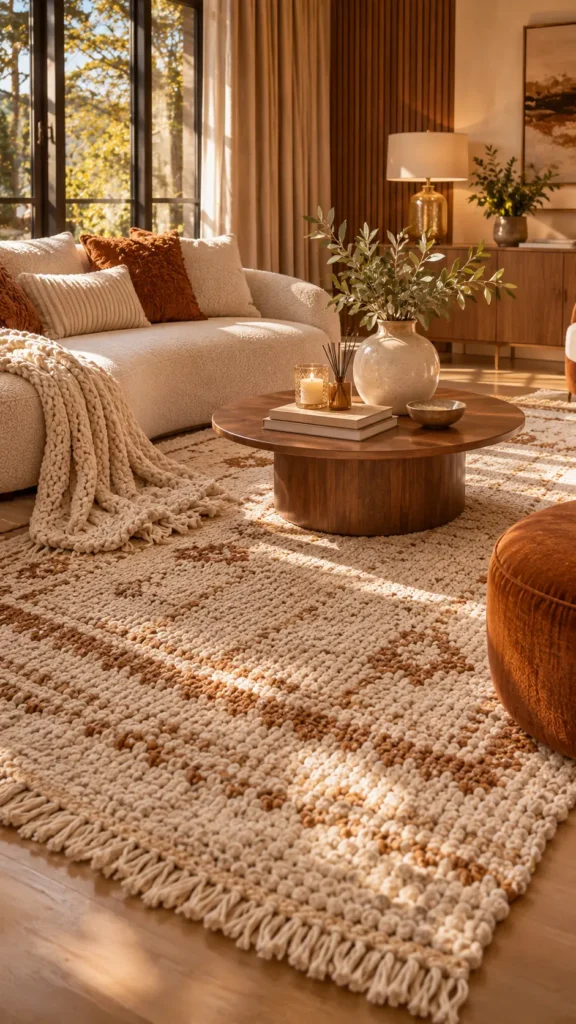
Try this: If you already have a rug you like, layer a smaller textured one on top for added dimension.
5. Bring in Natural Wood and Organic Materials
Natural materials give a room a grounded, lived-in warmth that synthetic finishes rarely match. Wood, rattan, linen, jute, stone, and ceramic all work well here.
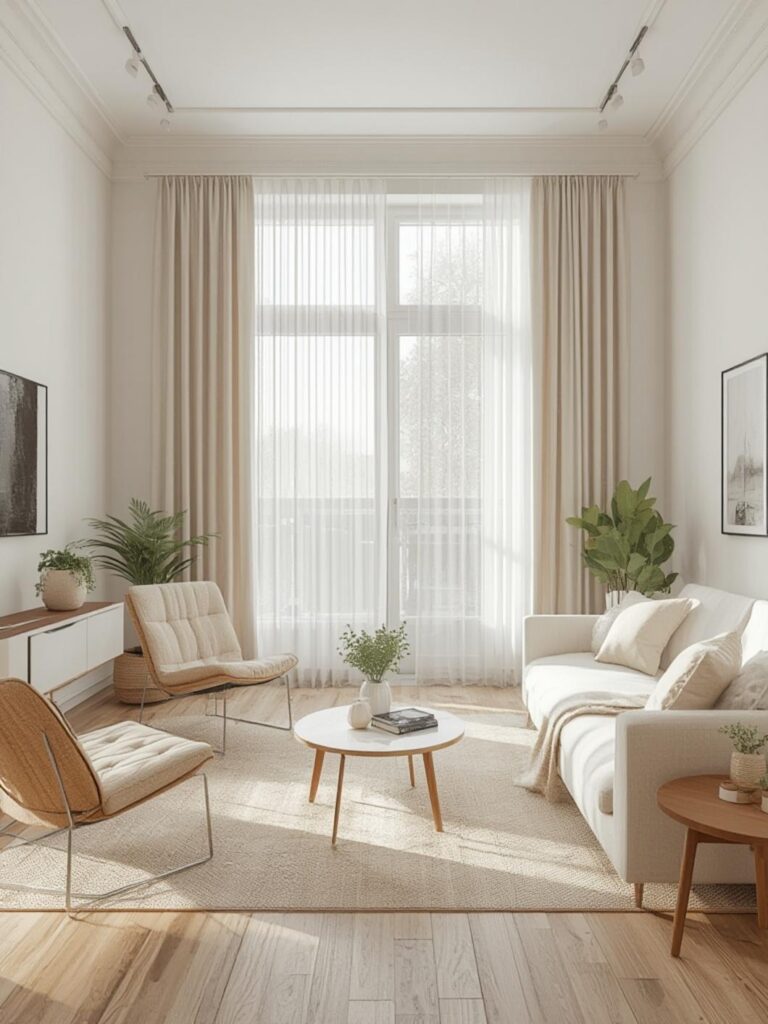
A wooden coffee table, a woven basket for blankets, or linen curtains that let in soft light can shift the whole feel of the space. Mixing a few different wood tones is perfectly fine, as long as the undertones are similarly warm.

Try this: Swap one glossy or metallic surface, such as a plastic tray or chrome lamp, for a wood or ceramic alternative and see how the room softens.
6. Style a Cozy Reading Corner
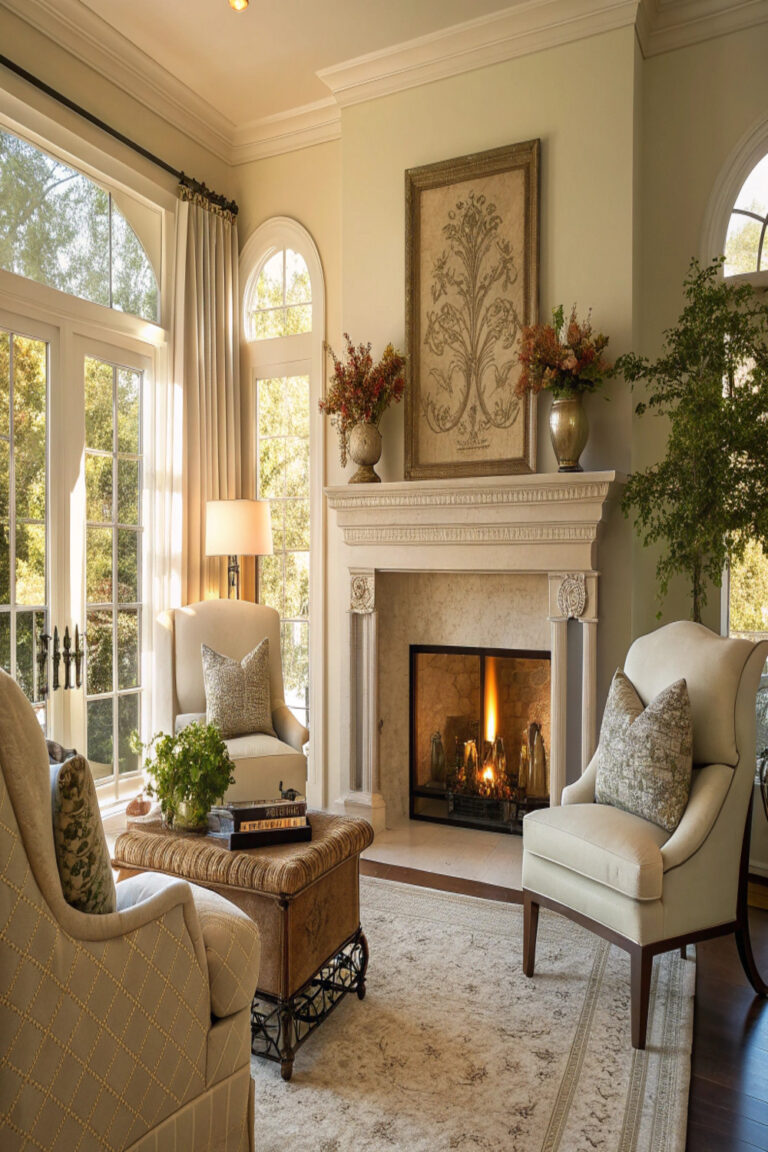
Every living room benefits from at least one spot that invites you to settle in. A reading corner doesn’t require much space: a comfortable armchair, a small side table, and good lighting are enough.
Add a throw, a cushion for lumbar support, and a few books within reach. Position the chair near a window for daylight, and place a lamp beside it for evenings.
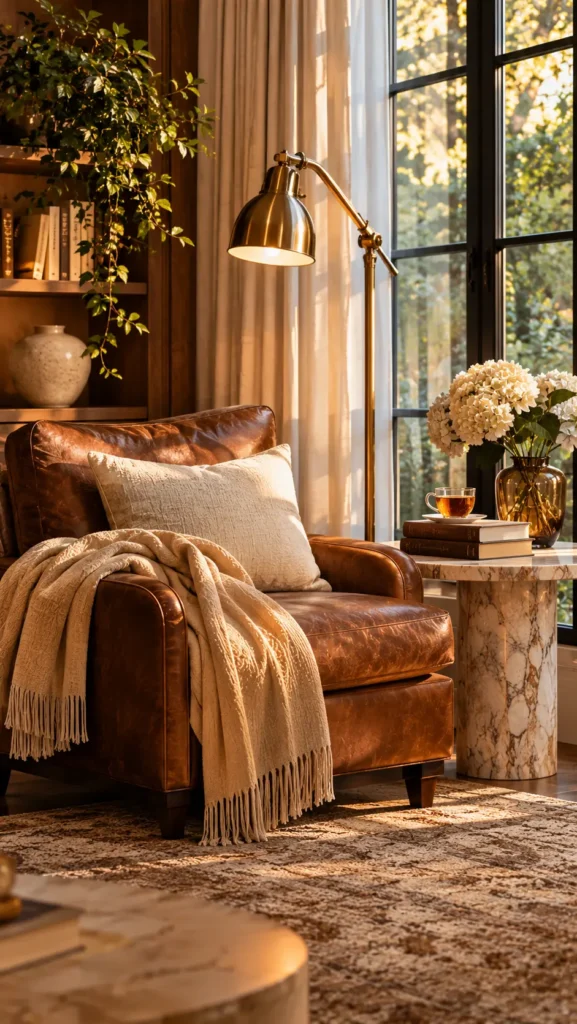
Try this: Angle the chair slightly toward the room rather than pushing it flat against a wall. It feels more welcoming and less like an afterthought.
7. Mix Cushions in Varied Sizes and Fabrics
Cushions are one of the simplest and most affordable ways to add comfort and personality. The key is variety without chaos.
Combine different sizes, such as two larger square cushions at the back and a smaller lumbar cushion in front. Mix fabrics like velvet, linen, bouclé, and knit, and keep them within your chosen palette. Odd numbers, typically three or five per sofaerhba, tend to look more natural than perfectly matched pairs.

Try this: Choose cushion inserts that are slightly larger than the covers. The fuller shape looks more polished and feels more comfortable.
8. Add Greenery and Dried Florals
Plants bring life and softness to a room, and they help balance the hard edges of furniture and electronics. Even one or two make a visible difference.
If you don’t have much natural light or a green thumb, hardier options such as snake plants, pothos, and ZZ plants are forgiving. Dried flowers, pampas grass, or branches in a ceramic vase add an earthy, no-maintenance touch and suit the warm palette well.

Try this: Group plants or vases at different heights instead of spacing them evenly around the room.
9. Use Candles and Scent for Atmosphere
Coziness isn’t only visual. Soft candlelight and a pleasant scent engage other senses and make a room feel more personal.
Group a few candles of varying heights on a tray or the coffee table. If you prefer scent, look for warm notes like vanilla, cedar, amber, or sandalwood. Never leave candles burning unattended, and consider flameless LED candles if you have pets or small children.
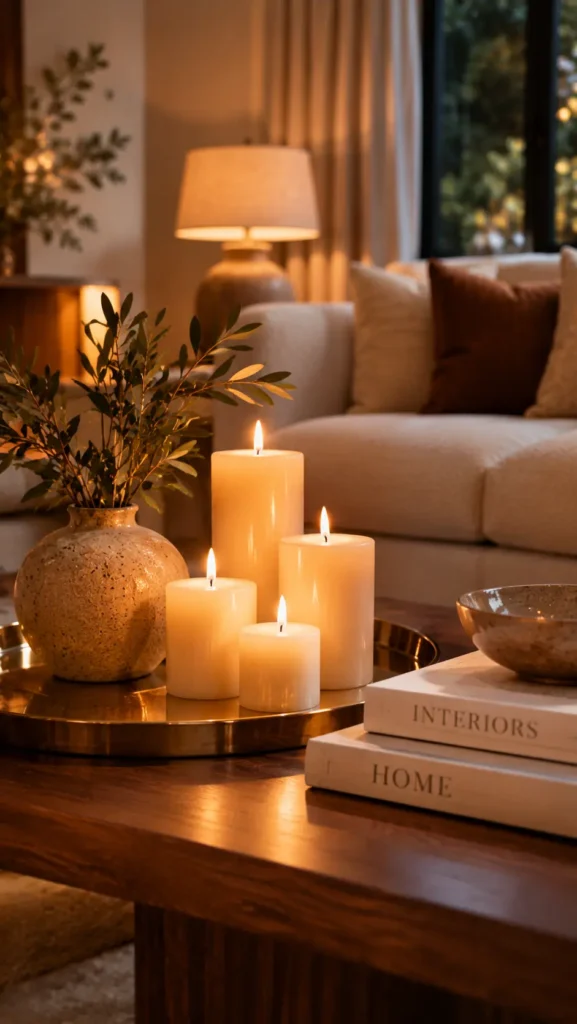
Try this: Keep scents subtle. A faint, consistent fragrance feels welcoming; an overpowering one can feel like too much.
10. Create a Conversation-Friendly Seating Layout
Furniture arrangement has a bigger effect on atmosphere than many people realize. If every seat faces the television, the room feels functional but not especially warm.
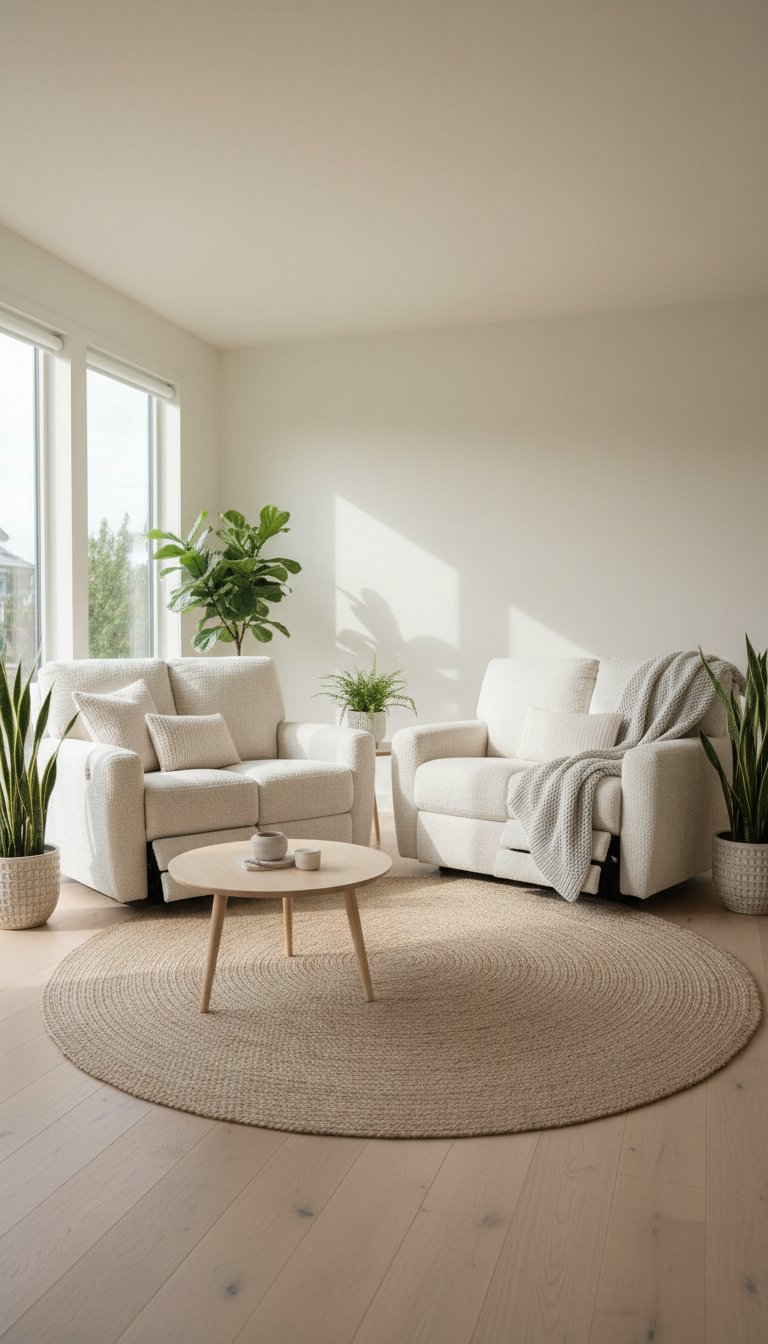
Arrange seating so people can face each other comfortably, with the sofa and chairs forming a loose U or L shape. Keep a side table within reach of each seat and leave clear walkways so the room feels open rather than crowded.

Try this: Pull furniture a few inches away from the walls. It creates a more intimate, gathered feel, even in a smaller room.
How to Keep a Cozy Living Room From Feeling Cluttered
Cozy and cluttered are not the same thing. A warm room still needs breathing space. As a general rule, edit as you go: for every new item you add, consider whether it earns its place. Leave some surfaces clear, store extras in baskets or closed cabinets, and focus on a few meaningful pieces rather than many small ones.
Frequently Asked Questions
How can I make my living room cozier on a budget?
Start with low-cost changes: warm light bulbs, extra throws and cushions, a few plants, and candles. These make a noticeable difference without large spending.
What colors make a living room feel warm and inviting?
Warm neutrals and earthy tones, including cream, beige, terracotta, olive, and soft browns, are reliable choices. Using them in layers, rather than as a single flat color, adds depth.
Can a small living room still feel cozy?
Absolutely. Small rooms often feel cozier naturally. Focus on soft lighting, a well-sized rug, and a few well-chosen pieces rather than filling every corner.
What is the single most effective change for coziness?
For most rooms, it’s lighting. Swapping harsh overhead light for warm lamps changes the mood almost instantly.
Final Thoughts
A cozy living room doesn’t come from a single purchase. It builds up through layers: soft textures, warm light, natural materials, and a layout that invites people to sit and talk. Start with one or two of these cozy living room ideas, live with the changes for a week, and then add more as the room tells you what it needs.
Which of these ideas are you planning to try first? Leave a comment below and share what’s working in your space. And if this post helped, save it to Pinterest so you can come back to it when you’re ready to refresh your home.