Best way to Create 5 Stunning Small Living Room Layouts
Are you struggling with limited space in your living area? The challenge of designing a functional yet stylish small living room layout is something many homeowners face. Creating a comfortable living space in compact quarters requires thoughtful planning, especially when it comes to small space furniture arrangement. The good news is that with strategic decorating approaches, even the tiniest living rooms can feel spacious and inviting.
In this guide, we’ll explore practical solutions that transform challenging dimensions into cozy, functional spaces. From choosing properly scaled furniture to implementing clever storage solutions, these tips will help you make the most of every square inch without sacrificing style or comfort. Let’s discover how to create a living room that feels expansive despite its modest footprint.
Table of Contents
Understanding the Best Decor Style
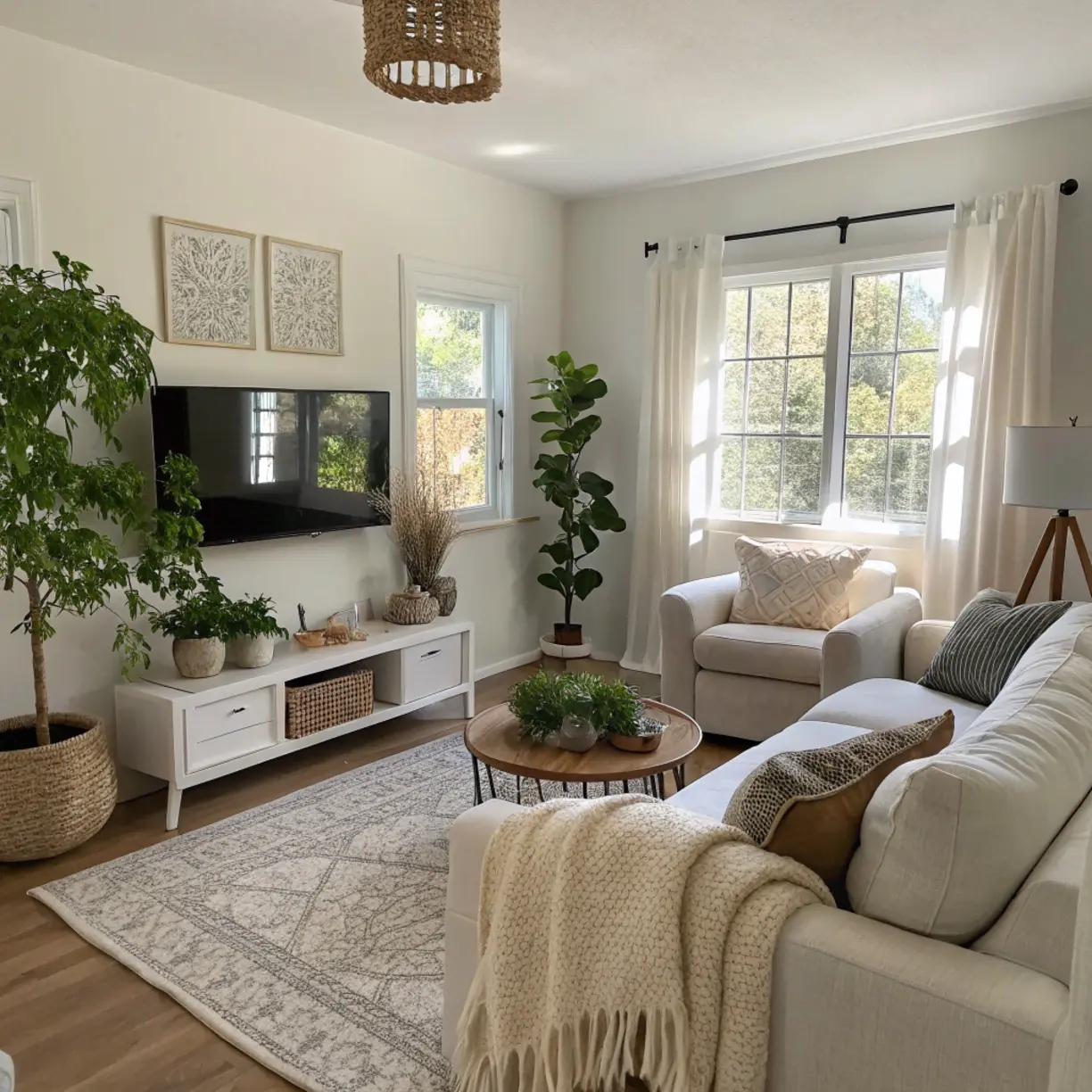
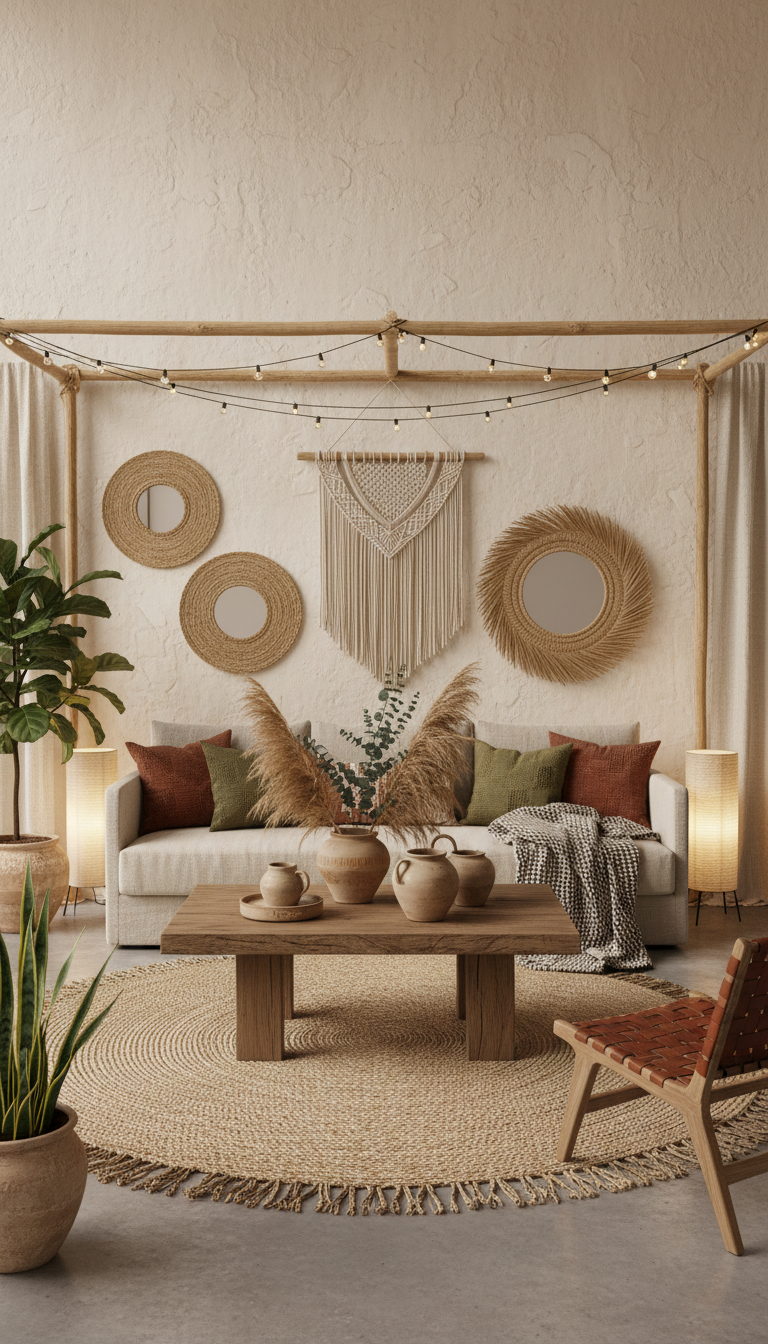
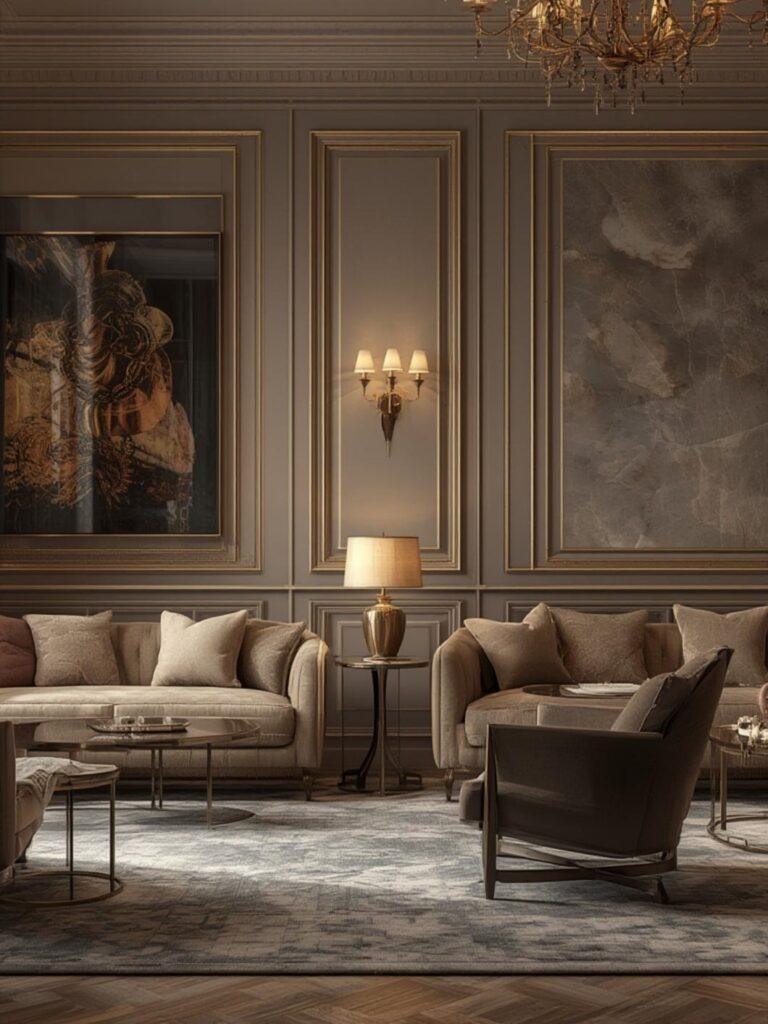
Selecting the right decor style is crucial for small living spaces as it affects both aesthetics and functionality. Minimalist and Scandinavian styles typically work well in compact areas, featuring clean lines and light colors that create an airy atmosphere. Mid-century modern offers slim-profile furniture that doesn’t overwhelm limited space, while contemporary styles often include multi-functional pieces perfect for versatile use.
Consider your lifestyle needs when choosing a style. Do you need a space primarily for relaxation, entertaining, or perhaps both? A family with children might prioritize durability and storage, while someone who frequently hosts guests might focus on flexible seating arrangements. The key is finding a balance between personal preference and practical application—your style should reflect your personality while addressing spatial constraints.
Essential Decor Tips
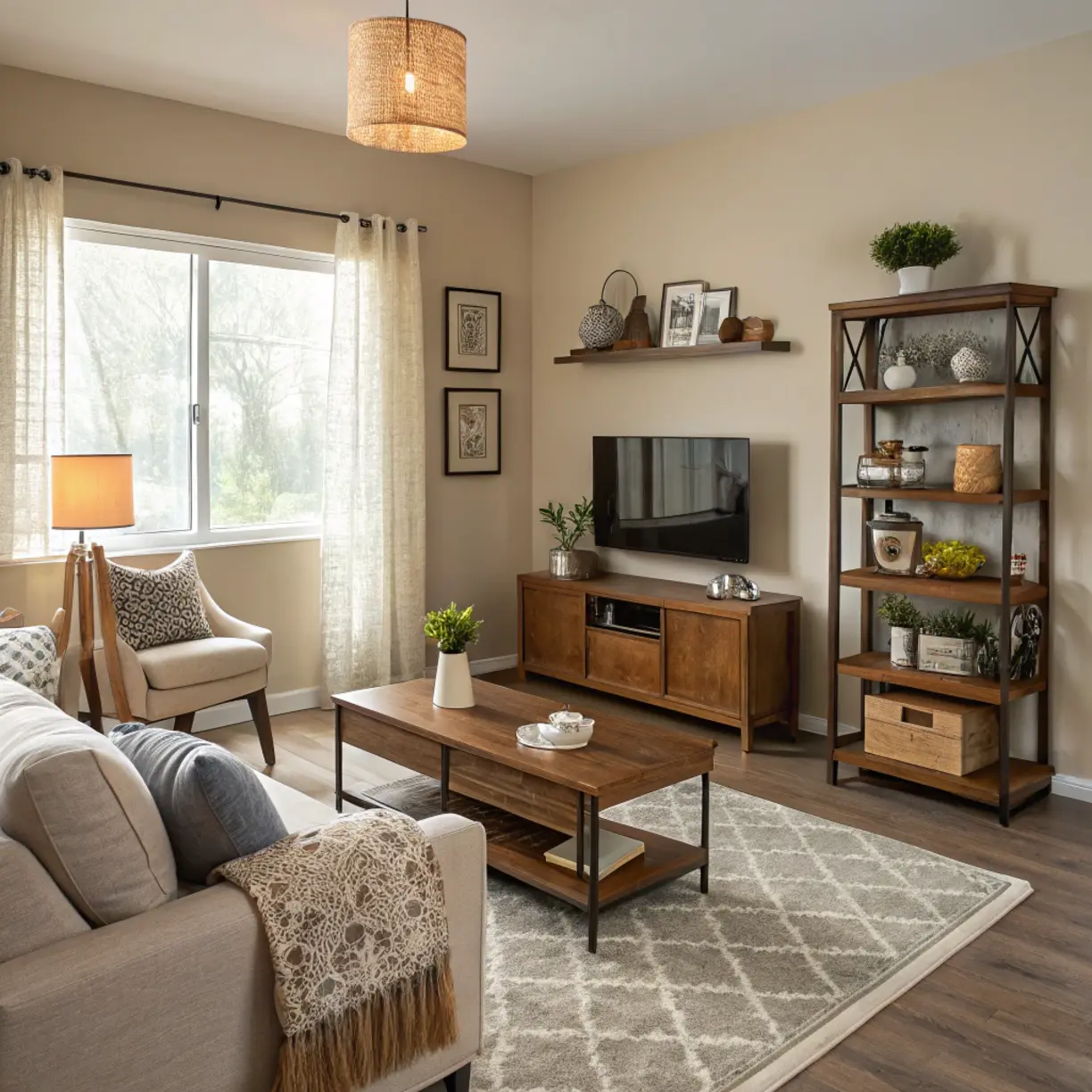
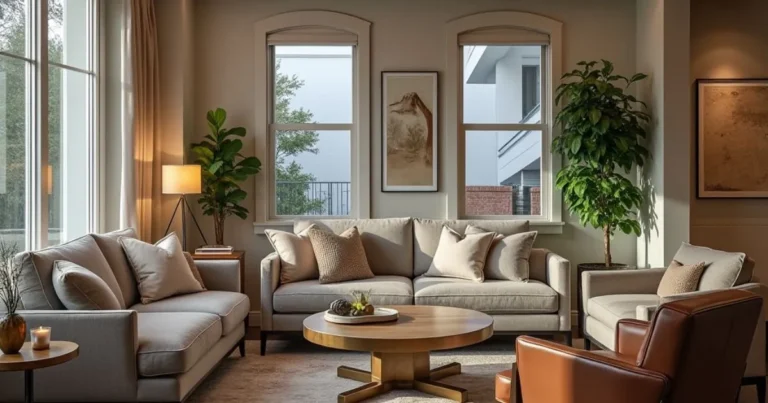
Creating an effective small living room layout starts with understanding proper scaling. Choose furniture that fits your space without overwhelming it—avoid bulky sectionals in favor of loveseat and chair combinations that create conversation areas while maintaining openness. Implement the following strategies for optimal results:
– Utilize multi-functional furniture like storage ottomans and expandable tables
– Create visual flow with consistent color schemes (limit to 2-3 main colors)
– Position furniture away from walls to create the illusion of depth
– Use mirrors strategically to reflect light and visually expand the space
– Consider small space furniture arrangement that allows for clear pathways (at least 30 inches wide)
Remember that negative space is valuable—resist the urge to fill every corner. A thoughtfully arranged room with breathing room will always feel larger than an overcrowded one, regardless of actual square footage.
Budget-Friendly Decor Ideas
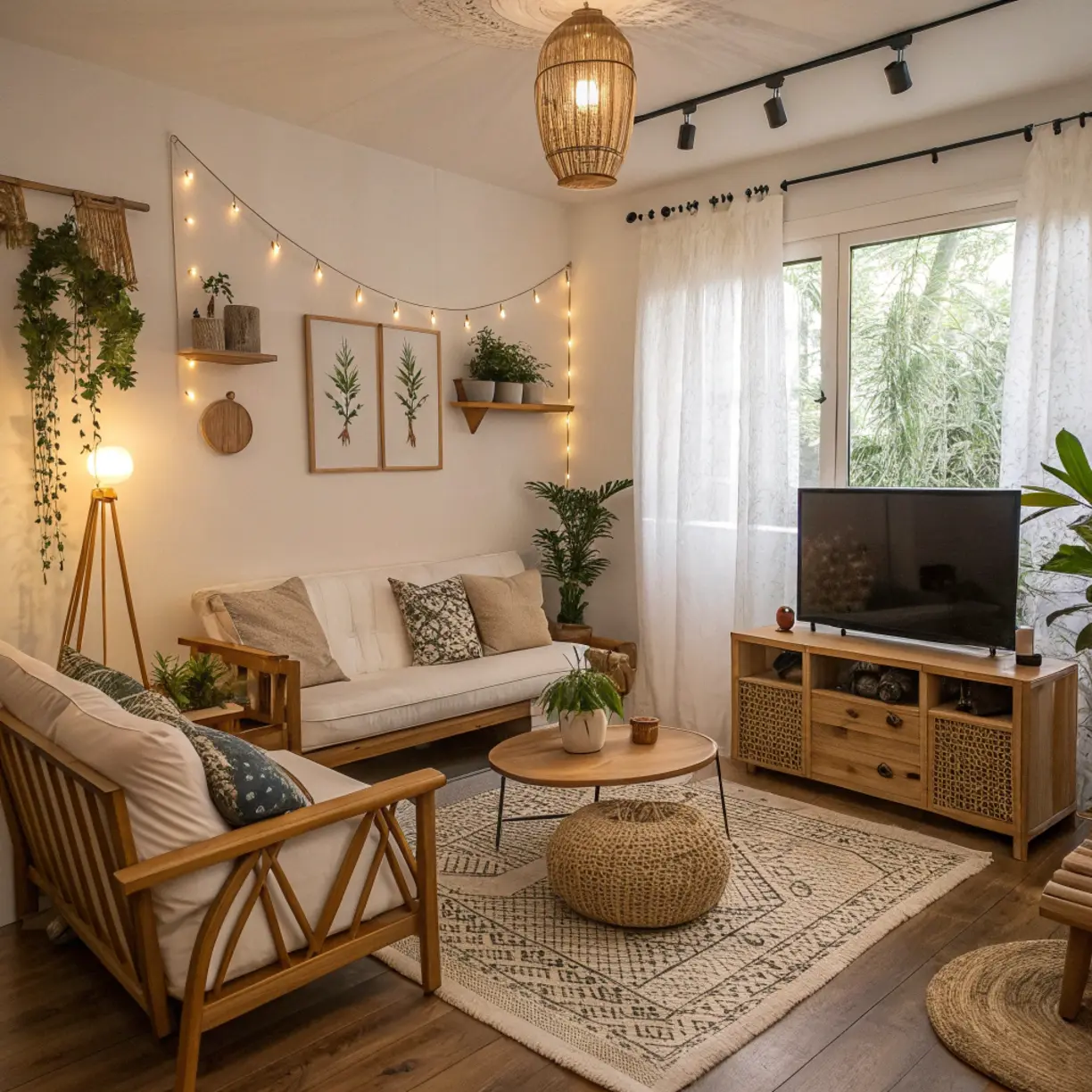
Creating a stylish small living room doesn’t require breaking the bank. Consider these affordable approaches:
1. Repurpose existing furniture with fresh paint or new hardware
2. Shop secondhand for quality pieces at fraction of retail prices
3. DIY floating shelves for vertical storage that doesn’t consume floor space
4. Use washable slipcovers to refresh worn furniture
5. Create statement walls with removable wallpaper or paint
Instead of purchasing new furniture, sometimes rearranging what you already have can transform the space. Experiment with different layouts before investing in new pieces. When you do shop, prioritize versatile items—like a coffee table with storage or a sleeper sofa—that serve multiple functions. Decorative items like throw pillows, area rugs, and wall art can be rotated seasonally for refreshed looks without major investments.
Common Mistakes to Avoid
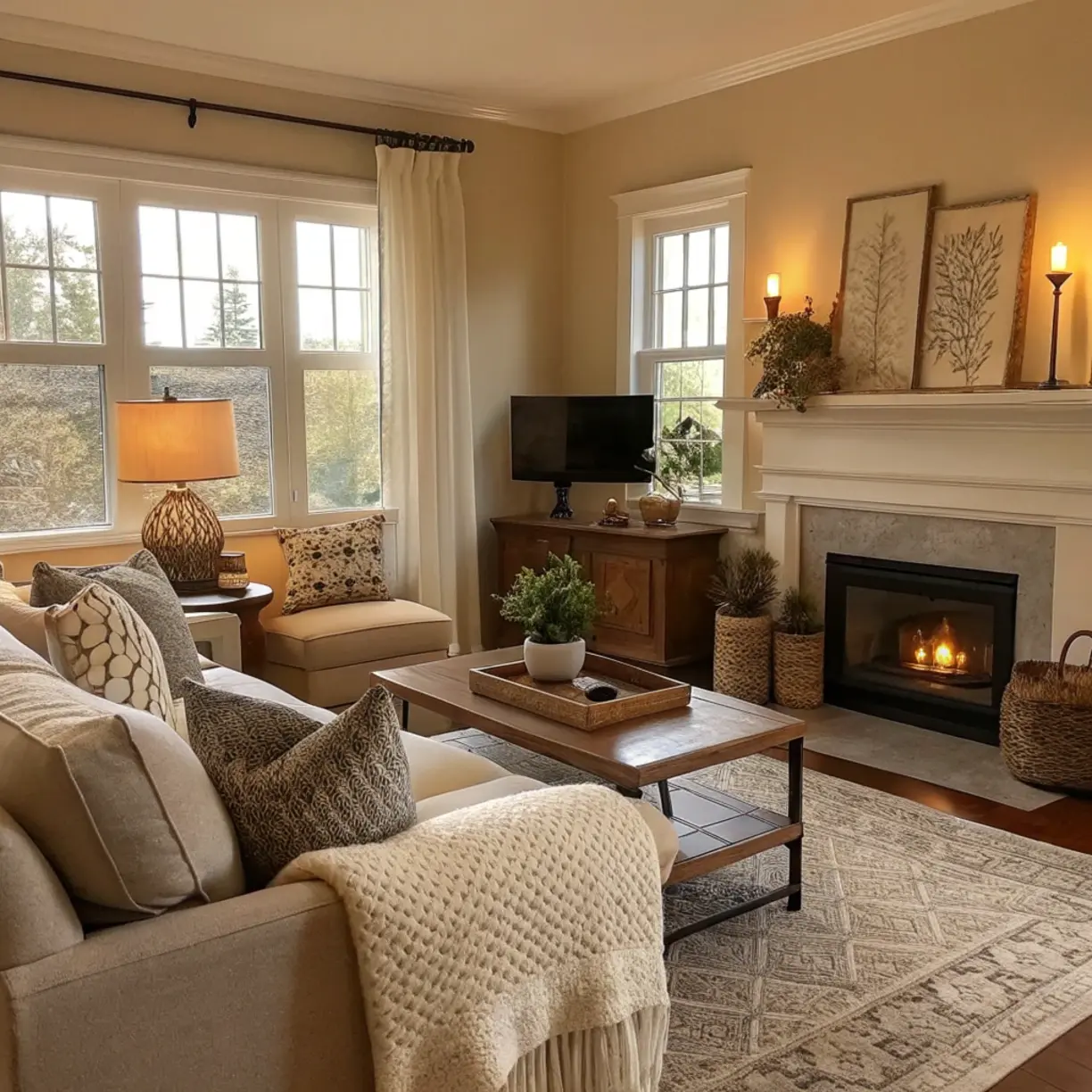
Even well-intentioned decorators make errors that can make small spaces feel cramped. Avoid these common pitfalls:
– Choosing oversized furniture that dominates the room
– Pushing all furniture against walls (creates an awkward “waiting room” effect)
– Selecting dark, heavy window treatments that block natural light
– Using too many small decorative items (creates visual clutter)
– Neglecting proper scale in artwork and mirrors
Another critical mistake is prioritizing trendy aesthetics over practical function. While that Instagram-worthy accent chair might look stunning, if it’s uncomfortable or blocks natural traffic flow, it ultimately detracts from your living experience. Similarly, avoid the temptation to match everything perfectly—some contrast and thoughtful mixing of styles creates visual interest and personality in small spaces.
Lighting Tips for a Better Atmosphere
Proper lighting transforms small living rooms, making them feel larger and more inviting. Implement layered lighting with these three essential types:
1. Ambient lighting: Provides overall illumination (ceiling fixtures, recessed lights)
2. Task lighting: Focuses light for specific activities (reading lamps, under-cabinet lights)
3. Accent lighting: Highlights architectural features or artwork (wall sconces, picture lights)
Maximize natural light by using sheer window treatments that filter light without blocking it. Position mirrors opposite windows to bounce light throughout the space. For artificial lighting, choose fixtures with upward-facing elements that cast light on the ceiling, creating the illusion of height. Smart bulbs or dimmer switches allow you to adjust brightness levels throughout the day, adapting to different needs and creating varied moods without changing fixtures.
Conclusion
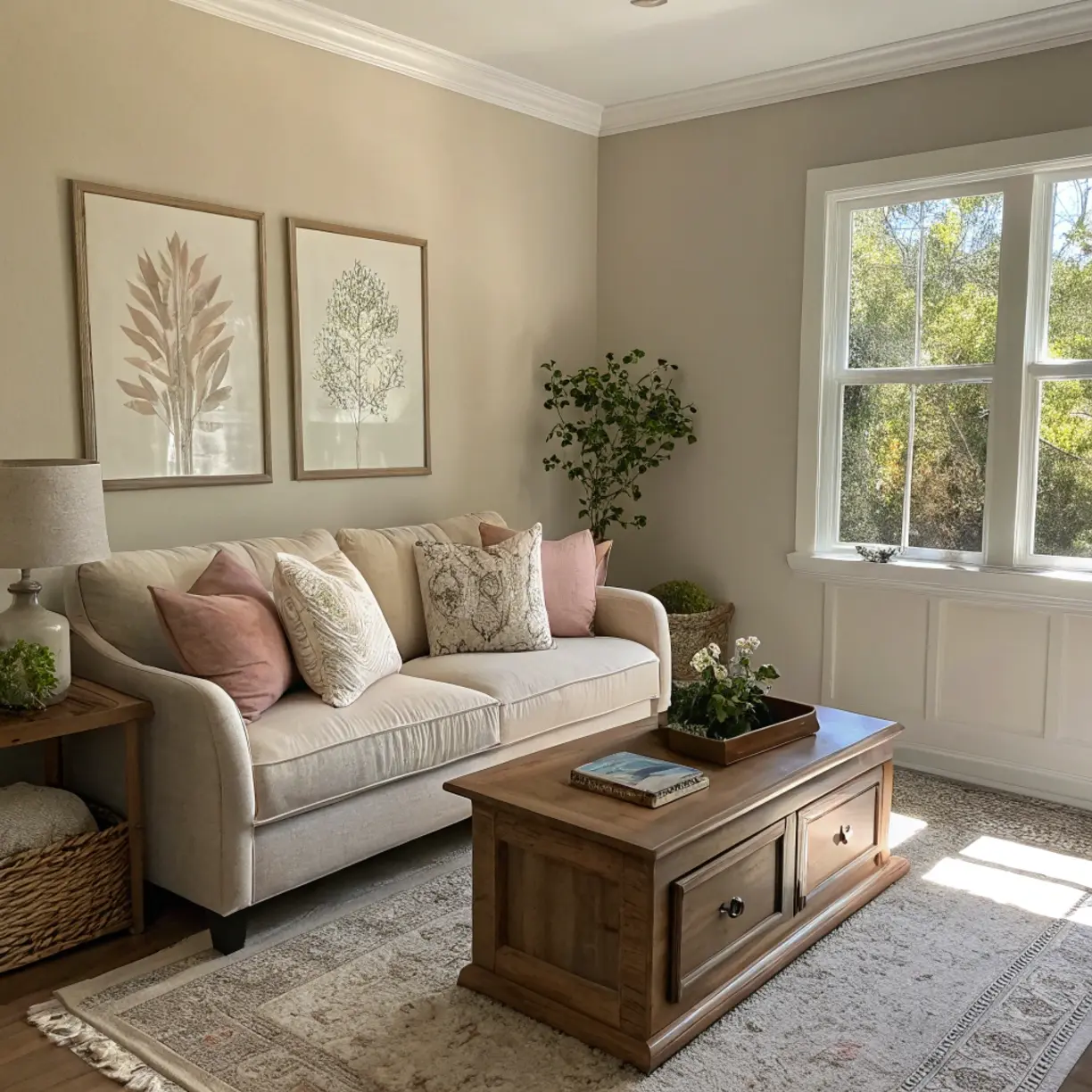
Creating an inviting small living room layout is absolutely achievable with thoughtful planning and strategic design choices. By focusing on proper scaling, multi-functional furniture, and effective small space furniture arrangement, you can transform even the most compact area into a comfortable, stylish retreat. Remember that successful small space design is about quality over quantity—each piece should earn its place through both beauty and utility.
We’d love to hear about your small living room transformations! Share your before-and-after photos or ask specific questions about your space in the comments below. For more home décor inspiration and practical solutions for every room in your home, explore our related articles on space-saving bedroom designs and compact dining solutions.
FAQs
How can I make my small living room look bigger?
Use light colors for walls and larger furniture pieces, incorporate mirrors strategically to reflect light, choose furniture with visible legs to create a sense of openness, and maintain clear pathways. Proper lighting and minimal clutter are also essential for creating an expanded feel.
What’s the best sofa size for a small living room?
For most small living rooms, a 72-84 inch sofa or loveseat is ideal. Avoid bulky styles with wide arms; instead, choose streamlined designs with narrower arms and exposed legs. L-shaped compact sectionals can also work well when positioned correctly.
Should I use a coffee table in a small living room?
Yes, but choose wisely. Look for models with storage, nesting tables that can be separated when needed, or ottomans that double as seating. The ideal coffee table should be proportionate to your seating—about 2/3 the length of your sofa and positioned 16-18 inches from seating.
How much furniture is too much for a small living room?
Follow the 80/20 rule: furniture should occupy roughly 80% of the floor space, leaving 20% open. Ensure there’s at least 30-36 inches of walkway space between pieces. If you find yourself constantly navigating around furniture or bumping into things, you’ve exceeded the optimal amount.
What are the best wall colors for small living rooms?
Light, cool tones like soft whites, pale blues, greens, and grays create a sense of openness. However, don’t fear darker colors entirely—a dark accent wall can add depth. The key is contrast: light ceilings and trims with mid-tone walls create dimensional interest without closing in the space.