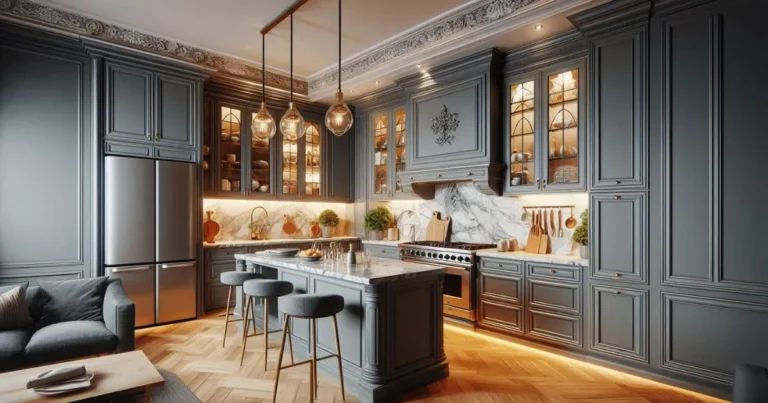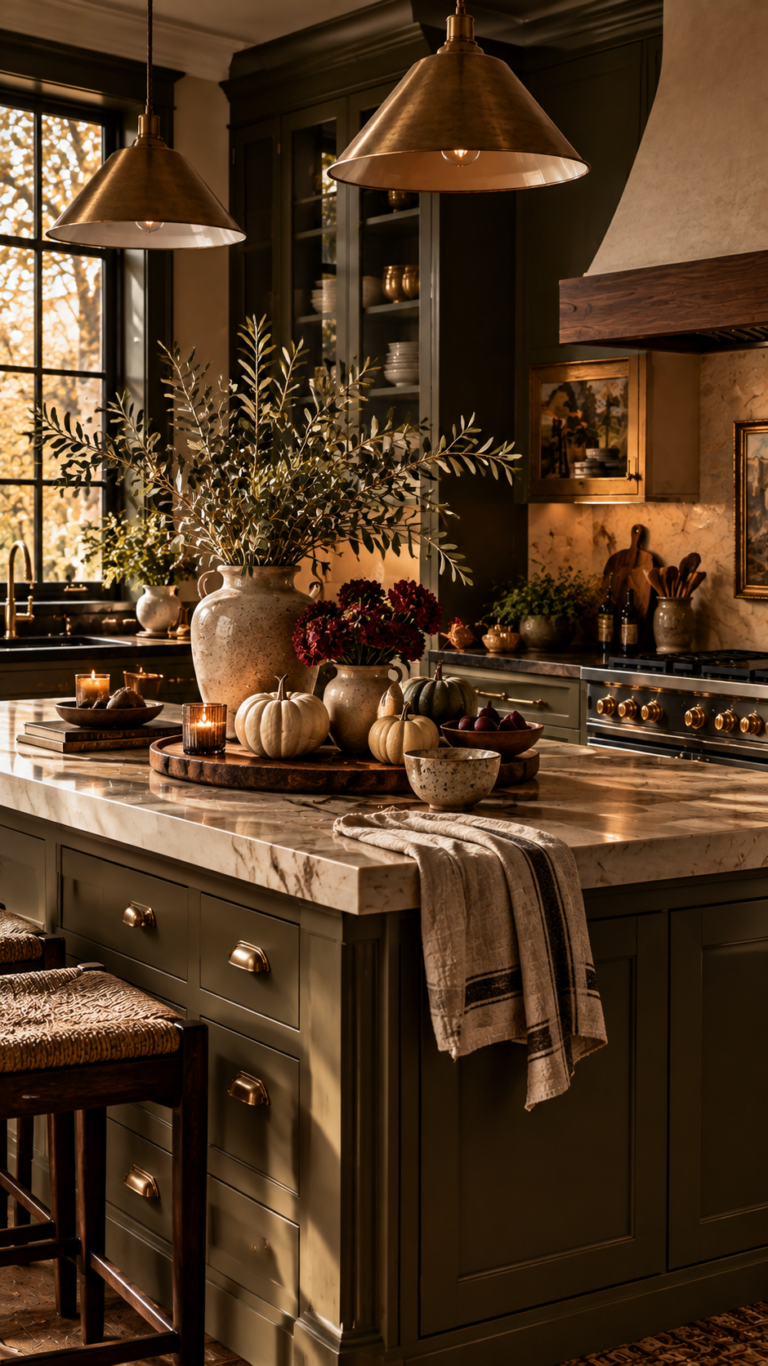
How to Transform Your Space with 7 Kitchen Wall Art Ideas
Have you ever felt that something was missing in your kitchen despite having all the essential appliances and furniture? The answer might be in your bare walls. Transforming your kitchen with thoughtfully selected kitchen wall art can completely revitalize the space where you prepare meals and gather with loved ones. Many homeowners struggle with choosing appropriate decorations that balance aesthetics with practicality in this high-traffic area. Whether you’re dealing with limited space or seeking to inject personality into a neutral kitchen, implementing creative kitchen decor ideas can transform your cooking space from purely functional to inspiringly beautiful without compromising utility.
Table of Contents
Understanding the Best Decor Style
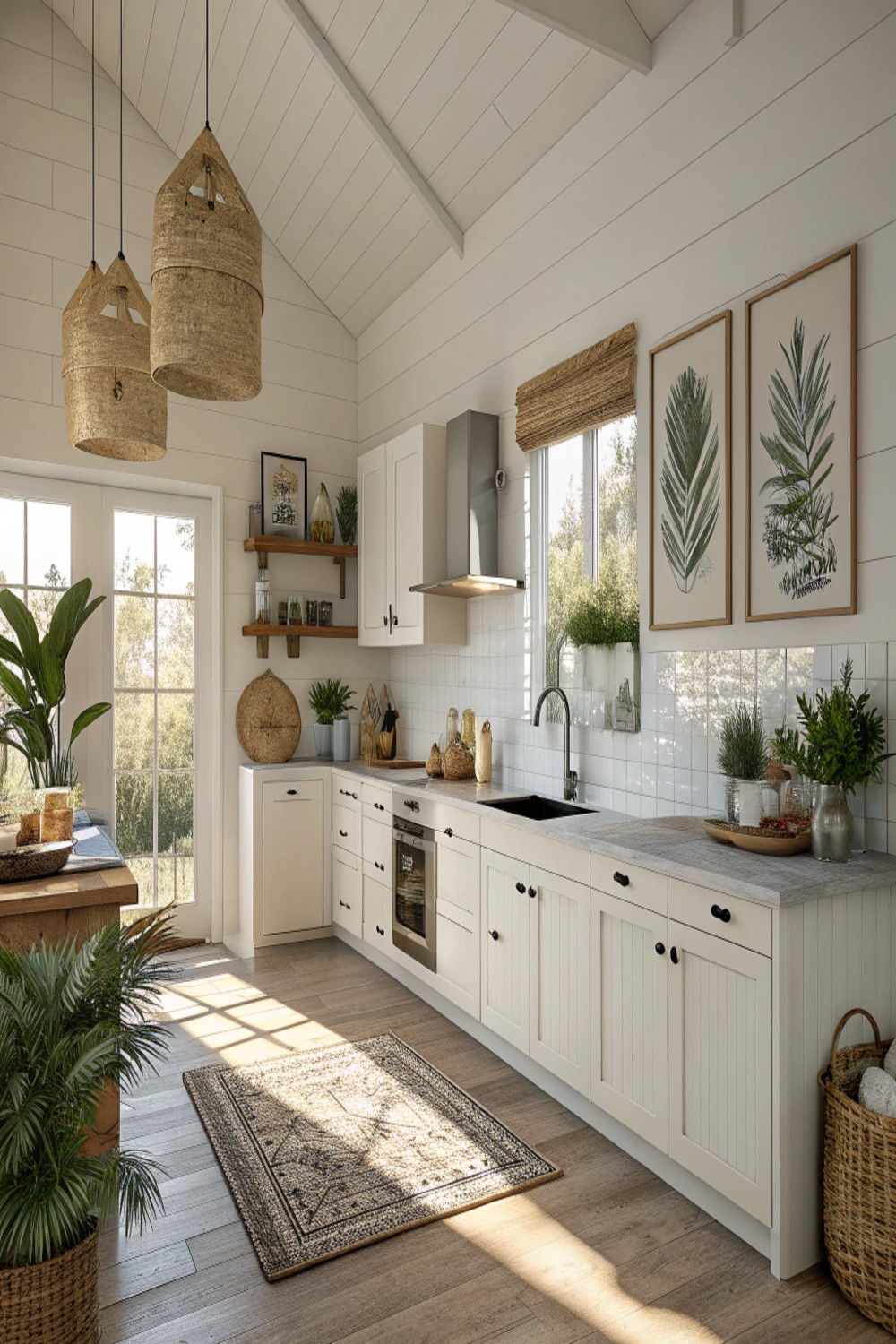
Selecting the perfect decor style for your kitchen walls significantly impacts both the visual appeal and functionality of your space. Your kitchen’s aesthetic should reflect your personal taste while complementing the existing architectural elements and color scheme. Popular styles include:
– Farmhouse: Featuring rustic signs, vintage utensil displays, and weathered wooden pieces
– Modern minimalist: Clean lines, abstract art, and monochromatic schemes
– Mediterranean: Vibrant tile-inspired prints and warm, earthy tones
– Industrial: Metal signage, exposed materials, and functional art pieces
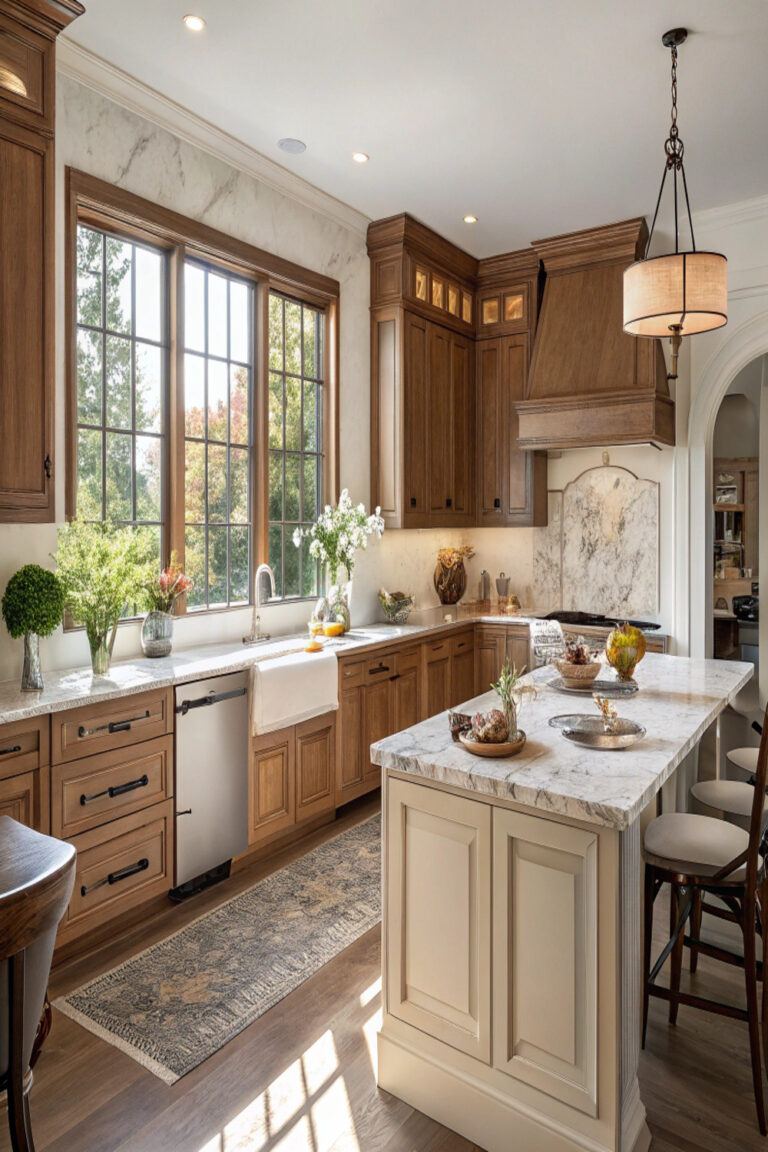
Consider your kitchen’s existing elements—cabinet style, countertop material, and backsplash design—when choosing wall decorations. The right style creates harmony while expressing your unique personality, making cooking and gathering more enjoyable experiences in a cohesive space.
Essential Decor Tips
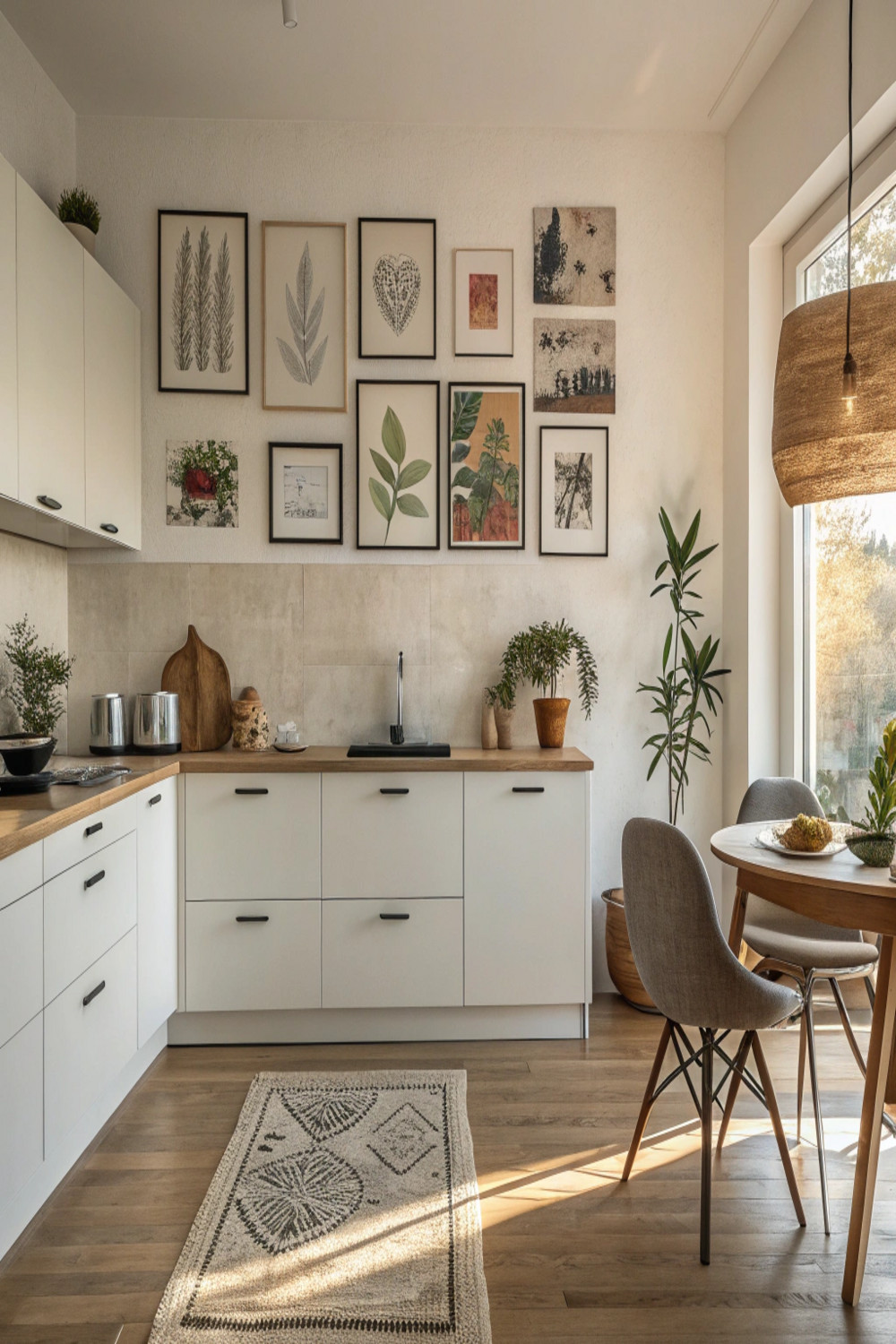
Creating a balanced and visually appealing kitchen requires understanding fundamental decor principles specific to kitchen wall art. First, consider scale—oversized pieces work beautifully in kitchens with significant wall space, while smaller kitchens benefit from appropriately sized or grouped smaller pieces.
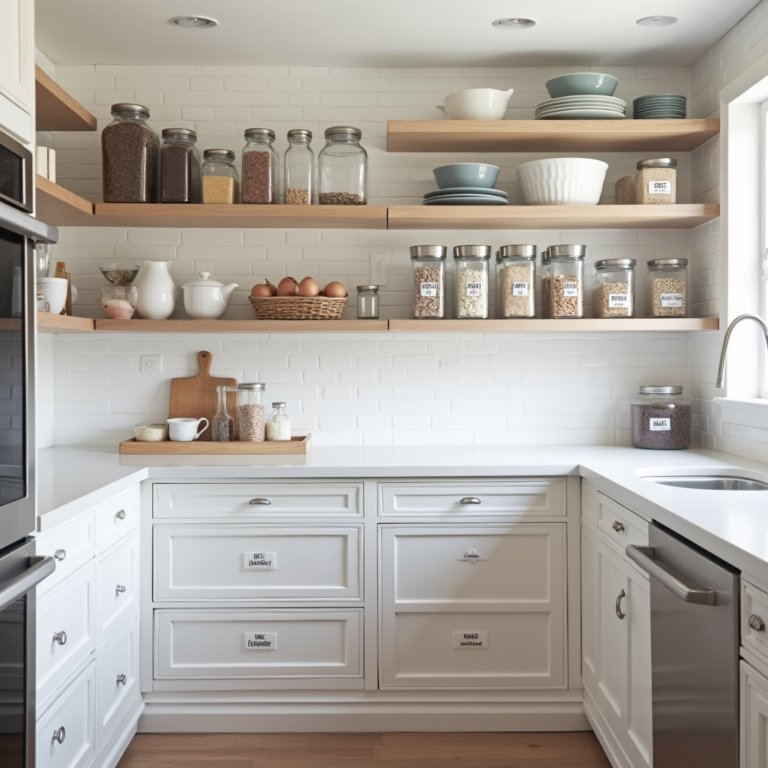
Create a focal point by placing your most striking piece where it naturally draws attention, perhaps above a breakfast nook or opposite the main entrance. For kitchens with open shelving, integrate decorative elements between functional items for a curated look. Remember that kitchens are practical spaces exposed to moisture, heat, and food splatter, so choose moisture-resistant framing and easy-to-clean materials for your kitchen decor ideas. Balance is key—incorporate art that adds character without overwhelming the functional aspects of your kitchen.
Budget-Friendly Decor Ideas
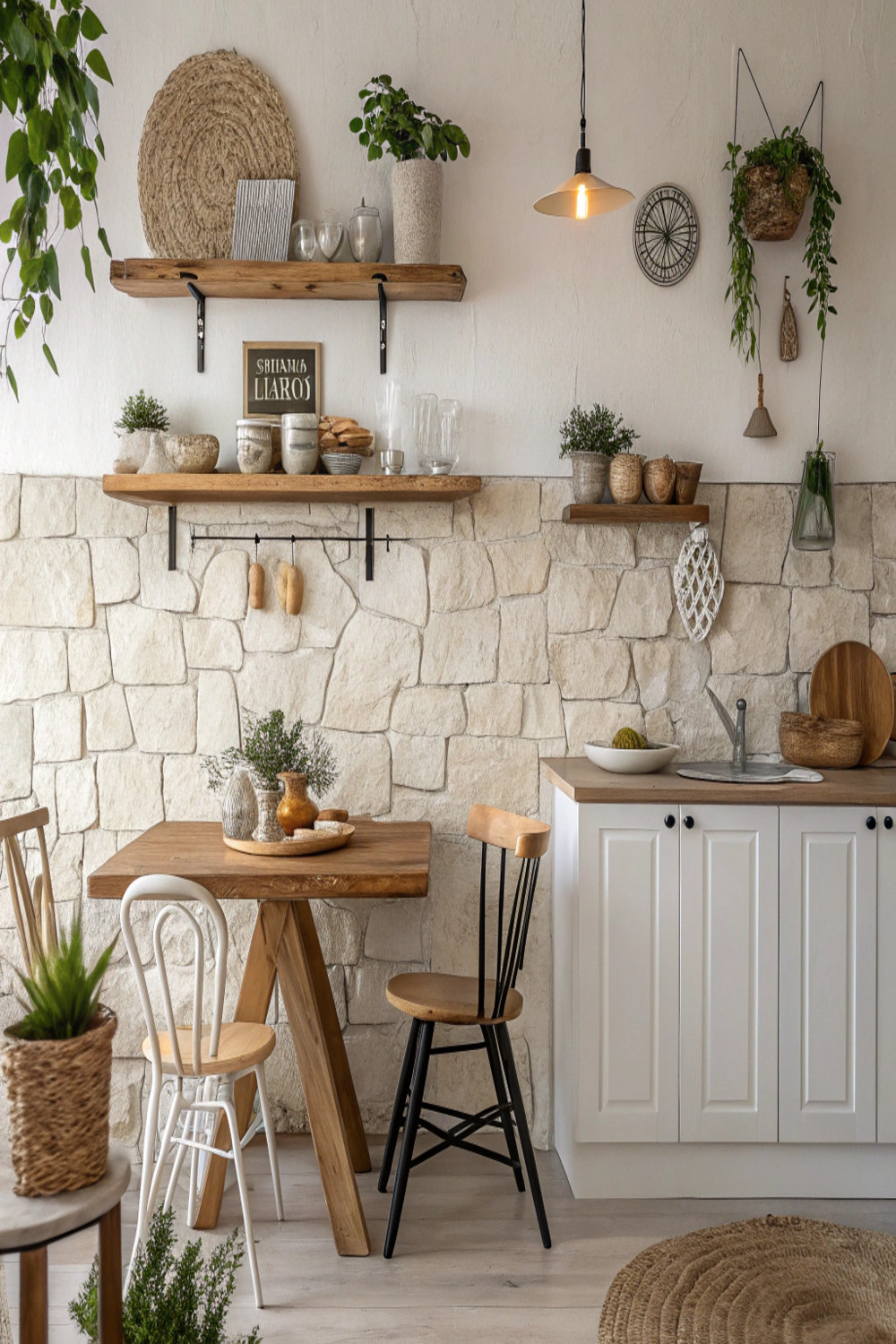
Transforming your kitchen walls doesn’t require breaking the bank. Consider these affordable approaches:
– Frame vintage recipe cards or family recipes for personal, meaningful wall art
– Create a gallery wall using inexpensive frames with free printable food illustrations or quotes
– Repurpose cutting boards, vintage kitchen tools, or ceramic plates as three-dimensional wall decor
– Use removable wall decals that mimic expensive treatments but cost a fraction of the price
– Display colorful tea towels on decorative hooks for functional art that’s easily changed
Thrift stores, flea markets, and online marketplaces offer unique kitchen decorations at significant discounts. DIY projects like hand-painted signs with food quotes or homemade botanical prints can create custom art pieces that reflect your style without the custom price tag. Remember that rotating seasonal elements can keep your kitchen feeling fresh without requiring complete redecoration.
Common Mistakes to Avoid
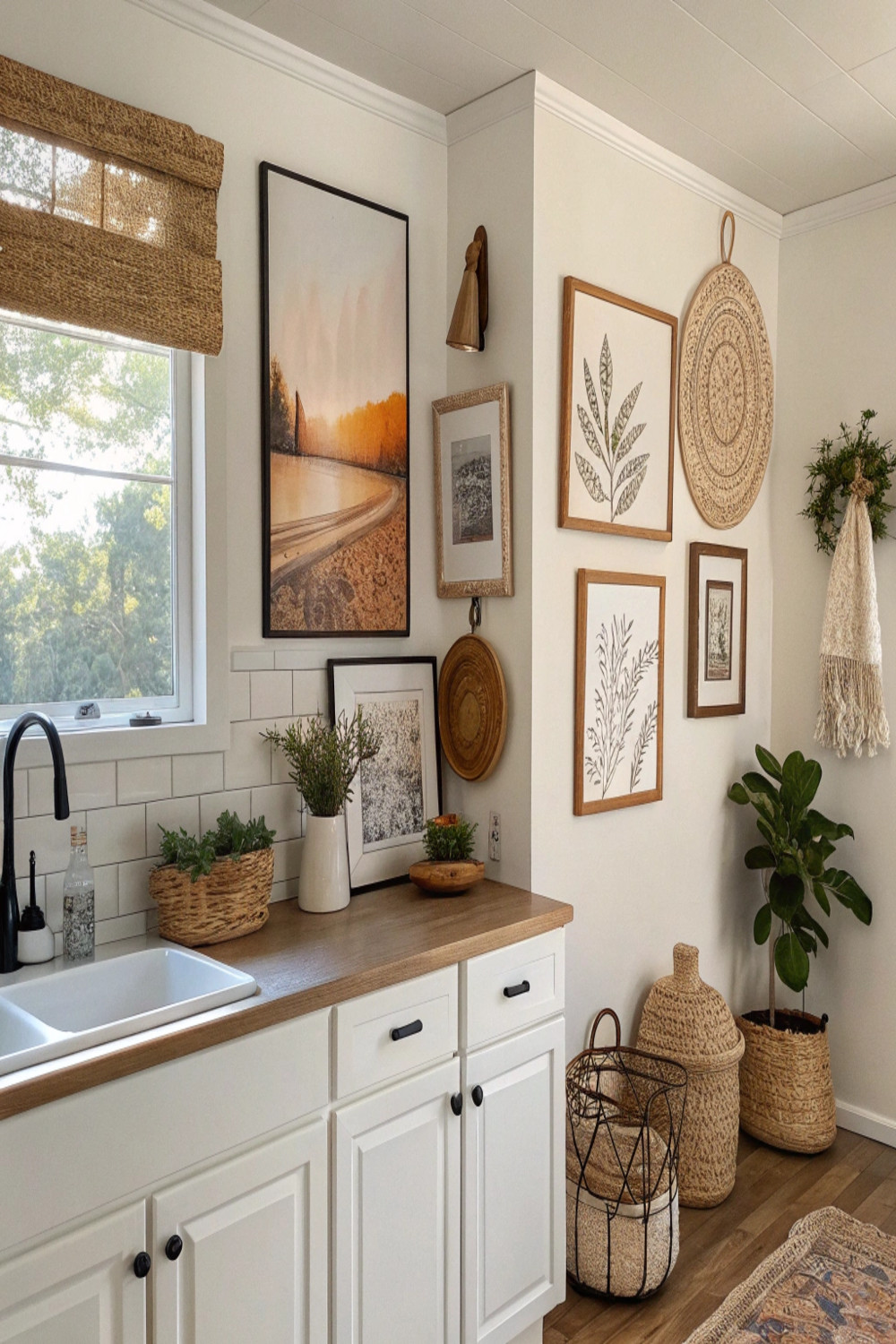
Even with the best intentions, many homeowners make avoidable errors when decorating kitchen walls. One frequent mistake is choosing inappropriate sizing—either artwork that’s too small to make an impact or pieces so large they overwhelm the space. Another common error is ignoring practicality; kitchens have unique environmental considerations, so valuable or delicate art may deteriorate quickly in this high-moisture, high-heat environment.
Many people also fall into the trap of over-decorating kitchen walls, creating visual clutter in a space that benefits from some breathing room. Selecting art with colors that clash with existing elements like backsplashes or countertops creates disharmony rather than enhancement. Additionally, placing wall decorations too close to cooking areas can result in damage from splatters and steam. Finally, following trends without considering longevity often leads to quick dissatisfaction and unnecessary redecorating expenses.
Lighting Tips for a Better Atmosphere
Proper lighting transforms how kitchen wall art appears and affects the overall mood of your space. Start by maximizing natural light, which showcases art in its truest colors and creates a welcoming atmosphere. Position mirrors strategically to reflect existing light sources and amplify brightness.
Incorporate layered artificial lighting with:
– Task lighting to illuminate work areas
– Accent lighting to highlight wall art pieces
– Ambient lighting to create overall warmth
Consider installing picture lights above significant wall pieces or using track lighting that can be adjusted to showcase different decorative elements. LED strip lighting beneath cabinets not only provides functional illumination but can also create a dramatic backdrop for wall decorations placed above countertops. When selecting bulbs, choose options with high color rendering index (CRI) values to ensure your kitchen wall art colors appear vibrant and true to life.
Conclusion
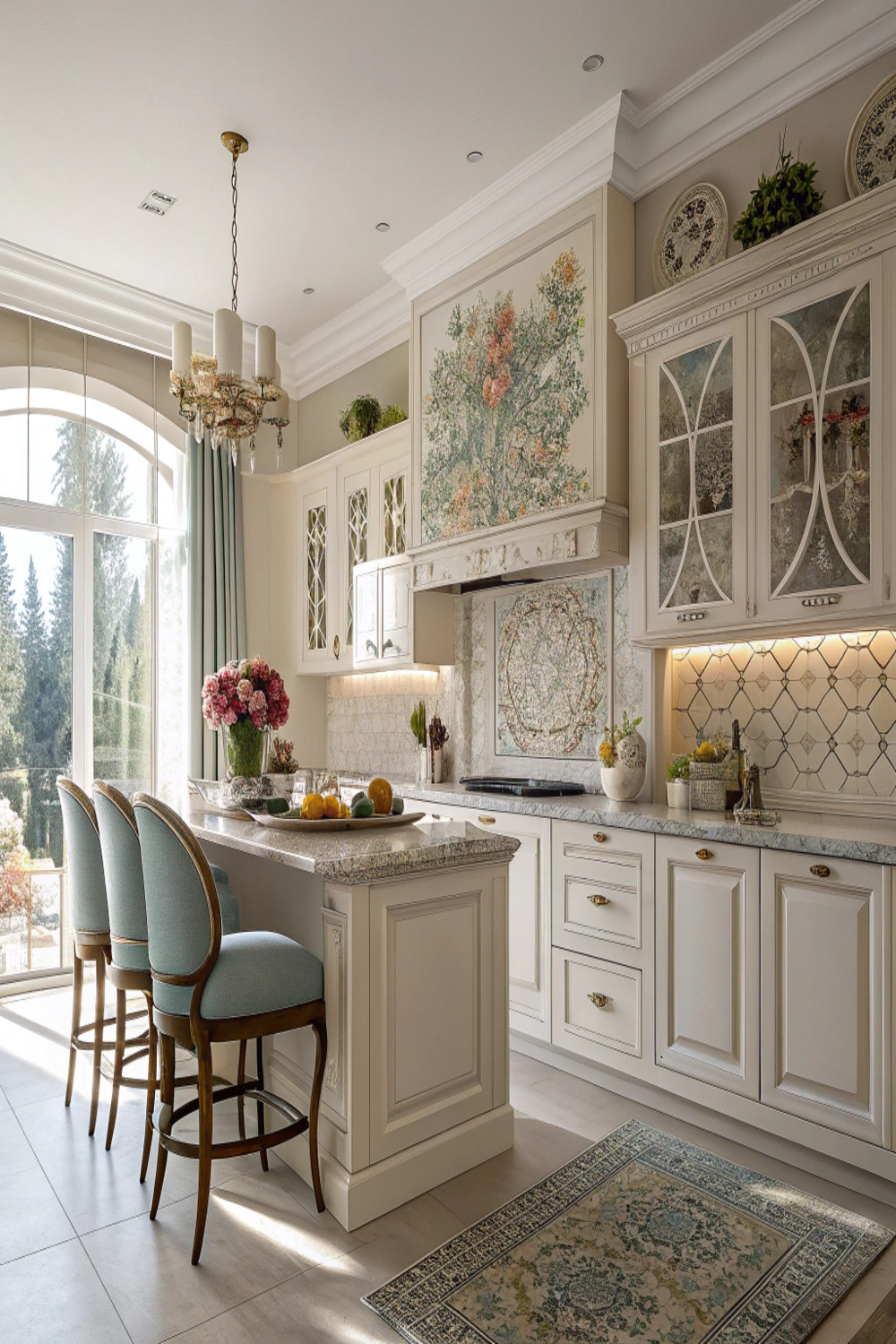
Transforming your cooking space with kitchen wall art creates a personalized environment that inspires both culinary creativity and social connection. By understanding your preferred style, following essential decor principles, and implementing budget-friendly options, you can create a kitchen that feels both functional and aesthetically pleasing. Remember to avoid common decorating pitfalls and pay attention to lighting to maximize the impact of your chosen pieces. The kitchen is often called the heart of the home, and thoughtfully selected kitchen decor ideas can make that heart beat with personality and charm. We’d love to see how you’ve decorated your kitchen walls—share your photos in the comments or explore our related posts for more home inspiration!
FAQs
What type of art works best in kitchens?
Pieces that resist moisture and heat damage work best, including metal signs, ceramic art, framed prints with glass protection, and canvas prints sealed with protective coatings. Food-related themes, botanical prints, and colorful abstracts complement kitchen spaces particularly well.
How high should I hang kitchen wall art?
The center of your artwork should generally be at eye level (57-60 inches from the floor). However, in kitchens, adjust based on specific areas—hang pieces higher above countertops (about 10-12 inches above the surface) and consider the viewing angle if placing art above cabinets.
How can I decorate a small kitchen without overwhelming the space?
Use a cohesive color palette that matches your existing kitchen elements, opt for one statement piece rather than multiple small items, utilize vertical space with narrow art pieces, and consider reflective elements like mirrors to create the illusion of more space.
How do I protect kitchen wall art from cooking damage?
Position valuable art away from direct cooking areas, use glass-fronted frames for paper-based art, apply protective sealants to canvas pieces, choose moisture-resistant materials like metal or ceramic, and clean art regularly with appropriate, gentle cleaners.
What’s the best way to create a gallery wall in a kitchen?
Plan your layout on the floor first, use a cohesive theme (either by color, frame style, or subject matter), maintain consistent spacing between pieces (1-3 inches), vary sizes and orientations for visual interest, and consider using templates to mark wall placement before hanging.