How to Create a Stunning Sofa and Loveseat Set in 7 Steps
Introduction
Have you ever walked into a living room that immediately felt welcoming and stylish? The secret often lies in how the central furniture pieces are decorated. Your sofa and loveseat set represents the heart of your living space, yet many homeowners struggle to style these pieces effectively. Whether you’ve invested in a plush fabric arrangement or a sleek leather sofa and loveseat set, the right decorative elements can transform your entire room from ordinary to extraordinary. This guide offers practical, budget-friendly solutions to common decorating challenges, helping you create a living area that reflects your personal style while maximizing both comfort and visual appeal.
Table of Contents
Understanding the Best Decor Style
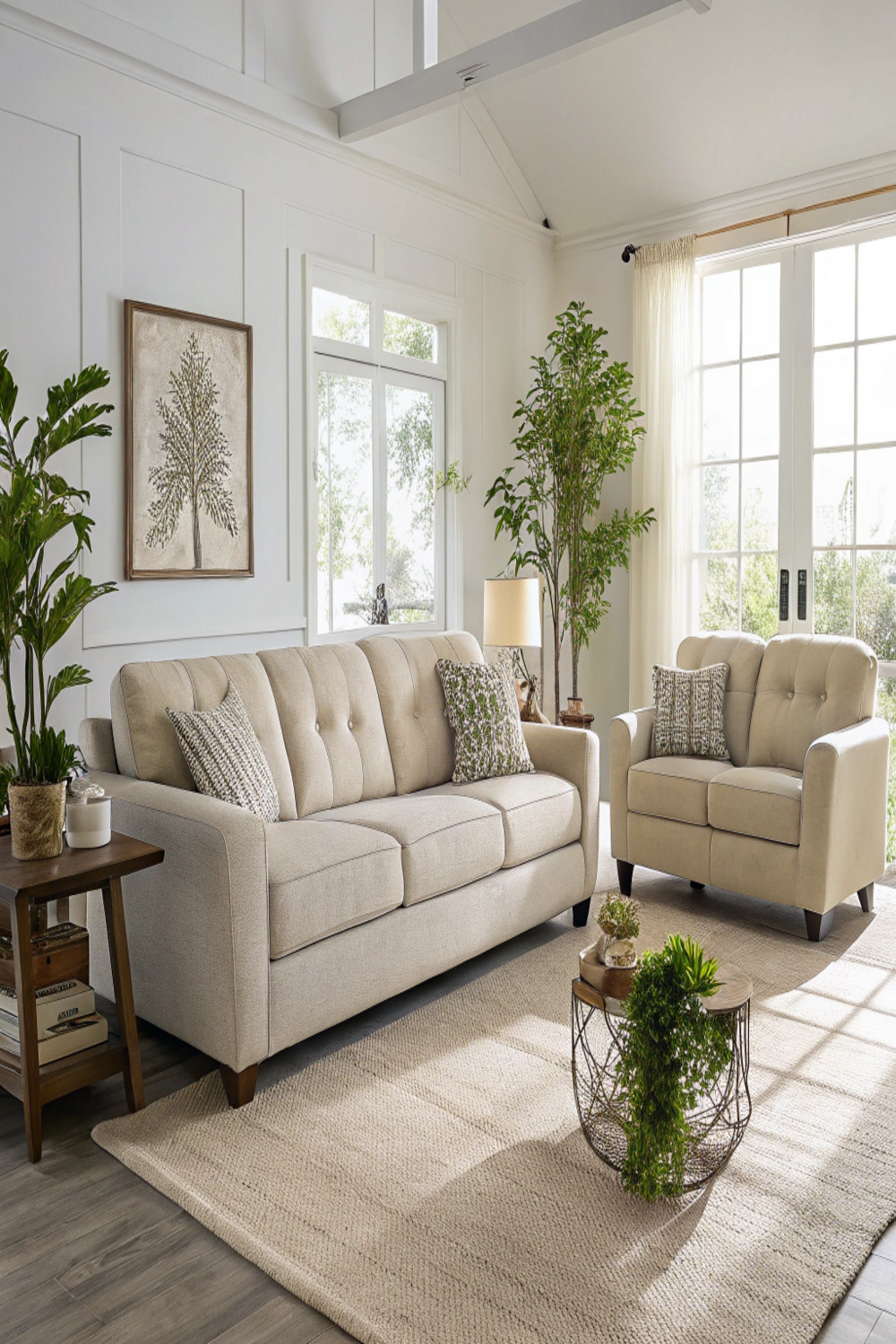
Selecting a decor style that complements your seating arrangement creates harmony throughout your space. The right approach enhances both aesthetics and functionality, making your living area more inviting and purposeful.
Popular styles to consider:
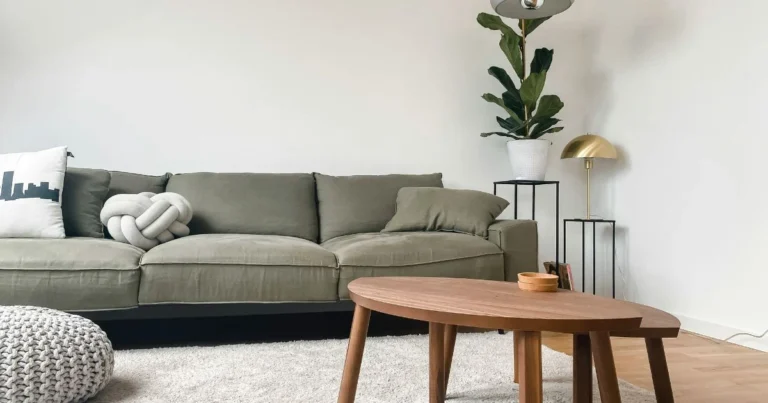
- Modern Minimalist: Clean lines, neutral colors, and sparse accessories work beautifully with contemporary furniture
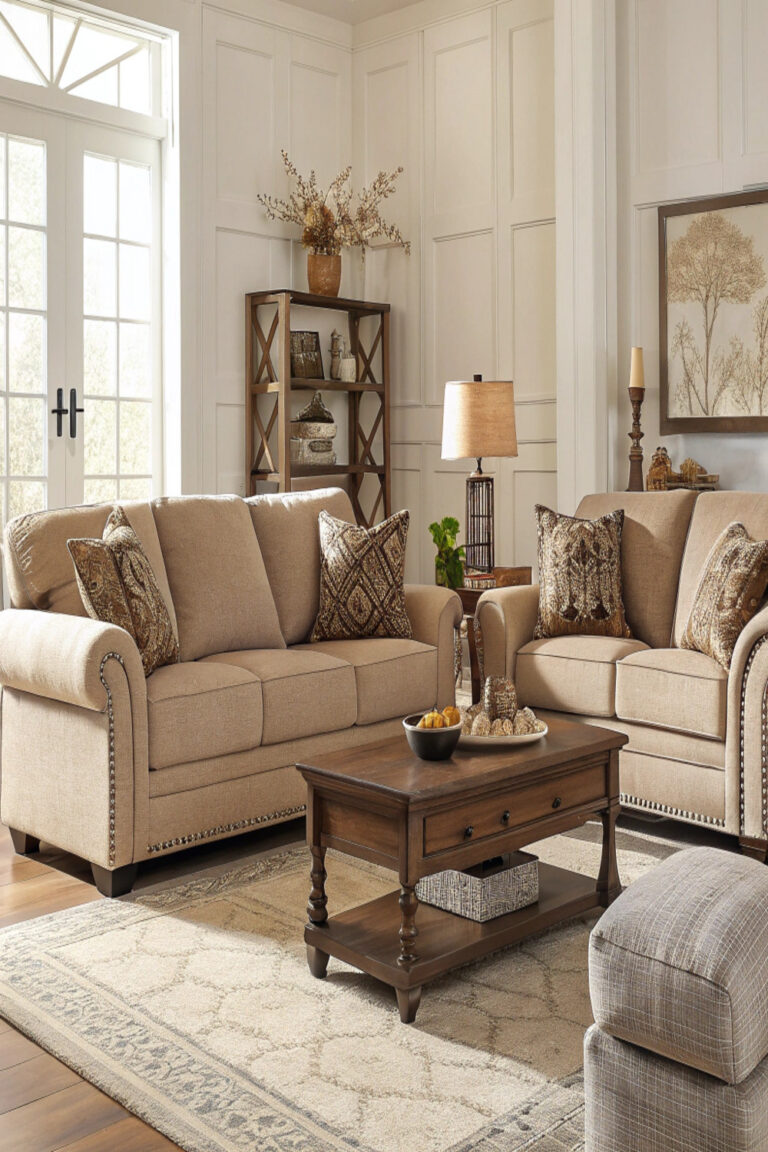
- Traditional: Rich textures, symmetrical arrangements, and classic patterns add timeless elegance
- Transitional: The perfect middle ground, combining modern and traditional elements
- Bohemian: Layered textiles, vibrant colors, and eclectic accessories create a relaxed vibe
- Industrial: Raw materials, metal accents, and functional pieces offer urban sophistication
When choosing your style, consider your existing architecture, the proportions of your seating arrangement, and how you actually use the space. A formal living room demands different styling than a casual family gathering spot. The key is creating a cohesive look that feels intentional rather than random.
Essential Decor Tips
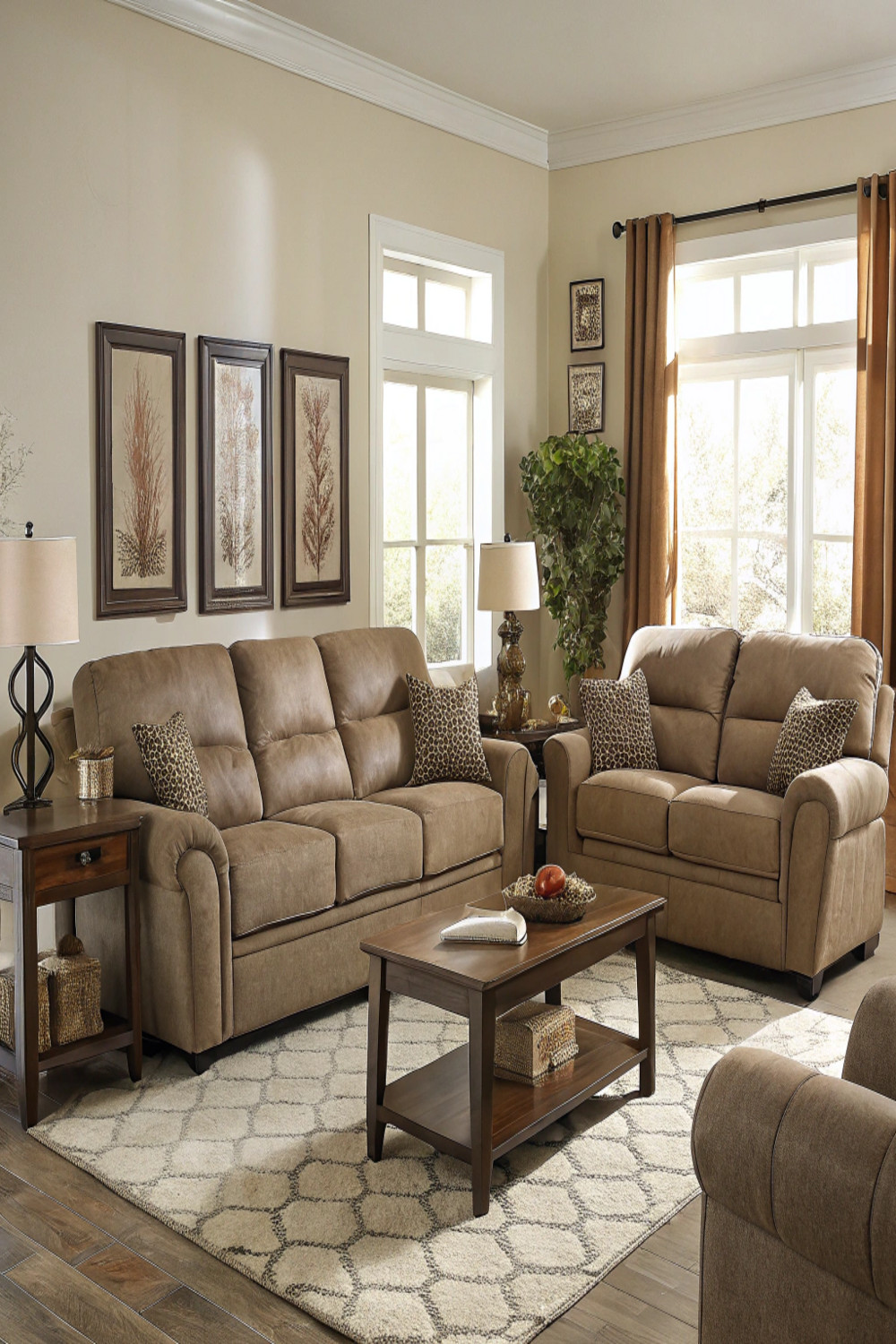
Decorating your sofa and loveseat set effectively requires understanding a few core principles that designers use to create balanced, attractive spaces:
1. Layer with textiles: Add depth through throw pillows in varying sizes, textures, and patterns. Start with larger pillows at the corners, then layer smaller ones in front.
2. Follow the rule of odd numbers: Arrange decorative elements in groups of three or five for visual interest.
3. Create color harmony: Choose a palette with 2-3 primary colors and 1-2 accent colors that complement your furniture.
4. Balance scale and proportion: Select accessories that match your furniture’s scale—oversized pillows for deep seats, smaller accents for compact furniture.
5. Add a throw blanket: Drape it casually over an arm or fold it neatly along the back for instant warmth and texture.
Remember that your leather sofa and loveseat set needs different care than fabric upholstery—choose decor items that won’t scratch or damage leather surfaces.
Budget-Friendly Decor Ideas
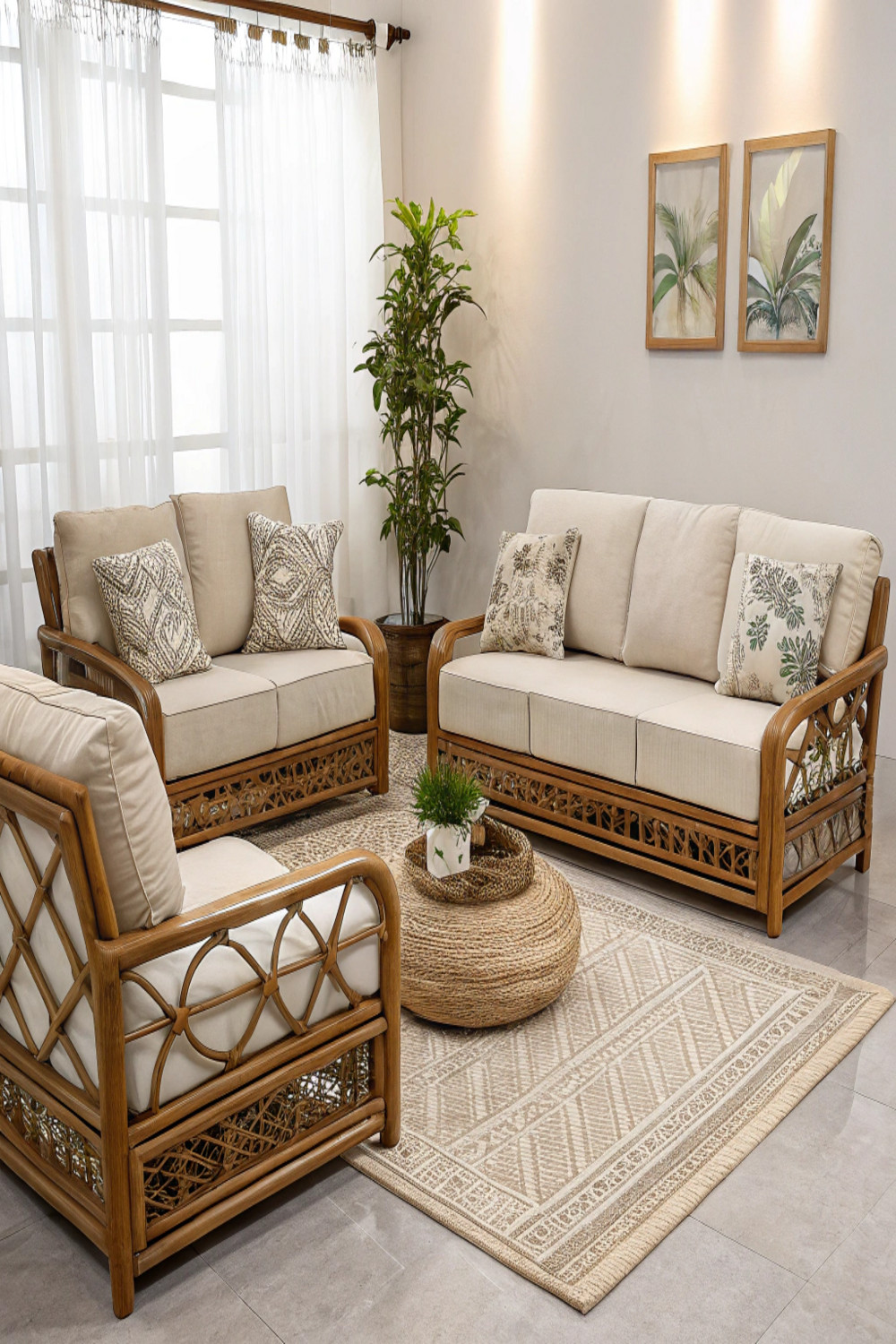
Creating a designer look doesn’t require emptying your wallet. These affordable strategies can refresh your seating area without significant investment:
- Pillow covers instead of new pillows: Swap seasonal covers over existing pillow forms for an instant update
- Thrift store transformations: Find unique side tables, lamps, and accessories at second-hand stores
- DIY artwork: Create large-scale canvas art with simple geometric patterns in colors that complement your furniture
- Natural elements: Incorporate branches, stones, or botanical elements in vases or trays for free decor
- Repurpose what you have: Shop your home by moving accessories from other rooms to create fresh combinations
When shopping, look for end-of-season sales and clearance items that match your overall aesthetic. Online marketplaces often offer barely-used designer pieces at significant discounts. The key is patience—building a beautiful space over time often yields better results than buying everything at once.
Common Mistakes to Avoid
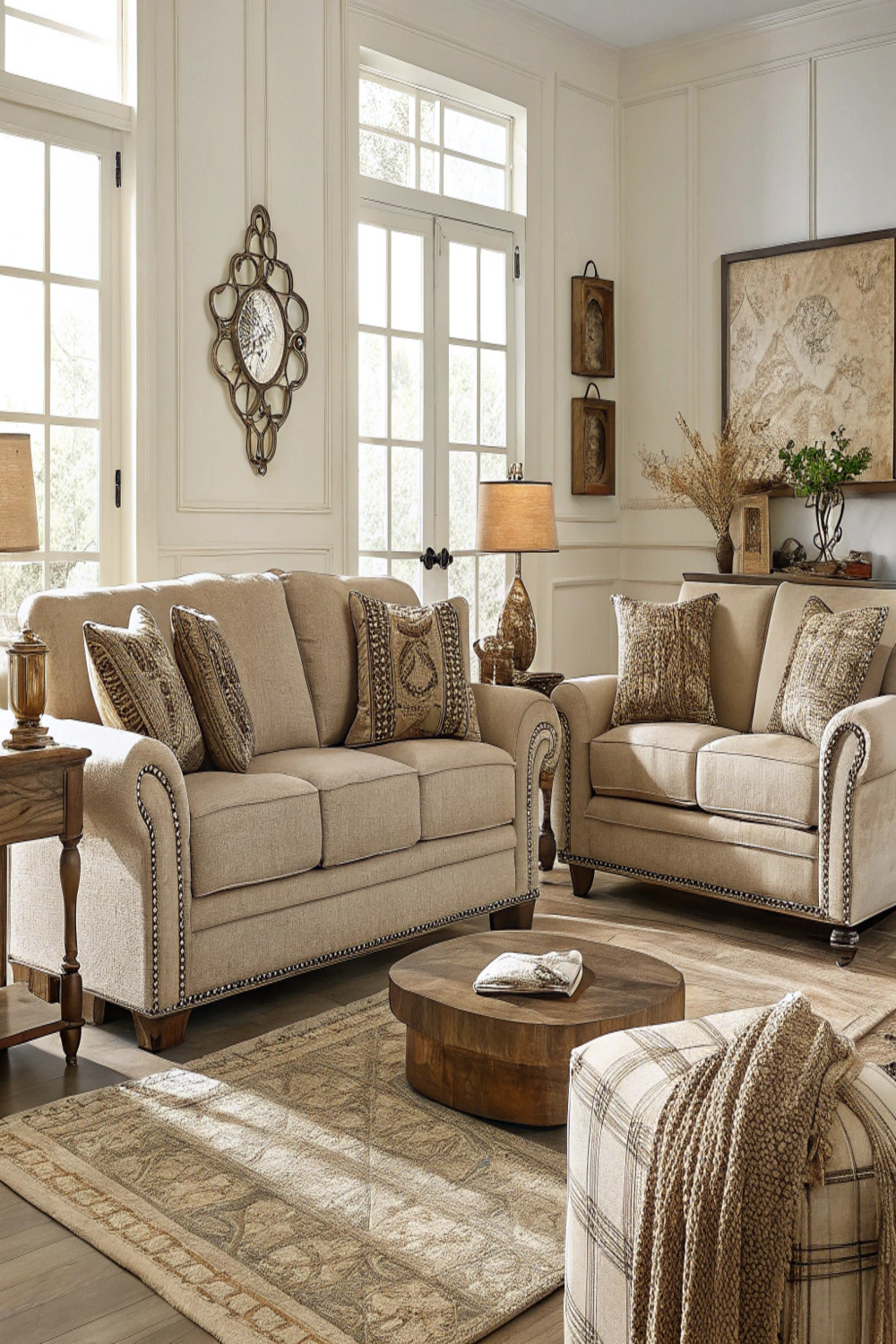
Even design enthusiasts make these frequent errors when decorating their seating areas:
- Improper scaling: Choosing accessories that are too small or too large for your furniture creates visual discord
- Overdoing pillows: So many that there’s nowhere to sit comfortably
- Ignoring traffic flow: Placing tables or accessories where they obstruct natural movement
- Matching everything perfectly: Creating a catalog look instead of a personalized space
- Neglecting function: Styling without considering how you actually use the space daily
- Poor lighting placement: Positioning lamps where they don’t provide useful illumination
- Forgetting about maintenance: Selecting high-maintenance fabrics or finishes that don’t suit your lifestyle
Avoid these pitfalls by stepping back regularly to assess both aesthetics and practicality. Ask yourself if the space works as well as it looks.
Lighting Tips for a Better Atmosphere
Proper lighting transforms how your seating area looks and functions throughout the day. A well-lit living room accommodates different activities and creates the right mood for various occasions.
Consider these lighting strategies:
- Layer your light sources: Combine ambient (general), task (reading), and accent lighting (highlighting features)
- Use table lamps on end tables: Position them at approximately eye level when seated for optimal reading conditions
- Add floor lamps behind or beside seating: Direct light where needed without taking up table space
- Install dimmer switches: Adjust brightness levels according to time of day and activities
- Choose the right bulb temperature: Warm white (2700-3000K) creates a cozy atmosphere, while cool white (3500-4100K) enhances alertness
Remember that lighting fixtures are decorative elements themselves—select styles that complement your overall design scheme while providing functional illumination.
Conclusion
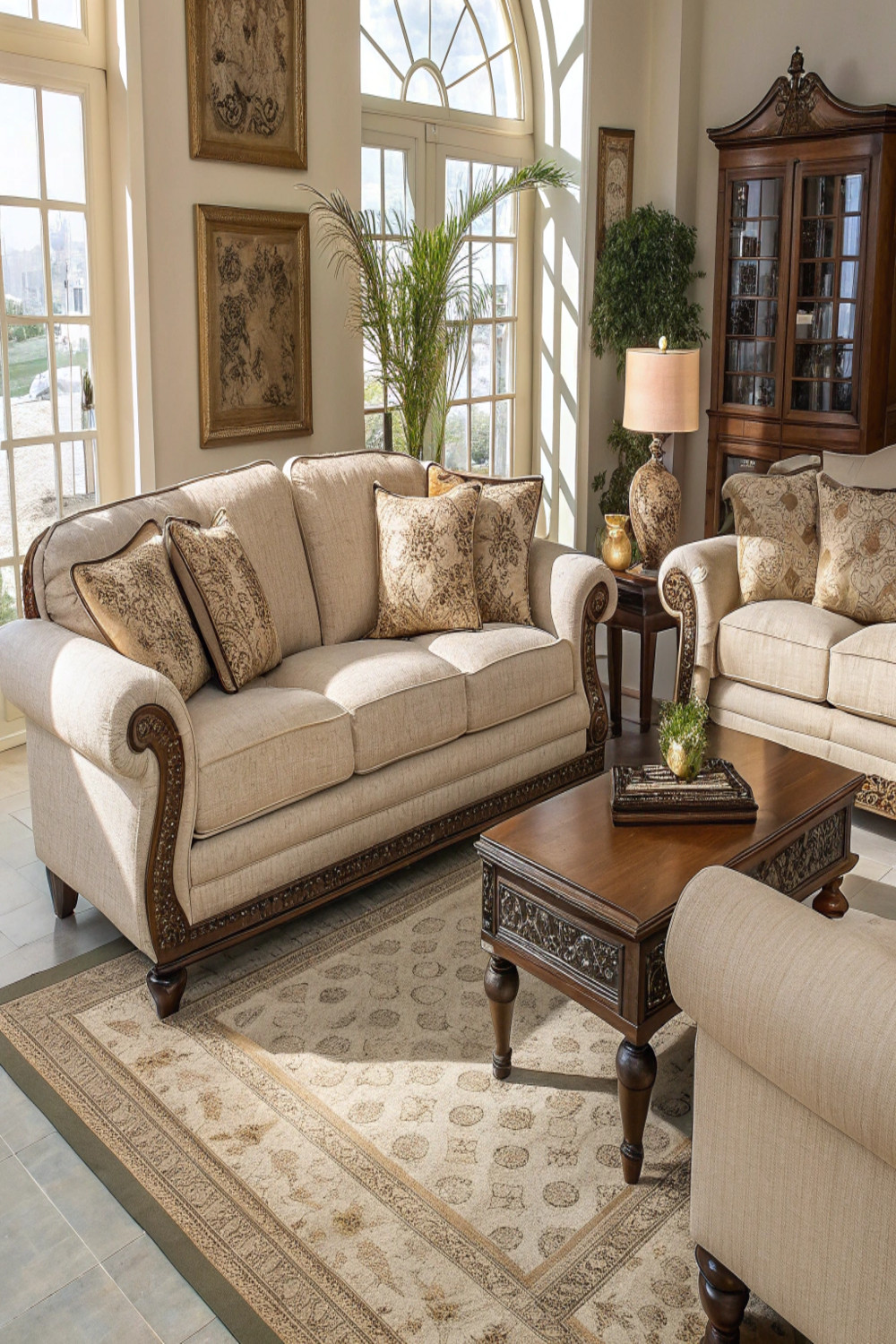
Transforming your sofa and loveseat set from merely functional to beautifully styled doesn’t require professional design expertise—just thoughtful application of these principles. By understanding your preferred style, incorporating essential decor elements, and avoiding common mistakes, you can create a living space that feels both personal and polished. Whether you’re working with a plush fabric arrangement or a sophisticated leather sofa and loveseat set, these techniques will help you maximize both comfort and visual appeal. Start with one section of this guide, implement those changes, then move to the next for a manageable transformation. We’d love to see how you’ve styled your seating area—share your before and after photos in the comments below!
FAQs
How many throw pillows should I use on my sofa and loveseat?
For a standard three-seat sofa, 3-5 pillows create a balanced look. For a loveseat, 2-3 pillows is typically ideal. Vary sizes and textures while maintaining a cohesive color scheme for professional results.
What’s the best way to arrange a coffee table in relation to my seating?
Position your coffee table 14-18 inches from the front edge of your seating to allow comfortable leg room while keeping drinks and accessories within reach. The table should be approximately two-thirds the length of your sofa for proper proportion.
How can I protect my leather furniture while still decorating it beautifully?
Use fabric-backed pillows and throws to prevent color transfer and scratching. Apply a leather conditioner seasonally, and position your seating away from direct sunlight and heat sources to prevent fading and cracking.
Should my loveseat match my sofa exactly?
Not necessarily. While matching sets create a cohesive look, intentionally coordinated pieces in complementary styles, colors, or fabrics often create more interesting spaces. Ensure they share at least one design element (height, depth, leg style) for visual harmony.
How do I decorate around dark-colored furniture?
Balance dark seating with lighter elements through area rugs, curtains, wall colors, and accessories. Add metallic or glass accents to reflect light, and incorporate textured neutrals to create depth without competing with your furniture’s rich tones.