Crochet Doilies Are Back: Best Modern Ways to Use and Style Them
I still remember the first doily I ever finished. It took me three tries, two YouTube tutorials, and one very patient friend who talked me through what a “shell stitch” actually was. When I finally held that little lace circle in my hands, I felt like I’d cracked some kind of secret code passed down through generations of crafters. Turns out, a lot of people are rediscovering that same feeling right now — which is exactly why doilies keep popping up in search bars everywhere, right alongside questions like “does anyone even use these anymore?”
Short answer: yes. Longer answer: let’s talk about it.
Table of Contents
Key Takeaways
- Doilies aren’t outdated — they’re having a real design and craft-world comeback
- They’re more approachable to make than most people assume, even for total beginners
- You don’t need a specialty store to find yarn or patterns — but you do need the right tools
- Old, handmade doilies can carry real sentimental (and sometimes monetary) value
- There’s a growing market for both buying and selling them, vintage or new
Wait, People Actually Still Use Doilies?
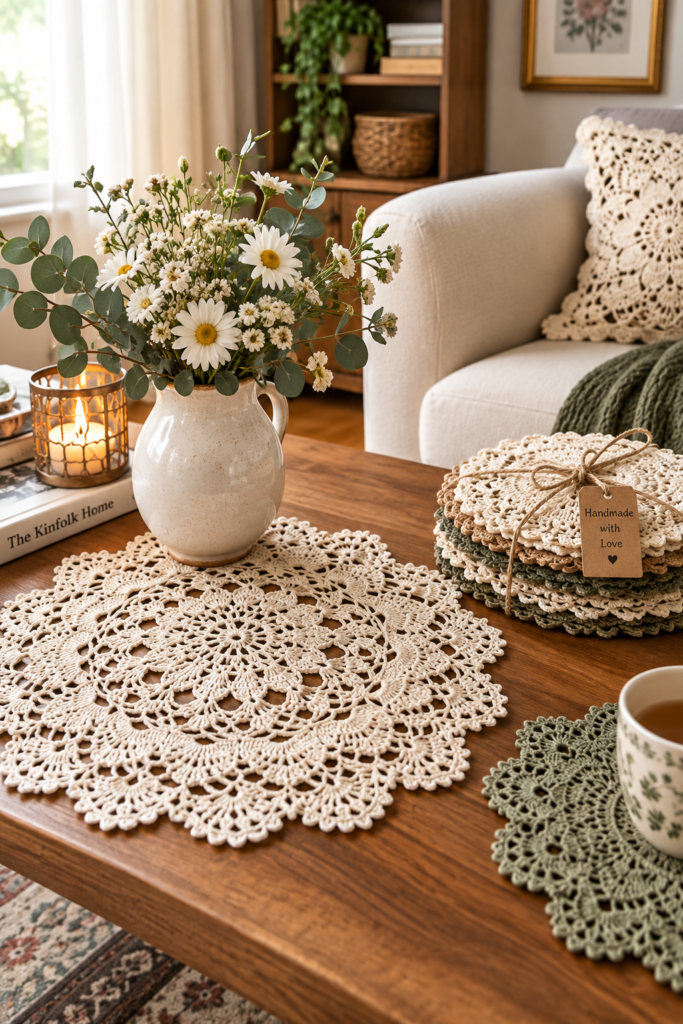
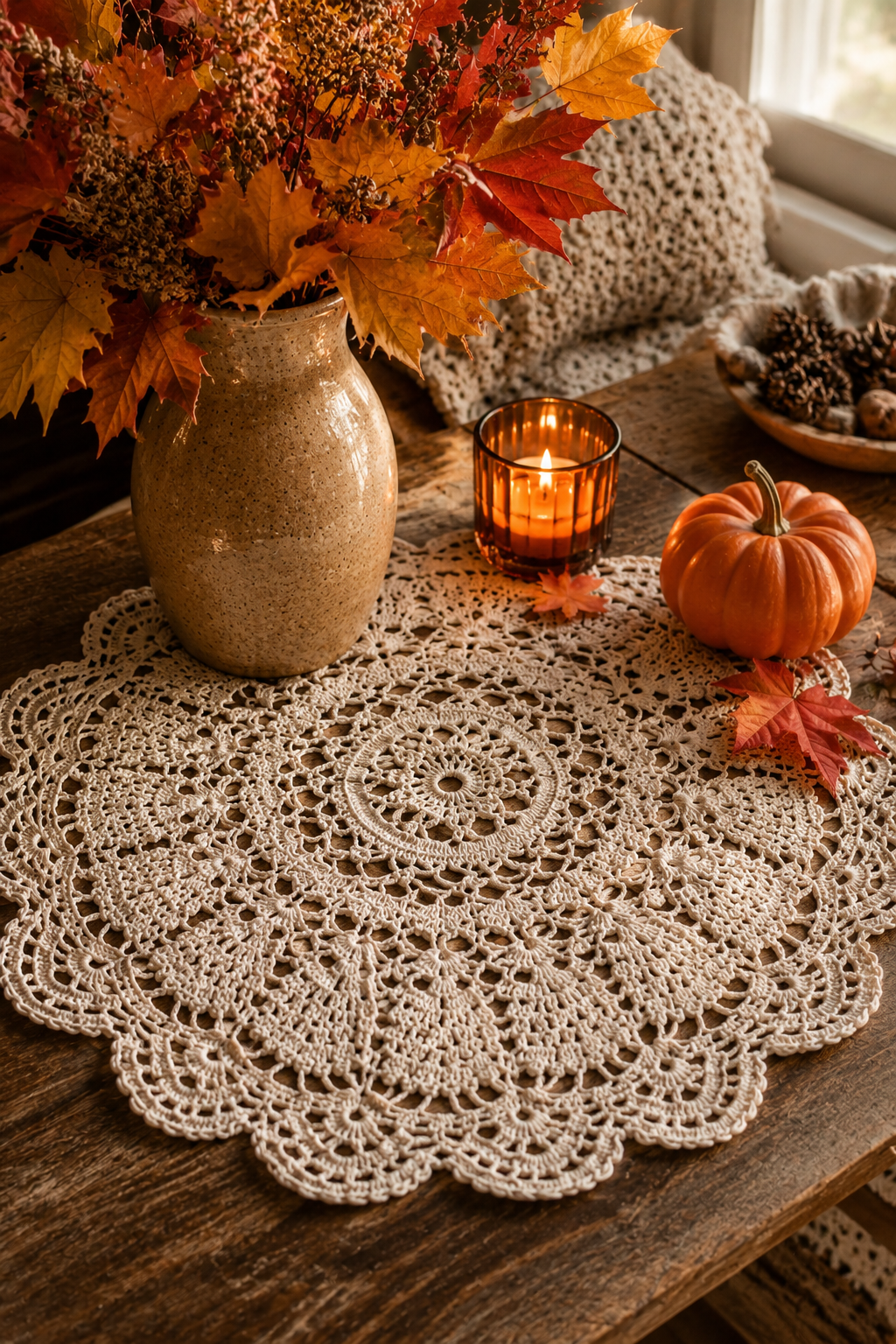
Here’s the thing about doilies — they never really left. What changed is how people use them. Your grandmother might have draped one under a lamp or a vase because that’s what you did in her era. Today’s crafters are using the exact same patterns to make coasters, wall art, dreamcatcher bases, even jewelry. The lace-work itself is timeless; it’s just been given a new job description.
If you’ve scrolled through home décor accounts lately, you’ve probably seen the “cottagecore” and “grandmillennial” aesthetics everywhere — think warm, textured, slightly nostalgic interiors that feel lived-in rather than showroom-perfect. Doilies fit right into that world. They’re small, they’re detailed, and they carry a handmade warmth that mass-produced décor just can’t fake. That’s really the heart of why doilies are back in fashion: people are craving things that feel personal again.
Is Crocheting a Doily Actually Hard?
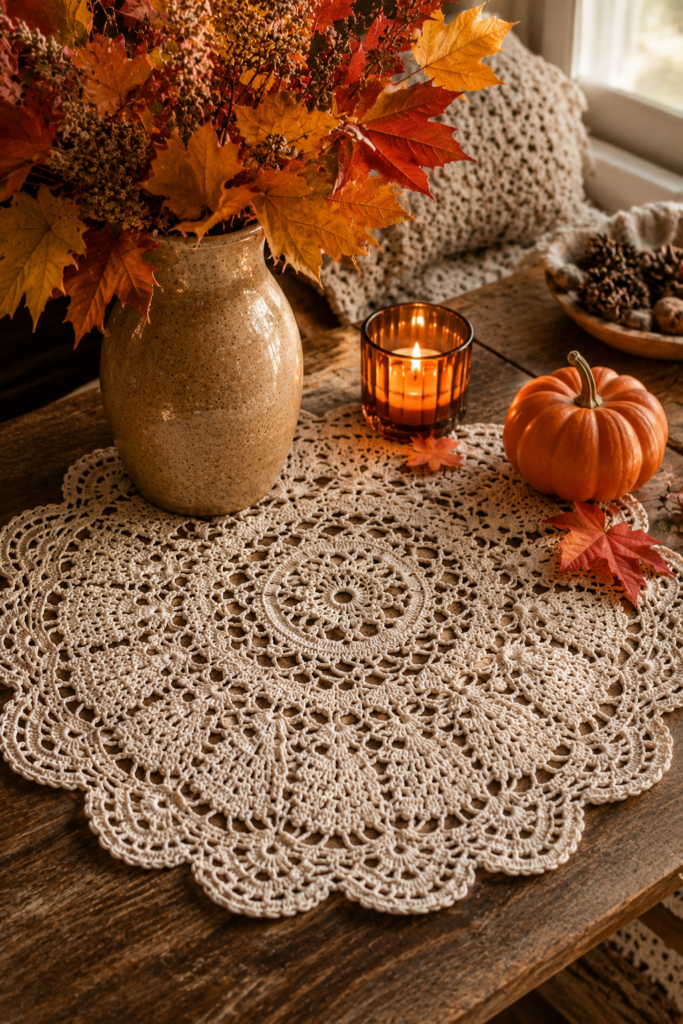
I’ll be honest with you — the first time I looked at a doily pattern, I nearly closed the tab. All those tiny stitches packed into a circle looked like a level of skill I definitely didn’t have. But here’s what nobody tells beginners: doilies look intricate because of repetition, not because of difficulty. Once you learn a handful of basic stitches — chain, single crochet, double crochet, and a shell stitch or two — you’re really just repeating the same small sequence over and over in a circle.
That’s not to say there’s no learning curve. Working in the round can trip up beginners at first, and following written patterns (versus video tutorials) takes some getting used to. But compared to, say, an intricate sweater or a colorwork blanket, a doily is genuinely one of the more forgiving projects to learn on. Most people pick up the basics faster than they expect — often within a weekend of practice.
What You Actually Need to Get Started
You don’t need a huge stash of specialty supplies to make your first doily. Here’s what actually matters:
- Yarn: A lightweight cotton thread (often labeled crochet thread, not yarn) gives you that classic crisp, lacy look. Cotton also holds its shape better than acrylic, which matters for something meant to lie flat.
- Hook size: Most doily patterns call for a small steel hook, often in the 1.5mm–2.5mm range for fine thread, though beginners sometimes start with a slightly larger hook and worsted-weight cotton to practice the stitches before going smaller.
- A simple pattern: Look for patterns labeled “beginner” or “easy” — these usually have fewer rounds and simpler stitch combinations before working up to the more elaborate lace designs.
As for where to find supplies, big craft retailers carry basic crochet thread and hooks, though selection for doily-specific thread can be hit or miss depending on the store and season. If you strike out in person, specialty yarn shops and online craft marketplaces tend to have a far bigger selection, especially for the finer threads serious doily-makers prefer.
Why This Craft Refuses to Die Out
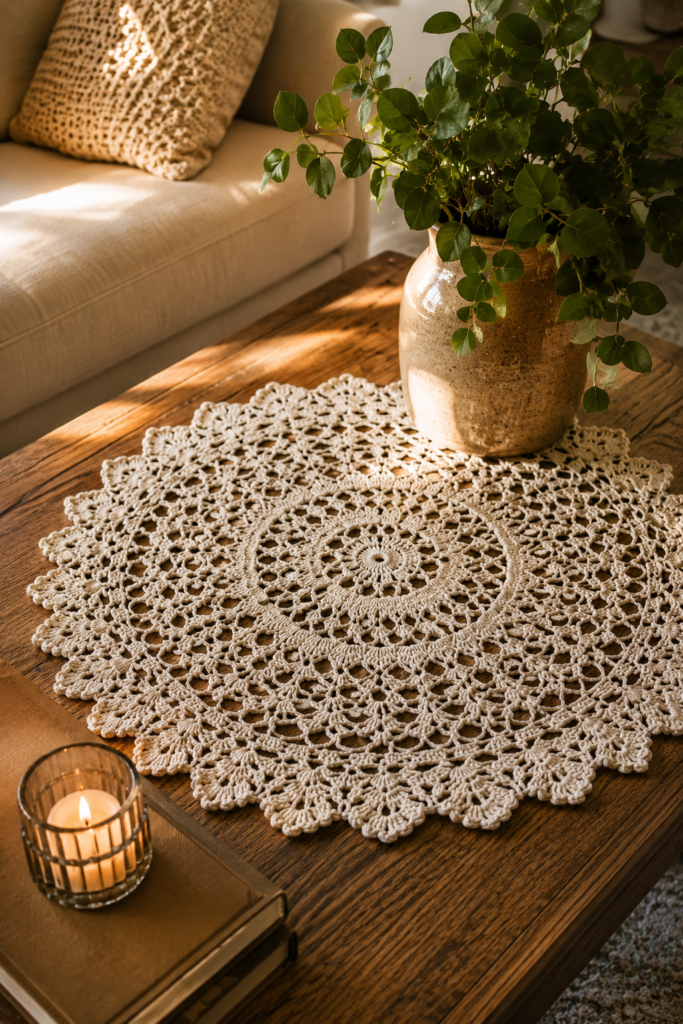
I think part of what makes doilies so enduring is that they sit at this strange, wonderful intersection of function and art. They were never purely decorative — they were practical, meant to protect furniture from scratches and spills, catch drips from a teacup, or dress up a plain wooden table. But somewhere along the way, the practical purpose became secondary to the sheer beauty of the lacework itself.
That duality is exactly why doilies keep resurfacing generation after generation. Every few decades, home décor swings back toward texture, handmade detail, and a softer, warmer aesthetic — and doilies slot right back in. We saw it with the grandma-chic revival a few years ago, and we’re seeing it again now with the renewed interest in “slow craft” and heirloom-style décor. People are tired of things that feel disposable. A doily, by definition, is the opposite of disposable — someone sat down and worked every single stitch by hand.
There’s also a quieter reason doilies persist: they’re a genuinely satisfying introduction to lace crochet. Sweaters and blankets take weeks. A doily can be finished in an afternoon or two, which means beginners get that dopamine hit of “I made something beautiful” much faster than with almost any other crochet project. That fast feedback loop is a big part of why so many crafters cut their teeth on doilies before moving on to bigger lace work like shawls or tablecloths.
What About Old Doilies — The Ones Already Sitting in a Drawer Somewhere?
This is where it gets a little sentimental for me. So many people have a box of doilies tucked away — inherited from a mother or grandmother, never quite knowing what to do with them. Here’s the good news: they don’t have to just sit there.
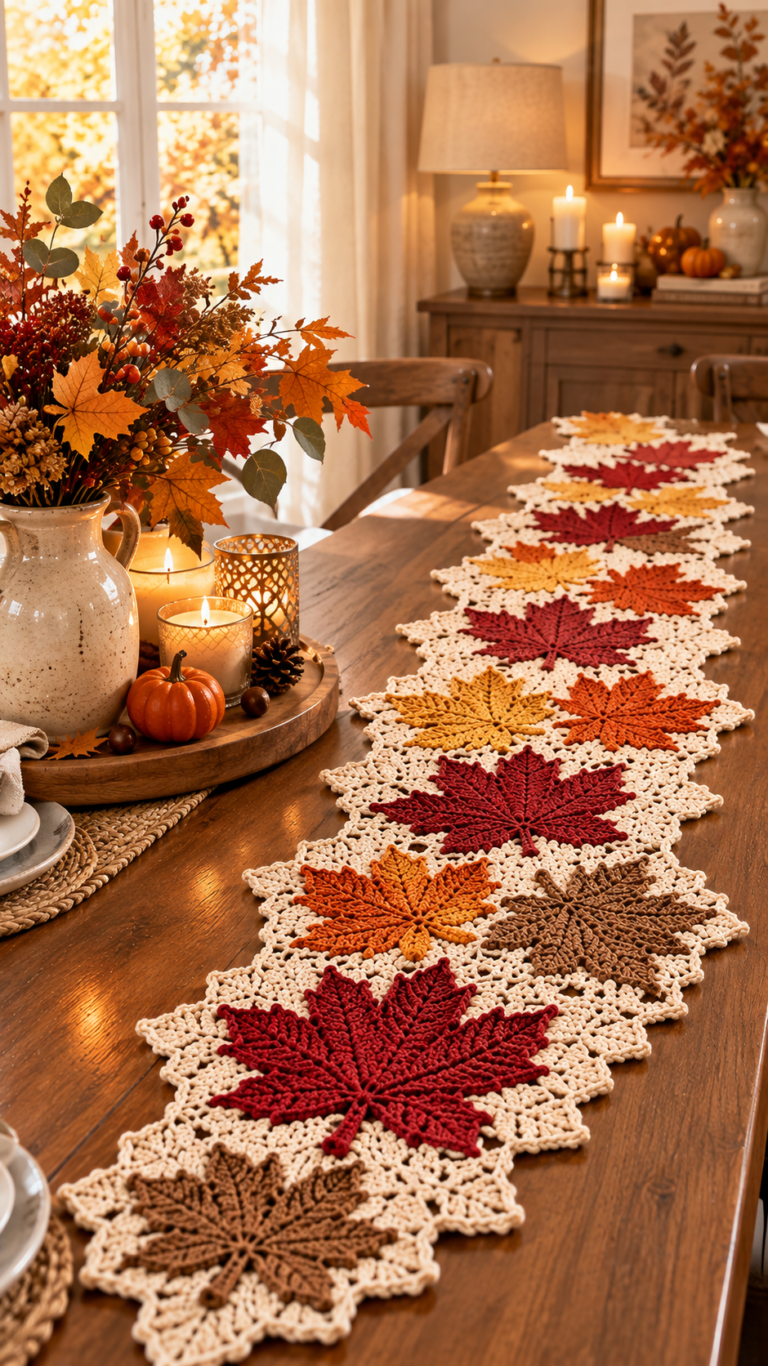
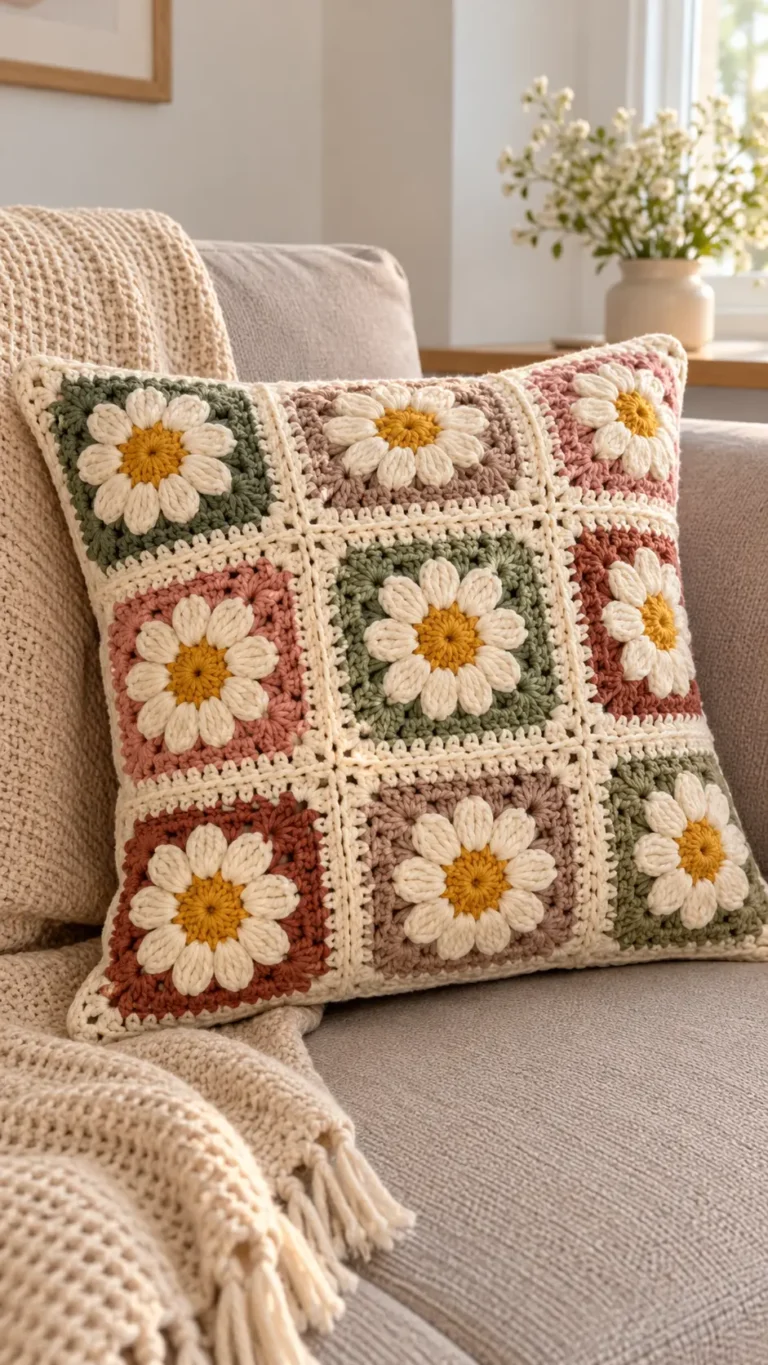
Vintage, hand-crocheted doilies in good condition can hold real value, especially intricate or larger ones from skilled makers. Collectors and vintage décor shoppers actively look for them, and they turn up regularly in online vintage marketplaces and antique shops. But value aside, plenty of people are finding creative second lives for old doilies — framing them as wall art, sewing them into pillow covers, stiffening them into bowls, or layering them into scrapbooks and memory boxes. If a doily has family history behind it, that’s often worth more than any price tag anyway.
Should You Try Making Your Own?
If you’re on the fence, here’s my honest take: start small. Pick one simple, round pattern with big stitches and thicker thread, just to get comfortable with the rhythm of working in rounds. Don’t judge your first doily too harshly — mine was lopsided and had one round that mysteriously gained six extra stitches. It still sits on my shelf because it reminds me that every skill starts messy.
What keeps people coming back to this craft isn’t just the finished product — it’s the meditative, repetitive rhythm of the stitches. There’s something genuinely calming about watching a flat piece of thread slowly spiral into lace in your hands. And once you’ve made one, you’ll probably understand why so many crafters describe doily-making as borderline addictive — there’s always “just one more round” you want to add.
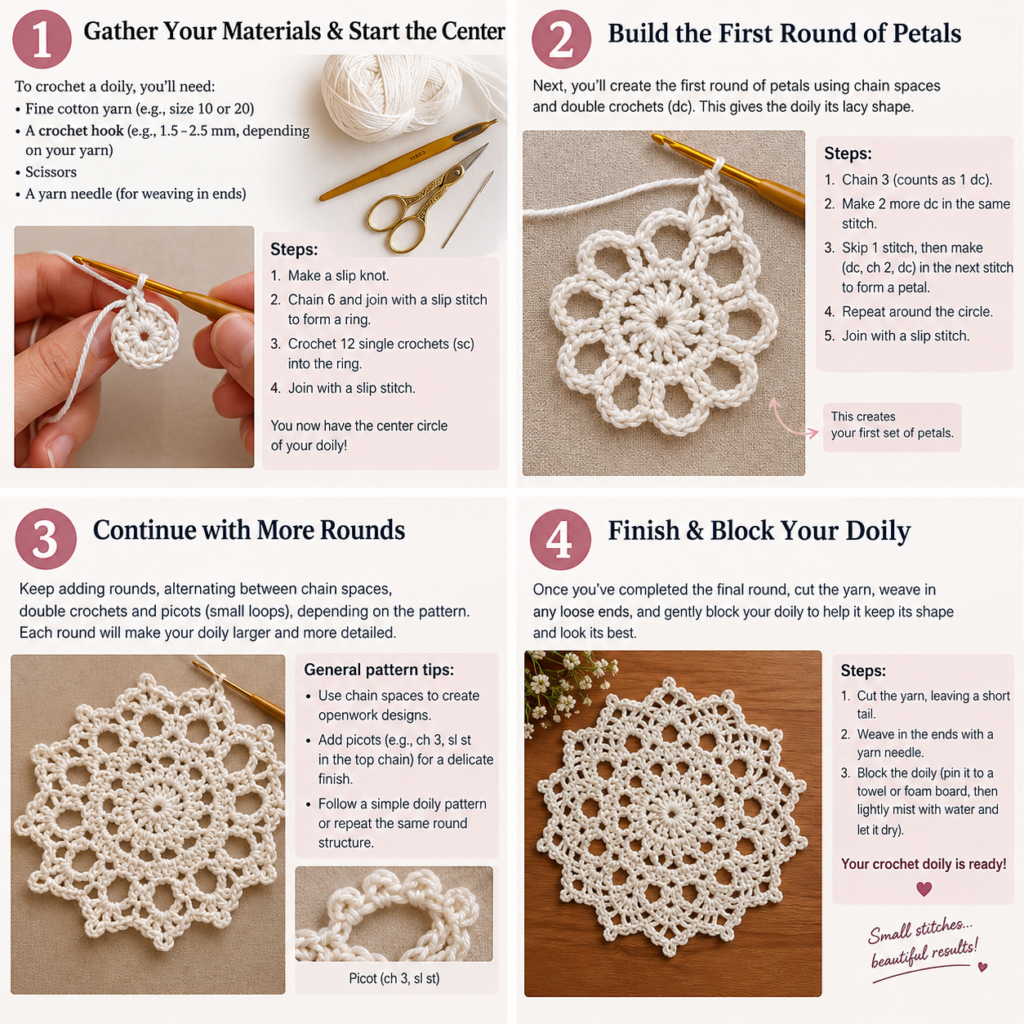
If you want a realistic beginner roadmap, it usually looks something like this: start with a simple granny-square-style round using worsted weight cotton and a standard hook, just to get your tension consistent. Once that feels comfortable, move to a basic six or eight-petal doily pattern using a lighter cotton thread. From there, you can start experimenting with picot stitches, shells, and more elaborate lace borders. Most beginners find that by their third or fourth doily, reading a pattern feels far less intimidating than it did on day one.
The Bottom Line
Doilies were never really “out.” They just went quiet for a while, waiting for a generation to rediscover how much charm and craft skill lives in something so small. Whether you’re hunting down a piece from your grandmother’s era, browsing for a modern reproduction, or picking up a hook for the first time, there’s a place for you in this little corner of the craft world.
Frequently Asked Questions About Crochet Doilies
What is the hardest thing to crochet in the world?
Among crochet projects generally, the most technically demanding pieces tend to be extremely fine thread lace work — think intricate tablecloths, elaborate shawls, or multi-layered doilies with dozens of rounds and complex stitch combinations. What makes these hard isn’t any single stitch; it’s the sheer patience required to maintain even tension across hundreds of tiny repetitions without losing your place. A basic doily, by contrast, is nowhere near this level — it’s really an entry point into that same skill set, not the deep end of it.
How long does it take to learn crochet?
Most people can learn the core stitches — chain, single crochet, double crochet — within a few hours of focused practice. Getting comfortable enough to follow a written pattern independently, including working in the round like doilies require, typically takes a few weeks of casual practice, maybe a handful of projects. Fluency, where you can glance at a pattern and just know what it’s asking, tends to come after several months of regular crocheting. The timeline really depends on how often you pick up the hook, not some fixed learning curve.
Are doilies making a comeback?
Yes, and it’s a fairly visible one. The renewed interest in “grandmillennial” and cottagecore-style home décor has pulled doilies back into the spotlight, alongside a broader cultural appetite for handmade, heirloom-feeling objects. Crafters are also repurposing doily patterns into modern applications — coasters, wall hangings, jewelry — which has introduced the technique to a younger audience who might never have used the word “doily” a decade ago.
What can I do with old crocheted doilies?
Inherited or thrifted doilies have plenty of second lives beyond a drawer. Popular options include framing them as textile wall art, stiffening them with fabric starch to form decorative bowls, stitching several together into a table runner or pillow cover, or incorporating them into scrapbooks and memory keepsakes. If the piece is especially old or finely made, it’s also worth having it appraised or listed with vintage textile collectors, since well-preserved handmade lace can carry genuine value.
So — Would you rather hunt for a beautiful vintage doily or crochet your own from scratch? If you’ve got an old doily story, a first-project disaster, or you’re just now grabbing your first ball of crochet thread, I’d genuinely love to hear about it. Drop a comment below and let’s talk lace.