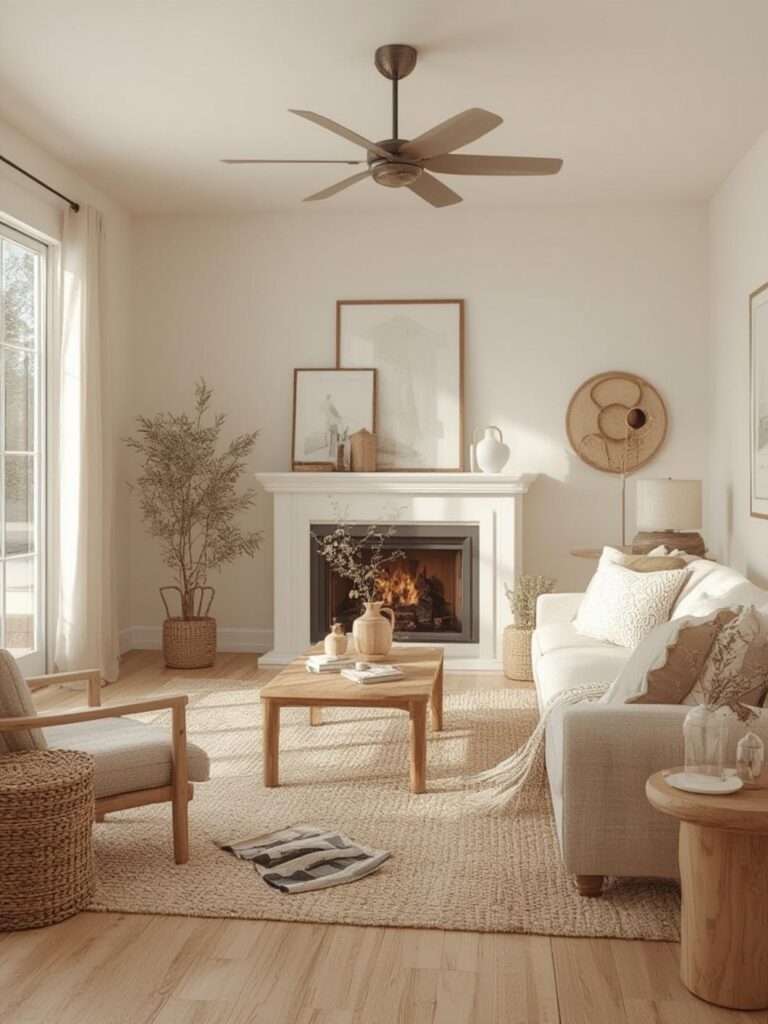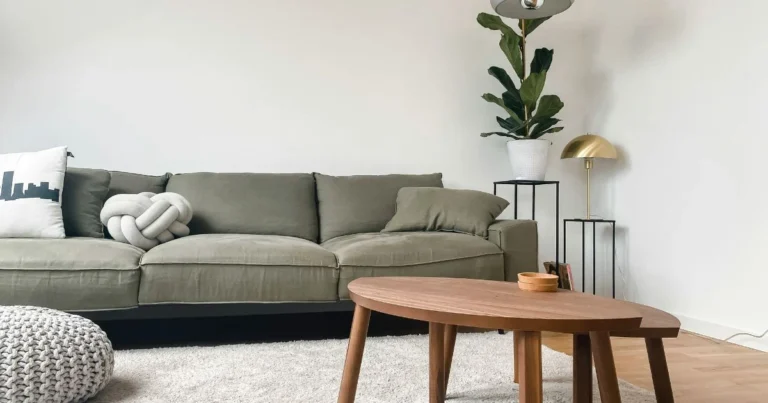
How to Decorate Around Recliner Couches: Style, Comfort & Smart Design Tips
Introduction
Have you ever looked at your living room and felt like something just doesn’t quite come together — even after rearranging everything twice? You’re not alone. Decorating around recliner couches is one of the most common challenges homeowners face. These pieces are beloved for their comfort, but styling them beautifully requires thoughtful planning. Many people struggle with awkward layouts, mismatched colors, or rooms that feel cluttered rather than cozy. The good news? With the right decor approach, your recliner seating can become the stunning focal point your living room deserves. This guide walks you through practical, budget-friendly, and aesthetically pleasing tips to help you transform your space confidently and effortlessly.
Table of Contents
Understanding the Best Decor Style of Recliner Couches
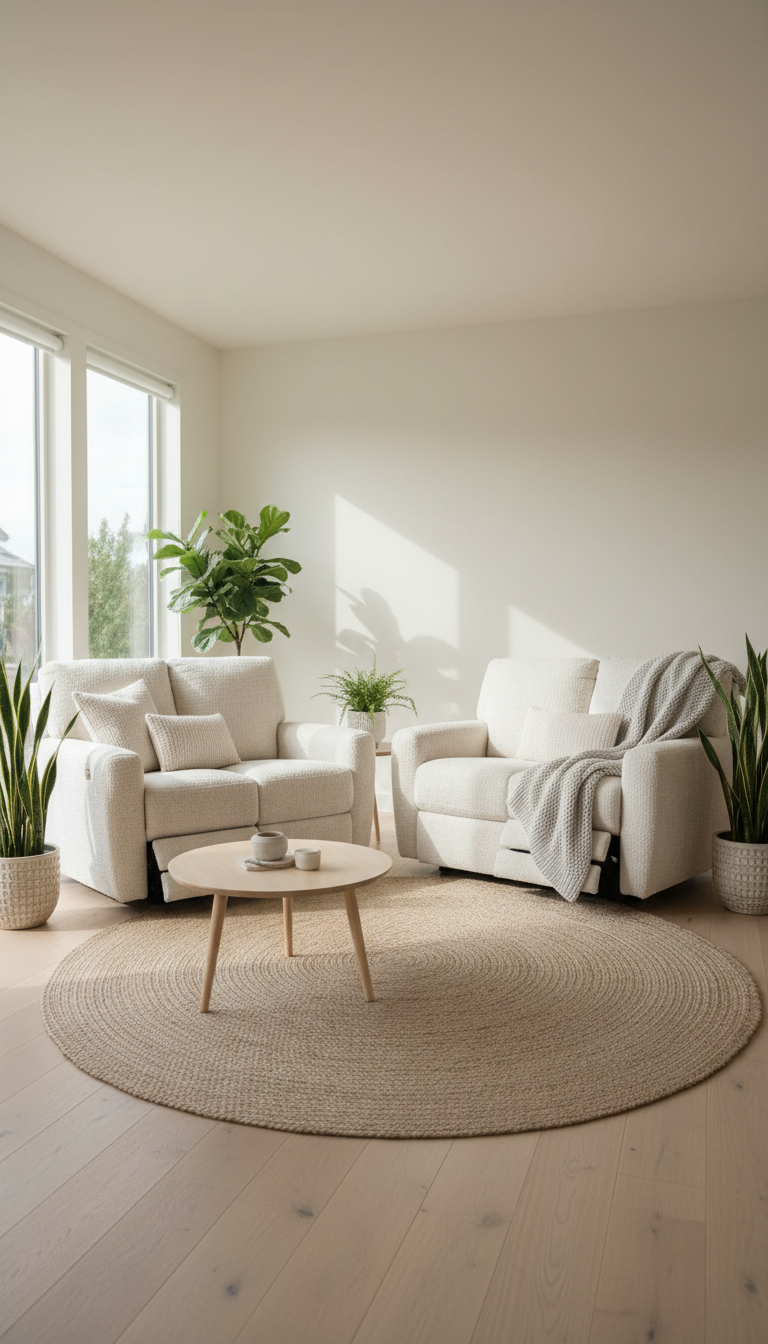
Choosing the right decor style isn’t just about looks — it directly impacts how functional and inviting your living room feels. Before you start shopping for accessories or rearranging furniture, ask yourself: What lifestyle does my living room need to support?
Here are some popular styles that work beautifully with recliner seating:
– Modern Minimalist – Clean lines, neutral tones, and uncluttered surfaces complement sleek recliner designs perfectly.
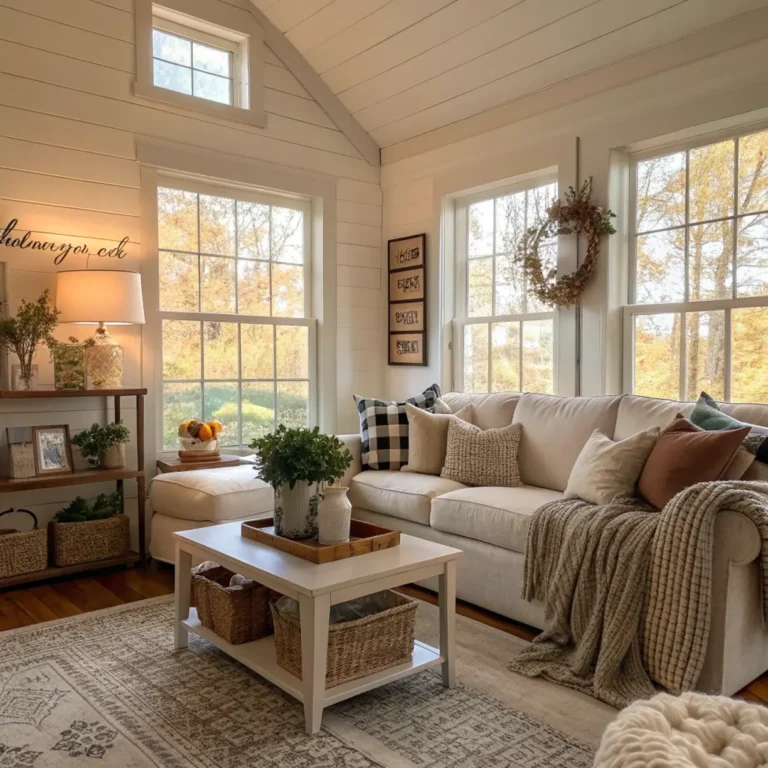
– Rustic Farmhouse – Warm wood accents, plaid throws, and natural textures create a cozy, lived-in aesthetic.
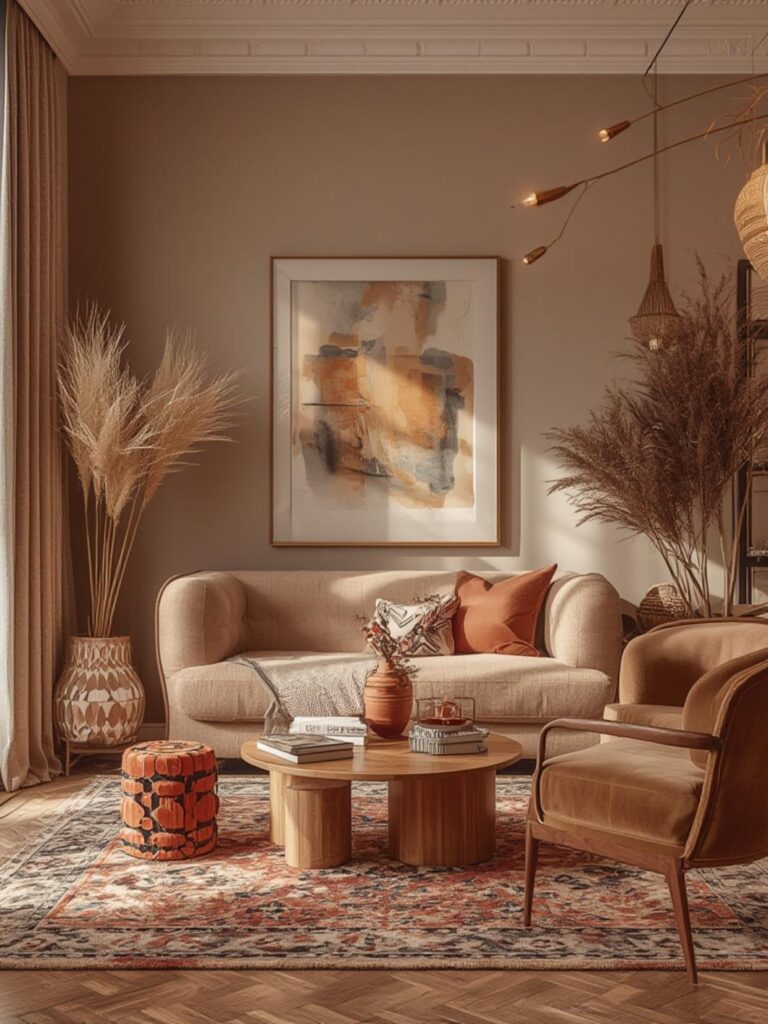
– Mid-Century Modern – Bold geometric patterns and warm walnut tones pair well with low-profile recliners.
– Contemporary Transitional – A blend of classic and modern elements that suits most households and family dynamics.
Pro Tip: If your living room is small, go minimalist. Fewer accessories mean more visual breathing room around your seating area. Match your decor style to your actual lifestyle — not just Pinterest trends.
Essential Decor Tips for Recliner Couches
Getting the foundation right makes all the difference. Here are core decor principles tailored specifically for rooms anchored by recliner couches:
1. Prioritize Clearance Space
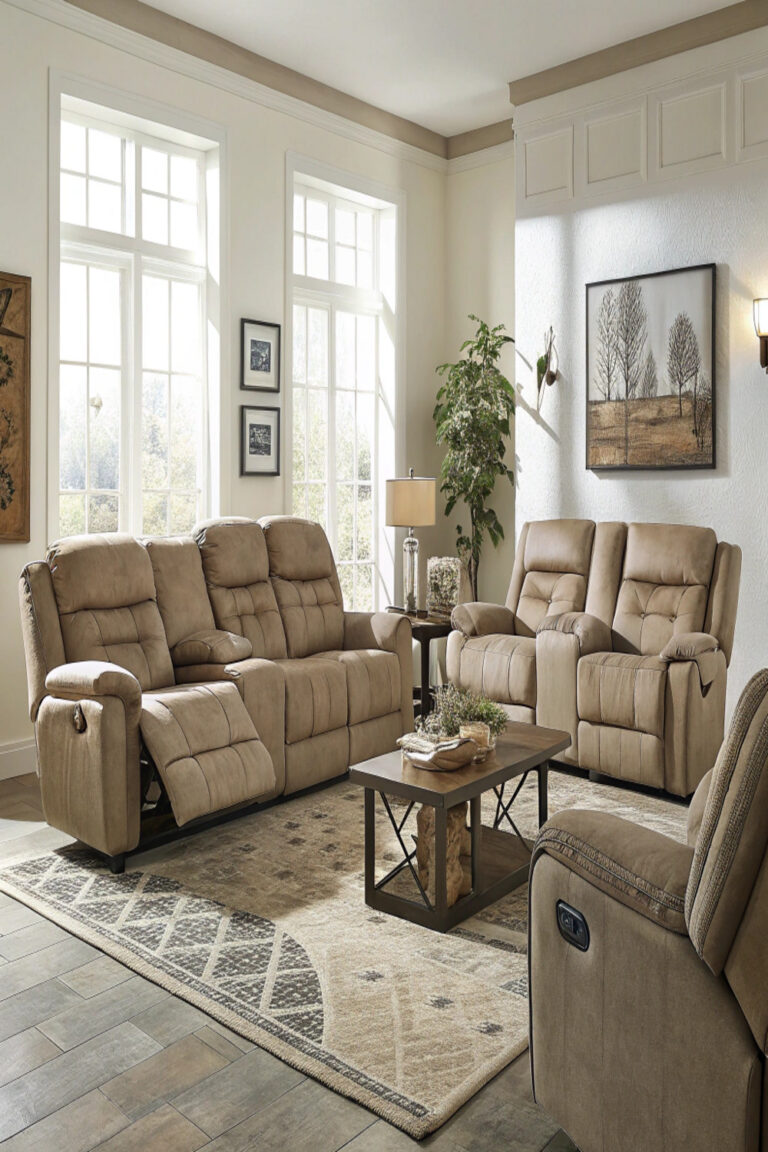
Recliners need room to fully extend. Always leave at least 12–18 inches behind and beside each seat to allow smooth operation without bumping into walls or side tables.
2. Anchor with an Area Rug
A well-sized rug visually grounds your seating arrangement and adds warmth. Choose one large enough so that at least the front legs of all seating rest on it.
3. Balance the Room Visually
Pair heavier recliner pieces with lighter accent furniture — such as open-frame side tables or slim floor lamps — to maintain visual equilibrium.
4. Layer Textures for Depth
Add throw pillows in contrasting fabrics like velvet, linen, or knit. This instantly elevates the comfort aesthetic without major investment.
5. Create a Focal Point
Whether it’s a gallery wall, fireplace, or large TV console, make sure your recliner arrangement faces a clear, intentional focal point.
Budget-Friendly Decor Ideas
Decorating beautifully doesn’t require a designer budget. Here’s how to style your recliner living room affordably:
– Thrift store side tables — Sand and repaint them to match your color palette. A $10 find can look like a boutique piece.
– DIY gallery walls — Print free downloadable art, frame it uniformly, and hang it as a sophisticated backdrop.
– Seasonal throw swaps — Instead of buying new furniture each season, update your throws and pillow covers for under $30.
– Peel-and-stick wallpaper — Add an accent wall behind your seating area for dramatic effect without permanent commitment.
– Upcycle with paint — A fresh coat of paint on an old coffee table or bookshelf can tie the whole room together.
Smart Shopping Tip: Always measure your space before purchasing online. Many budget pieces look perfect in photos but overwhelm small rooms in person.
Common Mistakes to Avoid
Even well-intentioned decorators make these errors. Avoid these pitfalls:
– Choosing the wrong size rug — A rug that’s too small makes the room feel disconnected and smaller than it is.
– Ignoring recliner clearance — Pushing recliners against walls without room to extend ruins both function and aesthetics.
– Poor color coordination — Mixing too many competing tones creates visual chaos. Stick to a three-color palette maximum.
– Overcrowding the space — More furniture doesn’t mean more style. Negative space is a design tool, not wasted space.
– Neglecting lighting layers — Relying solely on overhead lighting flattens the room and removes ambiance.
– Prioritizing looks over comfort — A beautiful room that no one wants to sit in has failed its primary purpose.
– Ignoring long-term maintenance — Light-colored upholstery in a high-traffic family room may look stunning on day one but becomes a cleaning nightmare by month three.
Lighting Tips for a Better Atmosphere
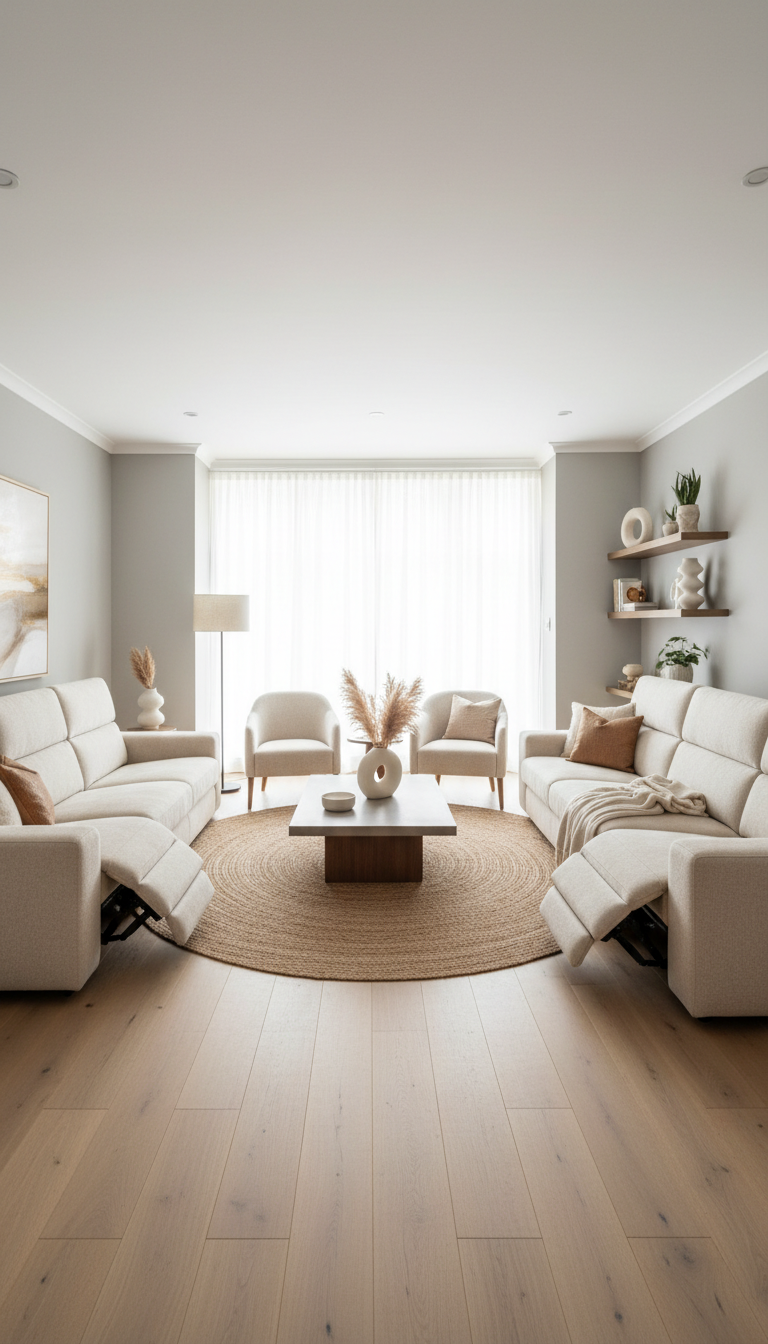
Lighting is the single most underrated element in living room design. Here’s how to get it right:
Natural Light First
Position your recliner arrangement to take advantage of windows. Avoid blocking natural light with bulky furniture or heavy curtains. Use sheer panels to diffuse rather than eliminate daylight.
Layer Your Lighting
Great rooms use three types of lighting:
– Ambient – Overhead fixtures that provide general illumination
– Task – Floor or table lamps positioned beside recliners for reading
– Accent – LED strips, candles, or wall sconces that add mood and dimension
Bulb Temperature Matters
For living rooms, choose warm white bulbs (2700K–3000K). Cool or daylight bulbs create a clinical feel that contradicts the cozy, relaxed atmosphere a recliner room should deliver.
Dimmer Switches
Install dimmers wherever possible. The ability to shift from bright movie-watching light to soft evening ambiance is a game-changer for versatility and comfort.
Best Recliner Couches And Things To Discover :
Oversized 3-Seater Convertible Sofa Bed with 5 Pillows – Gray Fold-Out Loveseat Couch
Brown Side Sofa Table for Living Room & Bedroom
Faesun Adjustable C-Shaped Swivel Side Table with Storage
Conclusion
Recliner Couches : Decorating around recliner seating is absolutely achievable — and genuinely rewarding — when you approach it with intention. From choosing the right style and mastering your layout to nailing your lighting layers and avoiding common design traps, every decision you make shapes how your living room looks and feels daily. Whether you’re styling classic leather recliners or fabric sectionals, the principles remain the same: balance comfort with beauty, function with style. Now it’s your turn — apply one tip from this guide today and watch your space transform. We’d love to hear how it goes! Drop a comment below or explore our related posts on living room design for even more inspiration.
FAQs
Q1: How much space do recliner couches need to function properly?
Most recliners require 12–18 inches of clearance behind them to fully extend without hitting walls. Always measure your room before purchasing. Wall-hugger recliner models are a great solution for tighter spaces, needing only 4–6 inches of clearance.
Q2: What colors work best with leather recliners?
Leather recliners pair beautifully with warm neutrals like caramel, cream, and taupe. For contrast, deep jewel tones such as navy, forest green, or burgundy create a rich, sophisticated look. Avoid overly cool grays, which can clash with warm leather undertones and make the room feel sterile.
Q3: Can I mix recliner couches with other furniture styles?
Absolutely. The key is finding a unifying element — whether that’s a consistent color, material, or design line. Mixing a contemporary recliner with a rustic wood coffee table works beautifully when tied together through a coordinated color palette and complementary textures throughout the space.
Q4: What type of rug works best under recliner seating?
Choose a low-pile or flat-weave rug that won’t snag or buckle under recliner footrests when extended. Size matters most — opt for a rug large enough that all seating pieces share the same ground plane. A 8×10 or 9×12 rug suits most standard living room configurations.
Q5: Are leather recliners harder to maintain than fabric options?
Not necessarily. Quality leather recliners are actually easier to wipe clean and resist stains better than many fabrics. They do require occasional conditioning to prevent cracking and drying. Fabric recliners offer more texture variety but typically need more frequent deep cleaning, especially in pet-friendly or high-traffic households.
Q6: How do I make a recliner room look less bulky?
Balance large recliner pieces with visual lightness elsewhere. Use slim-legged side tables, open shelving, mirrors to expand perceived space, and keep accessories minimal. A monochromatic or tonal color scheme also reduces visual weight and makes even large recliner furniture feel intentional rather than overwhelming.