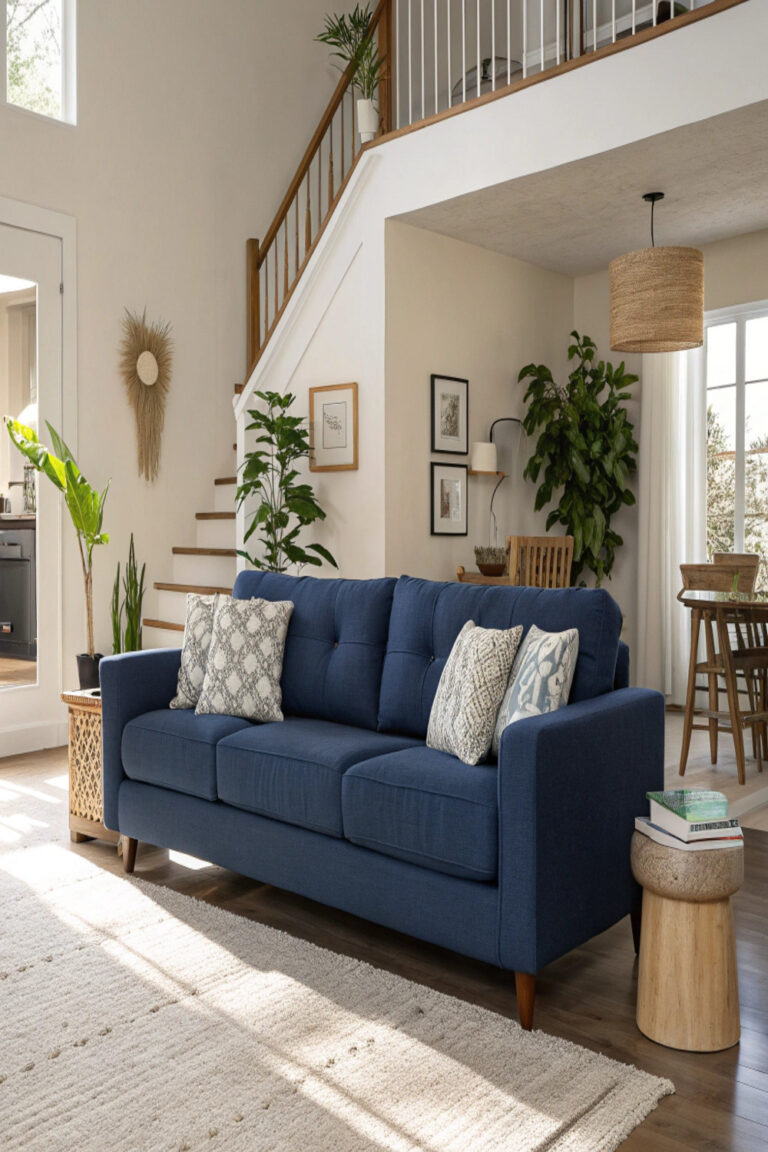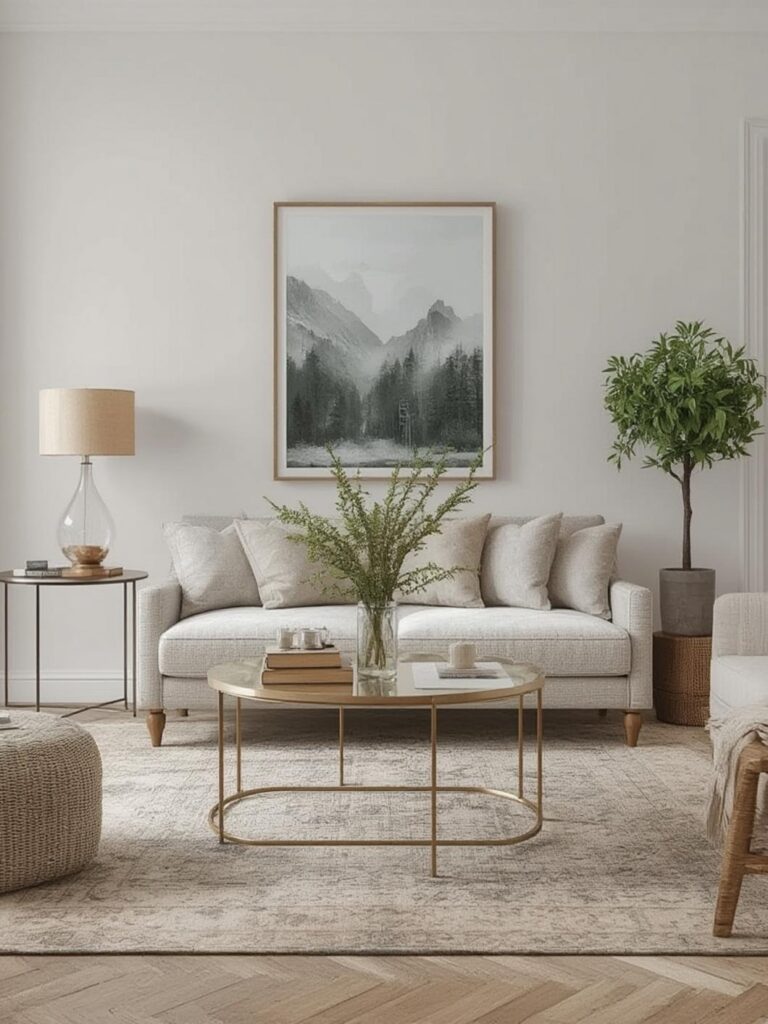
How to Transform Your Living Room with a Sofa and Loveseat Set
Have you ever walked into your living room and felt something was missing, despite having beautiful furniture? Transforming your sofa and loveseat set from ordinary to extraordinary doesn’t require interior design credentials—just some thoughtful styling and creative vision. Many homeowners struggle with balancing aesthetics and functionality, especially when working with larger pieces like a sectional sofa set. The challenge often lies in creating a cohesive look that reflects your personality while maintaining comfort and practicality. This guide will walk you through expert decorating techniques that transform your living room furniture into the stunning focal point your space deserves.
Table of Contents
Understanding the Best Decor Style
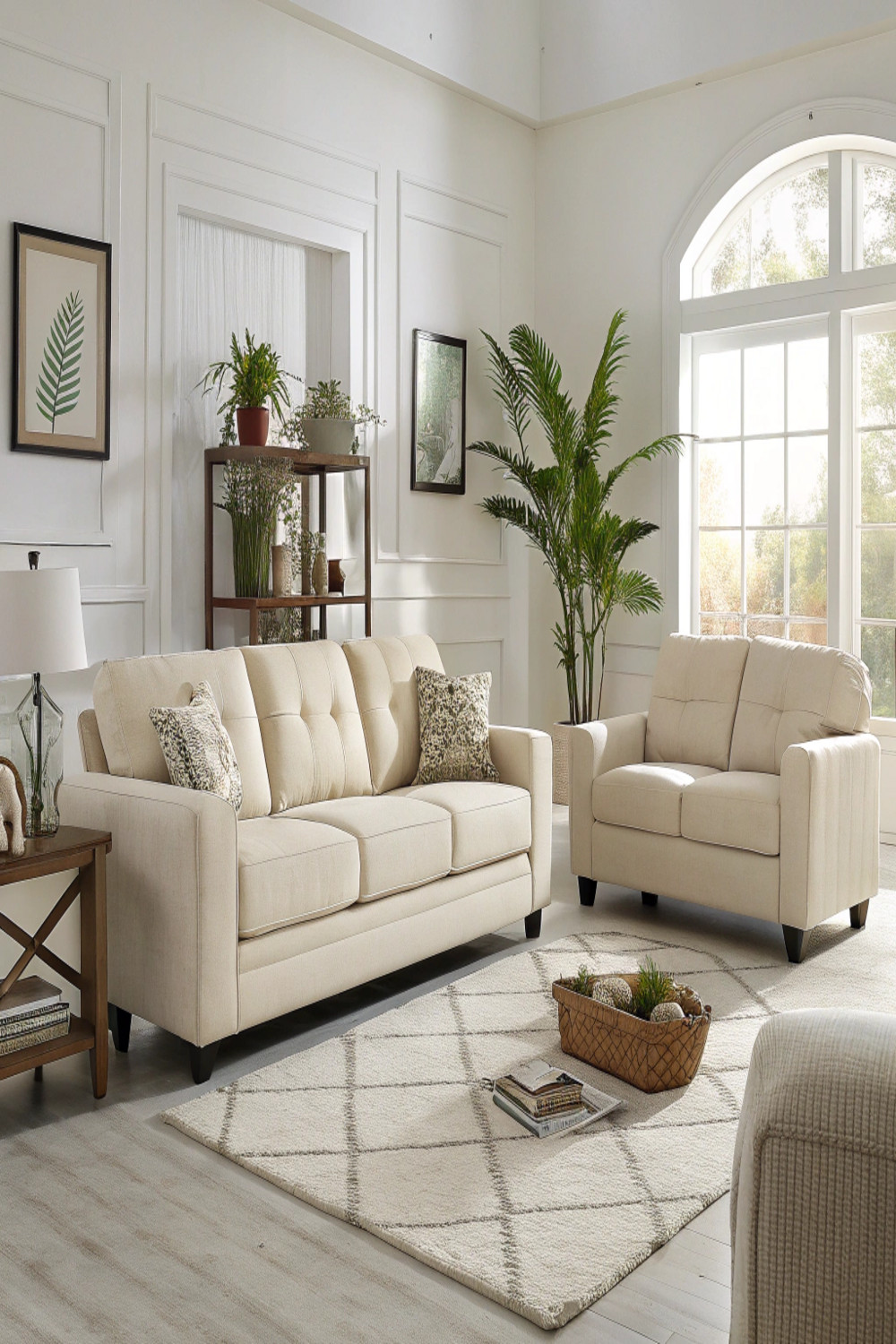
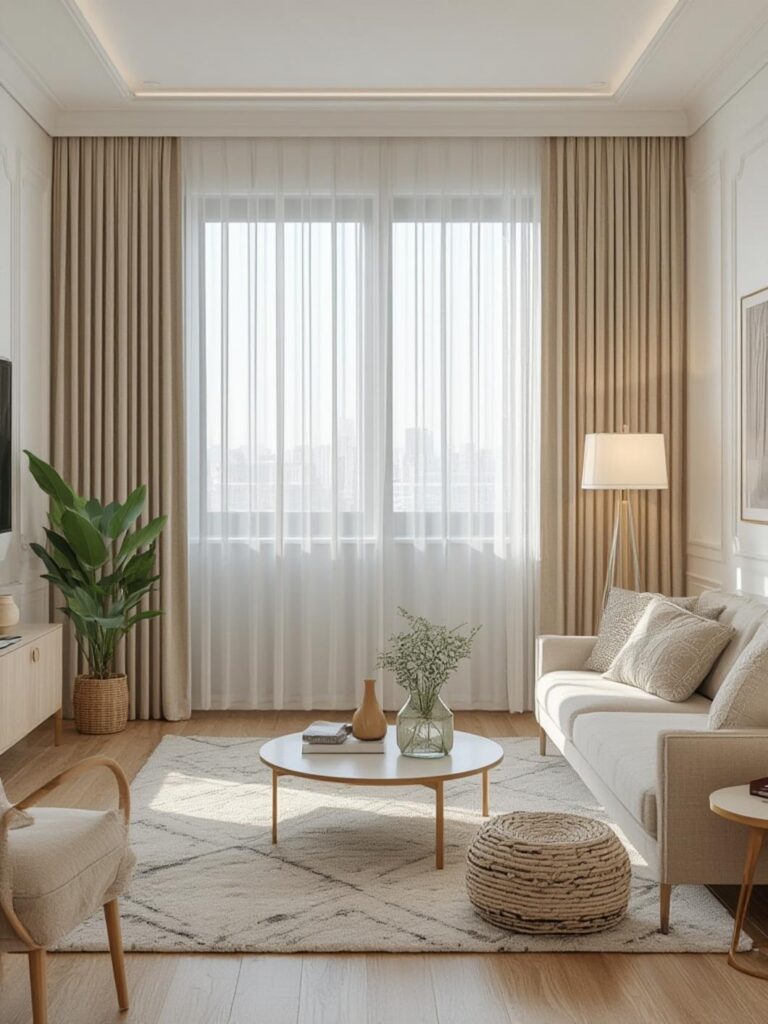
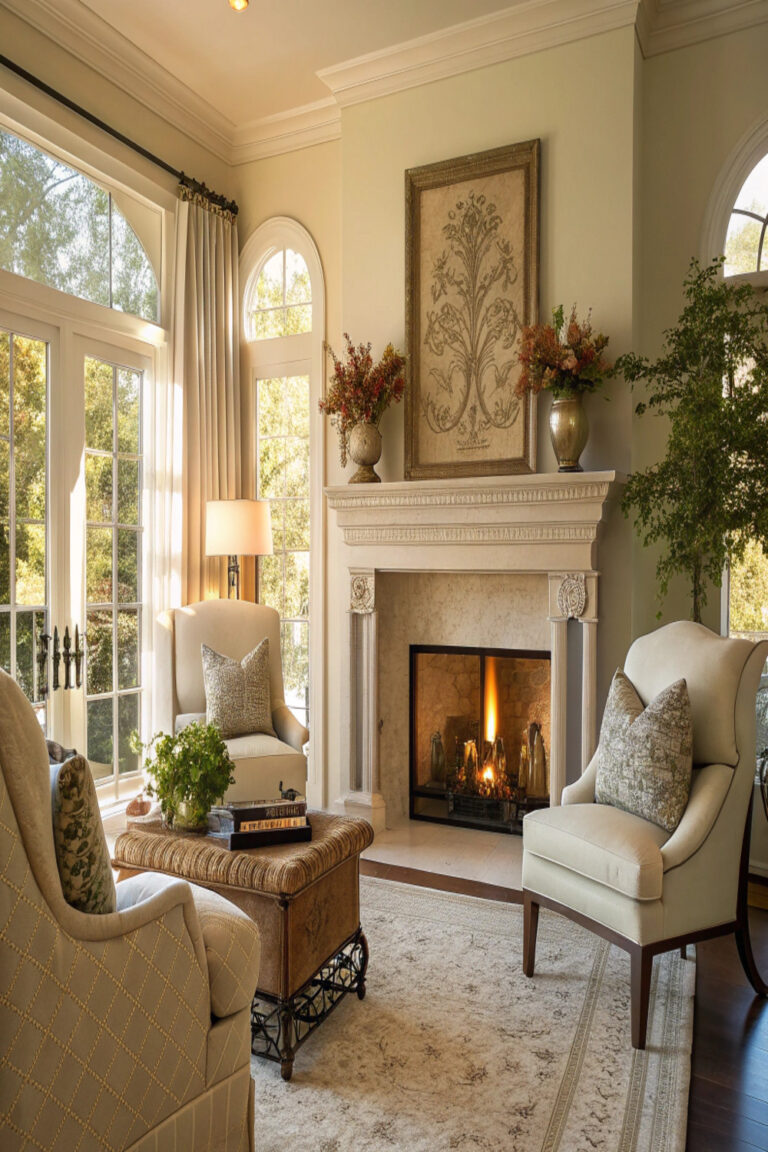
Selecting the right decor style for your living room furniture creates harmony and elevates the entire space. Your style choice should complement the architectural elements of your room while reflecting your personal aesthetic. For a traditional sofa and loveseat set, consider classic styling with symmetrical arrangements, rich textiles, and refined accessories. Modern and contemporary spaces benefit from clean lines, minimalist accessories, and strategic pops of color.
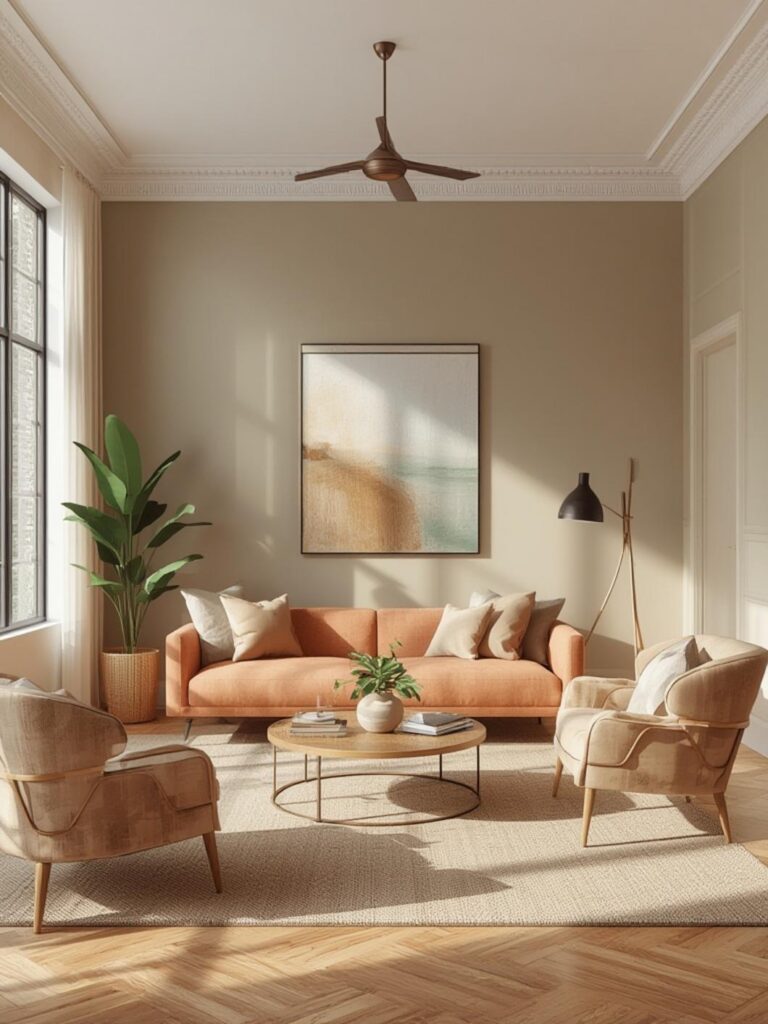
When decorating around a sectional sofa set, embrace its natural flow by choosing a cohesive style that works with its shape. Coastal and farmhouse styles offer relaxed elegance with light fabrics and natural textures, while mid-century modern brings bold geometry and statement pieces. Remember that your furniture should serve as both the foundation of your style and its most prominent expression—choose accents that enhance rather than compete with these key pieces.
Essential Decor Tips
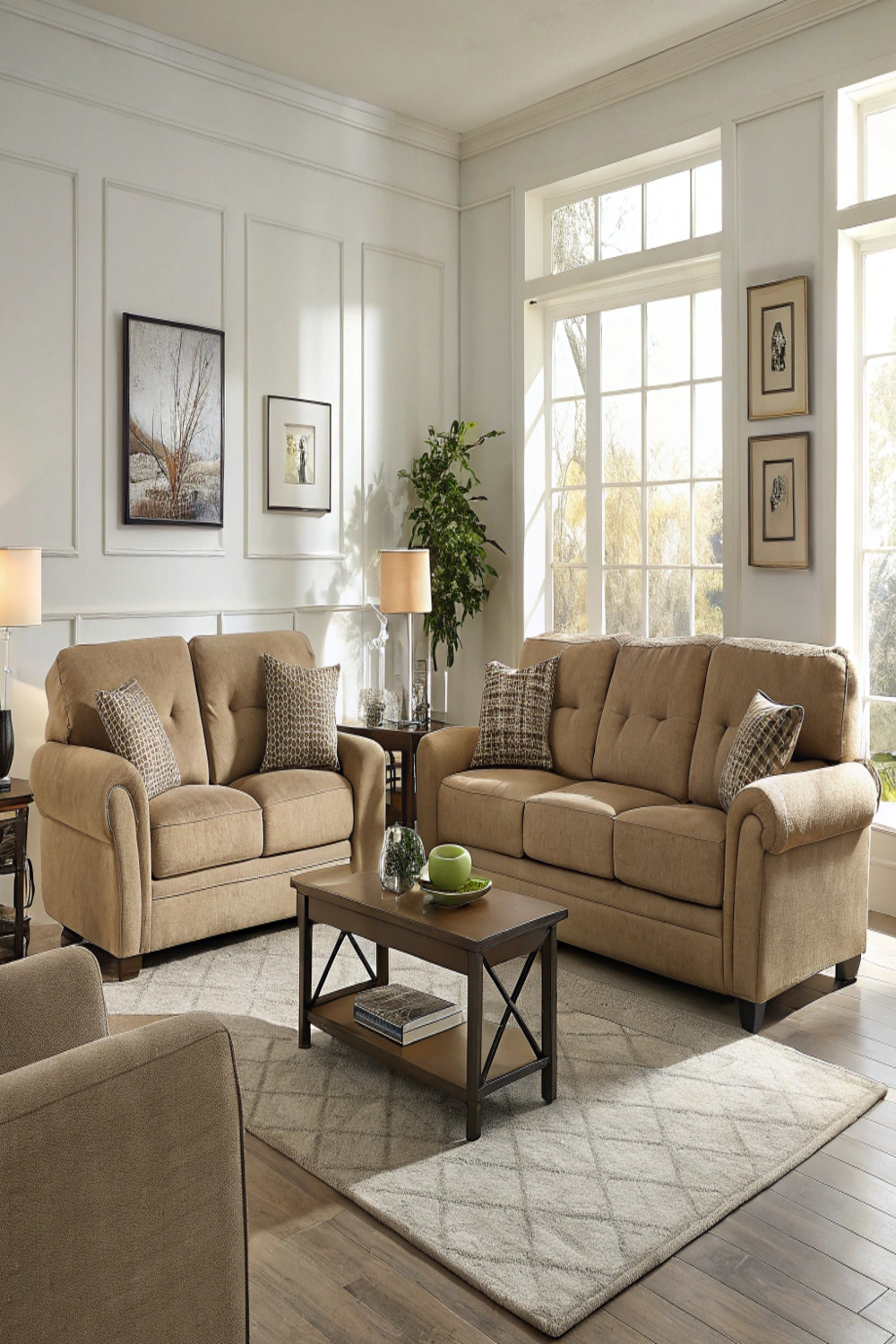
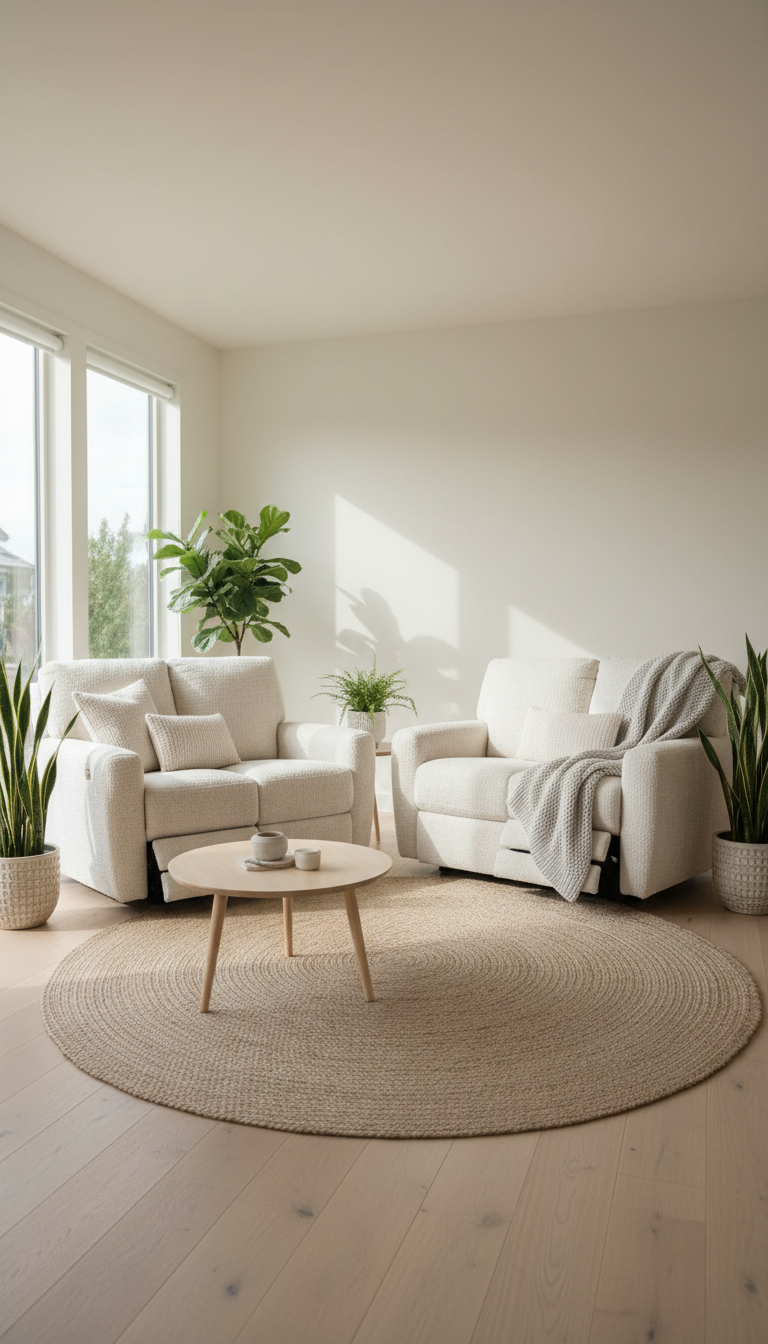
Creating visual balance remains the cornerstone of successful living room decoration. Start by positioning your furniture to create conversation areas—typically with seating pieces facing each other or arranged in a U-shape. For your sofa and loveseat set, establish symmetry by placing matching end tables and lamps on either side.
Layer textures through thoughtfully chosen throw pillows, blankets, and cushions. Aim for a mix of sizes, patterns, and fabrics while maintaining a cohesive color story. A good rule of thumb: include 2-3 large pillows (22″+), 2-4 medium pillows (18-20″), and 1-2 accent pillows in contrasting shapes or textures. With a sectional sofa set, create visual interest by varying pillow placement along its length rather than lining them up uniformly.
Don’t forget the power of negative space—resist the urge to overcrowd your furniture with decorative elements. Instead, choose fewer, more impactful pieces that tell your design story clearly.
Budget-Friendly Decor Ideas
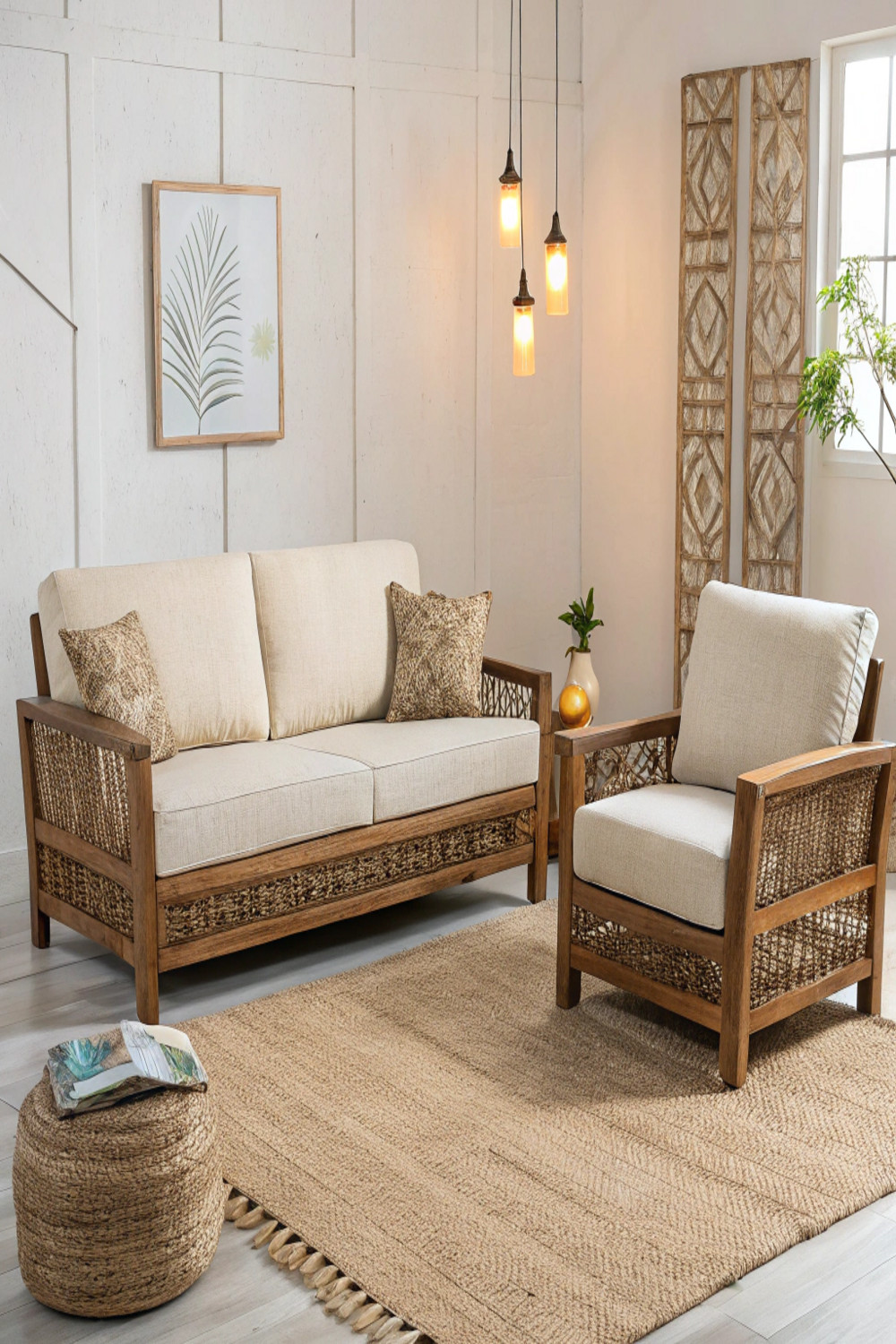
Beautiful furniture styling doesn’t require a hefty budget. Refresh your living room with these cost-effective strategies:
– Repurpose existing home accessories by relocating them from other rooms
– Shop secondhand stores for unique throw pillows and blankets
– Create DIY artwork using canvas and paint in your color scheme
– Use slipcovers to transform worn upholstery temporarily
– Add greenery with low-maintenance houseplants or high-quality faux options
– Introduce texture with basket storage solutions that are both practical and decorative
– Utilize removable wallpaper to create an accent wall behind your furniture
Seasonal rotation keeps your decor fresh without constant purchasing. Create a storage box of accessories that can be swapped quarterly, giving your furniture setting a refreshed look for minimal investment. Look for versatile pieces that can transition between seasons with simple changes—like pillow covers that can be reversed or exchanged.
Common Mistakes to Avoid
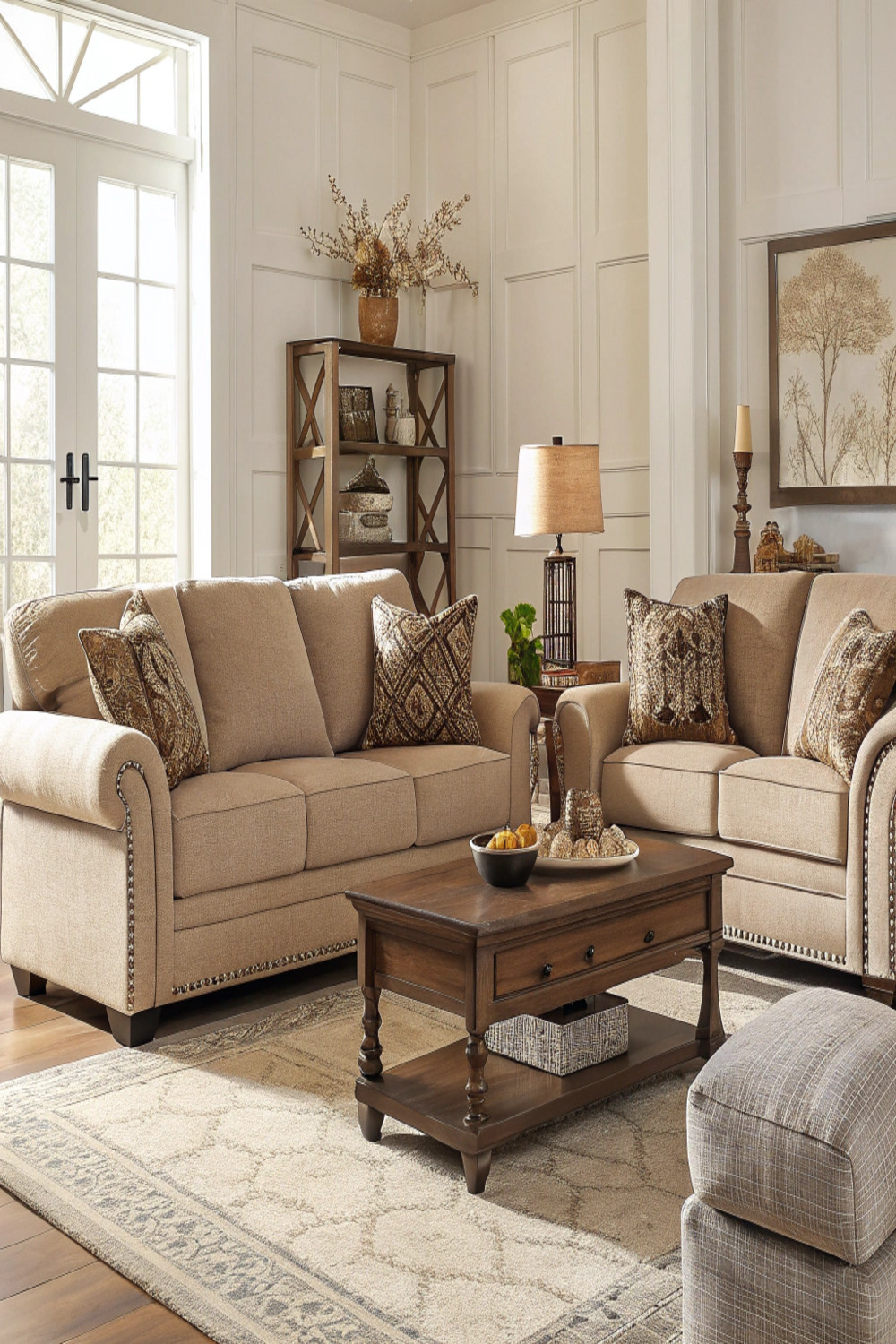
Even with beautiful furniture, certain decorating missteps can diminish your living room’s potential. Avoid these common errors:
1. Improper scaling: Choosing accessories that are too small makes furniture look disproportionately large. Opt for substantial throw pillows, properly sized art, and appropriately scaled coffee tables.
2. Ignoring traffic flow: Pushing furniture against walls without considering movement patterns creates awkward spaces. Allow 30-36 inches for primary walkways around seating areas.
3. Monotonous color schemes: Using only one color or texture creates a flat, uninteresting look. Incorporate at least three complementary colors and multiple textures for visual depth.
4. Neglecting lighting layers: Relying solely on overhead lighting creates harsh shadows. Incorporate table lamps, floor lamps, and accent lighting to create a warm atmosphere.
5. Over-accessorizing: Cluttering your furniture with too many decorative items diminishes impact. Follow the designer’s rule of three—group objects in odd numbers for visual interest.
Lighting Tips for a Better Atmosphere
Proper lighting transforms how your furniture looks and feels. Start by maximizing natural light—position mirrors strategically to reflect daylight and keep window treatments simple to allow maximum sunlight. For artificial lighting, implement a three-layer approach:
1. Ambient lighting: Overhead fixtures that provide general illumination
2. Task lighting: Reading lamps positioned near seating for functional light
3. Accent lighting: Spotlights, sconces, or picture lights that highlight architectural features or artwork
Consider the color temperature of your bulbs—warmer tones (2700-3000K) create cozy, inviting spaces ideal for living rooms. Install dimmer switches to adjust lighting levels throughout the day and create different moods. Thoughtfully positioned lighting can highlight the best features of your furniture while creating the perfect ambiance for every occasion.
Conclusion
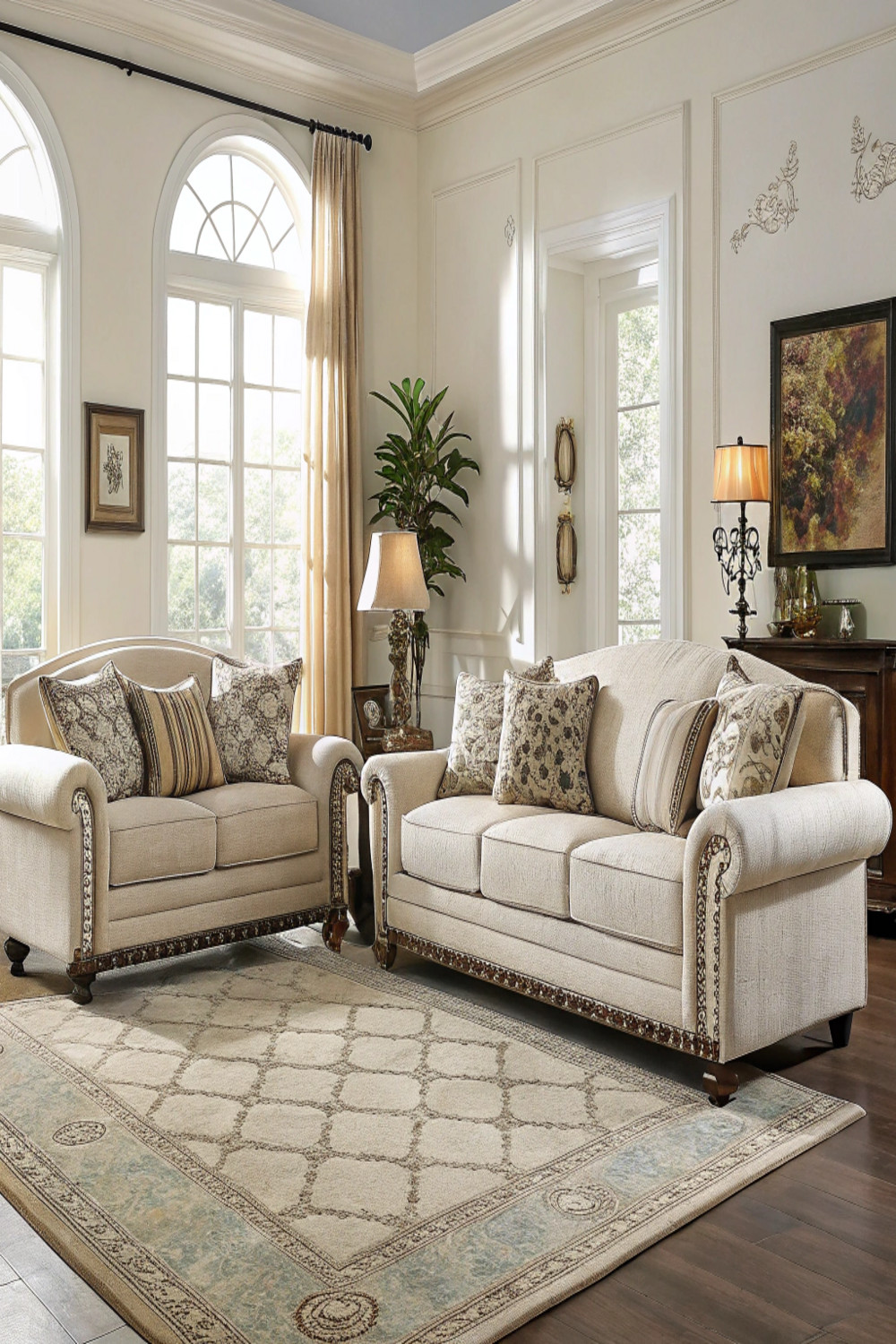
Transforming your sofa and loveseat set from basic furniture to a stunning design statement requires thoughtful attention to style, proportion, and personal expression. By implementing these decorating principles, you’ll create a living room that feels both professionally designed and uniquely yours. Remember that decorating is an evolving process—don’t be afraid to experiment with different arrangements and accessories until you find what works best for your space. Whether you’re styling a traditional seating arrangement or a versatile sectional sofa set, these guidelines provide the framework for creating a living room that’s both beautiful and functional. What decor changes will you implement first? Share your transformation journey or explore our related posts for more inspiration!
FAQs
How many throw pillows should I use on my sofa?
For standard sofas, 5-7 pillows create a balanced look without overcrowding. Use odd numbers for asymmetrical arrangements and even numbers for symmetrical designs. Adjust based on your sofa size—larger sectionals may accommodate 7-9 pillows distributed thoughtfully across the seating.
What size coffee table works best with my living room furniture?
Your coffee table should be approximately 2/3 the length of your sofa and positioned 12-18 inches from the seating edge. The height should be even with or 1-2 inches lower than your sofa seat height for optimal proportion and function.
How can I make my living room furniture look more expensive?
Elevate your furniture’s appearance with tailored throw pillows featuring down or down-alternative inserts, high-quality textiles like linen or velvet, and a curated collection of accessories. Well-placed lighting, properly scaled artwork, and carefully selected accent pieces create a luxurious impression without a hefty price tag.
Should my accent chairs match my sofa and loveseat?
Coordinating rather than matching creates a more sophisticated, collected look. Choose accent chairs that share one element with your main seating—either color, texture, or style—while introducing complementary contrasts. This approach creates cohesion without the flatness of a matching furniture suite.
How do I arrange furniture in an open-concept living area?
Define your living zone using area rugs, furniture placement, and visual anchors like statement lighting. Position your primary seating to create a distinct conversation area, using the back of your sofa or console tables as natural room dividers while maintaining an open feel between spaces.