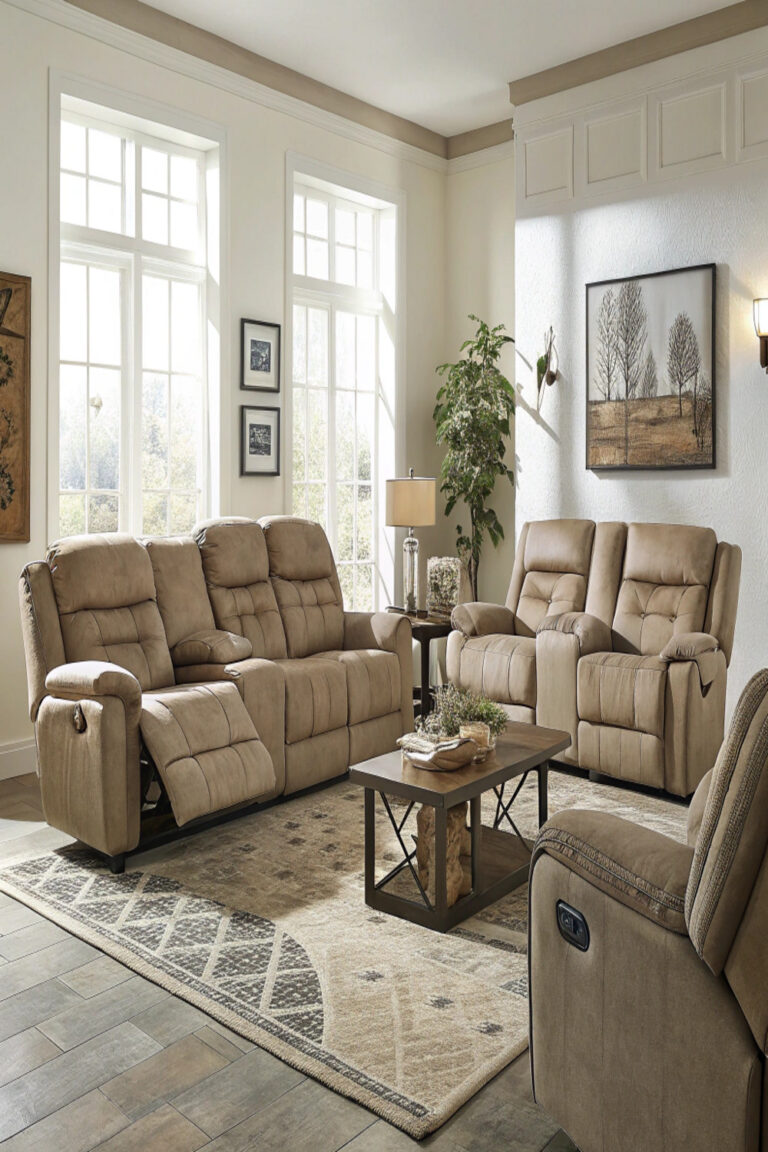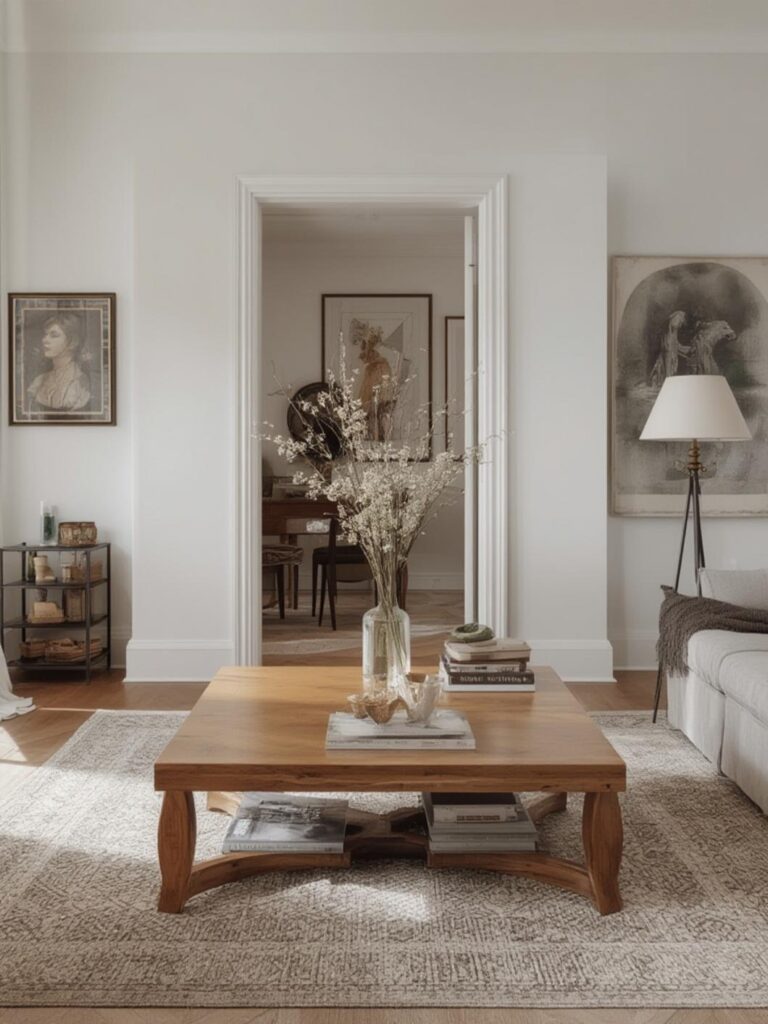
How to Find Stylish Cheap Living Room Sets Under $500
How to Transform Your Living Room with Budget-Friendly Decor Ideas
Introduction
Transforming your living space doesn’t require breaking the bank. With the right approach, cheap living room sets can become stunning centerpieces that reflect your personality and style. Many homeowners struggle with creating cohesive, attractive spaces while working with affordable living room furniture options. The challenge often lies in balancing cost with quality and aesthetics. This guide will walk you through practical, budget-conscious decorating strategies that elevate your space without emptying your wallet. Whether you’re furnishing your first apartment or refreshing a tired living area, these tips will help you create a space that feels both luxurious and financially responsible.
Table of Contents
Understanding the Best Decor Style
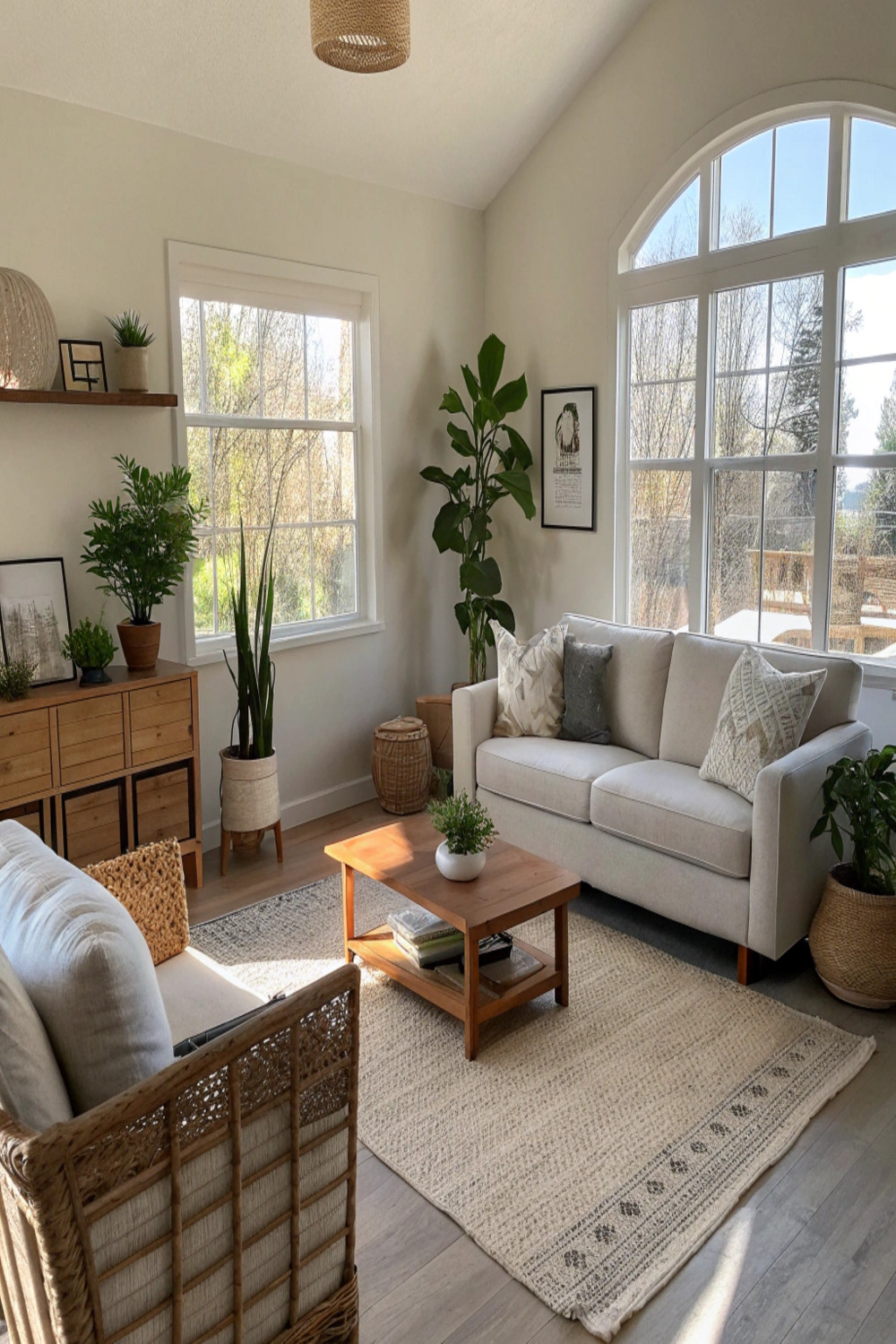
Selecting the right decor style is fundamental to maximizing the potential of your space. When working with budget-friendly furniture collections, the style you choose determines how the pieces come together visually. Popular options include:
– Minimalist: Perfect for smaller spaces, focusing on clean lines and multi-functional pieces
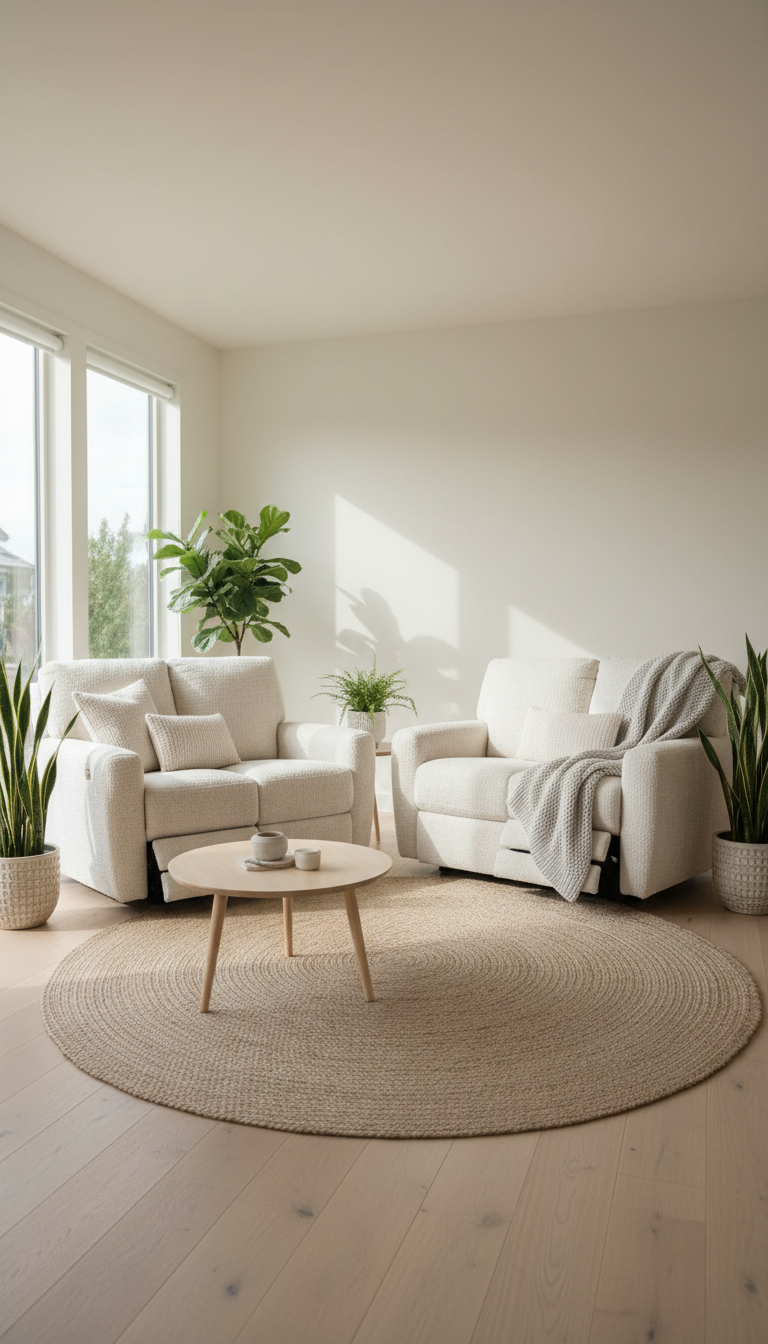
– Mid-century modern: Offers timeless appeal with simple forms and mixed materials
– Farmhouse: Creates warmth with rustic elements and comfortable, casual arrangements
– Industrial: Combines raw materials with practical designs for an edgy, urban feel
Your chosen style should align with both your personal taste and your space’s architecture. The right decor approach can make even the most economical furniture pieces look intentional and curated. Consider your lifestyle needs—families with children might prioritize durability and stain resistance, while apartment dwellers might focus on space-saving solutions and visual techniques to make rooms appear larger.
Essential Decor Tips
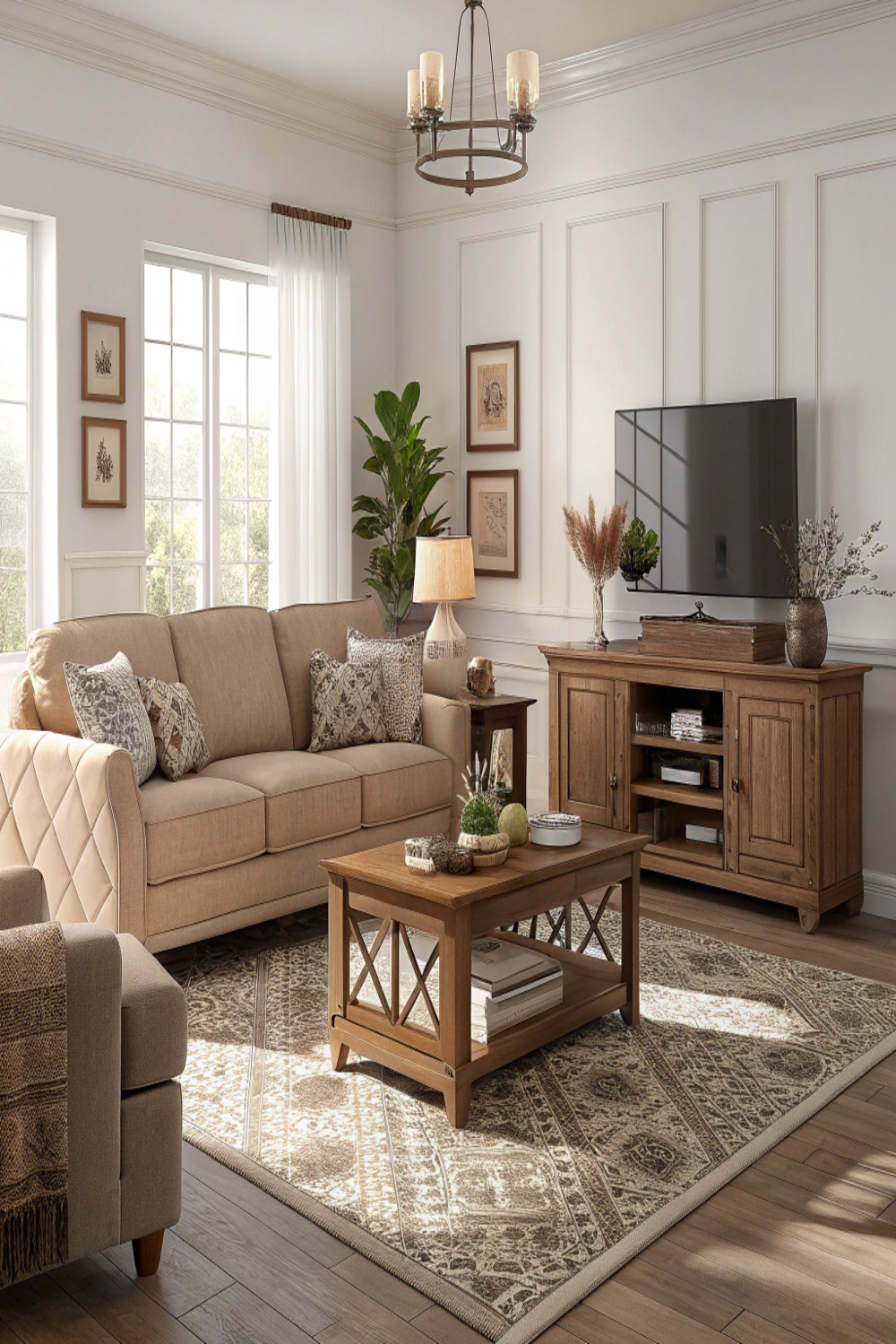
When decorating around cheap living room sets, follow these core principles to achieve a polished, cohesive look:
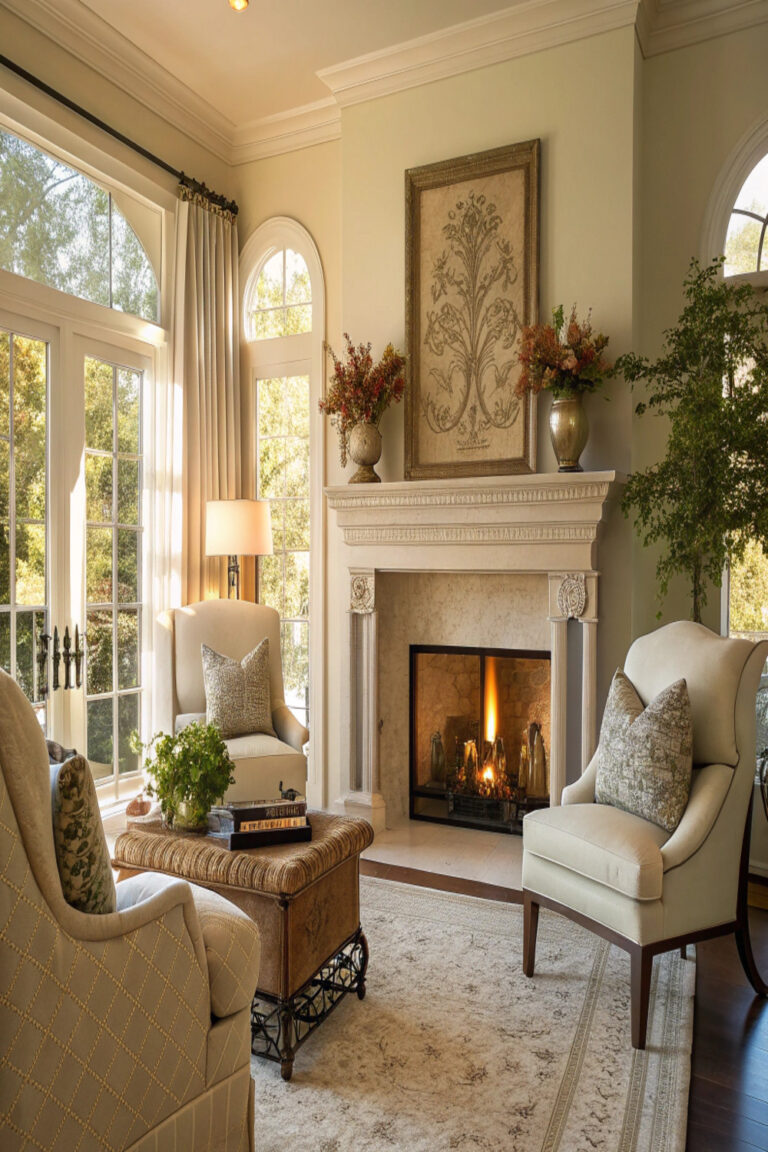
– Establish a focal point: Whether it’s a striking artwork, fireplace, or window view, orient your furniture arrangement around this central feature
– Balance scale and proportion: Mix larger furniture pieces with smaller accents to create visual rhythm
– Implement the 60-30-10 color rule: Use your primary color in 60% of the space, secondary color in 30%, and accent color in 10%
– Layer textures: Incorporate different fabrics and materials to add depth and interest
– Create conversation areas: Arrange seating to facilitate interaction rather than focusing solely on the TV
Even with affordable living room furniture, thoughtful placement and arrangement dramatically improve how your space functions and feels. Pay special attention to traffic flow—leave at least 30 inches for walkways and consider how people naturally move through the space when positioning your furniture.
Budget-Friendly Decor Ideas
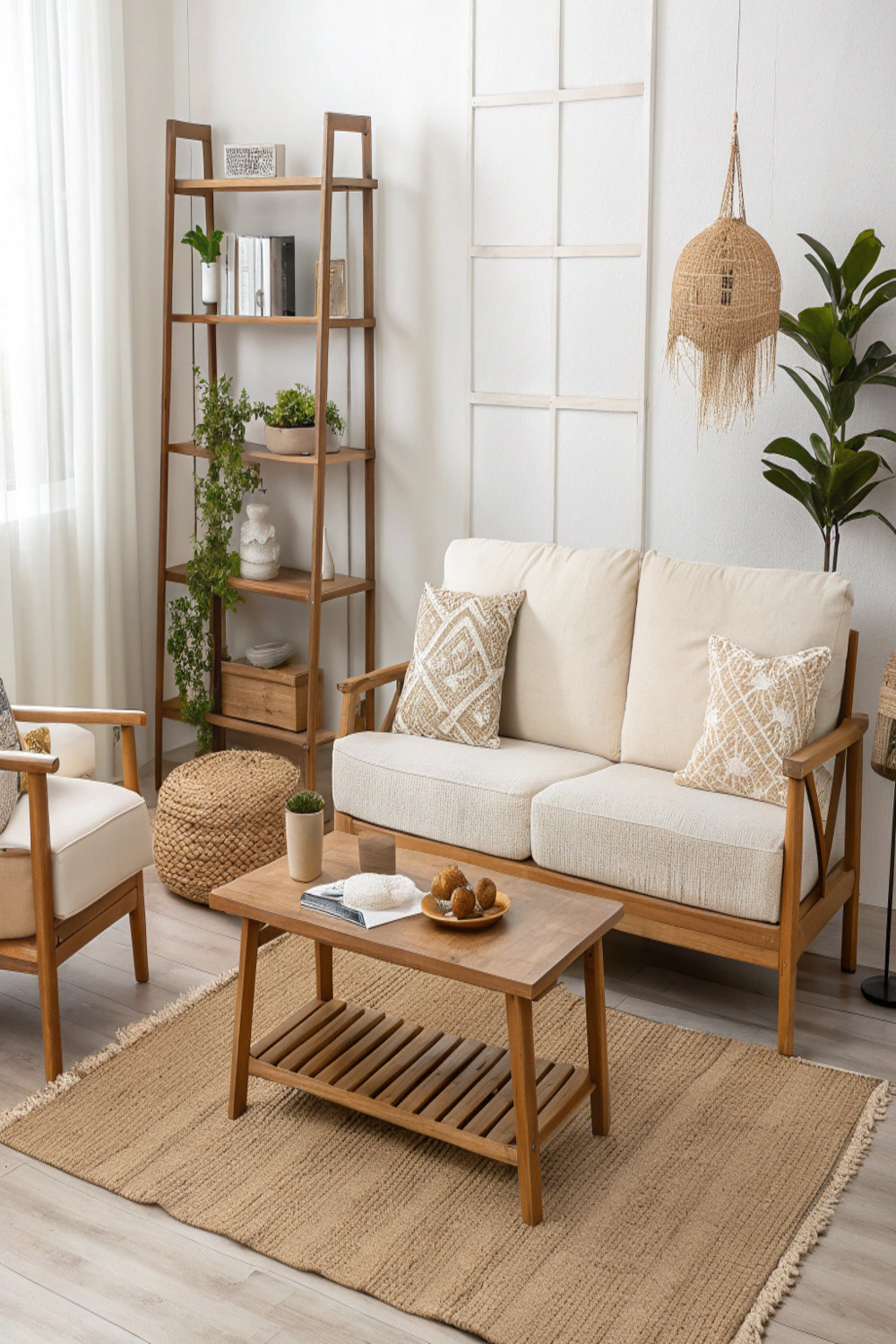
Transform your living room without overspending:
– Strategic upgrades: Invest in key pieces (like a quality sofa) while saving on side tables and accessories
– Shop secondhand: Explore thrift stores, estate sales, and online marketplaces for unique, affordable finds
– DIY artwork: Create personalized wall art using canvas, paint, and simple techniques
– Repurpose existing items: Give old furniture new life with paint, new hardware, or reupholstery
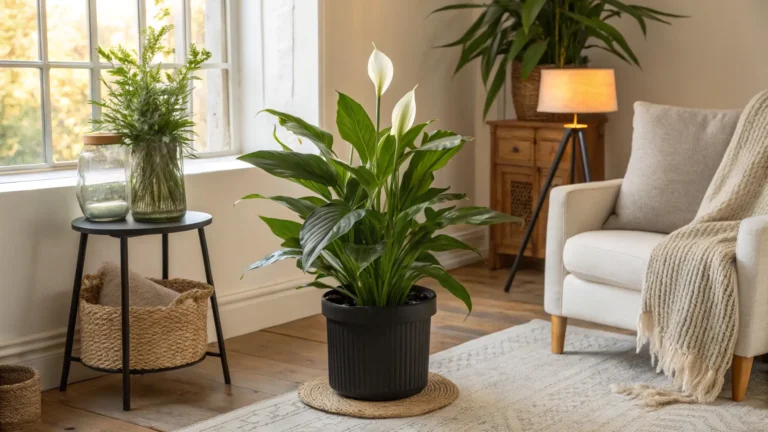
– Use plants as decor: Houseplants add vibrance and texture at minimal cost
– Shop seasonal sales: Plan purchases around major holiday sales for maximum savings
– Mix high and low: Combine budget items with a few statement pieces for a curated look
Remember that styling makes the difference—thoughtfully arranged bookshelves, coordinated throw pillows, and carefully selected accent pieces can elevate even the most basic furniture sets. Consider investing in removable wallpaper, peel-and-stick backsplashes, or decorative trim to add character without permanent changes.
Common Mistakes to Avoid
Even design enthusiasts make these common decorating errors:
– Improper scaling: Choosing furniture that’s too large or small for your space
– Pushing everything against walls: Creating a “waiting room” effect instead of intimate seating arrangements
– Neglecting lighting layers: Relying solely on overhead lighting without table or floor lamps
– Forgetting about function: Prioritizing aesthetics over comfort and practicality
– Matching everything: Creating a showroom look instead of a personalized space
– Overcrowding: Adding too many decorative items, creating visual clutter
– Hanging art too high: The center of artwork should be at eye level (approximately 57-60 inches from the floor)
Avoid these pitfalls by planning your space with both function and aesthetics in mind. Create a floor plan before purchasing furniture, and remember that negative space is an important design element—not every inch needs to be filled.
Lighting Tips for a Better Atmosphere
Proper lighting transforms how your living room looks and feels, regardless of your furniture budget. Implement these lighting strategies:
– Layer your lighting: Combine ambient (overall), task (functional), and accent (decorative) lighting
– Maximize natural light: Use sheer curtains or strategically placed mirrors to amplify daylight
– Choose the right bulbs: Warm white (2700-3000K) creates cozy atmospheres while cool white (3500-4100K) works better for task areas
– Add dimmers: Control brightness levels to suit different activities and times of day
– Incorporate statement fixtures: An eye-catching pendant or floor lamp can become a focal point
– Position lamps strategically: Place table lamps at varying heights for balanced illumination
– Consider smart lighting: Budget-friendly smart bulbs allow customized lighting scenes
Well-executed lighting can make modest furniture appear more luxurious while creating the perfect ambiance for relaxation, entertainment, or productivity.
Conclusion
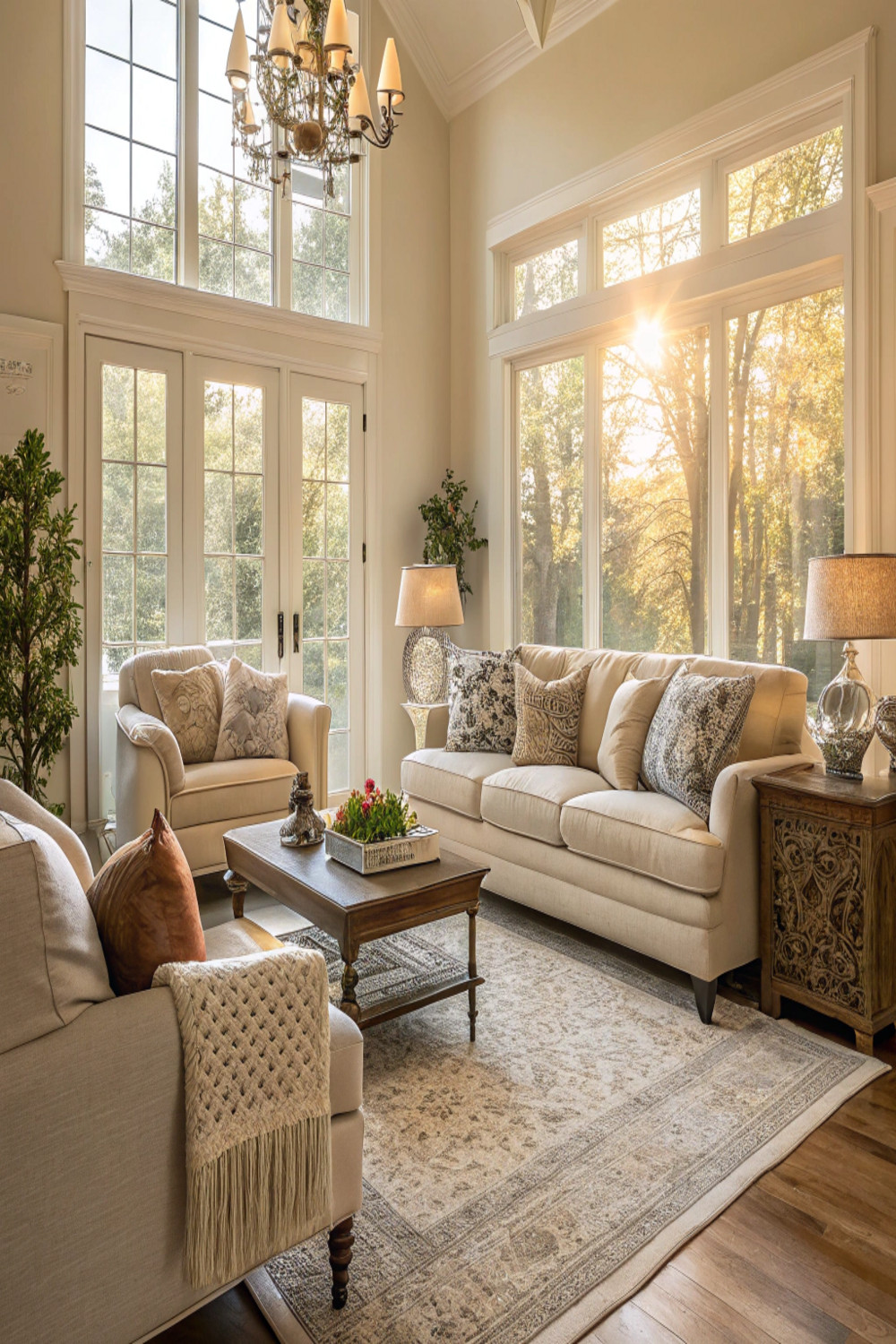
Creating a beautiful living space doesn’t require unlimited funds—it’s about making thoughtful choices that maximize style and function. By understanding design principles, avoiding common mistakes, and implementing strategic decorating techniques, your cheap living room sets can look anything but budget-conscious. Remember that the most welcoming spaces evolve over time, so start with quality affordable living room furniture and layer in personality through accessories, color, and texture. We’d love to see how you’ve transformed your living space—share your before-and-after photos in the comments below, or explore our related posts for more room-specific decorating inspiration!
FAQs
How can I make my inexpensive furniture look more luxurious?
Add high-quality throw pillows, drape a textured throw blanket over armrests, replace standard feet with decorative ones, and use a coordinated color scheme. Styling elements like coffee table books, candles, and carefully selected accessories elevate the overall look.
What’s the best layout for a small living room with budget furniture?
Choose appropriately scaled furniture, opt for pieces with visible legs to create visual space, use multi-functional items (like storage ottomans), and consider a loveseat instead of a full sofa. Float furniture away from walls and use rugs to define the space.
How do I mix different furniture styles while keeping a cohesive look?
Connect disparate pieces through consistent color schemes, similar wood tones, or repeating shapes and patterns. Ensure 60-70% of your furniture shares a common style, while allowing 30-40% to introduce complementary styles for interest.
What’s the most cost-effective way to refresh my living room’s look seasonally?
Rotate affordable accessories like throw pillows, blankets, and vases with the seasons. Use removable elements like slipcovers, temporary wallpaper, or interchangeable art prints to make significant visual changes without major investment.
How can I hide imperfections in second-hand or budget furniture?
Strategic styling (throws over worn areas), clever positioning (damaged sides against walls), decorative fixes (furniture markers, wood fillers), or simple DIY projects (painting, new hardware, or decorative overlays) can effectively disguise flaws.