How to Decorate Around a 3-Piece Living Room Set (Without Making It Look Cheap)
Introduction
Have you ever bought a beautiful sofa set only to have it look out of place once it’s inside your home? You’re not alone. Many homeowners struggle with making their furniture work with their space rather than against it. Taking advantage of a living room furniture sale is exciting, but knowing how to style what you buy is where the real magic happens. From awkward room layouts to clashing color palettes, decorating challenges are real and frustrating. The good news? With a few smart, practical tips, you can transform any living room into a cohesive, inviting space — regardless of your budget or design experience. This guide walks you through everything you need to know.
Understanding the Best Decor Style
Choosing the right decor style isn’t just about aesthetics — it directly impacts how functional and comfortable your living room feels on a daily basis.
Here are some of the most popular styles to consider:
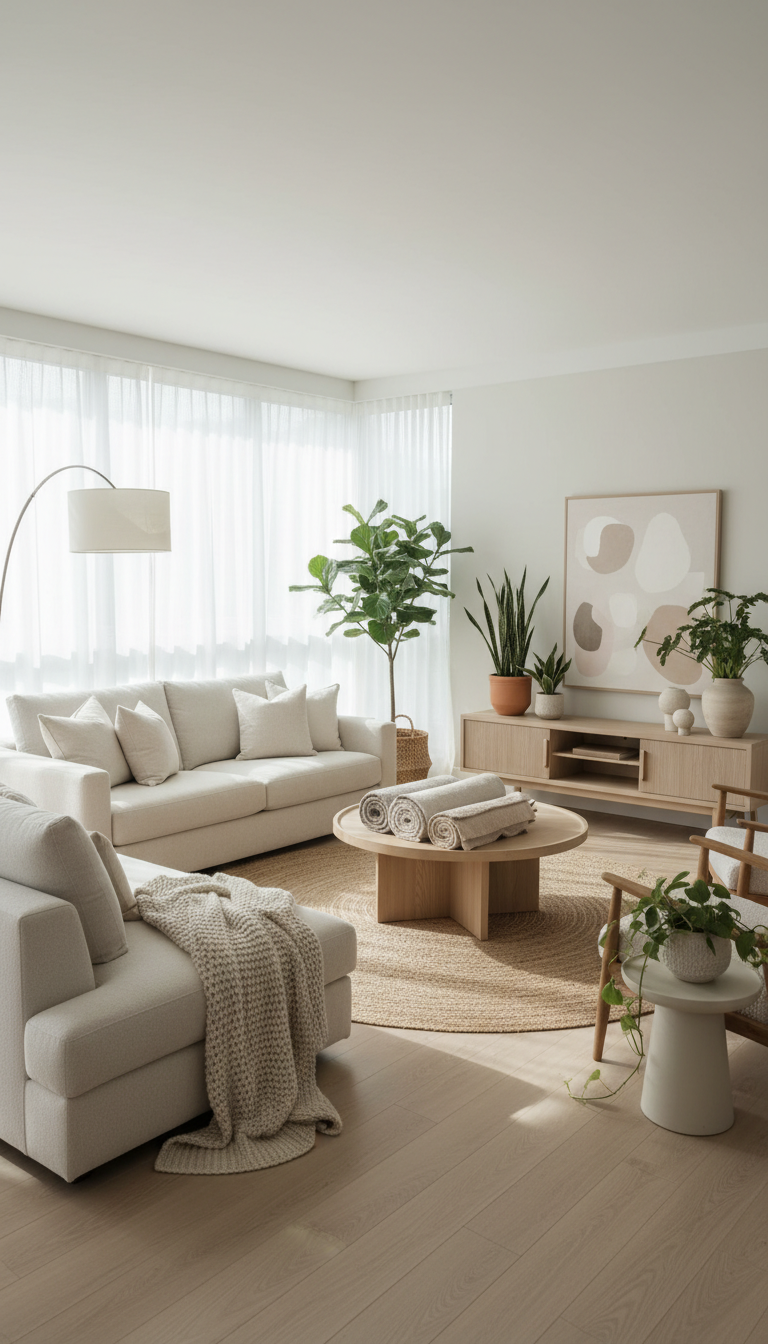
– Modern Minimalist – Clean lines, neutral tones, and clutter-free surfaces. Works beautifully with sleek 3-piece sets.
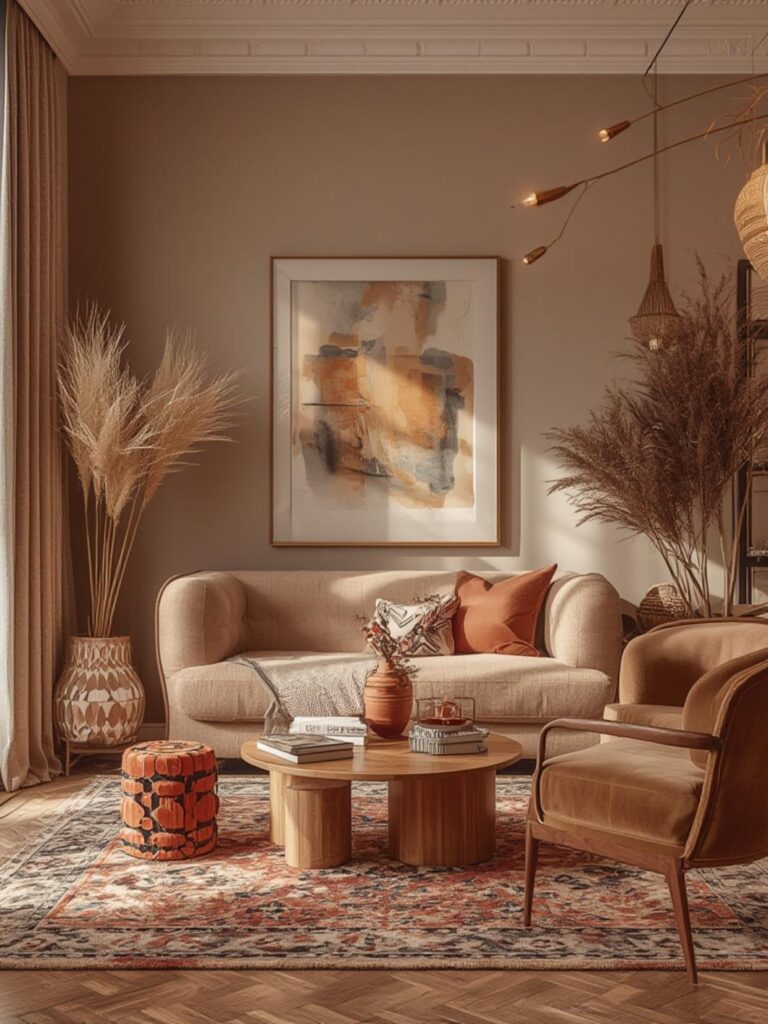
– Bohemian – Layered textures, warm earth tones, and eclectic accessories. Great for adding personality.
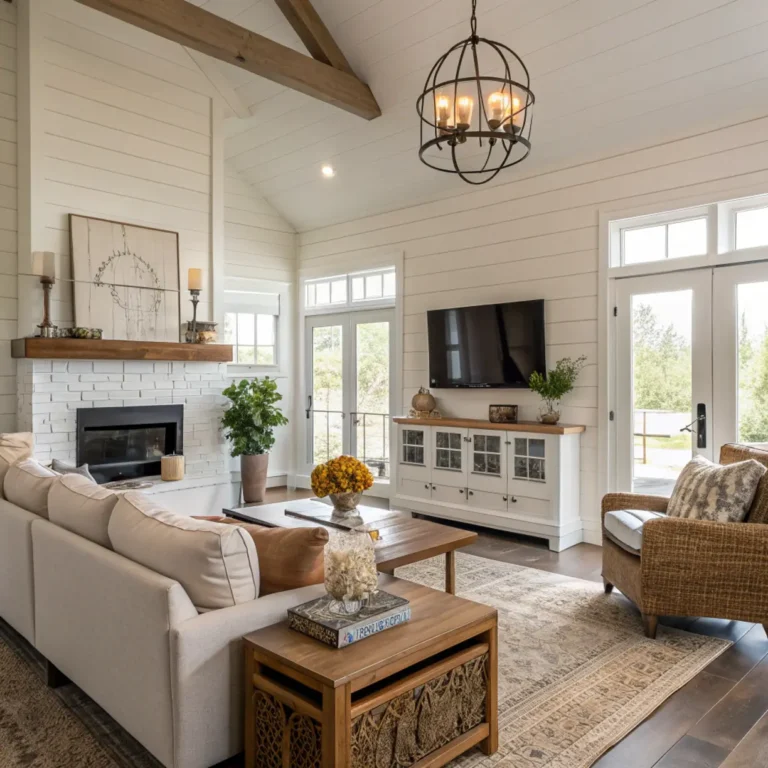
– Farmhouse – Rustic wood accents, linen fabrics, and cozy, lived-in vibes.
– Mid-Century Modern – Tapered legs, bold geometric patterns, and a retro-meets-contemporary feel.
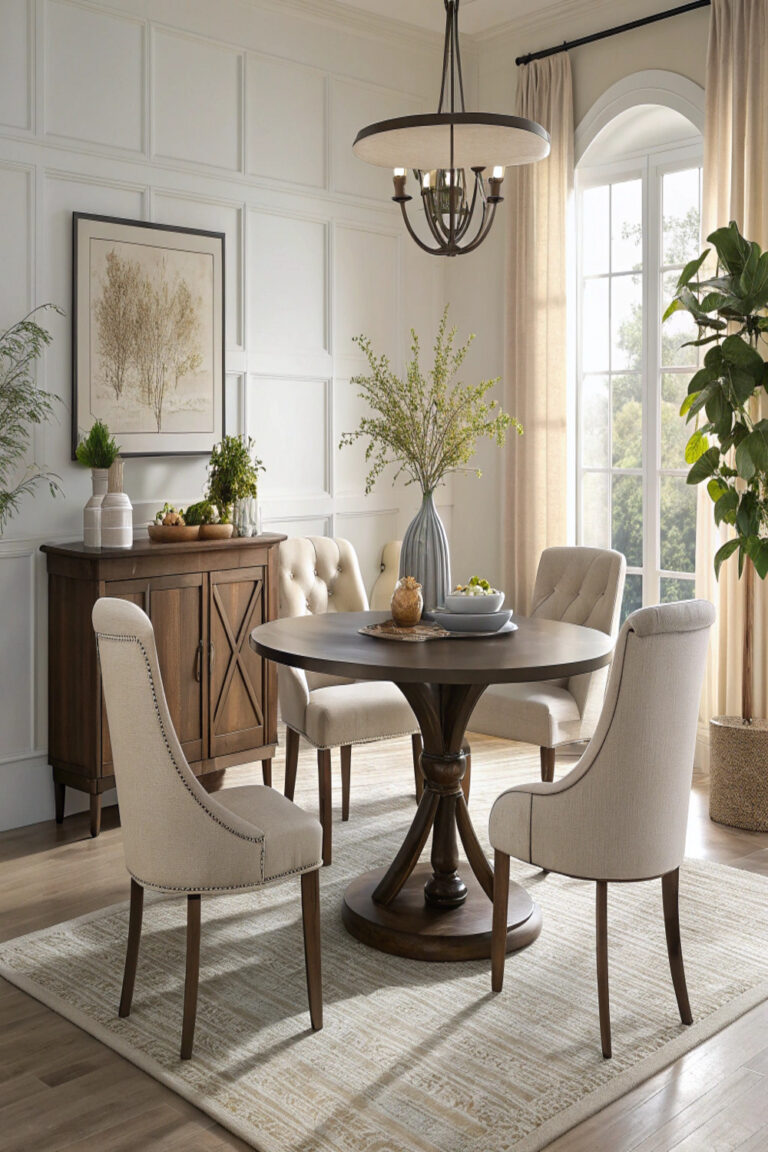
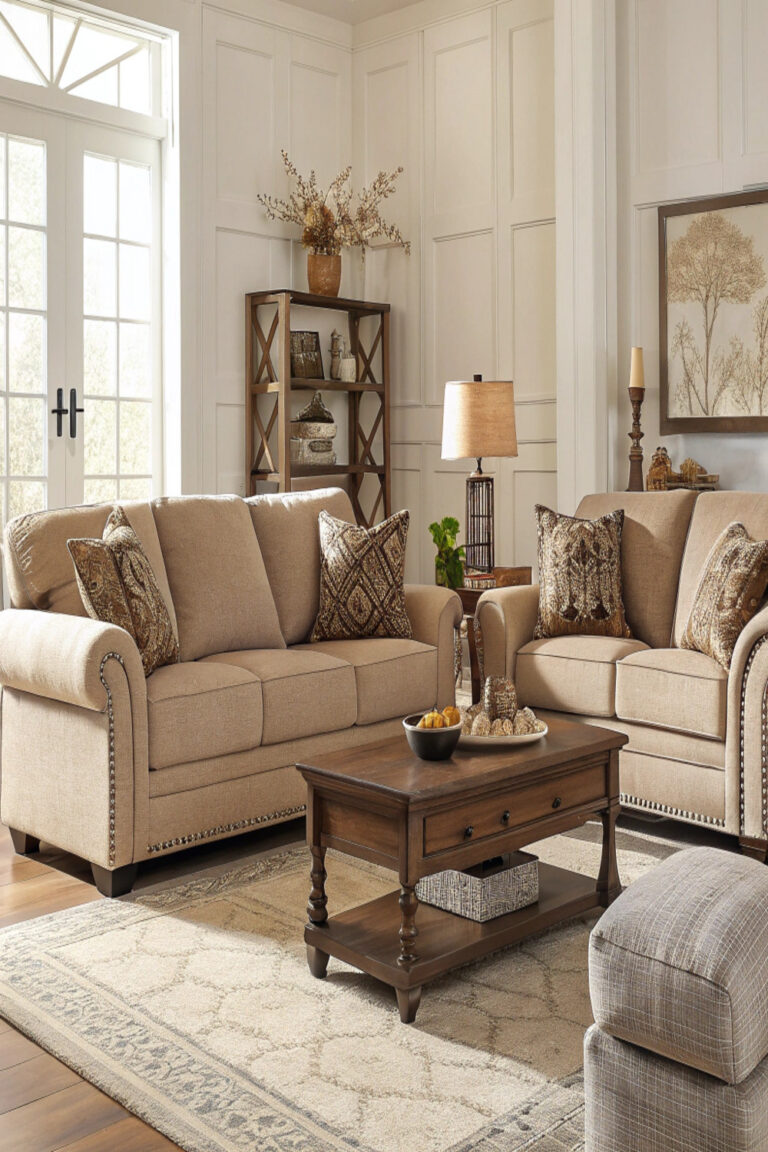
– Transitional – A mix of traditional and modern, perfect for flexible lifestyles.
How to align your style with your space:
1. Measure your room first — style should complement your square footage, not fight it.
2. Consider your lifestyle. If you have kids or pets, durability matters as much as design.
3. Pull inspiration from your existing architectural details — crown molding, exposed brick, or hardwood floors can guide your style direction.
The right decor style turns a furniture purchase into a complete, well-thought-out room.
Essential Decor Tips
Getting your decor right means going beyond just placing furniture and calling it done. These principles make the biggest difference:
Layout First:
– Always leave at least 18 inches between your sofa and coffee table for comfortable movement.
– Anchor your seating arrangement around a focal point — a fireplace, TV unit, or large window.
– Avoid pushing all furniture against the walls. Floating pieces inward creates a more intimate feel.
Comfort & Balance:
– Mix textures — a velvet sofa paired with a woven throw and a wooden side table creates visual depth.
– Use area rugs to define the seating zone and tie the room together.
– Keep the visual weight balanced — if one side of the room has a heavy sectional, balance it with a tall bookshelf or large artwork on the opposite side.
Usability:
– Every surface should serve a purpose. Style your coffee table with a tray, books, and a small plant — beautiful and functional.
– Choose ottomans that double as storage for a clutter-free space.
These tips work especially well when you’ve scored a great deal during a living room furniture sale and want to maximize every piece you’ve purchased.
Budget-Friendly Decor Ideas
Decorating on a budget doesn’t mean settling for less. It means shopping smarter and getting creative.
Smart Shopping Tips:
– Buy your statement pieces first — sofa, accent chairs — then fill in with affordable accessories.
– Explore affordable living room furniture deals online for accent tables, shelving units, and decorative items at a fraction of retail price.
– Shop end-of-season sales and clearance sections for quality pieces at discounted rates.
DIY Decor Ideas:
– Repaint an old side table and add new hardware — instant refresh for under $20.
– Create a gallery wall using free printable art in thrifted frames.
– Use large houseplants as natural room dividers or statement décor pieces.
Layering on a Budget:
– Stack throw pillows in varying sizes and textures for a high-end look.
– Add a faux fur or knit throw blanket to your sofa for warmth and visual interest.
– Swap out lampshades for a quick, inexpensive room update.
Style doesn’t require a massive budget — just intentional choices.
Common Mistakes to Avoid
Even experienced decorators make these errors. Knowing what not to do is just as important as knowing what to do.
1. Choosing the Wrong Size Furniture
A sofa that’s too large for the room instantly makes the space feel cramped. Always measure twice before purchasing.
2. Ignoring Room Layout
Placing furniture randomly without considering traffic flow creates a disjointed, uncomfortable space. Map out your layout on paper before moving anything.
3. Poor Color Coordination
Too many competing colors create visual chaos. Stick to a 3-color palette — one dominant, one secondary, one accent.
4. Overcrowding the Space
More furniture doesn’t mean more style. Leave breathing room. Negative space is a design tool.
5. Neglecting Lighting
Relying solely on overhead lighting flattens a room. Layered lighting is essential (more on this below).
6. Prioritizing Looks Over Comfort
A visually stunning sofa that nobody wants to sit on defeats the purpose. Comfort and style should coexist.
7. Not Considering Maintenance
Light-colored upholstery in a high-traffic home is a recipe for frustration. Choose materials that match your real life.
Lighting Tips for a Better Atmosphere
Lighting is one of the most underestimated elements in living room design, yet it has the most powerful impact on mood and functionality.
Natural Light:
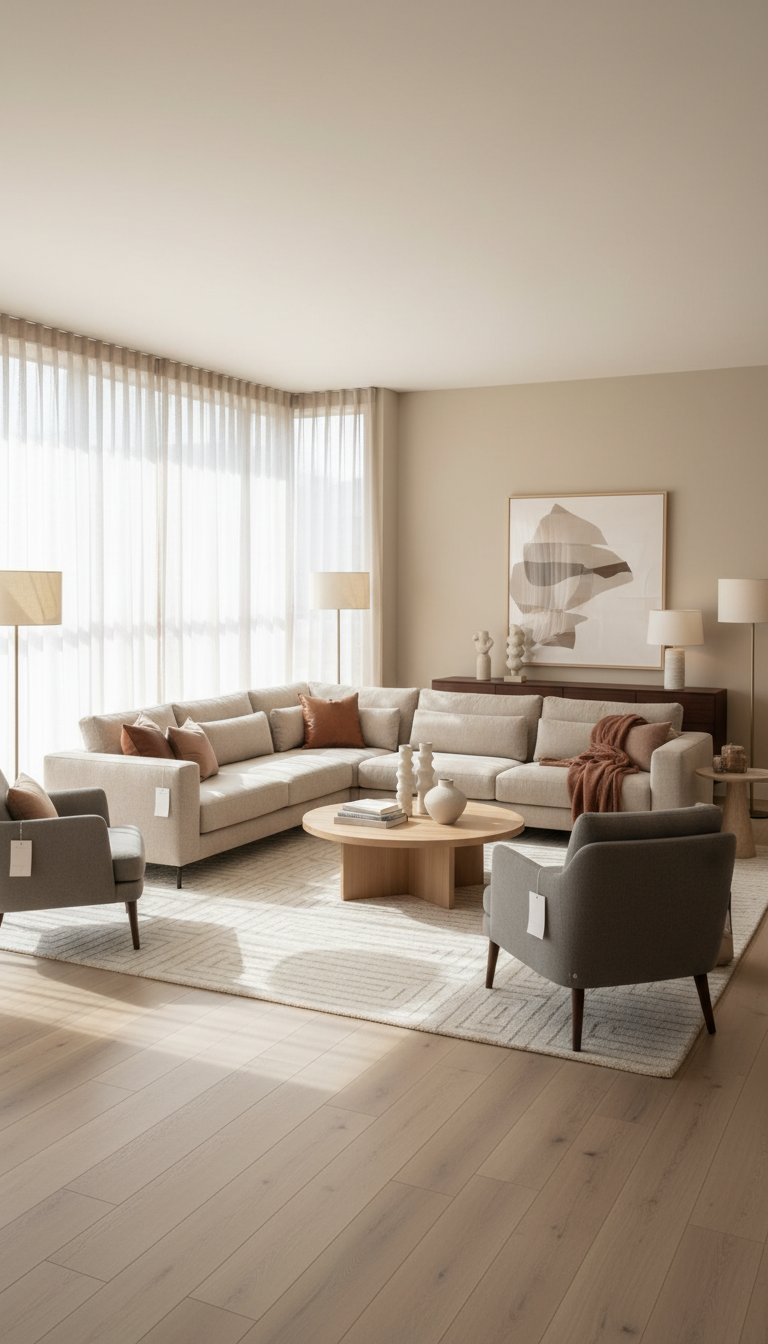
– Use sheer curtains to maximize daylight while maintaining privacy.
– Place mirrors strategically to reflect and amplify natural light.
– Avoid blocking windows with tall furniture.
Layered Lighting — The 3-Layer Approach:
1. Ambient Lighting – Your primary light source (ceiling fixtures, recessed lighting). Sets the overall tone of the room.
2. Task Lighting – Floor lamps and table lamps positioned near reading chairs or work areas.
3. Accent Lighting – LED strips behind shelving, picture lights, or candles that add warmth and dimension.
Bulb Choices Matter:
– Use warm white bulbs (2700K–3000K) for a cozy, inviting atmosphere.
– Cool white bulbs (4000K+) work better in home offices or workspaces.
– Dimmer switches are a low-cost upgrade that dramatically changes the feel of any room.
Good lighting doesn’t just illuminate a room — it completes the design.
3 best Amazon furniture for your home :
- Innqoo Dimmable Candle Warmer Lamp with Timer & Adjustable Height
- Kuject X-Large Clear Stackable Shoe Storage Boxes (12 Pack)
- Bamboo Shoe Rack Bench (3-Tier, 286 lb Capacity)
Conclusion
Decorating your living room is a deeply personal process, but the principles are universal: start with the right style, prioritize layout and comfort, make smart budget decisions, avoid common pitfalls, and never underestimate great lighting. Whether you’re starting from scratch or refreshing an existing space, every decision counts. If you’ve recently taken advantage of a living room furniture sale, use these tips as your roadmap to creating a space you’ll genuinely love. And if you’re still shopping, don’t miss these affordable living room furniture deals — quality pieces don’t have to break the bank.
Have a decorating tip that worked wonders for your space? Drop it in the comments below, or explore our related posts for more inspiration!
FAQs
Q1: What is the best 3-piece living room set for a small space?
Look for a compact sofa with a loveseat and accent chair in a light neutral color. Avoid bulky arms and oversized cushions. Pieces with exposed legs create a visual openness that makes small rooms feel larger and more breathable.
Q2: How do I choose the right color for my living room furniture?
Start with your walls and flooring. Choose furniture in a color that either complements or creates intentional contrast. Neutrals like beige, gray, and cream are versatile and timeless, while bold colors work best as accent pieces rather than primary furniture choices.
Q3: How do I make a budget living room look expensive?
Focus on a few quality anchor pieces, add layered textiles (throw pillows, rugs, curtains), incorporate plants, and upgrade lighting. Cohesion and intentionality always read as expensive — even when the price tags don’t reflect it.
Q4: How often should I update my living room decor?
You don’t need a full overhaul every year. Refreshing accent pieces like pillows, throws, and artwork every 1–2 years keeps the space feeling current. Save larger updates — furniture and paint — for every 5–7 years unless your lifestyle needs change sooner.
Q5: What are the most durable upholstery fabrics for families with kids or pets?
Microfiber, performance velvet, and leather (genuine or faux) are the most durable and easiest to clean. Avoid loosely woven fabrics or delicate materials in high-traffic areas. Look for fabrics rated with a double-rub count above 15,000 for long-term durability.
Q6: Can I mix different furniture styles in the same living room?
Absolutely — mixing styles adds character and depth. The key is finding a unifying element: a consistent color palette, matching metal finishes, or a shared texture. Mixing mid-century with modern or farmhouse with transitional often creates the most visually interesting and personalized spaces.