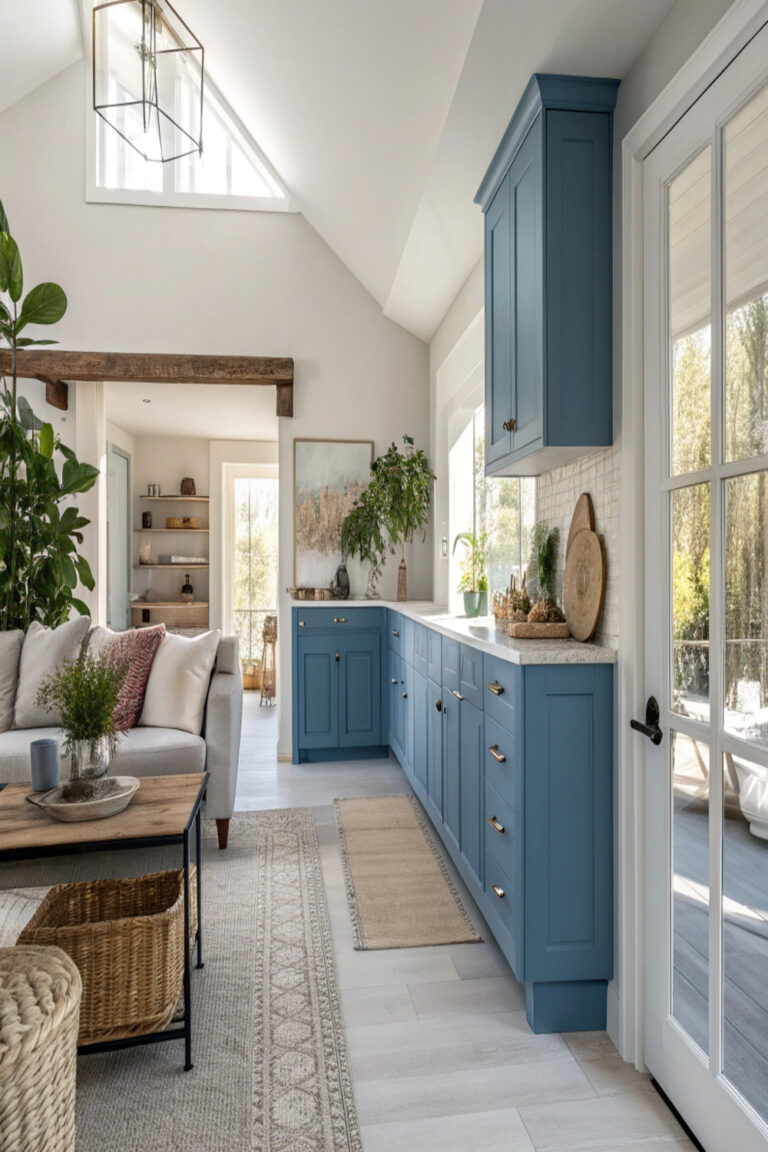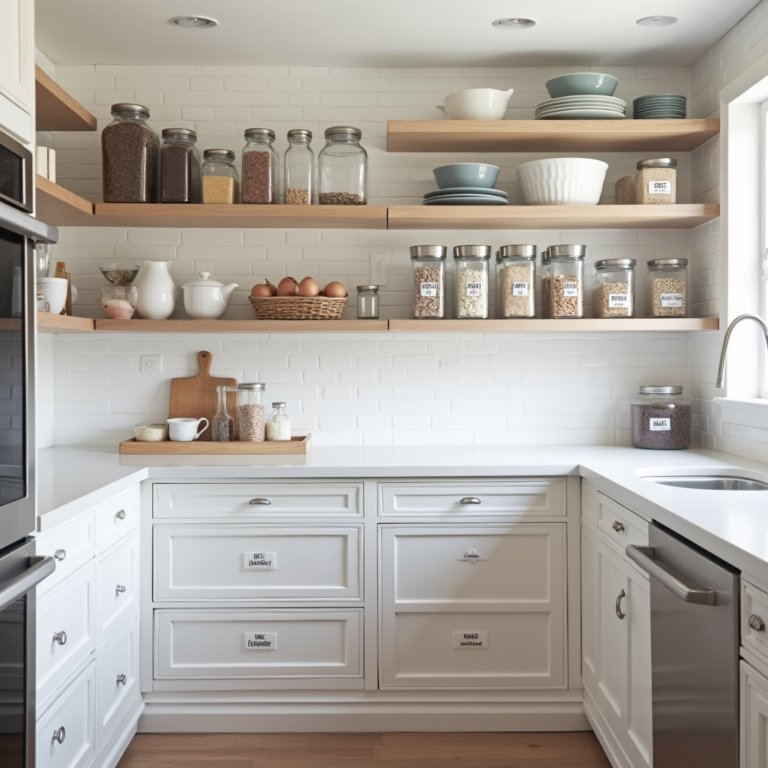
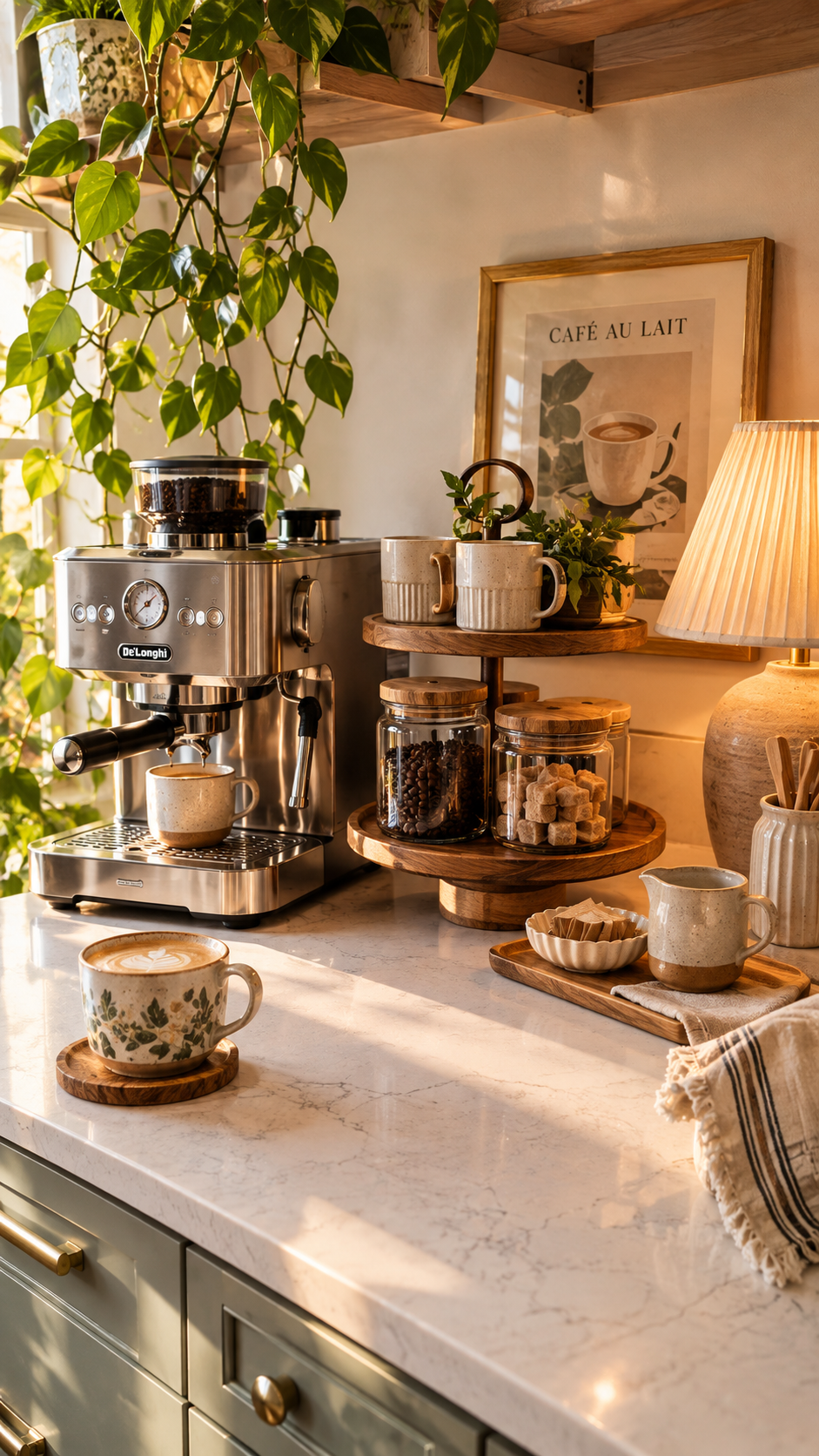
Countertop Styling in 2026: Fresh Ideas That Make Your Kitchen Feel Brand New
Countertop Styling are the largest visual surface in most kitchens, and they’re one of the most expensive line items in any remodel. That combination makes them a stressful decision. Pick well, and the kitchen looks current for a decade. Pick poorly, and you’re living with a surface that reads as dated the day the installers leave.
This guide walks through the decision in order: what’s trending, what’s fading, which color and finish to choose, how to select an edge, what quietly makes a kitchen look cheap, and how to set a realistic budget. Follow the steps in sequence and you’ll arrive at a specific plan rather than a Pinterest board full of maybes.
Key Takeaways
- Natural and natural-looking surfaces are gaining ground: quartzite, soapstone, terrazzo and softly veined quartz.
- Warm whites with subtle gold or beige veining are the safest 2026 color choice. Bold color works best on an island.
- Matte and honed finishes are replacing high gloss.
- An eased edge is the modern default. Waterfall edges are the statement option for islands.
- A realistic national average for a full kitchen remodel is around $27,000, and you should add a 15-20% contingency.
Table of Contents
Step 1: Understand What’s Trending Right Now
Start with the big picture. The 2026 direction in kitchens is warmth, texture and materials that look lived-in rather than manufactured. Designers interviewed by home media describe clients moving away from highly manufactured looks and toward natural materials with softer movement.
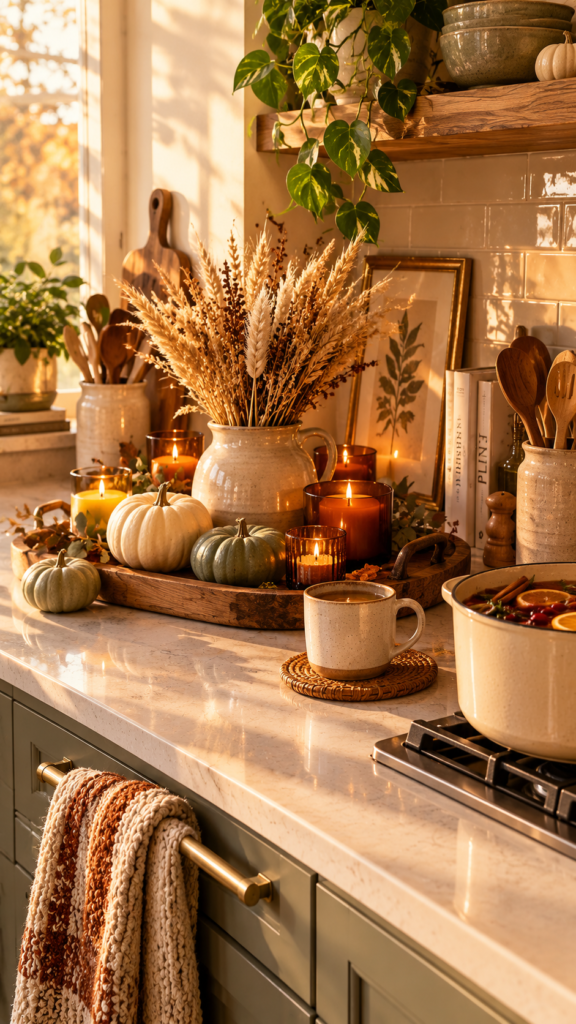
Here is where the major materials stand:
- Quartz: Still the practical leader. The National Kitchen and Bath Association’s 2026 forecast found 78% of surveyed designers, contractors and manufacturers preferring it, compared with 43% for granite. It’s non-porous, doesn’t need sealing, and comes in consistent patterns. Expect roughly $50 to $200 per square foot depending on grade.
- Quartzite: A natural stone with the look of marble and better durability. Some designers say concerns about engineered quartz, including fabricator health risks and production impact, are pushing clients toward natural stone. It does need periodic sealing.
- Soapstone and marble: Rising as quartz alternatives for people who want character and are comfortable with some patina.
- Terrazzo and stainless steel: Terrazzo is a retro comeback with a quiet-luxury feel. Stainless steel works for a professional, pared-back look, especially when it echoes your appliances and lighting.
Worth noting: quartz is still the most popular pick even as the design press talks up natural stone. Both statements are true. Trend coverage tells you where taste is heading, while sales data tells you what most people actually buy.
Step 2: Identify What’s Dated, Including Granite
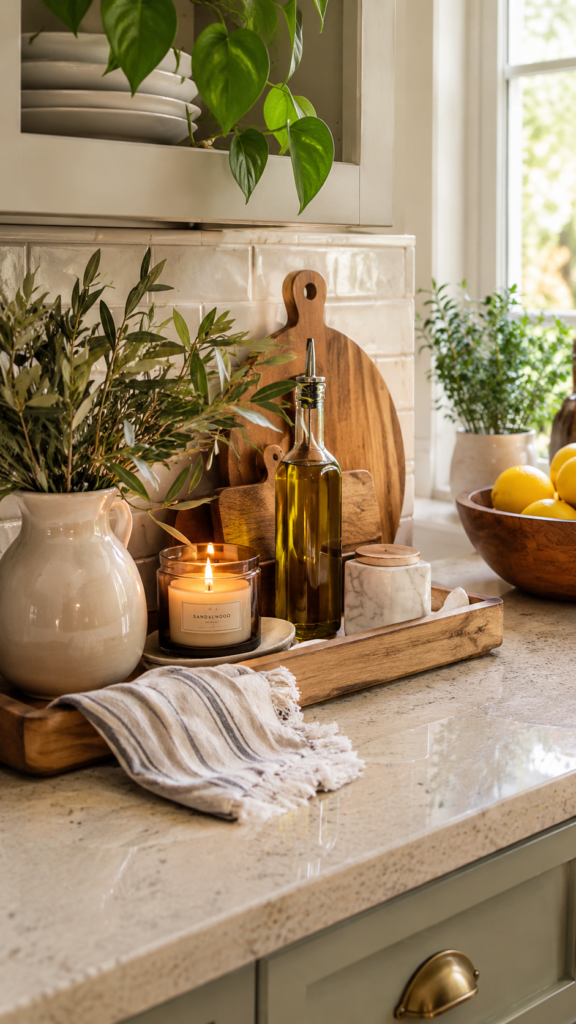
Is granite out of style? Not exactly. Granite dominated from the mid-1990s through the 2000s, and that’s precisely the problem. Its strong association with 2000s kitchens is what makes many designs feel dated today, particularly speckled patterns with a high gloss. Granite also asks more of you: annual resealing is a common recommendation for a surface used this heavily.
Concrete is another material designers now flag as on its way out because of its maintenance demands. And stark, uniform, ultra-glossy white surfaces are giving way to something warmer.
The takeaway is not that you must rip out sound granite. If yours has quiet movement, a matte or honed finish and neutral tones, it will age far better than a busy, glossy slab. Softening it with wood accents, textured textiles and warm metals is a lower-cost route than replacement.
Step 3: Choose Your Color and Finish Your Countertop Styling
For 2026, the most requested look among stone suppliers is warm white with gold or soft beige veining. It replaces the colder, brighter whites of recent years and photographs well for resale, which matters if you may sell within a few years.
Other directions worth considering:
- Deeper, moodier tones: Deep green, inky navy and black with white veining are showing up, often paired with warm wood cabinetry or brass fittings.
- Greens and blues: Still emerging. They work as statement pieces, so keep everything around them neutral.
- Finish: Matte, honed and leathered surfaces are overtaking high gloss. They hide fingerprints, feel softer, and look less like a showroom.
A practical rule: keep the main perimeter counters in a safe neutral and take your color risk on the island. An island is easier and cheaper to change later than a whole kitchen.
Step 4: Pick the Right Edge Profile
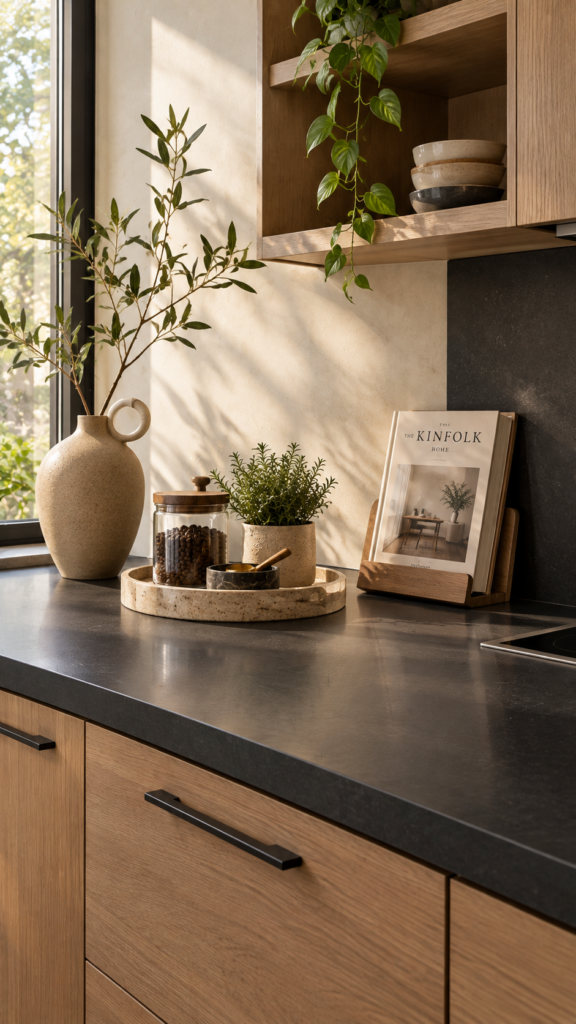
The edge is a small detail that changes the whole character of a countertop.
- Eased edge: The top corner is very slightly softened. It’s clean, modern, usually included in the base fabrication price, and considered the durable default by many fabricators. If you want an edge that will still look right in 15 years, start here.
- Bullnose: Fully rounded and forgiving for households with young children. It reads as more traditional, costs more to fabricate, and can let spills run down onto cabinet fronts. Some fabricators also point out that the old advice that bullnose is the safest choice for chipping is outdated.
- Beveled: An angled cut that adds definition. Pricing for this profile can run a few dollars per linear foot above the base.
- Ogee: An ornate S-curve suited to traditional kitchens. It can work in transitional designs, but it’s a poor match for contemporary cabinets.
- Waterfall or mitered: The slab continues down the side of an island. It’s dramatic and current, and it’s also a shop-only job with high material cost.
Step 5: Avoid What Makes a Kitchen Look Cheap
Expensive-looking kitchens are rarely about price tags. They’re about consistency and restraint. These are the most common mistakes:
- Too many competing finishes. Three metal tones, two wood tones and a busy slab in one room looks unplanned. Pick a limited palette.
- High-gloss, heavily speckled surfaces. These carry the strongest 2000s association.
- Ornate edges on simple cabinets. Match the edge to the style of the room.
- Visible seams and poor fabrication. A great slab installed carelessly looks cheaper than a modest one installed well. Hire a fabricator with verifiable references.
- Ignoring lighting. Even a beautiful surface looks flat under harsh, cool overhead light.
If a feature makes your kitchen harder to use, or clearly reflects a past decade, buyers tend to read it as a cost they’ll have to fix. That’s the real mechanism behind the “decreases home value” worry.
Step 6: Set a Realistic Budget
Cost data from Angi, based on thousands of verified projects, puts the 2026 national average for a kitchen remodel at about $26,944, with most homeowners paying between roughly $14,600 and $41,600. Other sources place mid-range projects higher, closer to $30,000 to $60,000, and costs in high-cost metros can run significantly more.
By scope, a typical breakdown looks like this:
- Minor refresh: $10,000 to $20,000, often new counters, backsplash, hardware and paint.
- Major remodel: $20,000 to $65,000.
- Complete overhaul: $65,000 to $130,000 or more.
Two planning rules help. First, add a contingency of 15-20% to every budget. Second, if you’re stretching, consider a premium slab on the island and a more economical surface on the perimeter. That puts your money where the eye lands.
Your Countertop Decision Checklist
- Decide whether you’re keeping, refreshing or replacing.
- Choose a material based on how you cook and how much maintenance you’ll tolerate.
- Select a warm neutral for the main run and reserve bold color for the island.
- Choose a matte or honed finish.
- Match the edge to your cabinet style. Eased is the safe default.
- Get at least three fabricator quotes and add your contingency.
Frequently Asked Questions
Is granite out of style in 2026?
Granite is fading from the top of trend lists, but it isn’t obsolete. Its decline comes mainly from its association with 2000s kitchens, glossy speckled looks, and the resealing it requires. Quiet, matte granite in a neutral tone still looks good and can stay.
Is bullnose edge outdated?
It leans traditional rather than dated. Current preference favors eased and square profiles for modern kitchens, but bullnose remains a sensible choice for traditional designs and households with small children.
What countertop edge is timeless?
The eased edge. Its simple, slightly softened corner suits contemporary through farmhouse kitchens, resists chipping well, and typically costs no extra.
What is a realistic budget for a new kitchen?
Plan on about $27,000 as a national average for a full remodel, with a typical range of roughly $14,600 to $41,600. Minor refreshes start near $10,000, and your local labor costs and scope will move the number. Add a 15-20% contingency.
Final Thoughts
The best countertop decision isn’t the trendiest one. It’s the one that fits how you use your kitchen, suits your cabinets, and will still look considered when you’ve lived with it for years. Work through the six steps, and you’ll make a choice you can defend.
Planning a countertop update? Tell us in the comments which material you’re leaning toward and what’s holding you back. We’ll help you think it through.